Cow
What it is
The word coalho refers to that rennet, and it tells you how the curd is begun. The paste is white to pale yellow, elastic, and a little squeaky, with a salty, mildly tangy taste. It is sold in blocks or already cut and skewered. Heat is the test that defines it, because the cheese browns and softens but keeps its shape.
In Brazil it is beach food and barbecue food in equal measure. Vendors grill thick pieces over coals and serve them hot, often with oregano or a thread of molasses. At a home grill it can sit on a skewer beside the meat. A fresh piece tastes clean and milky under the salt, with no thick rind and no long-aged sharpness. It is a young, sturdy cheese built for direct heat rather than for a cheese board alone.
History
The cheese grew up in Brazilian cattle country, where cow's milk and rennet were ordinary tools and a firm cheese was useful in a hot climate. Coalho stayed a young salted curd instead of becoming a wheel that ages for a long time. Its wider fame came with street grilling. Once cooks saw that a thick piece could brown over coals and still hold together, the cheese became a snack as much as a dairy food. The name stayed tied to the rennet that sets the milk.
No single brand invented the style, and small dairies still make it beside larger plants. Blocks and ready skewers both spread because each one suits quick cooking over fire. The recipe stayed short: milk, rennet, salt, and a firm curd, without herbs mixed into the paste. Over time the cheese moved from local markets onto beach stalls and barbecue tables in many parts of Brazil. Visitors often meet it first as grilled cheese on a stick, and that serving is the public face of queijo coalho.
How it is made
Makers warm cow's milk and add rennet so a firm gel forms. The curd is cut, stirred, and drained until it holds together, then it is salted. Salt may be mixed into the curd or added in a brine, and the level is high enough to taste at once. The mass is pressed into blocks that cut into clean rectangles for the skewer. It is not stretched like mozzarella, and it is not left to grow a rind, because the cheese is meant to be eaten young.
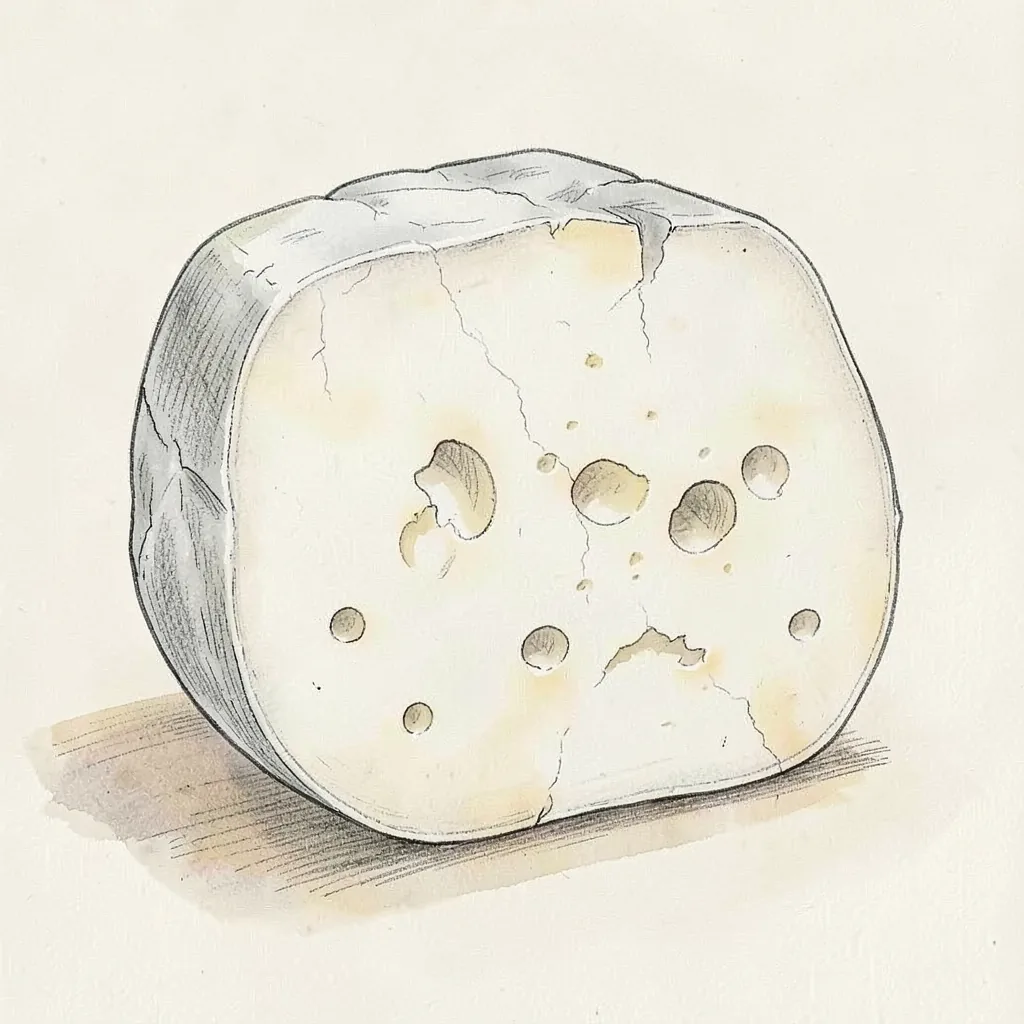
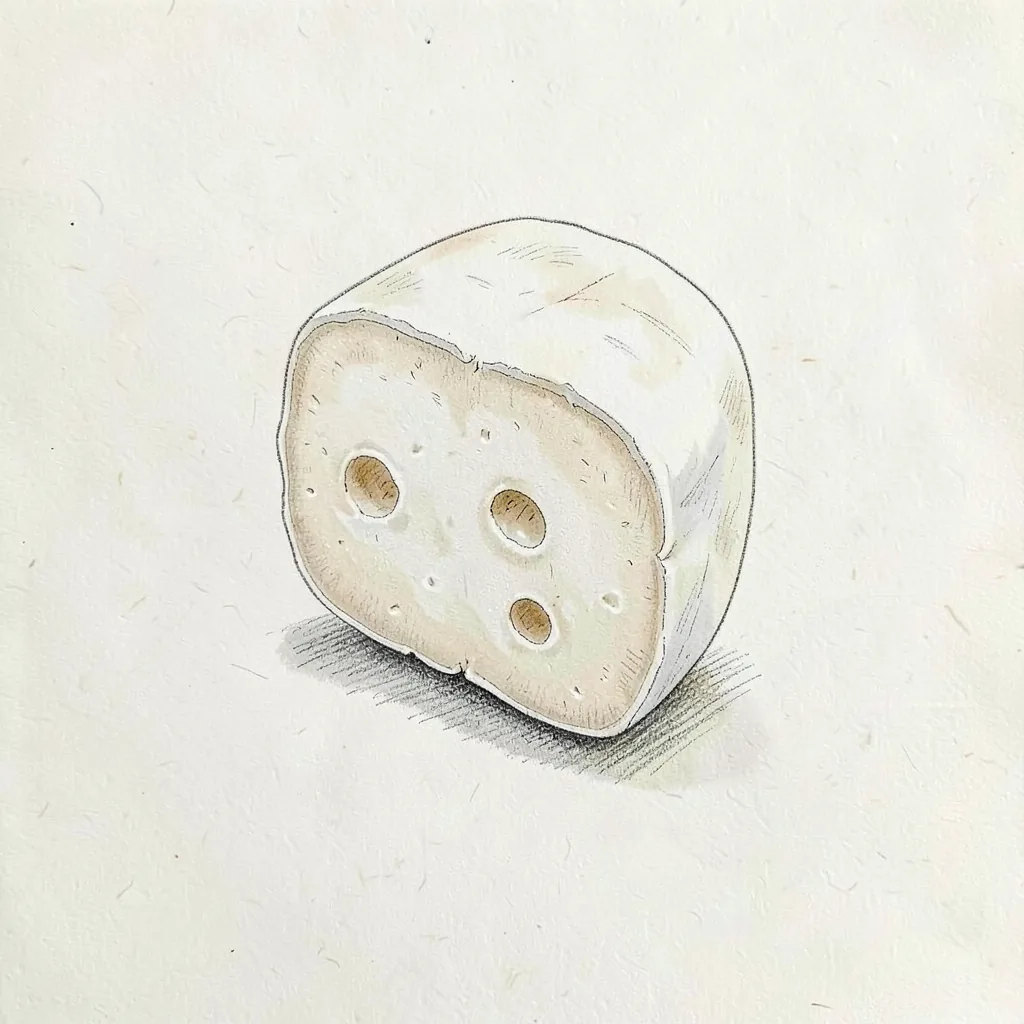
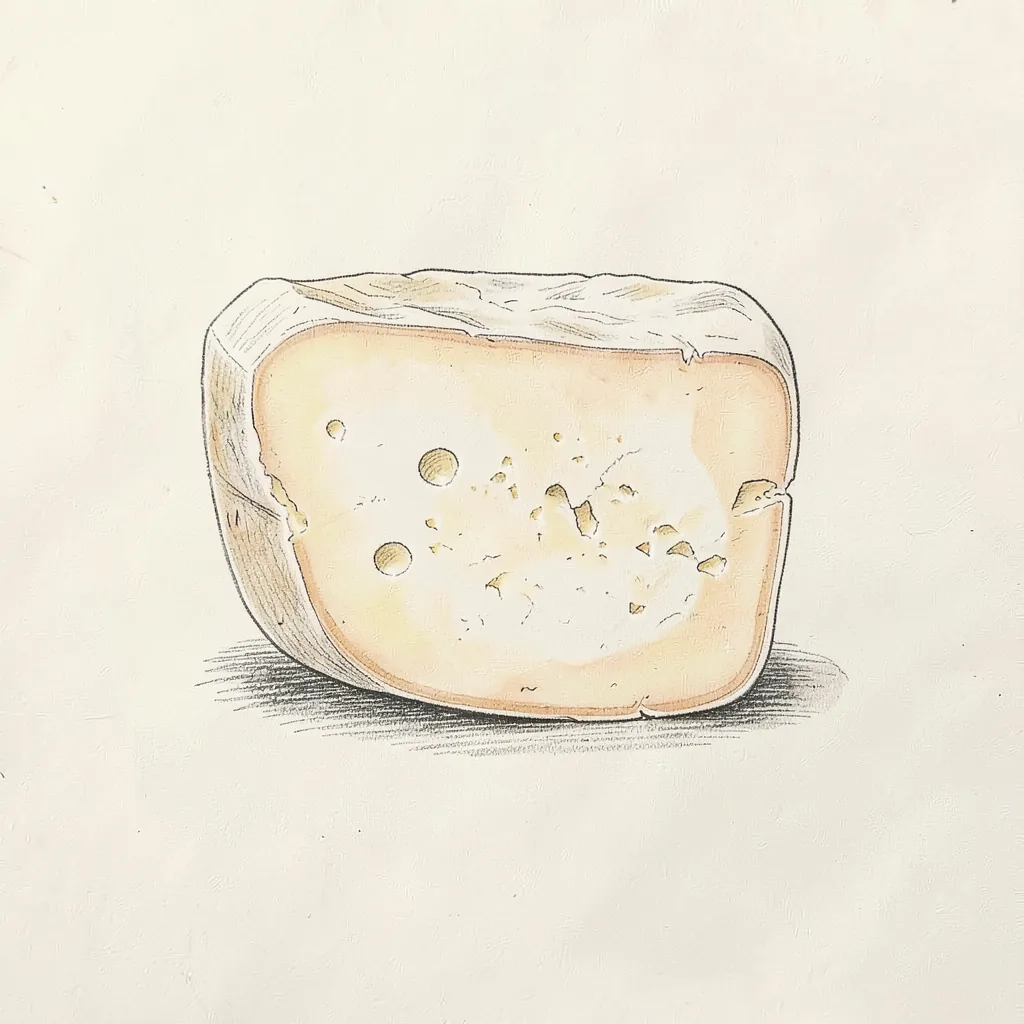
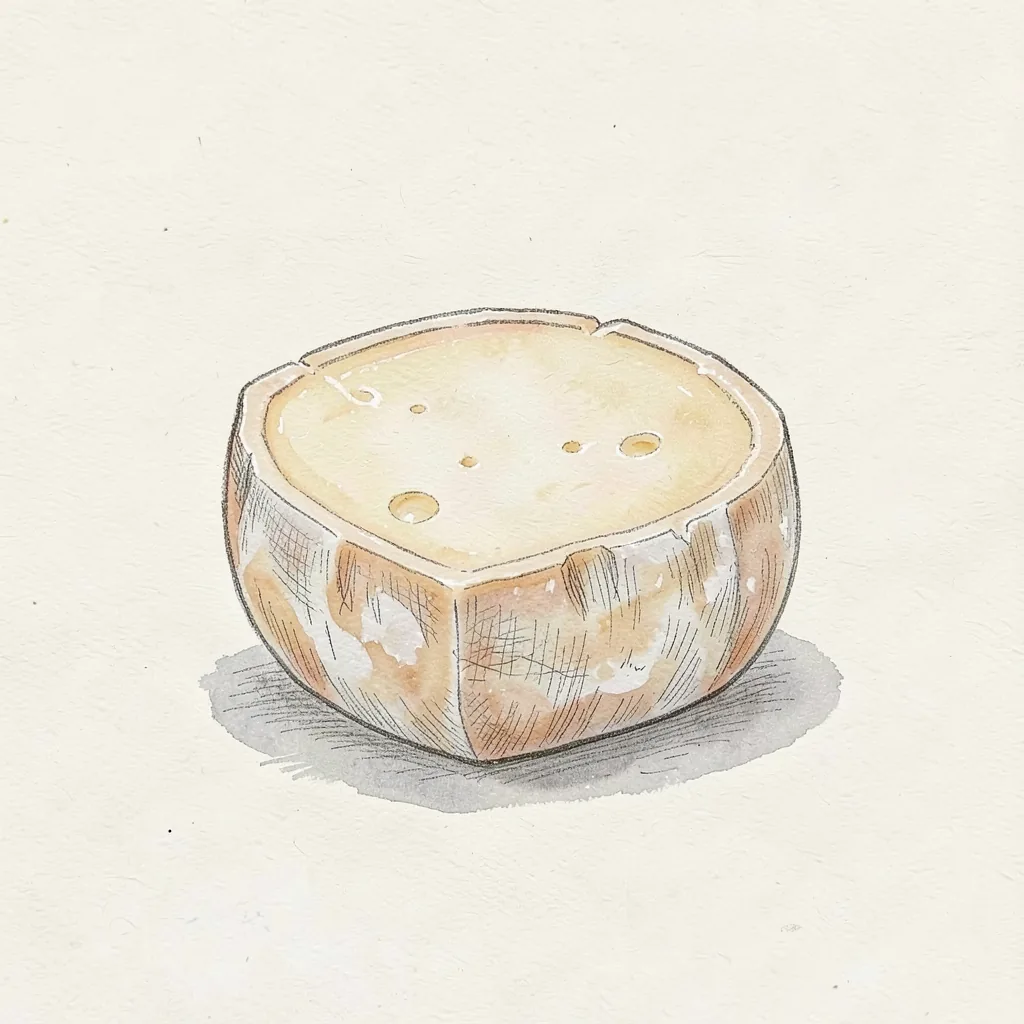
A good block is compact, moist, and elastic, with few holes and a slight shine on the cut face. Some dairies sell it as soon as it is firm enough to skewer, which is why the flavor stays fresh rather than nutty. There is no long stay in a ripening cellar and no washed coat. The firm set is what lets the cheese face a grill without collapsing. If a piece is chalky, crumbly, and dry, it was handled poorly, because this style should bend a little before it breaks.
Taste
Salt comes first, then fresh milk, a light tang, and a clean finish that does not linger. The paste squeaks gently against the teeth, a little like a fresh cheese curd, though the block is denser than loose curds in a bag. There is little aroma beyond warm milk and salt. Herbs are not mixed into the cheese, and oregano or molasses, when you taste them, were added at the grill. The flavor is simple because the cheese is a base for heat and a topping.
Grilling changes the taste more than a longer stay in the fridge will. The face turns golden, slightly sweet where it browns, and more savory, while the center stays milky and chewy. Honey or molasses, a common partner, pulls the salt toward a sweet and salty snack. The cheese should not taste bitter, soapy, or sharply sour. If it smells spoiled rather than simply salty, it was kept too warm, because fresh coalho smells like salted milk and very little else.
In the kitchen
Grill it in thick slabs, on skewers or on a rack, until the outside has brown spots and the inside is hot. The piece should soften and blister, not flood the grate with fat. A sprinkle of dried oregano is the classic finish, and a light drizzle of molasses or honey is common at beach stalls. On a barbecue it can cook beside meat without disappearing into the coals. Off the heat, plain slices are a salty snack with bread or with fruit.
Do not reach for coalho when a recipe needs a long cheese pull, a smooth sauce, or fine gratings. It will not behave like mozzarella on a pizza. Use it where a firm salty bite and direct heat are welcome, on skewers, in a warm salad, or on bread. Halloumi is the usual stand-in abroad, and paneer can take a sear if you want a milder result. Keep coalho cold and eat it fresh.
Around the world
Queijo coalho is Brazilian, and the grilled skewer is how many people outside Brazil first learn the name. Markets that serve Brazilian communities often stock vacuum-packed blocks or frozen pieces already on sticks. Where those shops are missing, cooks look to other cheeses that can meet a hot grill. Halloumi is the closest everyday substitute, because it also browns and holds a slice. Paneer and some fresh cheeses from Latin America are firmer stand-ins, though they usually carry less salt.
The cheese is not a cousin of queijo prato, a milder Brazilian cheese that melts more like a young gouda. Minas is another Brazilian cheese, and it is usually softer, fresher, and less suited to a skewer over flame. Mixing those names leads to the wrong dish and a poor result on the grill. If a label says coalho, expect rennet, salt, cow's milk, and a block that can take direct heat. Serve it hot, because the browned crust is the part people remember.