Cow
What it is
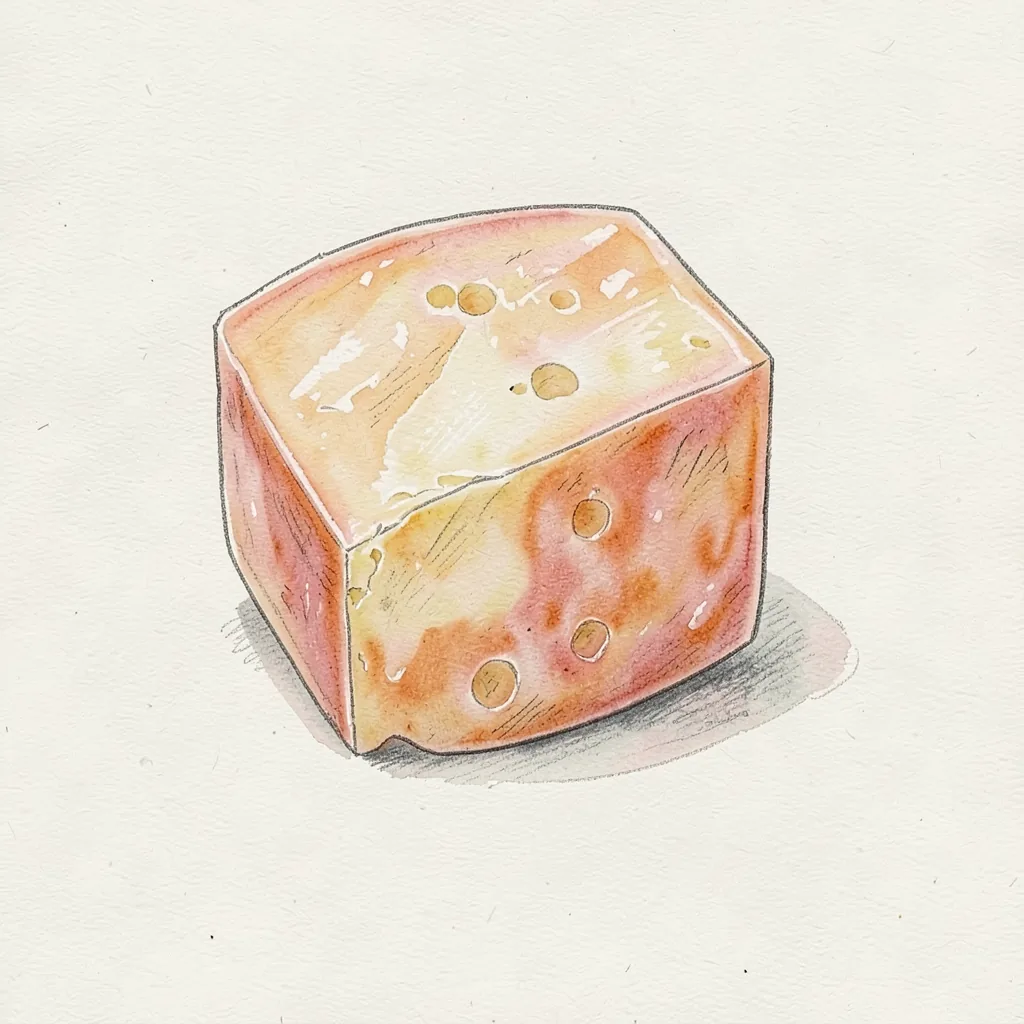
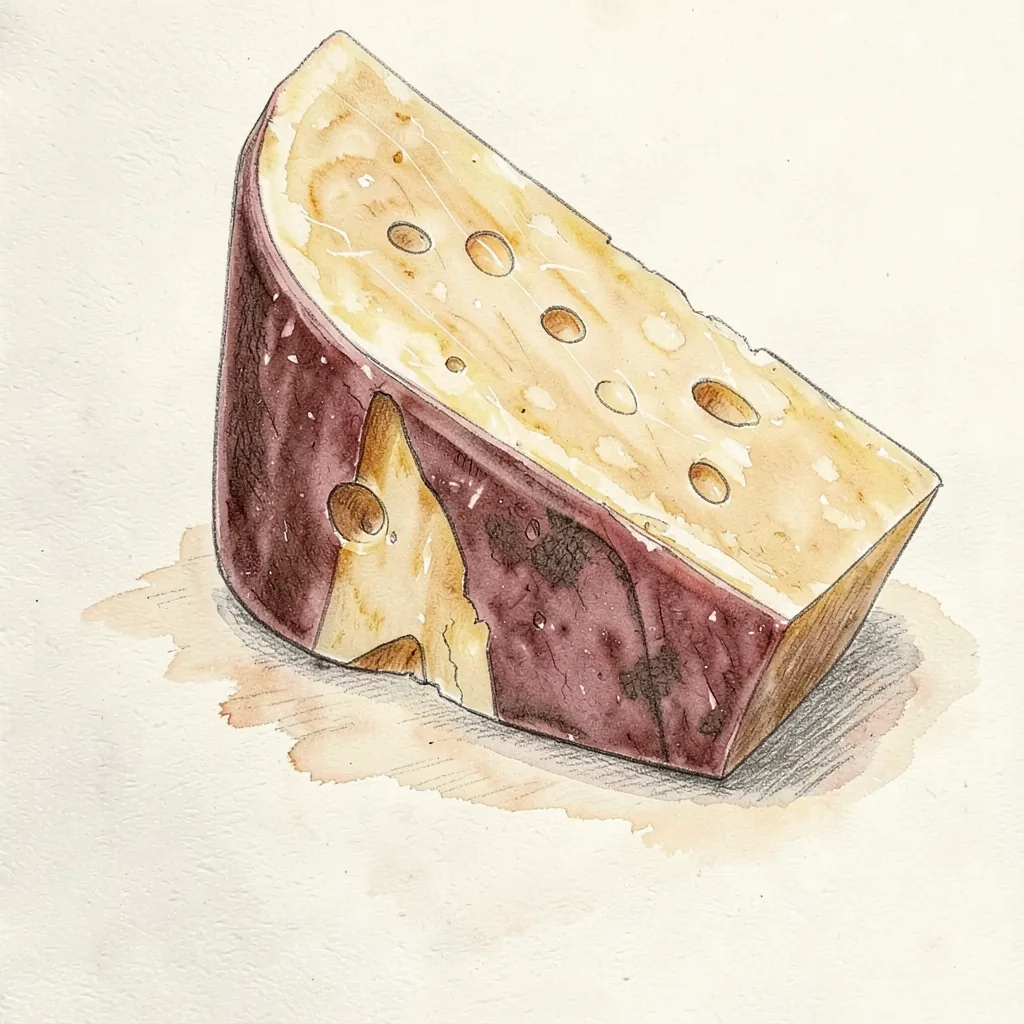
Dairies make it from cow's milk and color the paste with annatto, which turns it a warm yellow. The body is smooth and elastic, with few openings, so it slices into even pieces. Salt stays light, and the flavor is buttery rather than sharp. You will see it as a flat round or as a rectangular block meant for the slicer.
The name means plate in Portuguese, which fits the flat round shape of older wheels. Modern plants also form tall blocks, because shops want uniform slices for sandwiches. A young cheese is supple and very mild. Extra time in the ripening room firms the paste a little and brings a deeper cooked-milk note, but the cheese does not become biting. In Brazil it sits beside bread, ham, and fruit as often as it goes into a hot pan.
History
Queijo prato took shape in Brazilian dairies that wanted a mild yellow cheese in the northern European pressed style. Cow's milk from local herds replaced the milk those older recipes had used, and the method changed to suit a warm country and a large market. The flat round form gave the cheese its plate name. As grocery sale grew, many makers switched to blocks that slice neatly and keep a closed paste. It is now an ordinary Brazilian cheese, not a rare farm specialty.
The cheese belongs to the same broad family as Danbo, a mild Danish pressed cheese, but the Brazilian version has its own balance. Makers kept the gentle flavor and the yellow color, then aimed the texture at slicing and melting. Home cooks and snack bars adopted it because it did not fight with bread, ham, or tomato. Factories scaled the recipe, so the same name now covers several sizes and shapes. What they share is cow's milk, a smooth paste, and a flavor that stays quiet.
How it is made
Production starts with cow's milk, a starter culture, and rennet. When the curd sets, makers cut it and stir it so whey can drain. Gentle heat helps the curd firm without turning the paste hard. Annatto is added for color, and salt is worked in at a modest level. The curd then goes into molds and is pressed until the body is closed and even.
Pressing is the step that gives queijo prato its sliceable character. Whey leaves, the curds knit, and small openings mostly disappear. The cheese is then held so the flavor can settle and the paste can become elastic. A short ripening keeps it mild. A longer one dries the surface a little and deepens the butter note, while the inside stays smooth enough for a clean cut.
Taste
A bite of queijo prato tastes of fresh milk and sweet butter, with a soft salt finish. There is little tang and almost no bite. The paste feels moist and springy under the tooth, closer to a young sandwich cheese than to a crumbly grating cheese. The yellow color looks stronger than the flavor. If you expect a sharp edge from that color, the gentle taste can be a surprise.
Age changes the cheese only within a narrow range. A very young piece is milky, elastic, and almost bland in a pleasant way. More time brings a light nuttiness and a hint of cooked cream. The texture firms, but it should not turn dry or granular. Acid and bitterness stay in the background, which is why the cheese suits children and anyone who wants a quiet slice.
In the kitchen
In Brazil, queijo prato is the usual cheese in a grilled ham sandwich, where it melts into the bread without turning greasy. It also covers pizza, fills savory pies, and slips into omelets or pasta. Because the flavor is mild, herbs, tomato, and cured meat stay clear. Slices on a roll with fruit make a simple snack. Heat it gently, since a long hard fry can toughen the elastic paste.
On a board, queijo prato is a mild partner for apples, guava paste, and crusty bread. It is less interesting alone than a long-aged cheese, so give it company. Grated, it can enrich a white sauce or a vegetable bake, though many cooks prefer to lay on slices and let them melt. Cubes hold their shape in a warm dish if you do not cook them too long. Leftover slices are worth saving for the next sandwich.
Around the world
Queijo prato rarely leads an export list, yet Brazilian grocers in other countries often carry it. Travelers meet it in snack bars, bakeries, and home kitchens more than on formal cheese carts. People who know only fresh Minas cheese should expect something different, because prato is pressed, yellow, and meant to melt. A shop label may simply say prato. If the block is pale yellow, smooth, and mild, it is the right cheese.
Cooks outside Brazil usually replace it with a young Gouda, an Edam, or a Danbo. Those cheeses share the mild flavor and the easy melt. Prato is often a bit more elastic and a bit less sweet than a typical Gouda. In Brazilian recipes for pies and hot sandwiches, the substitute should be a slicer, not a hard grating cheese. The point is a gentle dairy note that ties the dish together.