Sheep
What it is
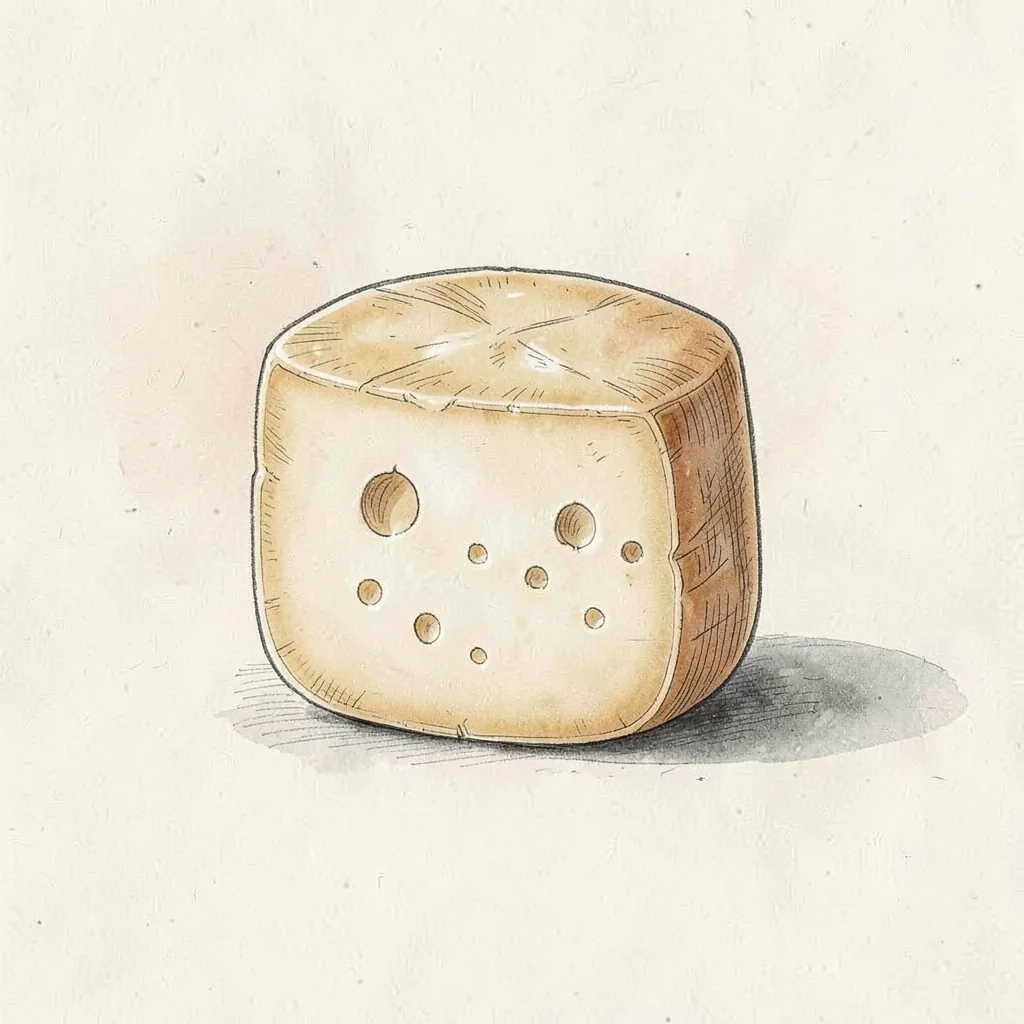
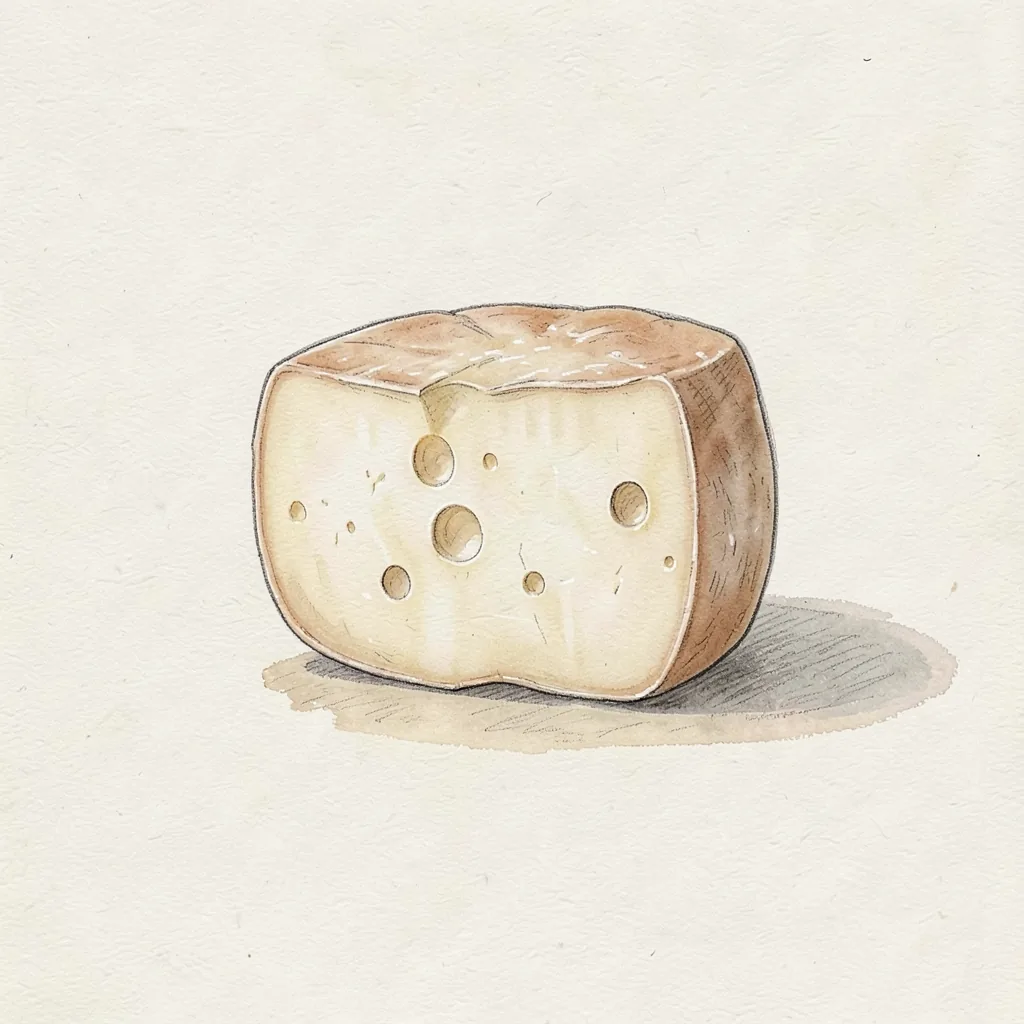
It is made from raw sheep's milk, set with a thistle infusion rather than animal rennet. The wheels are round, with a natural rind that is dry or slightly oily. The paste is yellowish white and firm enough to slice, with a clean, tangy taste. A small acidic edge and a clear sheep aroma are part of the usual character.
The cheese is an everyday food in its region as well as a cheese counter item. People cut wedges for bread, and they also keep a firmer piece for cooking. The rind is not a wax coat, and it is not washed to an orange color. A smaller round and a larger round both appear in shops, but the milk and the thistle set stay the same. It is sold through normal cheese channels in Portugal, not as a rare closed batch.
History
Sheep cheese belongs to the pastoral life of Alto Alentejo, where flocks graze open country. Queijo de Nisa grew in that setting as a raw milk cheese curdled with cardoon thistle. The thistle set is a regional pattern, shared in spirit with other Portuguese sheep cheeses. This wheel still has its own name, its own place, and its own balance of tang and firmness. Farm makers and small dairies both produce it for shops in Portugal.
The method stayed practical across generations of makers. Milk from local sheep, a vegetable coagulant, hand work with the curd, and a ripening room are the stable parts. The cheese did not become a fresh soft cheese, and it did not become a very hard block for the grater only. Semi-hard paste and a formed natural rind are what buyers expect when they ask for the name. In Alto Alentejo it remains a local standard, even if a few softer sheep cheeses are better known abroad.
How it is made
Makers start with raw sheep's milk from the Alto Alentejo. They add an infusion of cardoon thistle so the milk sets without animal rennet. The curd is cut to let whey off, then placed in round molds and pressed. Salt is rubbed on the surface, or the cheeses take salt in brine. Nothing in the basic make adds spice, smoke, or a mold meant to draw blue veins.
The wheels then ripen until the paste firms and a natural rind forms. The rind should be whole and fairly smooth, dry or lightly greasy, not cracked open and not coated with wax. Inside, the color is yellowish white, and small holes may show in the paste. The cheese leaves the room when it slices cleanly and the aroma is clear and sheep-like. A piece that is still soft enough to spoon is a different style, not a young Nisa.
Taste
The taste is clean, slightly acidic, and salty, with a firm sheep character. Many pieces have a mild peppery edge that grows as the cheese ripens. The aroma is strong but not sour when the cheese is sound. The paste feels dense and a little moist, not chalky like a very young fresh cheese. Fat gives a short rich finish after the tang, which is why a small wedge is satisfying.
A younger wheel is milder and smoother on the tongue. An older wheel tastes fuller, saltier, and more peppery, while the paste becomes firmer. The thistle set can leave a faint bitter note in the finish, which is normal in a small amount. If the bitterness dominates, or the rind smells sour, choose another piece. Eat it after it has lost the chill of the fridge, so the sheep aroma and the acid are both clear.
In the kitchen
Cut Queijo de Nisa in wedges and eat it with country bread. Olive oil and a few olives are enough beside it, and it also sits on a board with fruit or nuts. Firm pieces can be grated or broken over vegetables, soup, or a baked dish. Heat softens the paste but does not make it stretch into strings. Use it where you want a tangy sheep cheese rather than a mild melting slice.
A very dry rind is often left off the bite, though a thin edge of rind on a slice is common. Do not expect a spoonable center, because this is a slicing cheese. If a recipe calls for a very creamy thistle cheese, this wheel will be too firm and you should choose a softer one. Keep it wrapped, because the cut face dries and the aroma can fill a box. It is ordinary shop food in its region, made to be eaten without extra treatment at home.
Around the world
Outside Portugal, Queijo de Nisa shows up at shops that import Iberian cheeses, not in every grocery case. The label should carry the cheese name, and it should say sheep's milk. A similar round from another region is not the same cheese, even when the paste looks pale. Travelers meet it in Alto Alentejo with bread more often than they meet it abroad. When you find a piece, treat it as a semi-hard sheep cheese for the board, not as a fresh cheese to spoon.
Serpa is the closest Portuguese swap, another sheep's milk cheese with a firm slice and a tangy finish. Serra da Estrela is better known abroad, and it is softer, often rich enough to eat with a spoon. Manchego can cover a bread and cheese plate, but it is a Spanish sheep cheese with a different make. A cheese set only with animal rennet will taste cleaner and less wild than this thistle-set wheel. For the same flavor, stay with a Portuguese sheep cheese if the shop has one.