Sheep
What it is
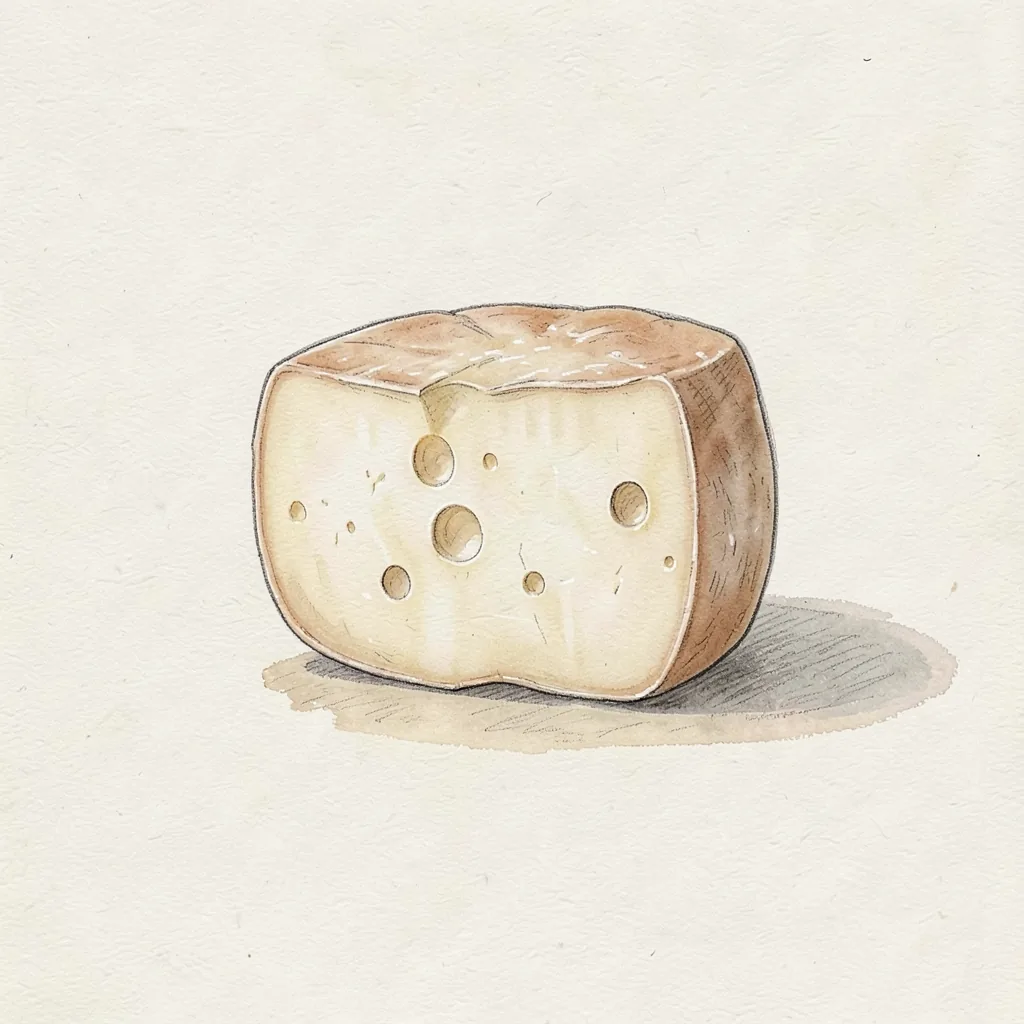
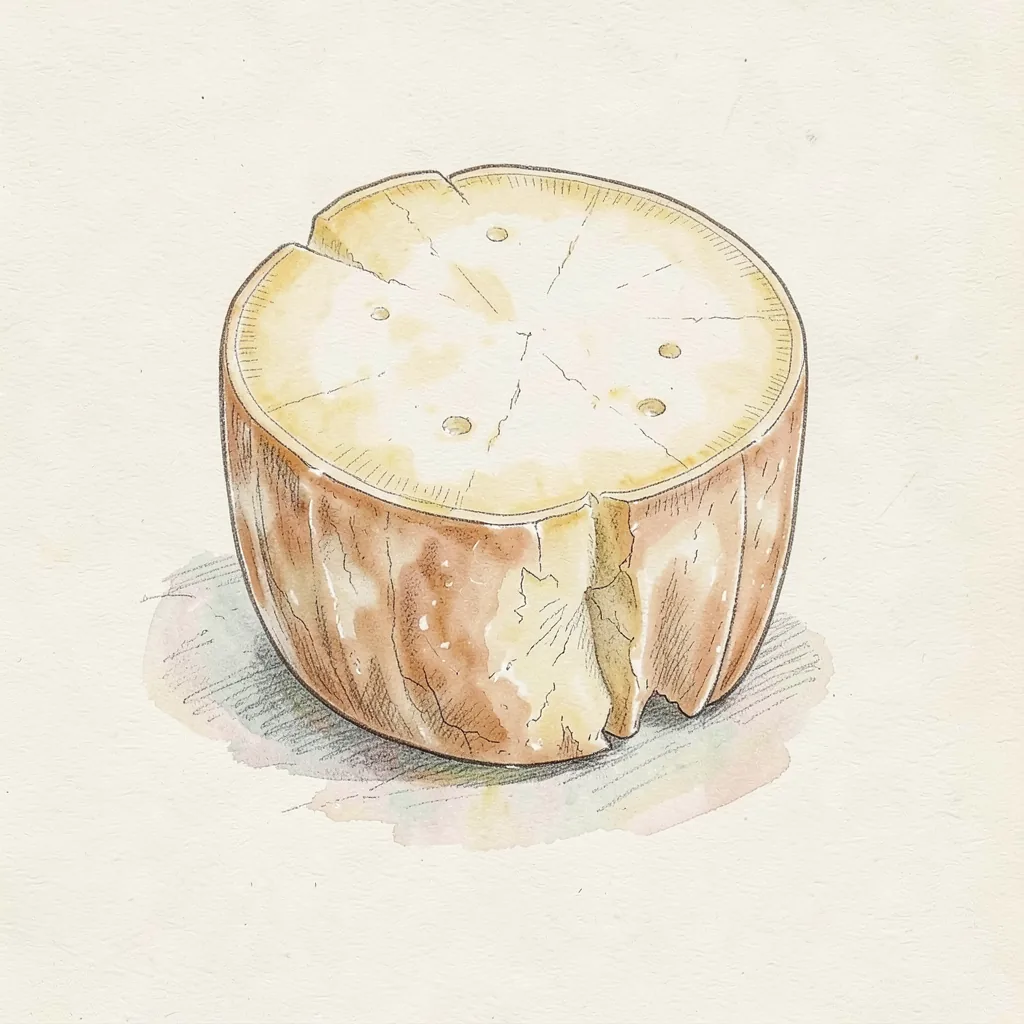
It is formed in low rounds, with a thin straw-colored rind and a pale, moist paste. Thistle rennet, drawn from the cardoon flower, sets the milk and shapes the aroma. A young cheese can be soft enough to spoon, while an older one turns firmer and spicier. Sheep's milk and that vegetable rennet define the style.
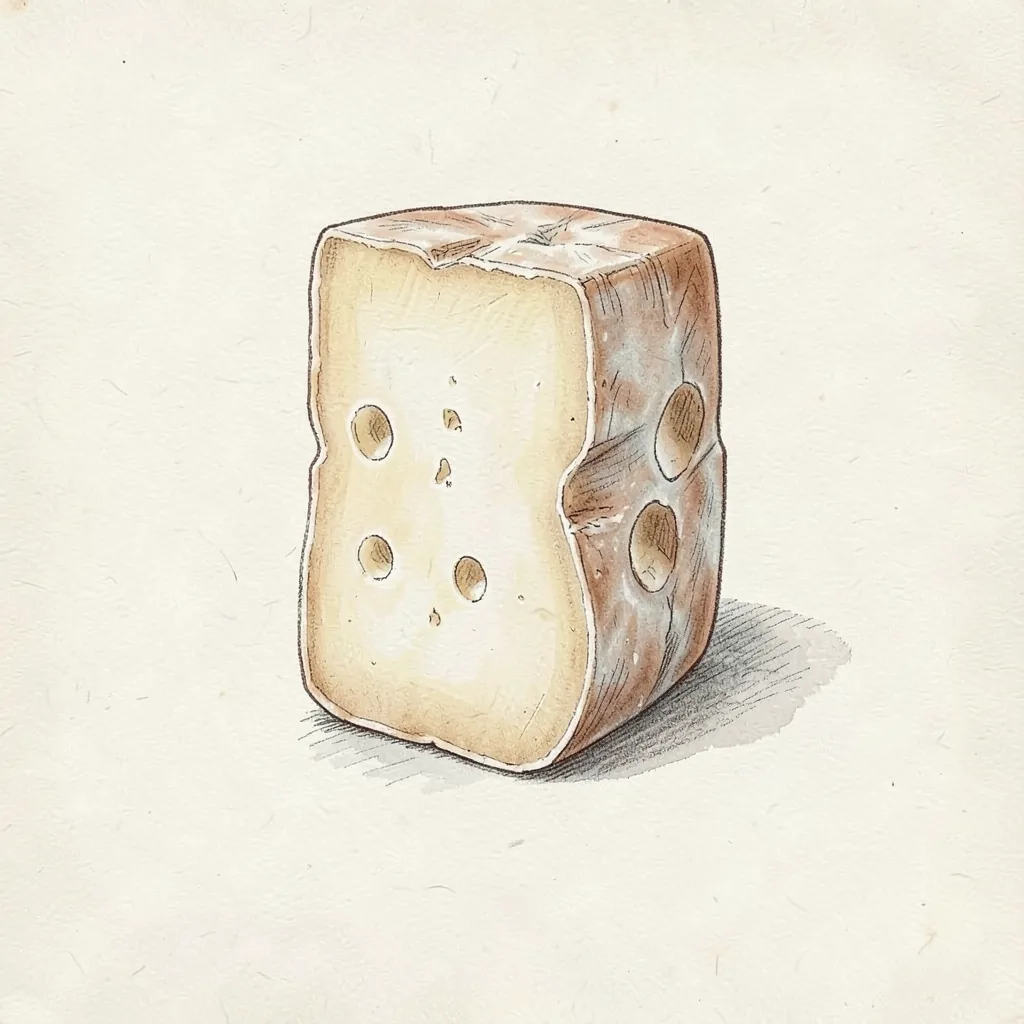
The smell is strong, sheepy, and a little herbal, and the taste follows with butter, salt, and a clean sour edge. The paste is yellowish white and nearly closed, with few holes. Cloth around the side of some wheels helps the cheese hold its shape. A rub of olive oil, sometimes with paprika, may darken and protect the rind. None of that makes it a blue cheese or a fresh unsalted curd.
History
Shepherds in Portugal have long turned sheep's milk into cheese so the flock's milk would keep. Serpa became one of the best known of those traditional cheeses. The recipe uses cardoon rennet rather than animal rennet, a habit shared with a few other cheeses of Portugal and Spain. The work stayed in small dairies and farm rooms. It is still a handmade cheese, not a processed loaf from a blending plant.
The name belongs to Portugal's sheep cheese tradition, and the method is older than modern shop packaging. Flocks are milked and the milk is made promptly, because this style depends on fresh sheep's milk. Makers still pass the milk through salt in a cloth, a step that sets Serpa apart. Aging is part of the identity, but the stage many eaters prefer is the soft, spoonable one. The firmer stage has its own fans.
How it is made
Fresh sheep's milk is warmed and poured through a cloth that holds salt, so salting starts as the milk is filtered. An infusion of cardoon thistle then coagulates the milk. The curd is broken into small pieces, drained, and scooped into molds that give a low round. The wheels rest until the paste softens and the rind settles into a thin coat. No animal rennet is required for the set.
Late in maturation, some makers bind the side with a cotton band so the soft cheese keeps its shape and does not crack. Olive oil, plain or tinted with paprika, may be brushed on the rind. The rind stays malleable, slightly wrinkled, and straw colored, sometimes with a light natural mold. A younger wheel is the spoonable one. A wheel kept longer becomes firmer, spicier, and easier to cut in wedges.
Taste
Young Serpa is buttery, sheepy, and gently sour, with a center soft enough to lift on a spoon. The Portuguese word amanteigado names that buttery stage. The paste is rich and close, not full of large eyes. Cardoon rennet leaves a faint bitter, herbal edge beside the cream. Salt is clear, but the first impression is more lush than harsh or sharp.
With age the flavor grows stronger, saltier, and spicy, and the texture loses some of its flow. The aroma is powerful and clean, with sheep, thistle, and a cellar note. The rind is thinner and firmer than the paste, and it should not smell of ammonia. A dried-out wheel is past its best. At the right stage the cheese is intense, but it still tastes of milk and herbs rather than of mold alone.
In the kitchen
Serve a soft wheel at room warmth and scoop it onto bread or boiled potatoes. It belongs on a board with nuts, fruit, or a plain salad. Firmer pieces can be cut in wedges or grated over greens and warm vegetables. The taste is strong, so a little seasons a dish. Do not expect a stretchy melt, and do not drown it in sweet jam if you want the sheep flavor to show.
In Portugal the cheese is food for the table more than a hidden ingredient. Bread is the classic partner, and a dry wine can stand up to the aroma. A spoonable center can be a course by itself. If you cook with a firmer piece, add it where a savory sheep cheese is welcome, such as over roasted vegetables. Keep the soft cheese cool until serving, then let it relax so the paste flows.
Around the world
Serpa is a Portuguese specialty, and buyers abroad see it less often than the largest sheep cheeses of Europe. It sits beside other cardoon-set sheep cheeses from Portugal and neighboring Spain. Those cousins are the usual stand-ins when a shop has no Serpa. A spoonable center marks a young wheel, while a firmer paste marks a longer rest. Cooks should taste before they treat two soft sheep cheeses as the same thing.
Travelers in Portugal are the people most likely to meet a real wheel, often near the end of a meal with bread. Elsewhere, a label may show a similar soft sheep cheese under another name. Serra da Estrela is the closest Portuguese cousin, and a Spanish torta is the closest cross-border match. All of them share thistle rennet and a lush paste. They are still separate cheeses, with their own salt, shape, and aroma.