Sheep
What it is
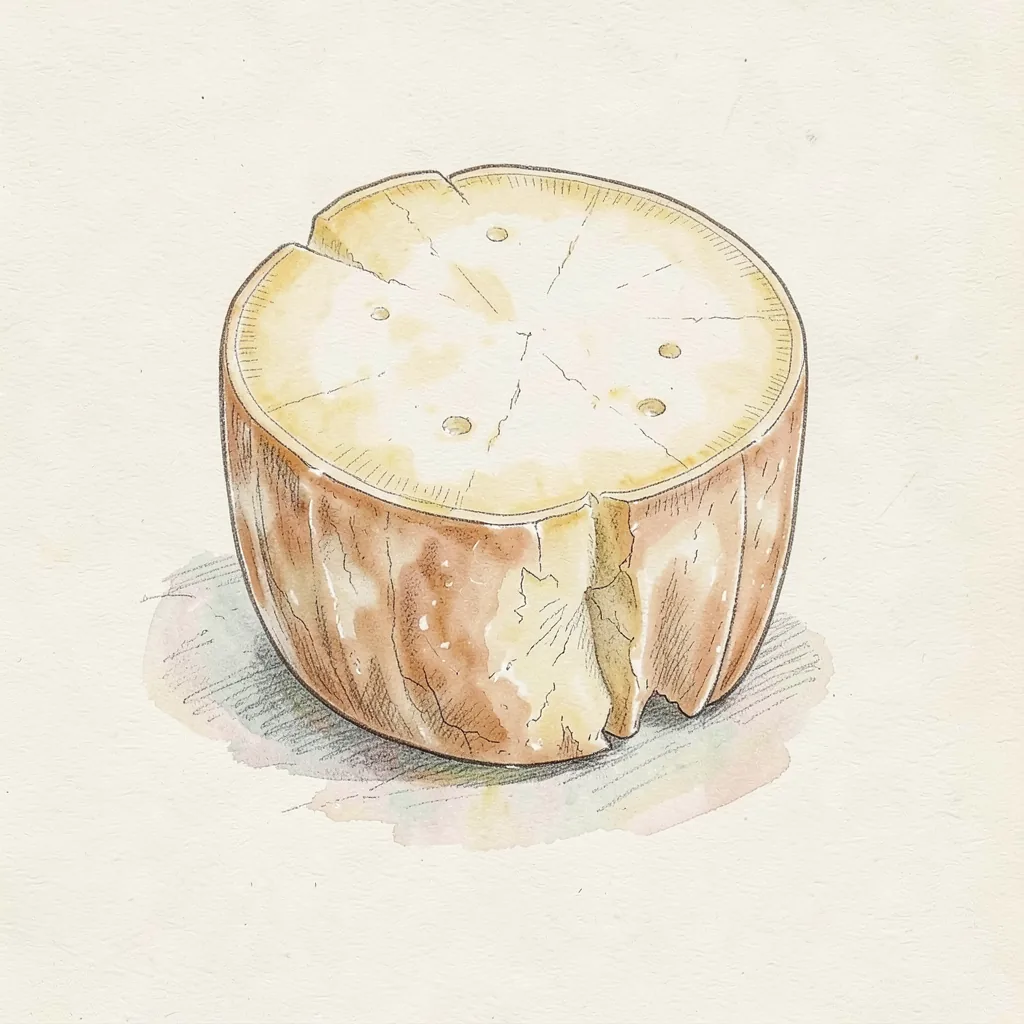
Shepherds and small dairies set the milk with a thistle flower, not with animal rennet, and that choice shapes both the texture and the taste. A ripe wheel can turn so soft that people spoon the center. A wheel kept longer becomes firmer and better for grating. The mountain range and the name on the cheese are the same place.
The paste is pale and rich, with a clean sheep aroma and a slight bitter edge from the thistle. When the center slumps, the cheese is often called buttery, and a spoon is the right tool. When it stays in slices, the flavor is deeper and saltier. The rind is thin, natural, and a little wrinkled, and most people leave it aside. It is a mountain cheese, not a fresh curd and not a blue.
History
Cheese from these mountains has long been a way to store sheep's milk in a form that could leave the valleys. The thistle coagulant is an old plant practice, and it links this cheese to a small group of Iberian cheeses made the same way. Wheels fed rural households and also went to market beyond the high pastures. The name stayed tied to the mountain range rather than to one village. Modern dairies still follow that plant-set method for the cheese sold under this name.
Two eating ages became the usual split in the market. A softer, spoonable wheel is the one visitors expect when they hear the name. A firmer, longer-kept wheel is sliced or grated and has a stronger sheep flavor. Both come from the same milk and the same thistle set. The difference is time and moisture, not a second recipe from another region.
How it is made
Raw sheep's milk is warmed gently and mixed with an infusion of cardoon thistle. The flower extract sets the curd slowly and leaves a faint bitter note that animal rennet would not give. The curd is cut by hand or with a simple tool, then placed in a mold and pressed lightly so some whey stays in the paste. Salt goes on the surface or into the curd, depending on the dairy. The wheel is a low round, not a tall drum.
During ripening the wheels are turned and the rind is wiped so it stays clean and dry. Cloth bands are sometimes used to help a very soft wheel hold its shape. In a cool, humid room the center breaks down and becomes silky enough to spoon. If the cheese loses more moisture, it firms and the flavor concentrates. Nothing smoked or blue is added, so the taste comes from sheep's milk, thistle, salt, and time.
Taste
A spoonable Serra da Estrela tastes rich and sheep-like, a little sweet at first, then slightly bitter and herbal from the thistle. The paste feels rich on the tongue, like warm butter mixed with sheep's milk. Salt is present but should not burn. The rind can be earthier and tougher, so many eaters take only the interior. A young, still-firm wheel is milder and more lactic, with less of that soft center.
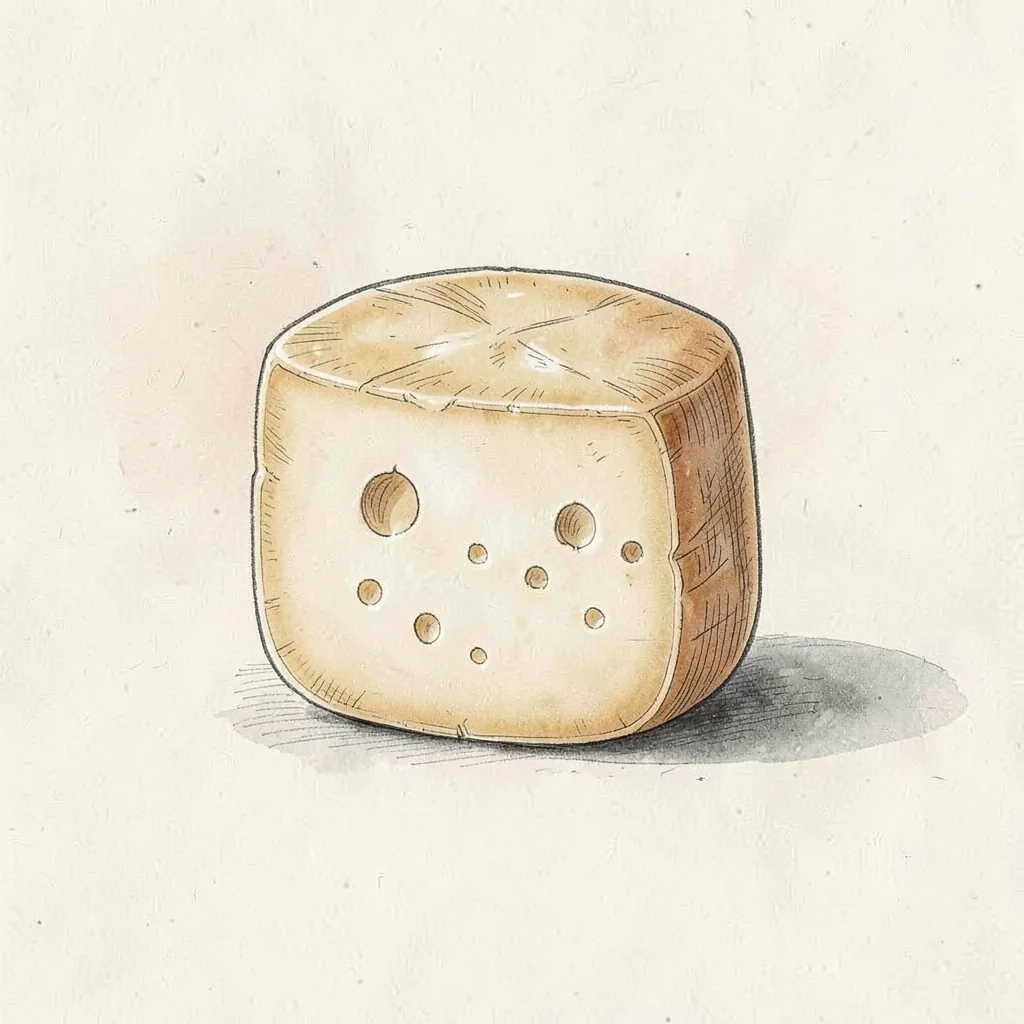
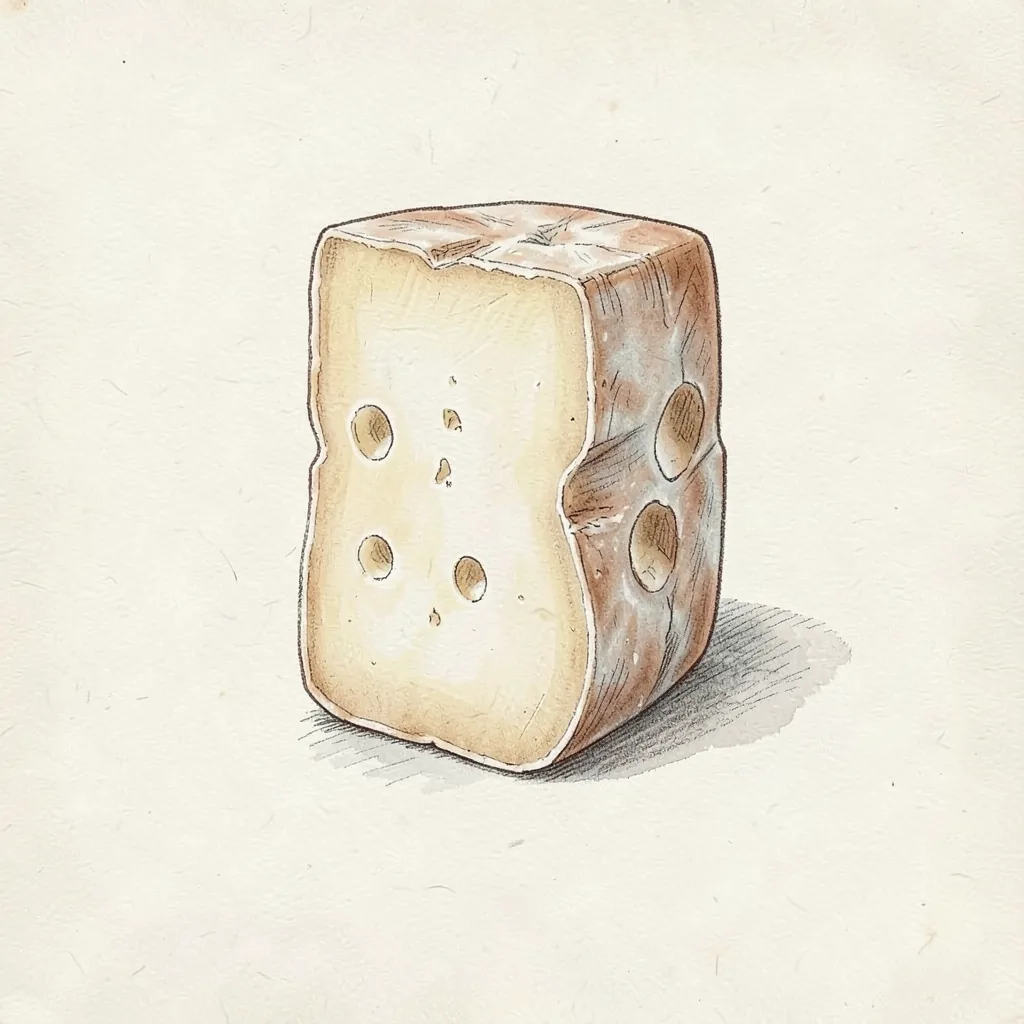
The firmer aged cheese is saltier, drier, and more forceful, with a nutty finish and a clearer sheep tang. It loses the spoonable gloss and gains small firm bites that suit grating. Neither style should smell strongly of ammonia or taste of spoiled milk. A little cellar note near the rind is normal. If the center is still very chalky and sour, the wheel may simply need more time in a cool place.
In the kitchen
Open a ripe wheel by cutting off the top rind and spooning the soft center onto bread. That is the classic service, and it needs no cooking. The same soft cheese can melt into potatoes, onto toast, or across a warm tart in a thin layer. Do not boil it hard, or the fat can separate and turn the dish oily. A firm slice belongs on a board with quince paste, honey, or a plain country loaf.
Grate the drier aged cheese over roasted vegetables, a bowl of soup, or a simple pasta. It will not stretch into long strings. Pair the soft wheel with crusty bread and a mild fruit paste, and keep strong pickles away so they do not cover the thistle note. Wrap a cut wheel well and keep it cold. Bring it toward room temperature before you spoon it, or the center stays tight and dull.
Around the world
Outside Portugal, Serra da Estrela shows up in shops that carry Iberian cheese, often near other sheep's milk rounds. Buyers should look for a soft center if they want the spoonable style, because a firm wheel is a different meal. The label may use the Portuguese name Queijo da Serra. Transport can firm the paste, so a wheel that looks set may relax after it rests in a cool kitchen. It is not a supermarket block, and a small wheel is the usual size to find.
Torta del Casar, from Spain, is the closest cousin, with sheep's milk, thistle, and a spoonable heart. Serpa, from another part of Portugal, is also sheep's milk and plant-set, but the flavor and shape are not the same. Queijo de Azeitão is another Portuguese relative with a soft, rich center. Use one of those if this mountain cheese is missing. Do not swap in a hard pecorino and expect the same spoonable cream.