Cow
What it is
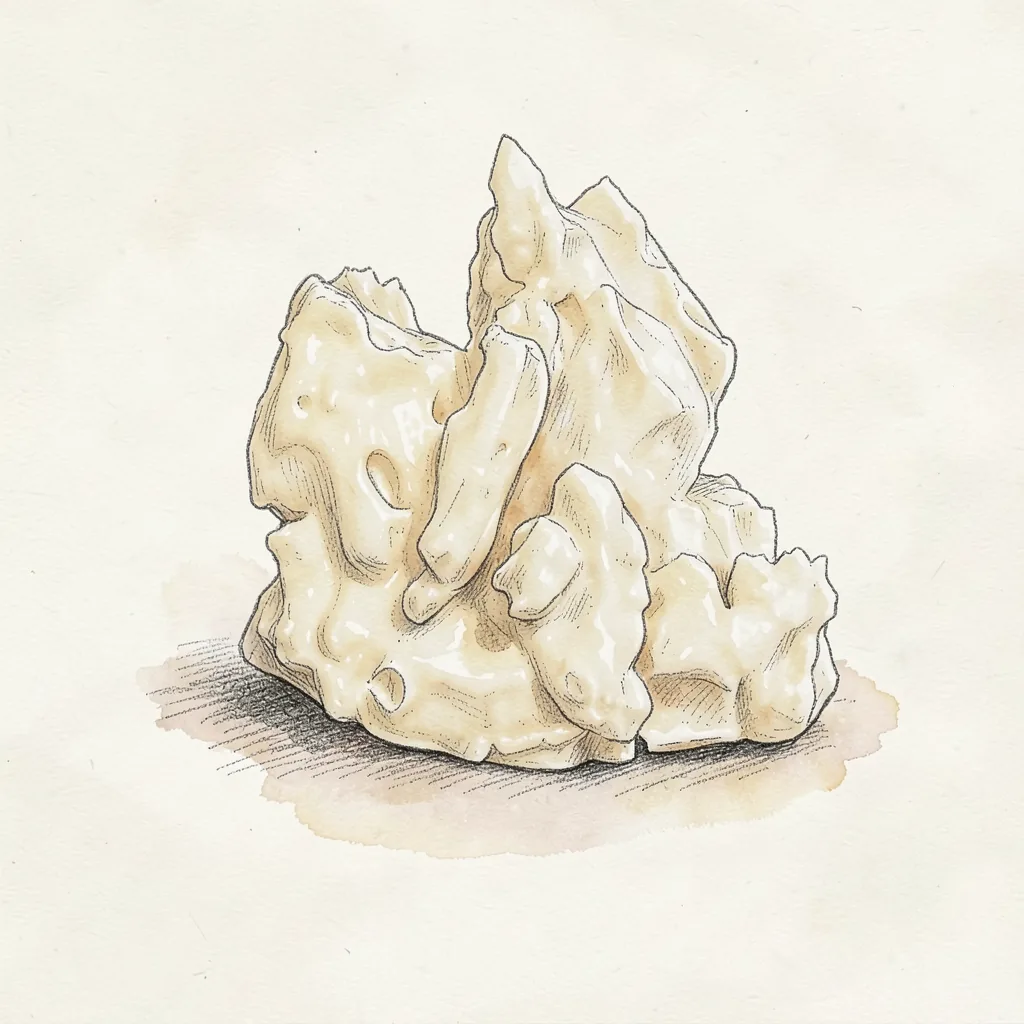
The name means granular cheese, and the curds look like small soft grains in a light dressing, much as cottage cheese does. It is not aged, and it has no rind at all. The taste is mild, milky, and a little tangy, with a clean level of salt. People in Finland eat it plain, in salads, and as a garnish, so it is an everyday cheese rather than a special wheel.
A spoonful shows separate curds, not a smooth spread and not a slice that holds a shape. The grains are moist, and any liquid around them is thin. You can drain a little of that liquid if you want a drier spoonful, but the cheese is meant to stay fresh and cool. It is sold in tubs, not in wheels with a rind. Keep it cold, because a fresh curd does not improve if it sits out on the counter.
History
Fresh curd cheeses have a long place in Finnish home cooking, and raejuusto is the granular form that shops sell under that name. The word joins the idea of a grain with the word for cheese, which matches the texture you see in the tub. Swedish speaking Finns have also called the same cheese grynost. It stayed a simple dairy food, not a named estate wheel and not a cheese for long aging. Cooks understood it as curds you eat soon after they are made.
As packaged dairy spread through Finland, raejuusto moved from a farm bowl into a standard tub in the cold case. The idea did not change. It is still fresh cow's milk curd, mild and spoonable, with grains you can see. Similar curds exist in neighboring countries under other names, which can confuse a shopper who is translating a label. In Finland the word on the pot is raejuusto, and that word means this granular fresh cheese, not a baked cheese and not a hard slice.
How it is made
Makers set cow's milk with cultures so it curdles, then they cut the curd into small grains. The grains are warmed gently and drained so they stay separate instead of knitting into a solid block. Salt is added, and a little cream or a thin whey dressing often keeps the curds moist. There is no pressing into a wheel and no long stay in a ripening room. The cheese is packed while it is still fresh.
Because the curds are not pressed, the texture stays loose and grainy. A thicker dressing makes a wetter tub, and a firmer drain makes drier grains that still count as the same cheese. Both are raejuusto if the curds are distinct and the cheese is fresh. No mold is added, and no rind is grown on the surface. The pot should smell of clean milk, not of age, and once it is open you should use it while the taste is still bright.
Taste
The taste is mild, fresh, and lightly acidic, with more salt than plain milk and less flavor than an aged cheese. Each curd is soft and a little springy between the teeth. The dressing tastes milky and clean, with no rind bitterness and no sharp finish. People who know cottage cheese will recognize the same quiet dairy flavor in a salad or on a spoon. A sour or yeasty smell means the tub is no longer at its best.
Cold from the fridge mutes the flavor, so a short rest at room temperature makes the curds taste a little fuller. Even then, raejuusto stays a background cheese rather than the main flavor on the plate. Cucumber, pepper, herbs, or fruit can do the seasoning around it. The grains do not melt away on the tongue. They stay separate and cool, which is the point of this fresh cheese, so choose another cheese if you want a strong aged flavor.
In the kitchen
Spoon raejuusto onto salads, into a baked potato, or over a warm soup as a cool garnish. Mix it with cucumber, olive oil, and black pepper for a simple plate that shows the curds. It can go into egg dishes or a light bake, where the grains stay soft instead of disappearing. It is not a grating cheese and not a cheese that forms a sheet of melt. Heat can make the grains tender, but they will not stretch the way a cooked pizza cheese does.
Mash some of the curds if you want a thicker spread, or leave them whole when texture matters. It sits well beside rye bread or crispbread, which are common partners in Finland. Sweet uses work too, with berries or a little honey, because the cheese is not salty in the way a hard cheese is. Drain extra liquid if a recipe needs a thicker mixture. Keep the tub covered and cold, and do not leave it out through a long meal.
Around the world
In Finland, raejuusto is an ordinary supermarket cheese, and cooks treat it as a staple for quick meals. Visitors often meet it at breakfast or in a salad bar. Abroad, the tub is easiest to find in shops that import Finnish food. Many other countries sell a cottage cheese that plays the same role in the kitchen. The Finnish name is the clue on the label, and a baked cheese such as leipajuusto is a different food even when both come from Finland.
Cottage cheese is the direct substitute, and in many kitchens the two are used in the same salads and baked potatoes. Quark can help if you need a mild fresh cheese, though it is smoother and less grainy than raejuusto. Fromage blanc is another soft fresh option, and it spreads more easily than loose curds. None of those names is printed as raejuusto. If the curds are large and loose in a light dressing, you are close to the Finnish cheese even when the brand is local.