Cow
What it is
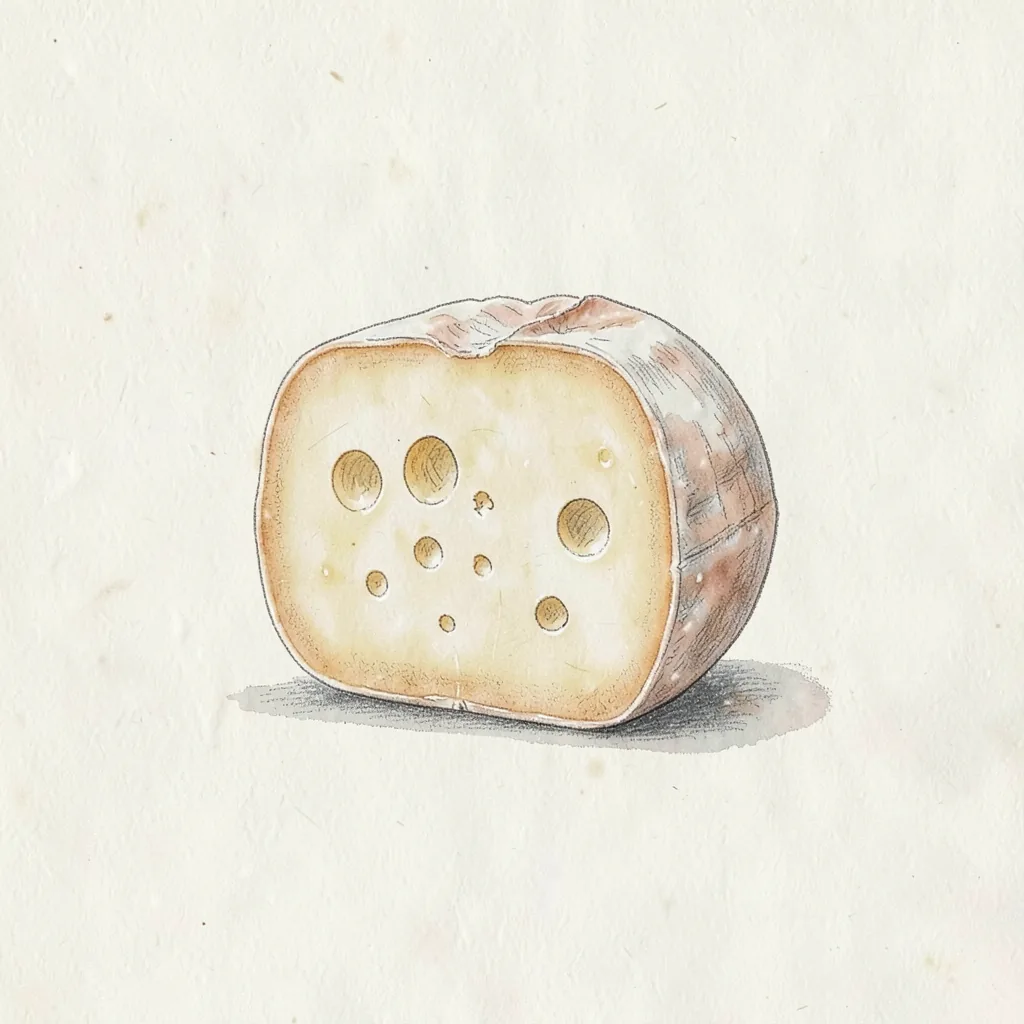
It is a pasta filata cheese, so the curd is stretched in hot water and shaped while it is still elastic. The usual form is a large rectangular block with a thin smooth rind, not a round ball. A younger block is milder and more supple, and an older one turns savory and suits the grater. Both stages are the same cheese, and the age tells you how to use it.
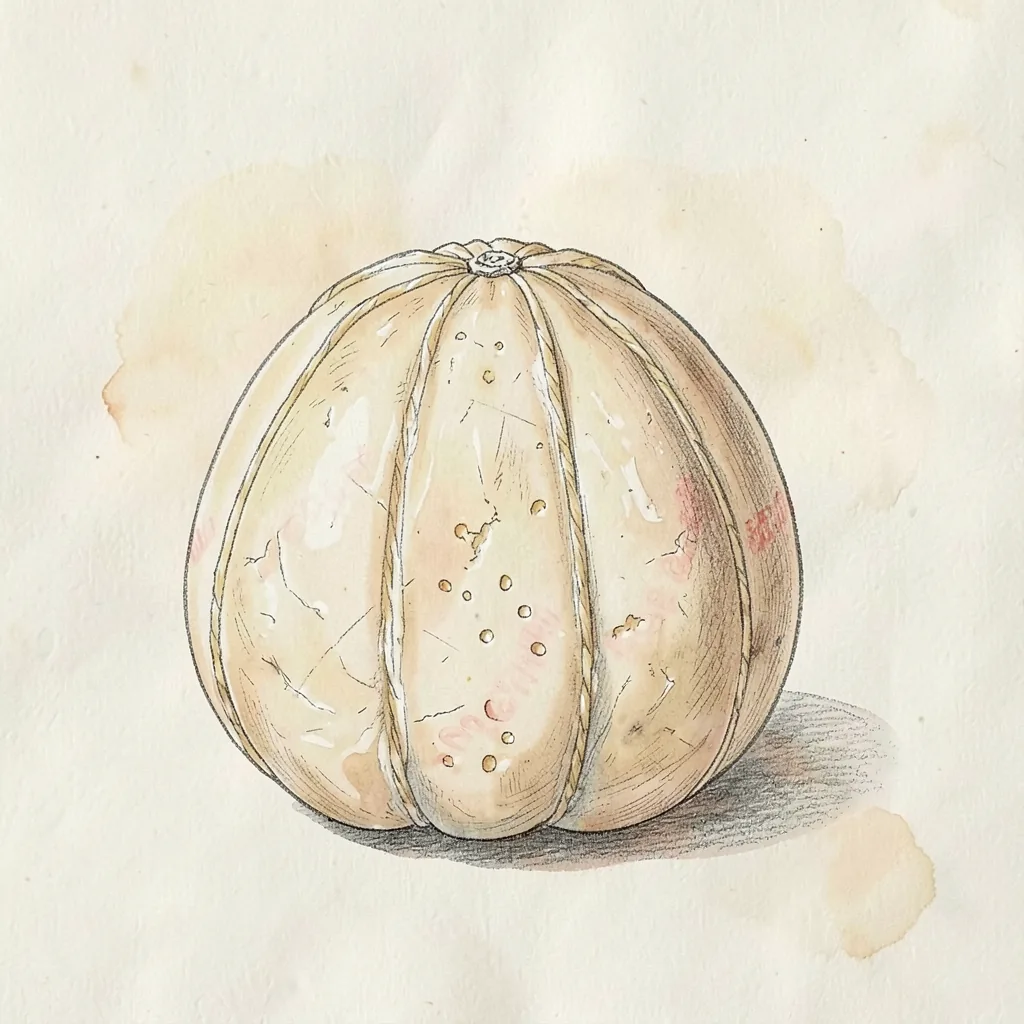
The blocks are often hung in pairs while they mature, and a rope can leave a slight mark on the rind. The paste is compact, from white to straw colored, with few holes. Flavor starts sweet and milky, then grows fuller and a little piquant. Some blocks are rubbed with olive oil as they age, and some are lightly smoked in a traditional way. It is a kitchen cheese and a table cheese, so you can slice a younger piece or grate an older one.
History
Ragusano is an old cheese of Sicily, made from whole cow's milk in the southeast of the island. The name points to Ragusa, and the protected name covers that cheese rather than every stretched-curd block in Italy. For a long time people also grouped it with caciocavallo, because of the shape and the way the blocks were hung. The name now stands on its own. Makers still describe the ripening rooms where the blocks hang astride a beam, and that picture remains part of the cheese.
The cheese stayed tied to local pasture, and the cows eat the forage of that part of Sicily. Production remains a craft of hot water and hand stretching, even when the dairy is larger than one farm. Aging may be shorter for a table cheese or longer for a grating cheese, and the name allows both. Smoke is optional, and it has to be done in a traditional way if it is used. The block you buy is still cow's milk, stretched, and rectangular.
How it is made
Whole raw cow's milk is set with lamb or kid rennet, and the curd is cut fine, warmed, and left until it will stretch. Makers then work it in hot water, pulling the paste until it is smooth and elastic. They shape a block with a square section and rounded corners. The cheese is salted in brine, then dried and aged in an airy room. Thin ropes often tie the blocks in pairs so they can hang while they mature.
A shorter aging keeps the paste supple and sweet, while a longer aging dries it, deepens the rind from gold toward brown, and makes it fit for the grater. Olive oil may be rubbed on blocks that will age longer. There is no blue mold and no soft white coat. The interior stays compact, though small cracks can appear with time. Smoking, when it happens, is a light traditional step, not a flavor poured on at the end.
Taste
A younger Ragusano tastes sweet, milky, and mildly salty, with a clean aroma and a firm but yielding bite. The paste is smooth and slightly elastic, so a slice bends before it breaks. As it ages, the flavor turns more savory, with a pleasant piquancy and a longer finish. The rind is thin, and the flavor you want is in the paste. Fat from the whole milk keeps the taste round rather than harsh.
Aged cheese can show a little grain and a stronger savory note, while the paste warms from white toward straw. Smoke, if it is present, should be a light wood note and should not cover the milk. Salt is balanced, not heavy like a brine-packed cheese. The smell is buttery and a bit tangy, and it grows as the block dries. People who know provolone or caciocavallo will recognize the stretched curd family, but this block has its own sweet to savory path.
In the kitchen
Slice a young Ragusano for a board or a sandwich, and grate the older cheese over pasta, vegetables, or a finished soup. The stretched curd also melts, so it can go into a baked dish when you want stretch and a savory edge. Do not use fierce heat, or the fat will pool and the sweet note will dull. A moderate melt keeps the milk flavor. Cubes can sit in a salad if the cheese is not too dry.
Sicilian cooking pairs it with tomatoes, eggplant, olive oil, and plain bread. A few shavings on a warm dish do more than a heavy sauce. If you only have a young block, it will melt and slice, but it will not imitate a long-aged grate. If you only have an older block, use it as a grating cheese and skip a thick sandwich slice. Wrap the cut face so it does not dry, and serve a table piece less cold than the fridge.
Around the world
Outside Italy, Ragusano shows up in shops that carry southern Italian cheeses, sometimes beside caciocavallo and provolone. The rectangular block and the protected name are the clues, not a round pear shape. Buyers who want a cow's milk cheese to slice or to grate will find it useful. It is less common than a fresh stretching cheese eaten the day it is made. Ask for an aged piece if you need the grater, and a younger piece if you need the board.
Caciocavallo is the closest mix-up, because both are stretched cow's milk cheeses that can hang while they age. Provolone can stand in for melting and for a savory slice, though a smoked provolone is sharper and different. Pecorino Romano is a hard grating cheese, but it is sheep's milk and saltier, so it changes the dish. When this Sicilian block is missing, choose another pasta filata cow's milk cheese and match the age to the job. Do not swap in a fresh mozzarella and expect the same savory bite.