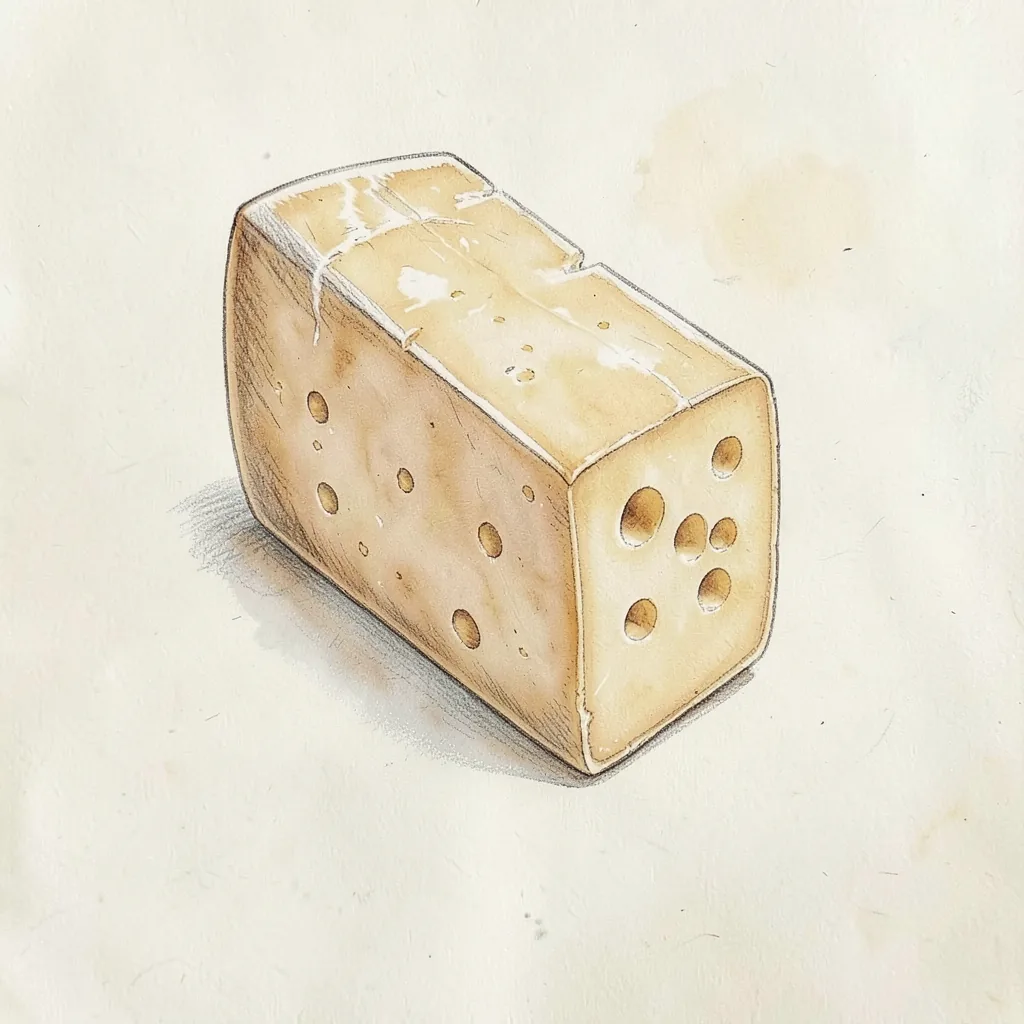
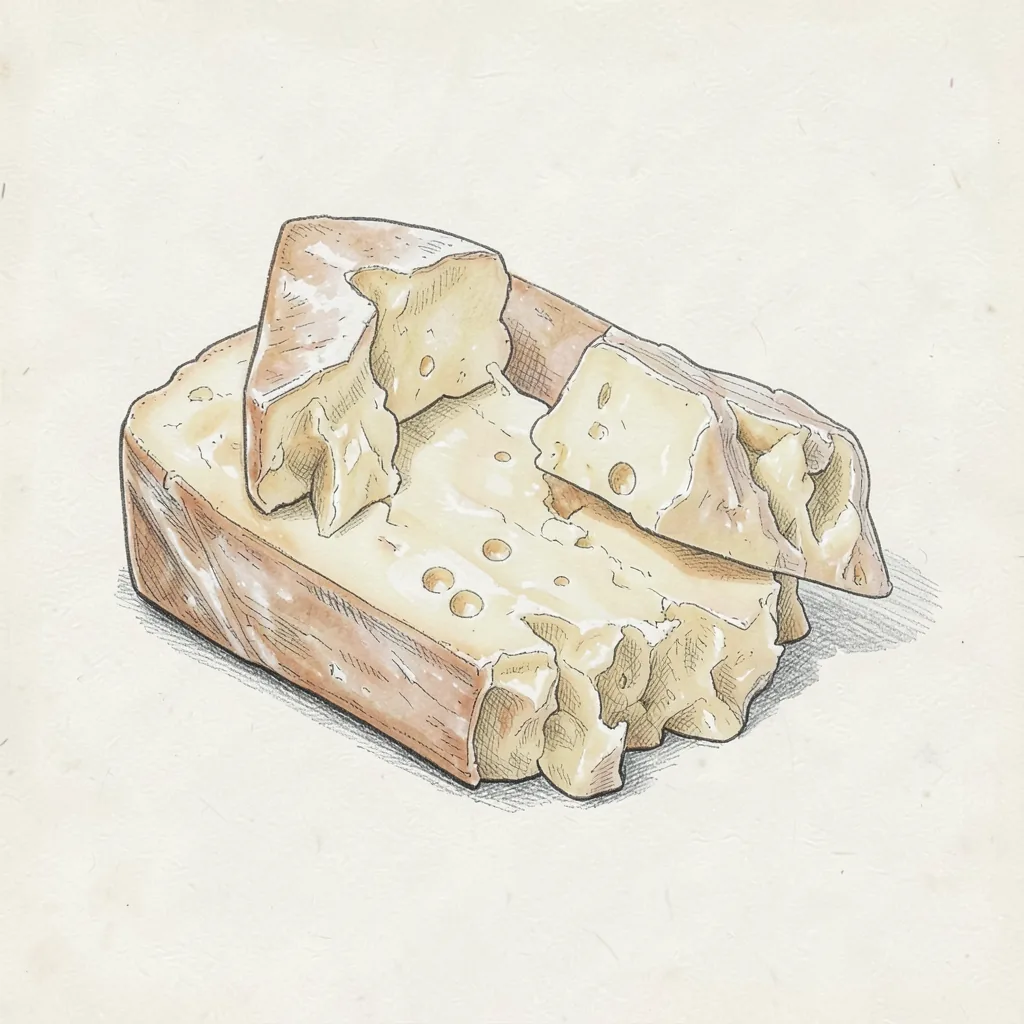
Cow
What it is
The paste is pale cream, and veins of wine run through it in a pink and white marble. Makers often use a red wine, or a mix of port and brandy, so the color sits in the cheese rather than on the rind. A slice is firm enough to hold, and it still breaks with a creamy crumb. It is a board cheese first, with a mild fruit note that stays in the background.
A cut face shows the marble clearly, with soft pink streaks against the ivory paste. The rind is natural and thin, and it is not painted to look red. Young pieces taste mild, creamy, and lightly fruity, while the wine note stays gentle rather than hot. The cheese does not taste like a glass of port, even when port went into the curd. Keep a piece cool, then let it warm a little before serving, because a cold slice hides the fruit.
History
Red Windsor is an English cheese sold across the United Kingdom. It is built on a firm cow's milk curd, then marked with wine so the cut face shows pink streaks. Red wine is a common choice, and a blend of port and brandy is common too. The drink is there for color and for a light fruit taste, not to make the cheese taste of strong drink. The style sits with other firm British cheeses that are made to be sliced for a board.
Shoppers recognize the marble, the pale paste, and the mild fruit more than any single dairy story. Some batches use one wine, and some use a mix, so the pink can be faint or quite clear. The cheese remained a specialty of the British counter rather than a copy of a foreign recipe. A plain firm cheese with a red coat is not the same thing. Buyers still look for the red veins inside the paste when they want fruit as well as cream.
How it is made
Makers start with pasteurized cow's milk and set it with rennet. The curd is cut, stirred, and worked until it is firm enough to hold a shape. Wine goes into the curd so the color stays in streaks instead of turning the whole paste one flat pink. A red wine can do that job, and so can port mixed with brandy. The curd is then salted, filled into moulds, and pressed into a block or a small wheel.
After pressing, the cheese rests until the paste settles and the marble looks even from one face to another. The rind stays natural, without a wax coat and without a brine wash. Some makers use vegetarian rennet, which matters for buyers who skip animal rennet. The finished cheese is semi-hard, creamy, and a little crumbly at the edges. A clean cut shows the pink lines better than a torn piece does.
Taste
The first taste is mild and creamy, with a clean dairy note and a soft fruit edge. Port or red wine leaves a hint of grape, and brandy can add a warm roundness behind it. The cheese is not spicy, and it is not bitter. Salt is present, but it stays in the background so the cream can lead. A crumb on the tongue feels rich, then the fruit fades slowly rather than lingering like a sweet.
Color can fool a buyer into expecting a strong drink in every bite. In the mouth the wine is quiet, and the cheese taste leads from the first chew. A paler marble usually means a lighter fruit note, while a deeper pink can taste a little rounder and sweeter. The texture sits between a smooth slice and a gentle crumble. Serve it cool but not icy, so the aroma can open without the paste turning oily.
In the kitchen
Put Red Windsor on a board with bread, grapes, and a few plain crackers. The fruit in the cheese meets fresh fruit well, and a green salad keeps the plate simple if the dressing stays light. It slices cleanly while it is still cool, then softens as it sits at room temperature. Cubes can go into a salad if you add them at the end so they do not slump into the leaves. A glass of port is a natural partner, though a simple red wine also fits.
Heat is a poor way to show this cheese. The paste can soften in a toasted sandwich or over warm vegetables, but a long bake dulls the fruit and can make the fat separate. Grating is possible, yet the marble is the point, so a slice shows more than a pile of shreds. Wrap the cut face so the wine scent does not dry out overnight. Eat it while the crumb is still moist, which usually means soon after the pack is opened.
Around the world
Outside the United Kingdom, Red Windsor shows up at cheese counters that stock British specialties. It is less common than a plain firm English cheese, so ask ahead if you need it for a board. The label should mention wine or port if you want the real marble, because a red colored cheese is not the same thing. Shipments travel well when they stay cool and sealed. Once cut, keep it wrapped and away from strong foods that take up the mild fruit smell.
Red Leicester is the cheese people mix up with it, because both are English and both look warm in color. Red Leicester gets its color from annatto, and it has no wine in the paste. Wensleydale can stand in when you want a crumbly English slice with fruit, but it will not show pink veins. If the shop has neither, a mild firm cow's milk cheese will cover the board. The grape note, though, will be missing, so the plate will taste plainer.