Cow
What it is
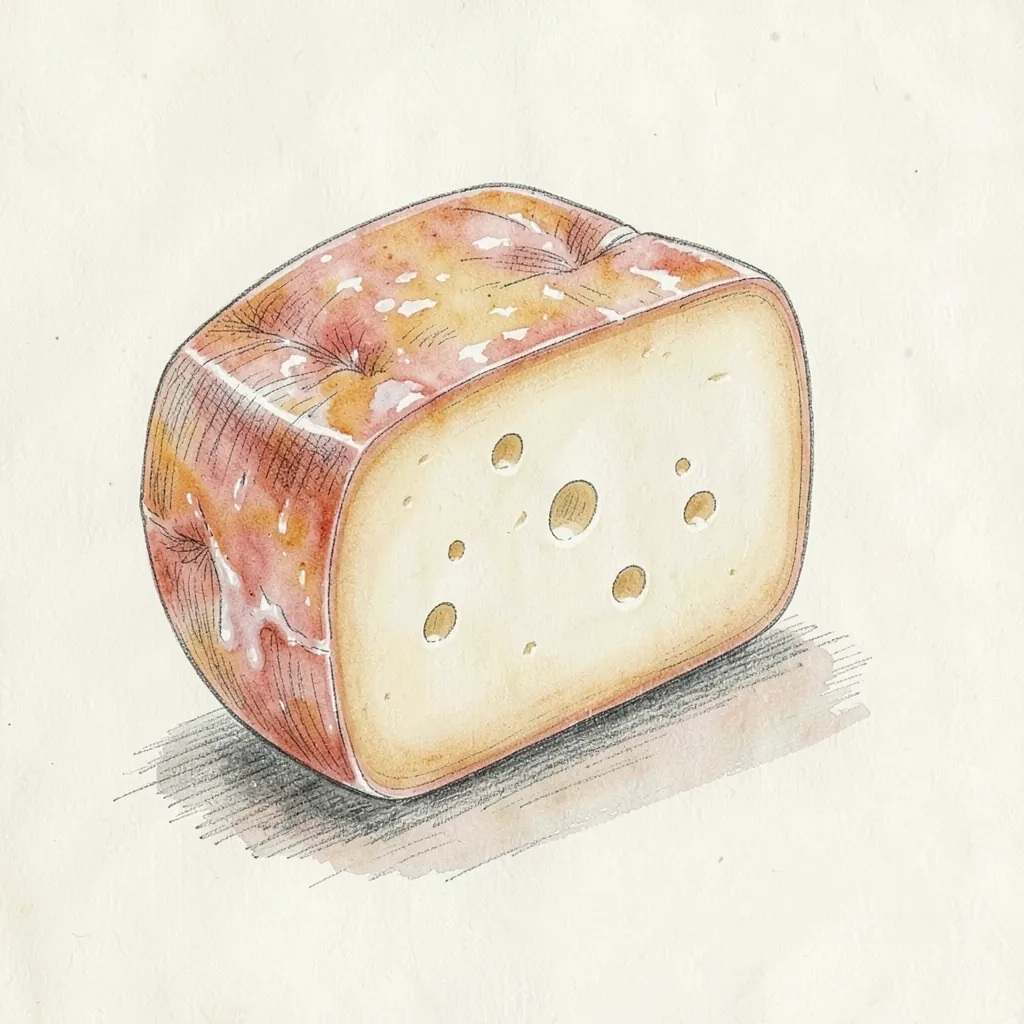
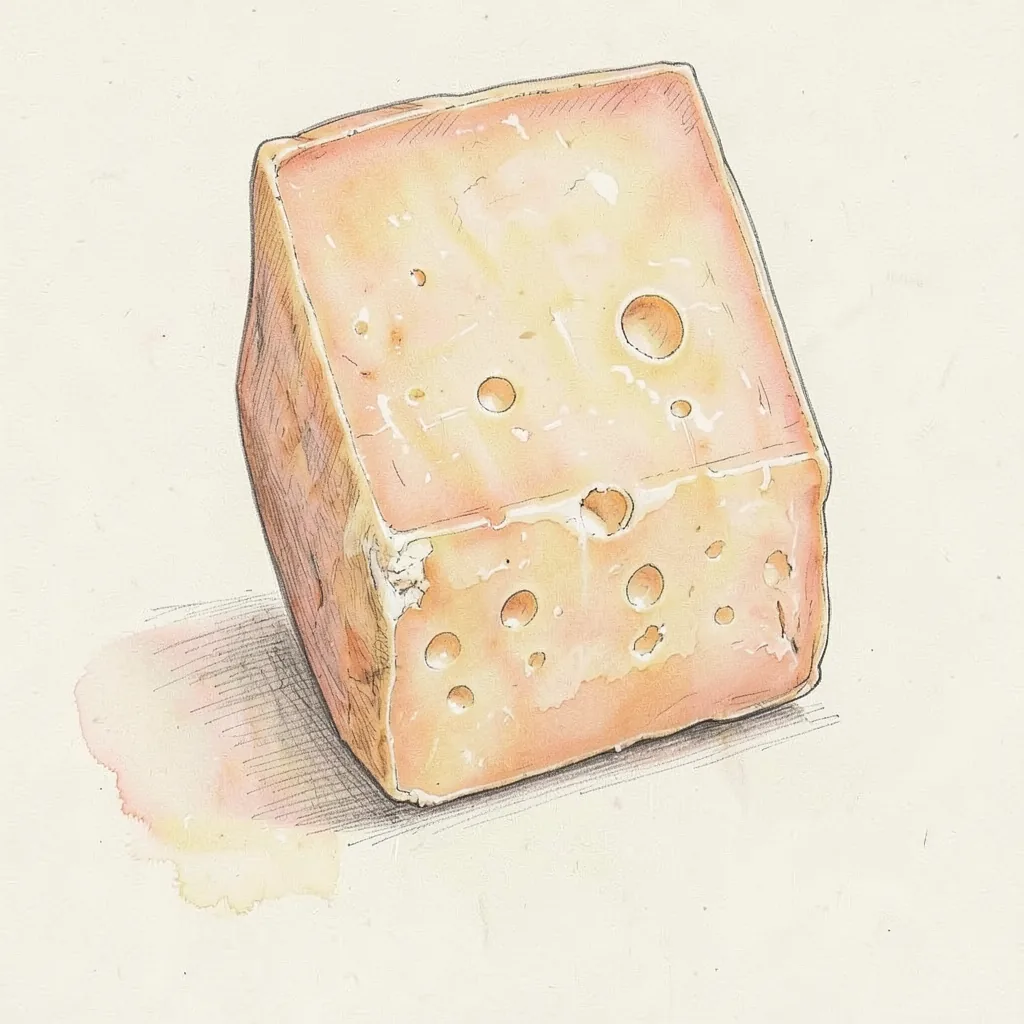
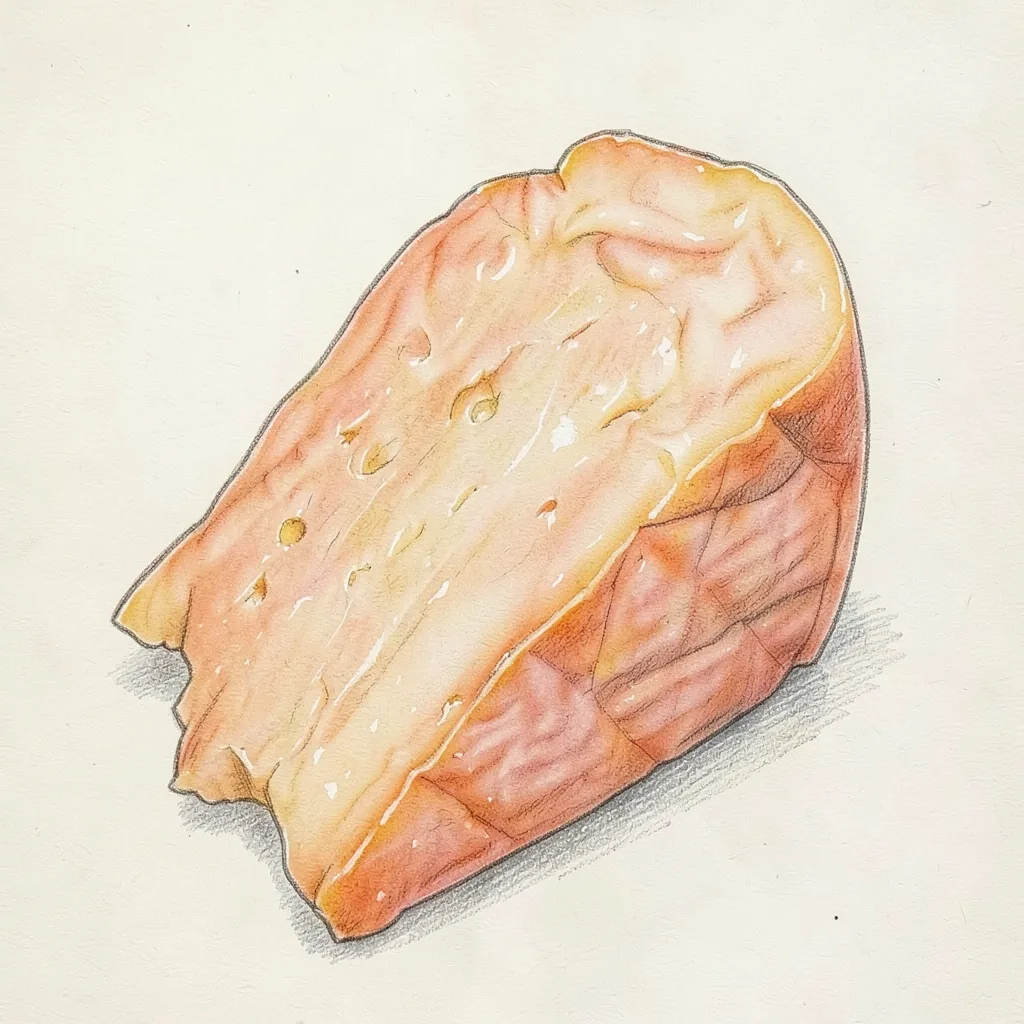
It is a washed-rind cheese, usually sold in small blocks, with a moist orange-pink surface and a supple ivory paste. The name is linked to a second milking, which gave richer milk than the first draw. Regular washing during aging builds a strong smell and a spicy, savory taste. A milk wash can keep a cheese milder, while a salt wash pushes it sharper.
People often group Remoudou with Herve cheese, and the alias Fromage de Herve is still heard. The paste is creamy and lightly open, not chalky or hard. The rind is part of the character, sticky, and aromatic. This is a cheese for people who like a pungent washed rind, not a quiet bloomy round. Serve it warm enough that the smell and the salt can both be tasted.
History
Remoudou comes from the Land of Herve, a dairying district in eastern Belgium long known for pungent washed-rind cheese. The local account of the name points to re-milking, when a later draw of milk was richer and suited to this cheese. Makers treated the strong pieces as a form of Herve cheese, and merchants carried them to fairs far from home. It was once called angelot and offered as a gift. The style remains a regional specialty rather than a mild factory block.
The Land of Herve gave the cheese its pasture, its washing habit, and its reputation for smell. Households and small dairies kept the method while larger trade moved wheels and blocks outward. A milder cheese and a sharper cheese could come from related recipes, so buyers learned to ask how the rind had been washed. That split still matters in the shop. The name Remoudou signals the forceful end of the local family more often than the gentle one.
How it is made
Cow's milk is set, the curd is cut and drained, and the young cheese is shaped into blocks. Aging takes place in a humid room, where the surface would dry out if it were left alone. The rind is washed again and again. Brine is used when a strong cheese is wanted, and milk is sometimes used when a gentler cheese is wanted. Each wash feeds the surface life and deepens the aroma while the interior stays soft.
The block is turned so the wash reaches every face. A longer stay in the cellar makes the smell bigger and the taste more piercing. The paste should remain moist, with only a few small openings, and the rind turns a pink to brick tone. There is no blue veining and no white bloomy coat. When the affineur is satisfied, the cheese is wrapped and sold in pieces or as a small whole block.
Taste
Expect a forceful smell before you taste the paste. The flavor is salty, spicy, and meaty, with a tang that grows as the cheese ages. The center is milder than the rind, creamy, and a little elastic. A piece washed with milk can be surprisingly gentle for this family. A well-finished piece is among the stronger cheeses of the Land of Herve, and it is a poor match for someone who wants only butter and fresh milk.
The rind can taste more bitter than the center, which is normal for a washed cheese of this strength. The paste should not be dry, hollow, or sharply ammoniated. Salt is clear, but a good piece also has a savory depth that lingers. At room temperature the aroma opens and the texture softens. Taste a small piece of paste and rind together, then decide whether you want more rind in the next bite.
In the kitchen
Serve Remoudou on bread or a plain cracker, and give it space so the smell does not cover every other cheese on the board. Dark ale is a common partner in Belgium, and it stands up to the salt and the rind. The cheese can be melted onto potatoes or stirred into a sauce near the end of cooking, where a small piece seasons the pot. Cut away only a very dry edge if you dislike bitterness. Keep the rest of the rind, because it carries much of the taste.
Do not cook it for a long time on high heat, or the smell will dominate and the fat will separate. A short melt is enough. On a board, pair it with plain bread, a firm apple, or a few nuts, and skip very delicate fresh cheeses beside it. Wrap leftovers tightly, because the aroma travels in a refrigerator. Bring the piece back to room temperature before the next serving so the paste is supple again.
Around the world
Outside Belgium, Remoudou appears at shops that stock European washed-rind cheeses, often beside other cheeses from the Land of Herve. Ask for the stronger piece if you want the full spicy character, and the milder piece if the smell worries you. A label that only says Herve may be a related cheese, so check the strength before you cook with it. The block shape and the moist pink rind are useful clues. A dry, pale piece has likely been kept too long or badly wrapped.
Limburger is the closest widely known substitute, with a similar washed rind and a soft, pungent paste. Munster from France is another neighbor, though its flavor is not the same and its format often differs. Maroilles can also stand in when you need a strong northern cheese for potatoes or bread. None of these copies the exact Herve character. If the shop can order Remoudou, wait for it when the recipe depends on that spicy rind.