Cow
What it is
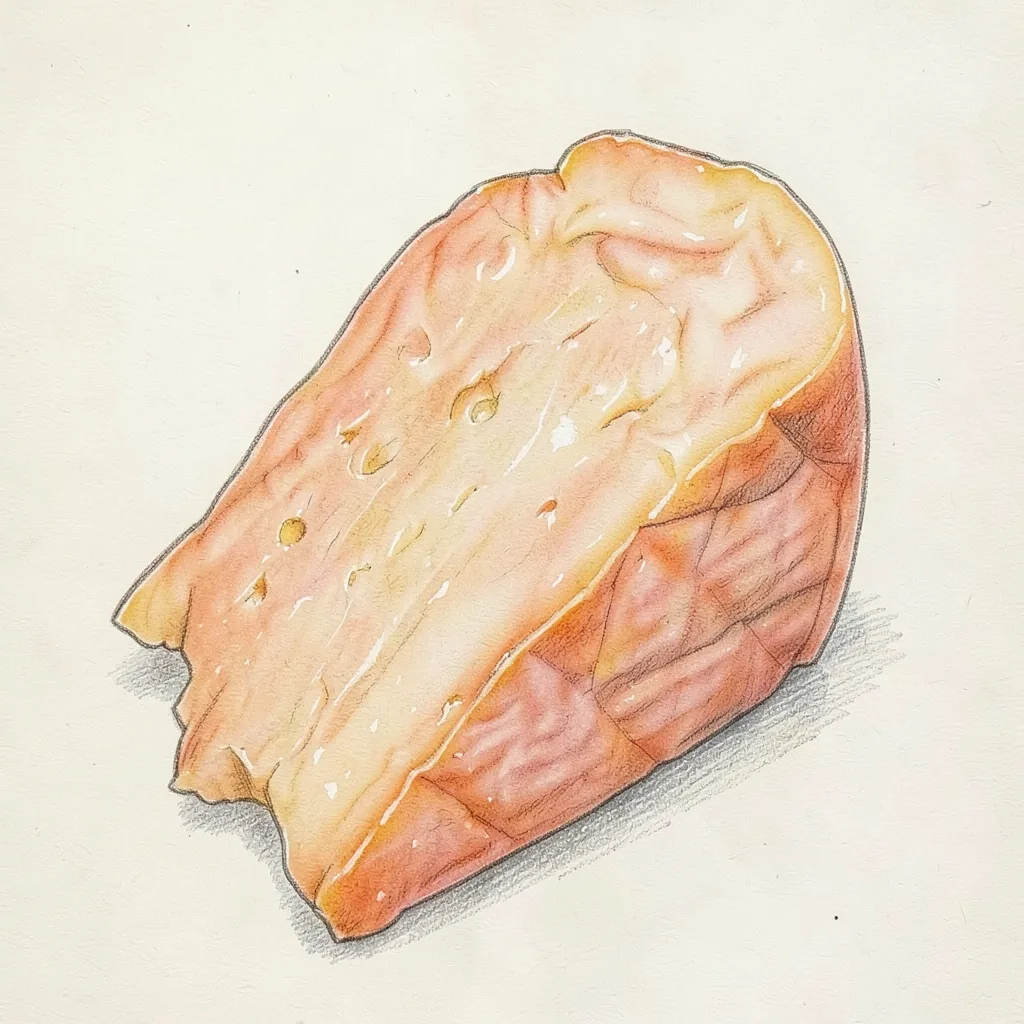
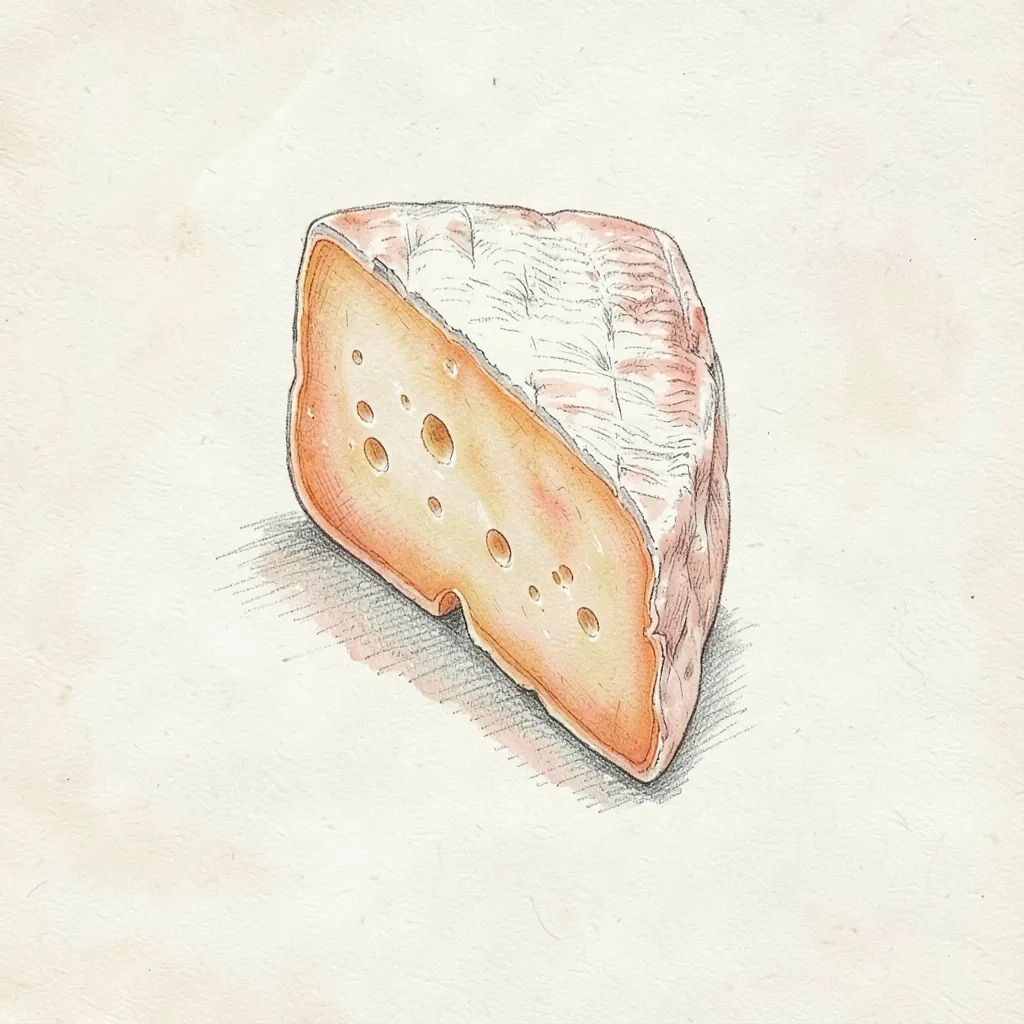
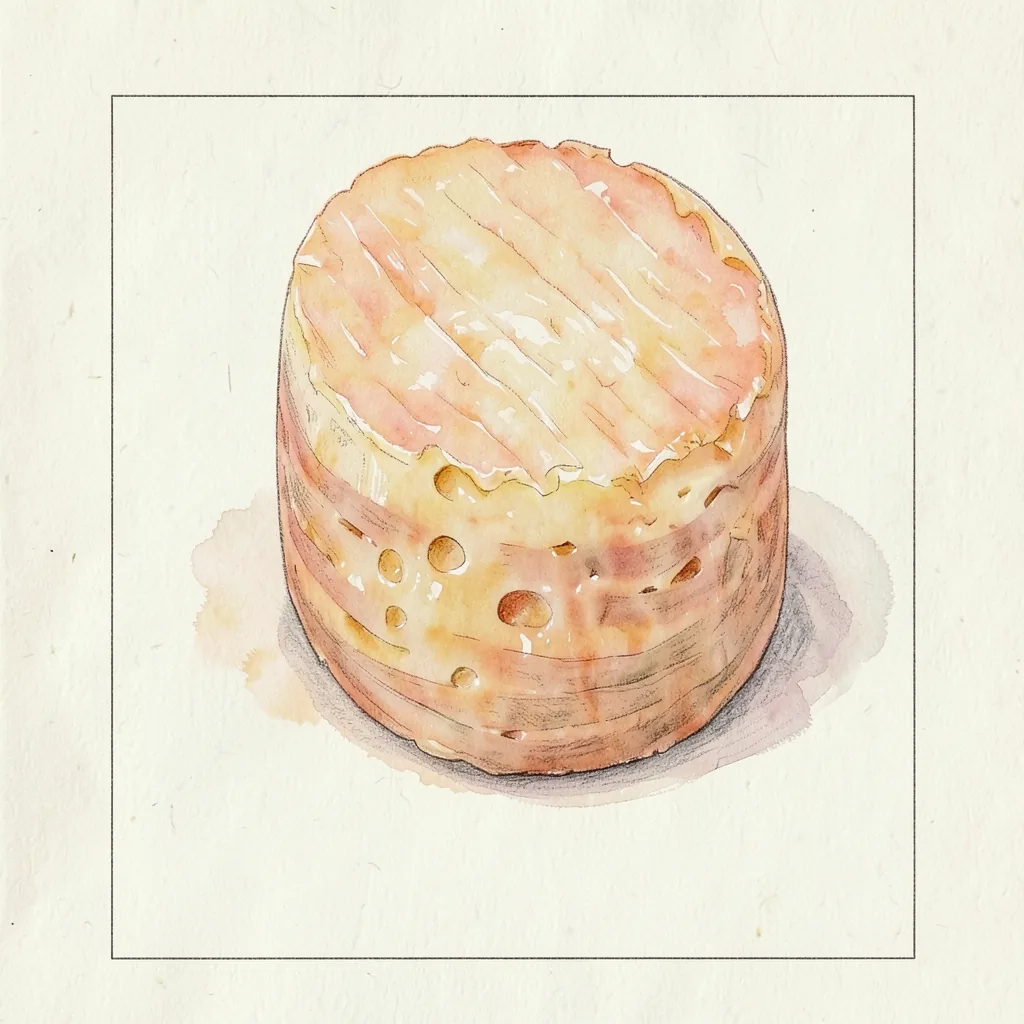
It is sold as a square or rectangular block with a moist orange-red rind. That rind is washed while the cheese ages, which builds a strong smell well before the first taste. The paste is soft, pale, and savory, with a supple body that slices when fairly young and slumps a little when ripe. In the north it is both a board cheese and a cooking cheese.
You will notice the aroma first, and it can suggest a damp cellar, yeast, and a barnyard. The flavor is milder than that smell, with salt, cream, and a meaty savor that lingers on the palate. A ripe piece feels rich on the tongue rather than chalky or dry. Farmhouse batches may use unpasteurized cow's milk, while many creamery batches are pasteurized, and both belong to the same style. The square shape and the red rind are the signs to look for on a shop label.
History
Maroilles took its identity in northern France, where Picardy and Nord-Pas-de-Calais share a taste for strong washed-rind cheese. Square blocks with a brick-red coat became the form buyers expect, and the name stayed tied to that northern country. It is a regional staple rather than a mild national brand. Farm dairies and larger creameries both make it, which explains why one wedge can be fiercer than another. The cheese kept its cellar smell through that spread from farm to creamery.
The name is also spelled Marolles, and both spellings refer to the same cow's milk cheese. Cooks in the north fold it into tarts and potato dishes, so the story is as much a kitchen story as a dairy story. It never became a bland melting block made only for export. Visitors meet it in local markets and in French shops that carry pungent washed rinds. Outside that trade, the cheese is less famous than Brie, which makes a true Maroilles worth reading the label for.
How it is made
Cow's milk is curdled, and the curds drain in square molds before the blocks are salted. The young cheeses dry until a light coat of surface growth appears. Makers then brush and wash them at intervals so the rind moves from pale yellow toward orange-red. White surface mold is held back so the red rind culture can dominate, and the interior stays soft. A longer cellar rest deepens the smell and the savor without turning the block into a hard grater.
Washing is the step that defines the cheese, and a brine or a cultured wash is brushed over the faces on a steady rhythm. Each wash feeds the rind and keeps the block moist while it rests. The paste is not cooked hard, not pressed into a dense wheel, and not pierced for blue mold. Pasteurized cow's milk is common in industrial batches, and raw cow's milk still appears in farm batches. When the rind is evenly red and slightly sticky, the square cheese is ready for sale.
Taste
The smell of Maroilles is powerful, and newcomers often hesitate before the first bite. Taste then shows salt, warm milk, and a savory depth that can suggest broth or toasted nuts under the funk. The paste is creamy and soft, with a moist grain rather than a rubbery chew. A thick rind carries more of the aroma than the center does. Eat a bit of paste alone, then a bit with rind, if you want to learn where the strength sits.
Younger blocks are milder and hold a cleaner slice on the board. Riper blocks smell stronger and taste rounder, with a finish that stays salty but not harsh when the washing was regular. Bitterness is a fault, not a goal, and a sting of ammonia means the piece has gone too far. The cheese should still be moist at the core. Compared with a bloomy white cheese, Maroilles is meatier, and compared with a hard cow's milk cheese, it is far softer and more aromatic.
In the kitchen
Let Maroilles warm before you serve it, so the paste softens and the smell opens in a controlled way. Bread, boiled potatoes, and a sharp green salad are the simple plate. In northern France, flamiche au Maroilles bakes the cheese into a tart, often with leeks or cream, and the heat tames the rind. The cheese also melts over potatoes and into sauces where a savory note is wanted. Do not try to grate it, because the right use is a soft salty melt.
Cut the rind away for guests who want the creamy paste without the strongest aroma, and leave it on when you bake, since the flavor mellows. A little goes far in a sauce, so taste before you add any more salt. Beer is a common local partner, and cider works too, because both can stand up to the savor. On a board, keep some distance between Maroilles and very mild cheeses so the smell does not take over. Wrap the cut face well, or the aroma will fill the refrigerator.
Around the world
Outside France, Maroilles is scarcer than Brie or Camembert, and many shops group it with other washed-rind cheeses. Munster, Livarot, Pont-l'Eveque, and Epoisses are the usual neighbors on that shelf. Maroilles is the square one, and its smell is often stronger than a young bloomy cheese of the same size. Northern French cooking has the clearest recipes for it, especially tarts and potato dishes. If a shop has only Munster, that is the closest everyday swap for a melted dish.
Belgian tables near the French border also have room for a pungent cow's milk cheese with beer and potatoes. Farther away, buyers should expect a strong smell and should not judge the cheese by aroma alone. Import wedges are often smaller than a full square, but the red rind and the soft paste still identify them. It is a poor match for a mild sandwich. Read it as a northern French washed-rind cheese, and serve it to people who already like that family.