Cow
What it is
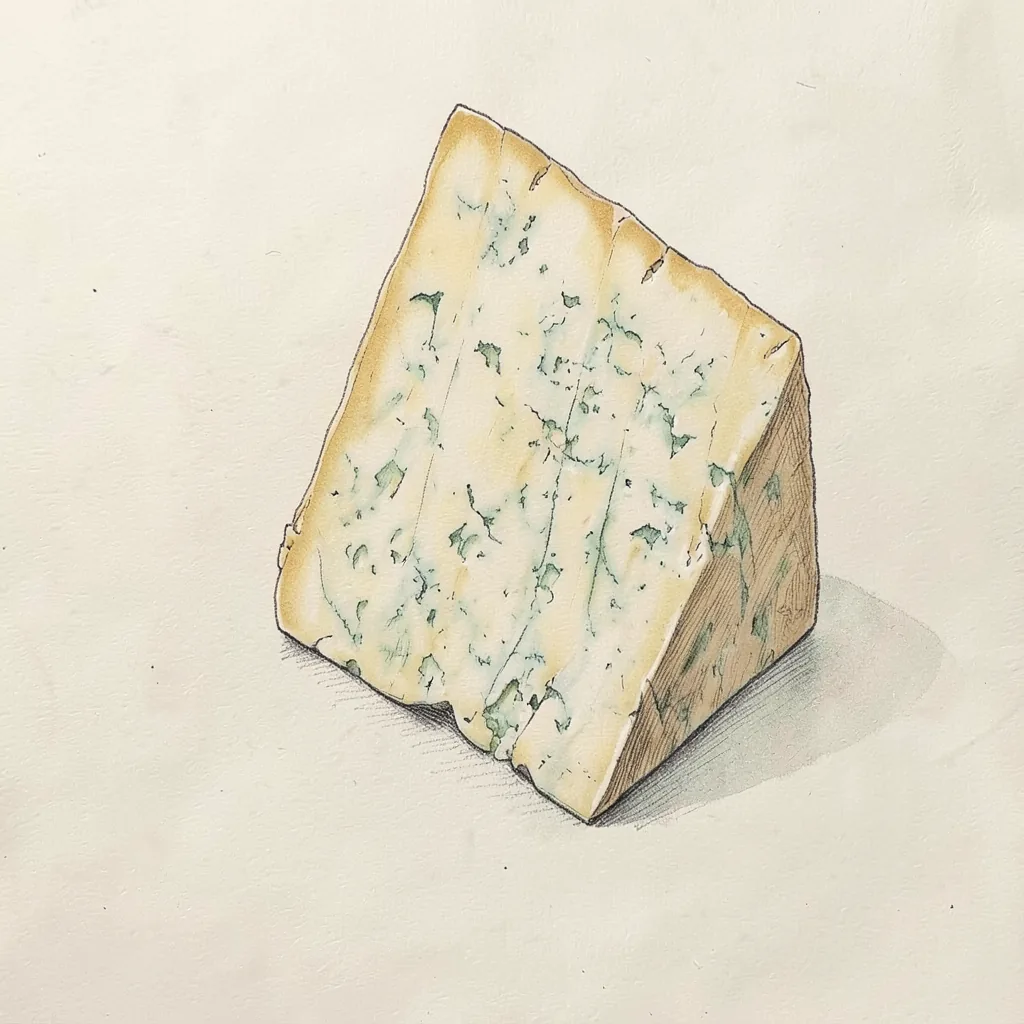
It is soft, blue veined, and washed on the rind, so it does not sit neatly in one old British category. The paste can turn creamy and even spoonable as it ripens. Ale is used to wash the rind, which adds a savory tang beside the blue. The smell is strong, and the cheese is meant for people who like pungent washed rinds as well as mold veins.
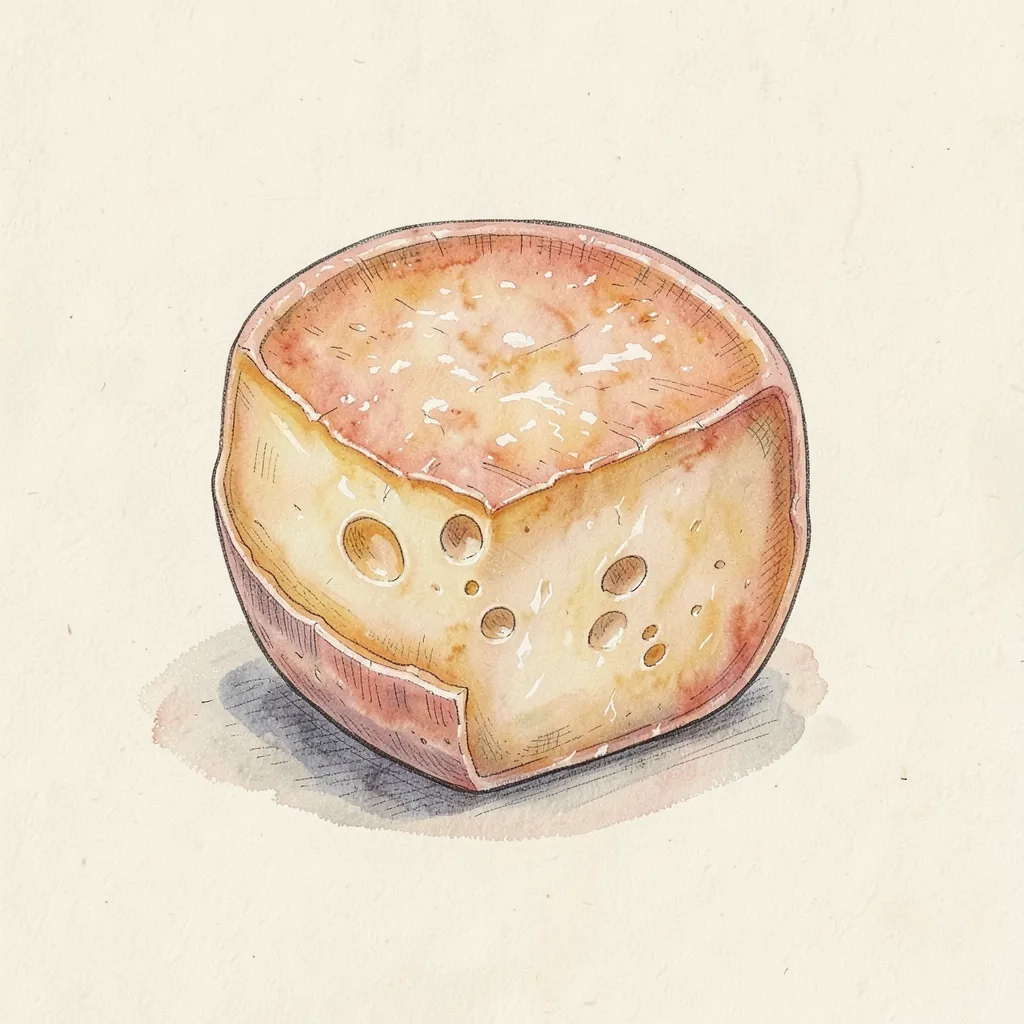
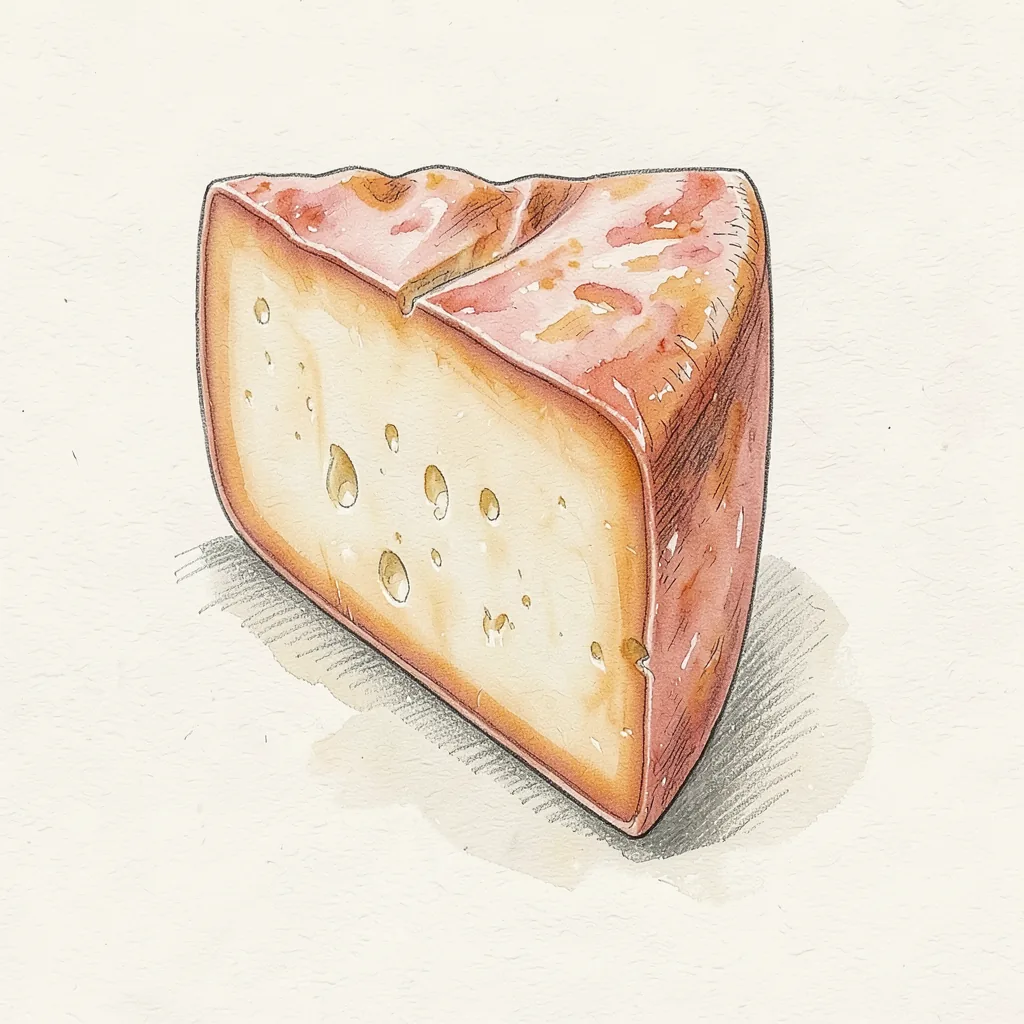
The milk is pasteurised, and the cheese is sold as a small soft cheese rather than as a tall firm truckle. A firmer piece has a darker rind and a milder interior, while a very soft piece smells louder and can slump. That range is normal, and both states can be ripe. It is not a mild supermarket blue, and it is not a plain white bloomy disk. Think of a hybrid for the board, eaten in modest amounts.
History
Renegade Monk is a recent English artisan cheese, not a revival of one county recipe. The public account describes organic cow's milk, a soft body, blue veins, and a rind washed in ale. The name signals a break with a single tradition. Washed rinds and blue molds are both old ideas in Europe, and this cheese puts them in one paste. No ancient village claim is attached to the name, and the country on the card is the United Kingdom.
British counters are known for territorial blues such as Stilton, and for a smaller group of washed rind cheeses. This cheese borrows from both habits, and from soft continental styles, without copying one famous wheel. The ale wash is the detail that separates it from a standard blue truckle. Awards in British competitions brought it to more buyers, but it remains an artisan product rather than a national standard. You learn it by the smell and the soft paste, not by a parish boundary.
How it is made
Organic cow's milk is pasteurised, set with rennet, and handled as a soft cheese rather than as a pressed block. Blue mold is part of the make, so veins appear in the paste and not only on the surface. During ripening, the rind is washed with ale, which encourages an orange, aromatic coat. The cheese is turned and tended while it softens, and it is not pressed hard or sealed under wax. Salt and cultures complete the basic set of ingredients.
The goal of ripening is a supple or even flowing paste, not a dry crumble for the grater. The rind looks paler when the cheese is very soft, and darker when the paste is firmer. Both conditions can be ready to eat. The ale does not turn the cheese into a drink, but it leaves a tang in the rind. Vegetarian rennet is used in the cheese as sold, and milk, salt, cultures, and ale are the core of what you taste.
Taste
The flavor joins a blue bite with the savory, slightly funky taste of an ale-washed rind. Cream comes with it, and the paste can be rich enough to coat a knife. At the soft stage the center is pungent and sharp, even though the milk is cow's milk. A firmer piece is milder inside, with the stronger notes pushed toward the rind. Salt supports the aroma, and this is not a sweet blue or a timid one.
Smell arrives before taste, and people notice the washed rind first, then the blue. The finish is long and savory, with the ale tang still readable. A very ripe piece goes far on bread, and more can overwhelm a mild plate. The texture moves from spreadable cream to a soft slice, with no hard grain and no wax. Anyone who wants only a gentle Stilton note should pick a milder English blue.
In the kitchen
Serve it on a board in small wedges, with bread sturdy enough for a soft pungent cheese. It can be spread when ripe, which is the easiest way to use a piece that wants to slump. Gentle heat can melt it into a sauce or over potatoes, but the smell will fill a kitchen. Honey, pear, or a plain cracker gives the funk a counterweight. Keep portions modest for guests who are new to washed rinds and strong blues.
A recipe that asks for Stilton will not get the same result, because this cheese is softer and marked by ale. Use it where a washed rind makes sense and a little blue is welcome. It can enrich a tart if you add it late and do not boil it hard. A cold salad is a weaker match unless the piece is firmer and you use only crumbs. The best role is still the board and the spread, with bread doing most of the work.
Around the world
Renegade Monk is an English artisan cheese, and it travels through specialist shops more than through ordinary grocery chains. Outside Britain, buyers who know Stilton may expect a firmer truckle, and this cheese will surprise them. In aroma it sits closer to continental washed rind cheeses, while the veins keep it in the blue group. Lists file it under the United Kingdom, without a narrower region on the card. Ask a cheese seller rather than assuming a supermarket case will have it.
Cooks abroad can substitute only with care, and no single famous cheese copies the hybrid. Stilton covers the vein but not the ale-washed rind, while Epoisses or Stinking Bishop covers the pungency but not the blue. That gap is why a direct swap changes the plate. If you find it, serve it as its own cheese, soft and strong and made from cow's milk. It is a normal shop cheese, and it still asks for a willing nose.