Cow
What it is
It is a herb version of Derby, a mild pressed cheese with a smooth body. Sage leaves, or a sage extract with a green color from spinach or a similar plant, go into the curd. The paste shows pale green marbling against a light yellow ground. The flavor stays mild, with butter and a quiet herb note rather than a sharp bite.
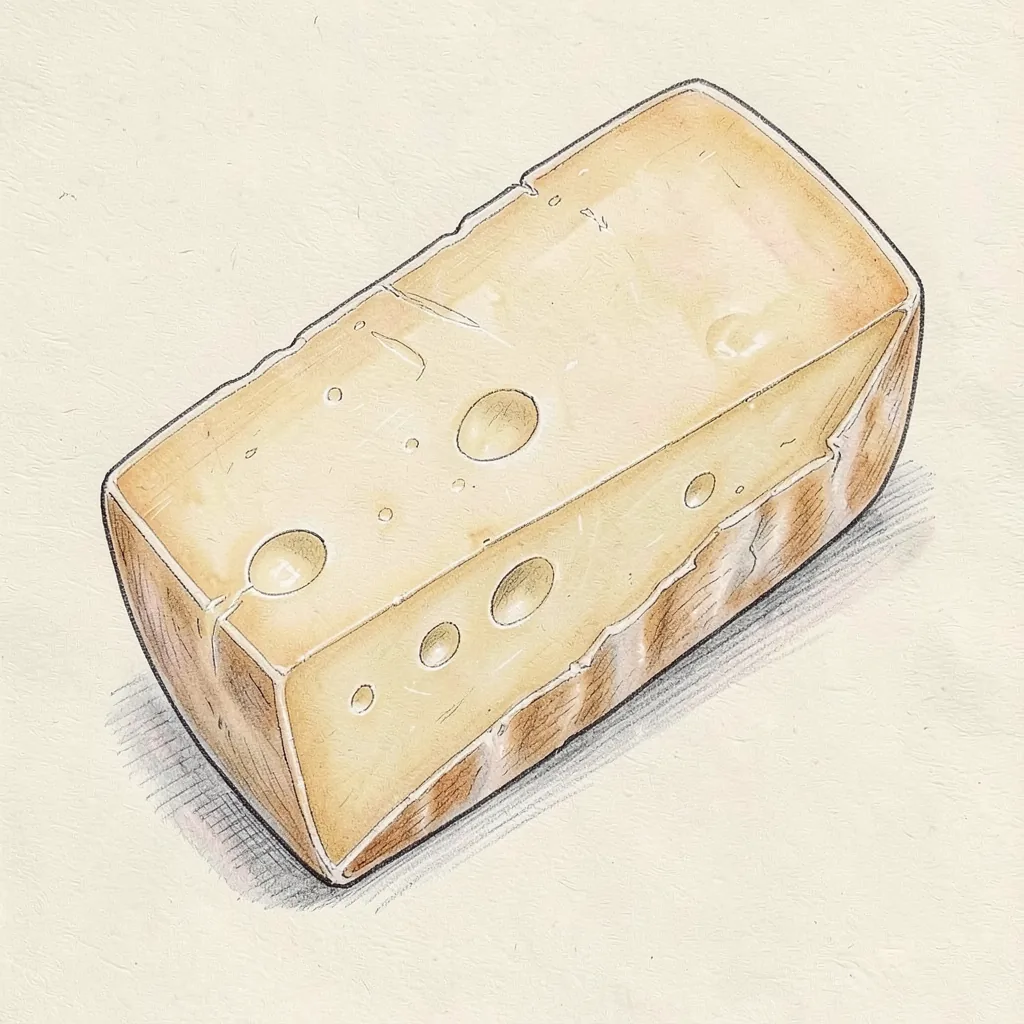
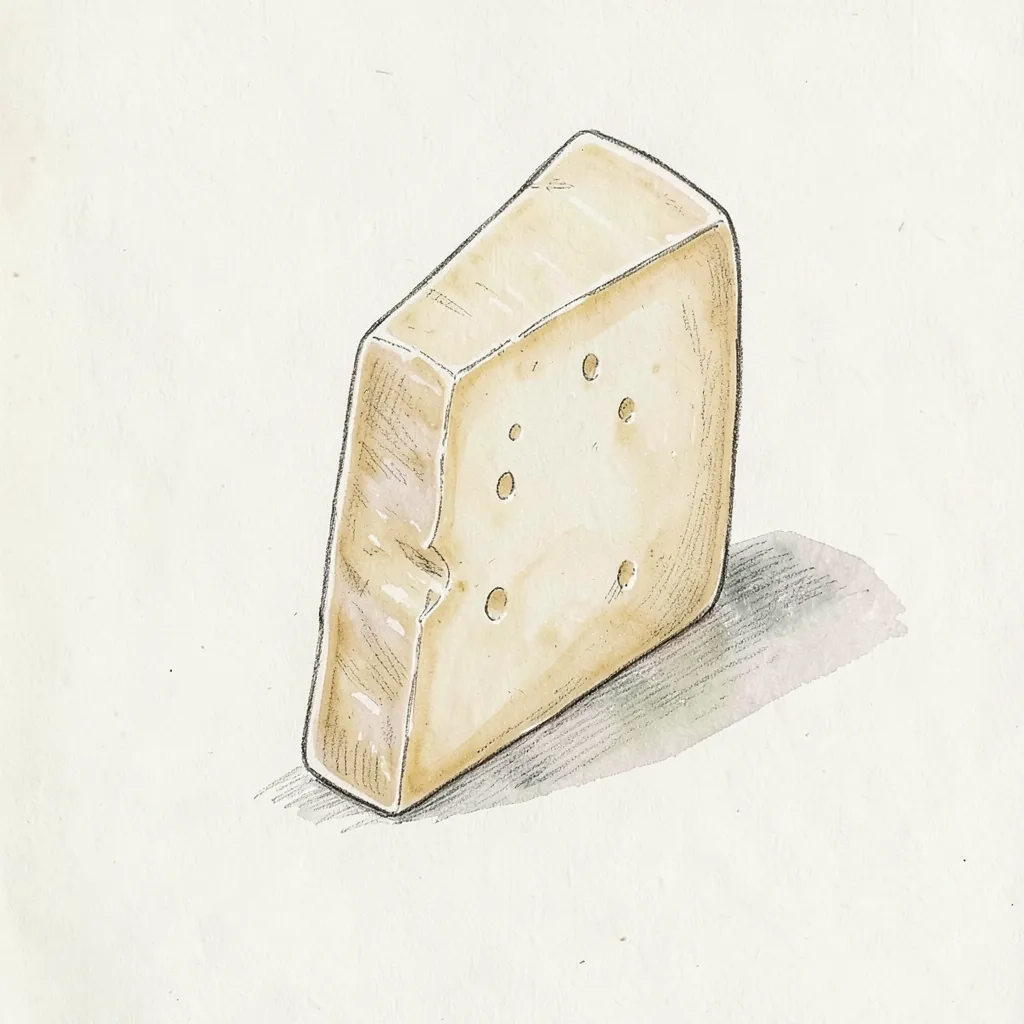
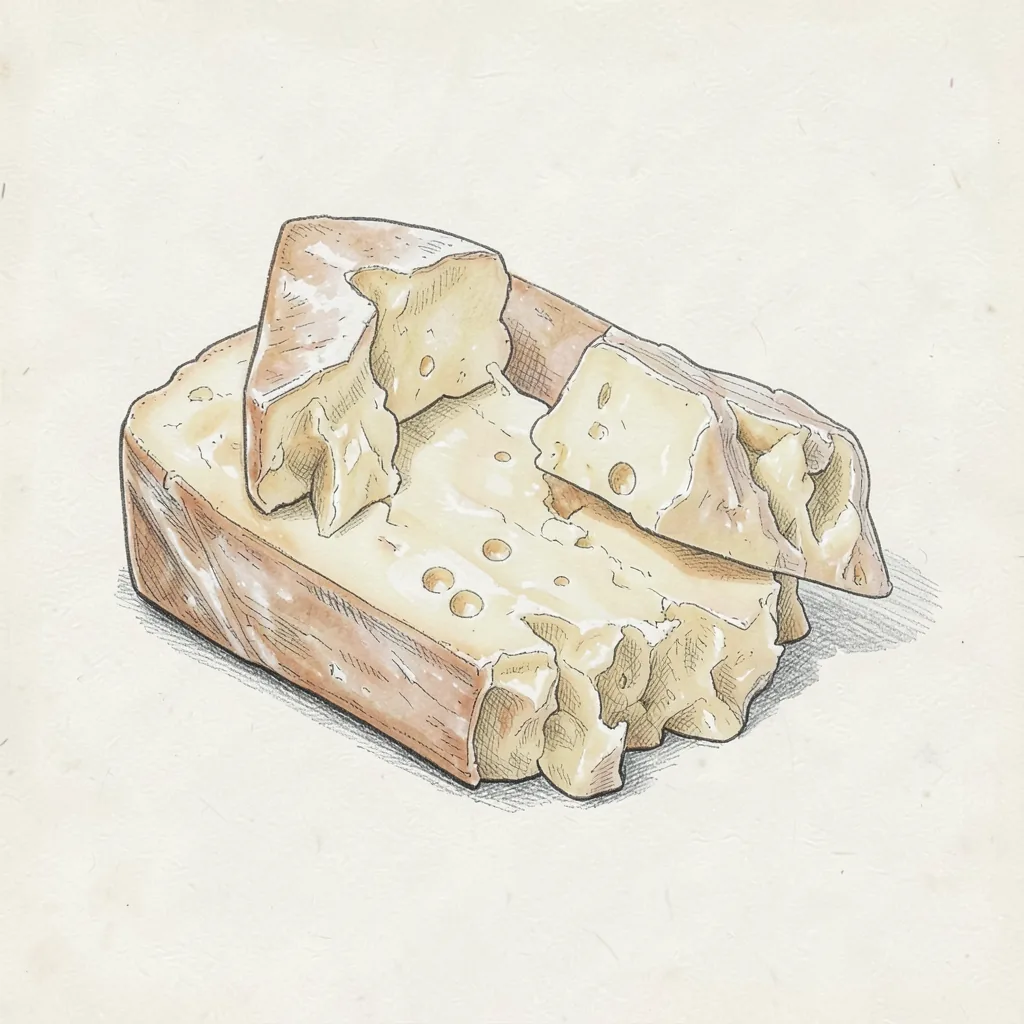
A young wheel is soft enough to slice cleanly and mild enough for people who avoid strong cheese. The green veins are the easy way to tell it from plain Derby on a board. Many pieces leave the dairy with a wax coat, which keeps the paste moist. It is a table cheese and a cooking cheese, not a grating hard cheese that you keep for a long age. Fruit, bread, and plain poultry all sit well beside it.
History
Sage Derby grew out of ordinary Derby, a farmhouse cheese of the United Kingdom that was sold younger and milder than many other British hard cheeses. Makers colored and flavored some of that curd with sage when they wanted a cheese for a feast. Harvest and Christmas were the usual times, so the green cheese was special rather than everyday. The same recipe is now made through the year and sold in ordinary shops. The herb idea stayed, even when dairies grew larger than a single farm.
The green color is not always from whole sage leaves. Some makers mix bruised sage into the curd before pressing, and the leaves leave both color and taste. Others color a portion of curd with spinach, parsley, or marigold, then add a sage extract so the flavor is still sage. Both paths give the marbled look buyers expect. Plain Derby, with no herb and no green curd, remains a separate cheese under its own name.
How it is made
Cow's milk is warmed, cultured, and set with rennet. The curd is cut and the whey drains away, much as it does for other pressed British cheeses. Sage is added before the curd goes into the mold, either as leaves or as a green portion mixed through the pale curd. Salt is worked in, and the mass is pressed into a wheel or a block. The press is firm enough to close the paste, but the cheese stays moister than a long-aged hard cheese.
After pressing, the cheese rests until the flavor settles and the body firms. A short ripening keeps it mild and supple. A longer keep makes the paste a little drier and the taste a little fuller, still with sage in the background. Many makers finish the outside with wax so the rind does not dry out in the shop. Nothing blue or washed is part of the make, so the aroma stays clean and herbal.
Taste
The first taste is mild milk and butter, then a soft sage note that should not taste like dried stuffing herbs. Salt is moderate. The green parts and the yellow parts are close in flavor, with the green a little more herbal. The paste is smooth, slightly open, and springy rather than crumbly or chalky. A cold slice tastes quieter, so let it warm a little before you judge it.
Age changes the cheese only gently. A younger piece is milky and the sage is faint, while an older piece is nuttier, a bit firmer, and the herb sits further forward. It does not become fierce. The wax, if it is present, is not for eating, and the surface under it should not smell sour or ammoniated. If the sage tastes bitter or dusty, the piece is past its best.
In the kitchen
Sage Derby melts smoothly, so it works in a cheese sauce, a pasta bake, or a slice on toast. The herb note suits chicken, turkey, pork, and roasted squash better than a very spicy dish. Grate it or cut thin slices so it melts evenly. On a board it pairs with pears, apples, and a plain cracker or a piece of bread. Keep other strong flavors light, or the sage disappears.
Use it where you might use a mild English cheese and want a little herb without adding dried sage from a jar. It is pleasant in a scone dough, a potato gratin, or a simple omelet. It does not stretch into strings, and it will oil if you heat it hard for a long time. Wrap the cut face and keep it cold. Bring a board portion out of the fridge before serving so the butter and sage both show.
Around the world
Sage Derby is easiest to find in the United Kingdom, where it sits with other traditional English cheeses. Specialty shops and British grocers abroad sometimes carry a waxed wedge. If a label only says Derby, check for green marbling before you buy it for the herb taste. A plain wedge is still good cheese, but it will not taste of sage. Outside Britain, ask for it by the full name so it is not swapped for a white mild cheese.
Plain Derby is the closest substitute when the green cheese is missing, and you can add a pinch of fresh sage in a cooked dish. A mild cheddar will melt in the same places, though it is usually sharper and has no herb. Wensleydale is another gentle British cheese for a board, but fruit versions of it taste sweet rather than savory. None of those copies the marbled look. For a sauce or a toasted sandwich, cheddar is the practical stand-in, and Derby is the better match on flavor.