Cow
What it is
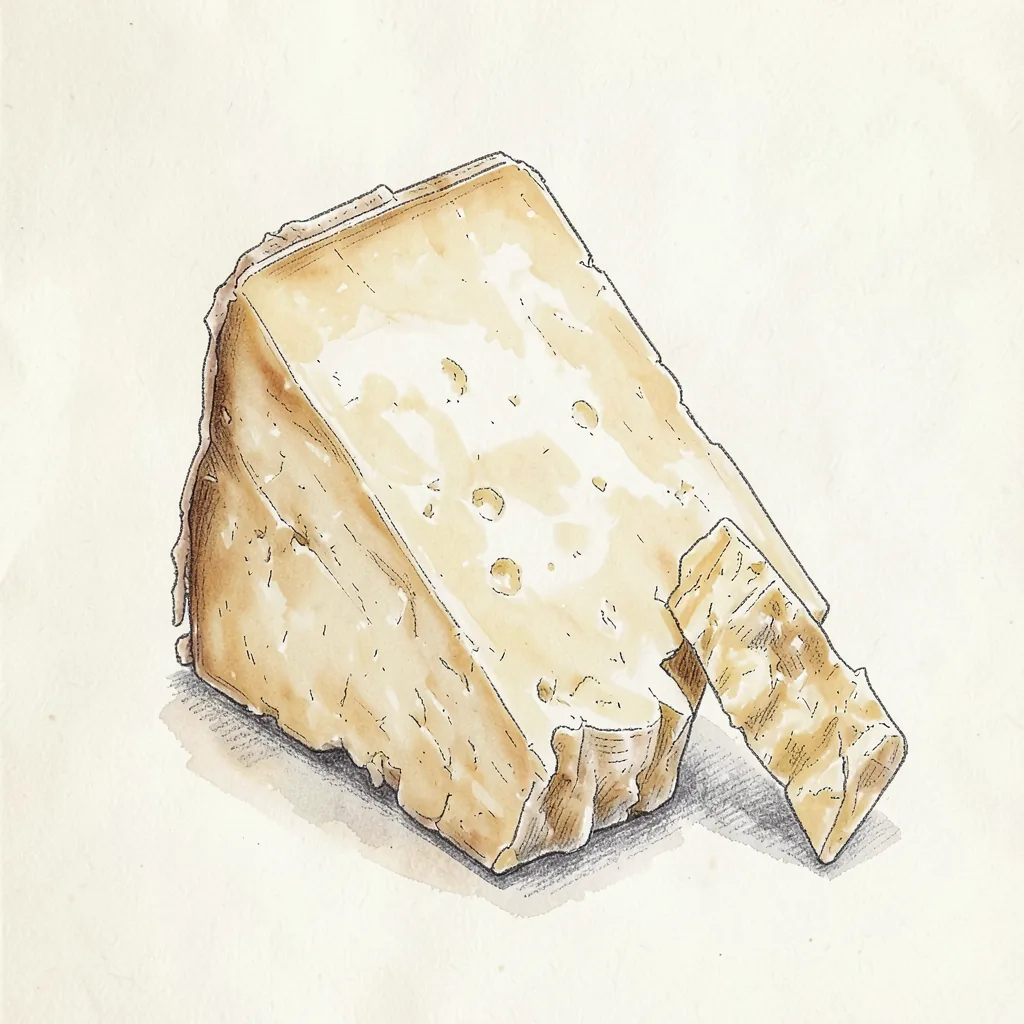
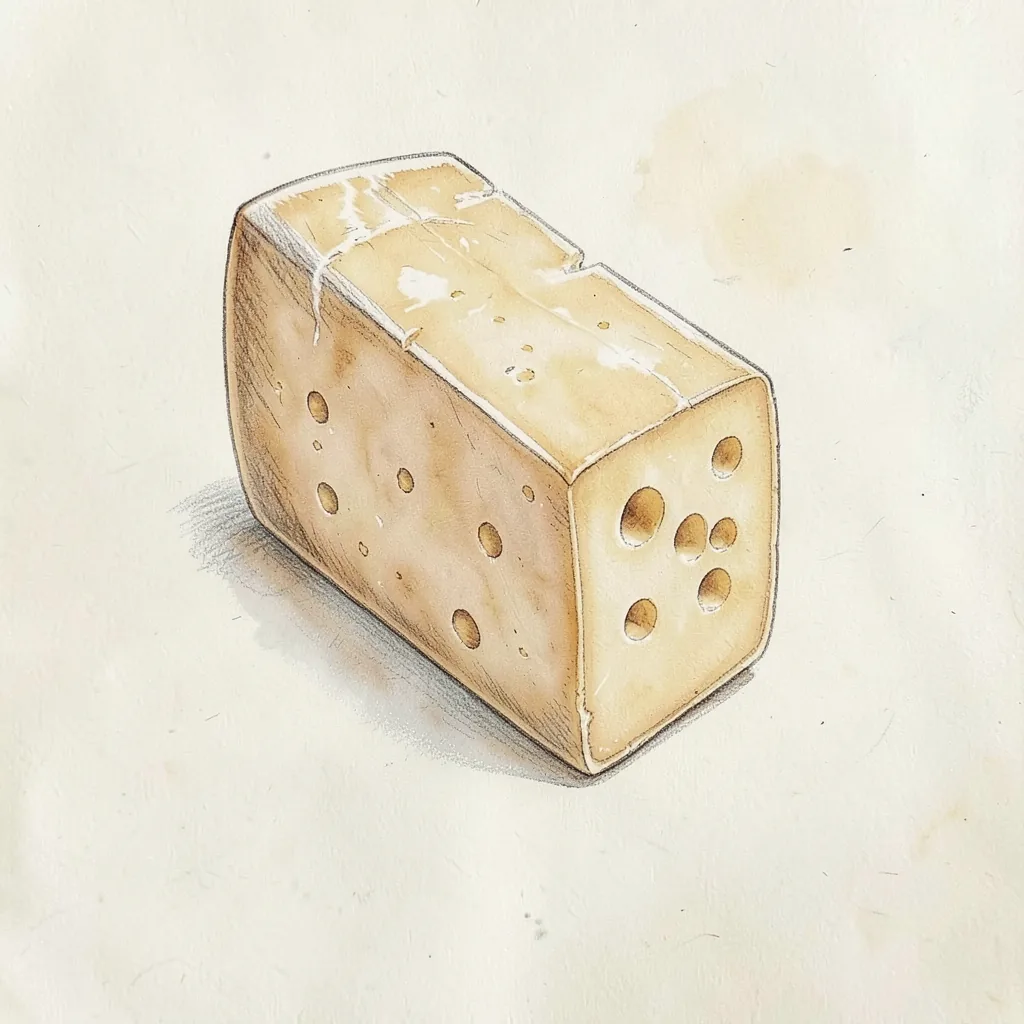
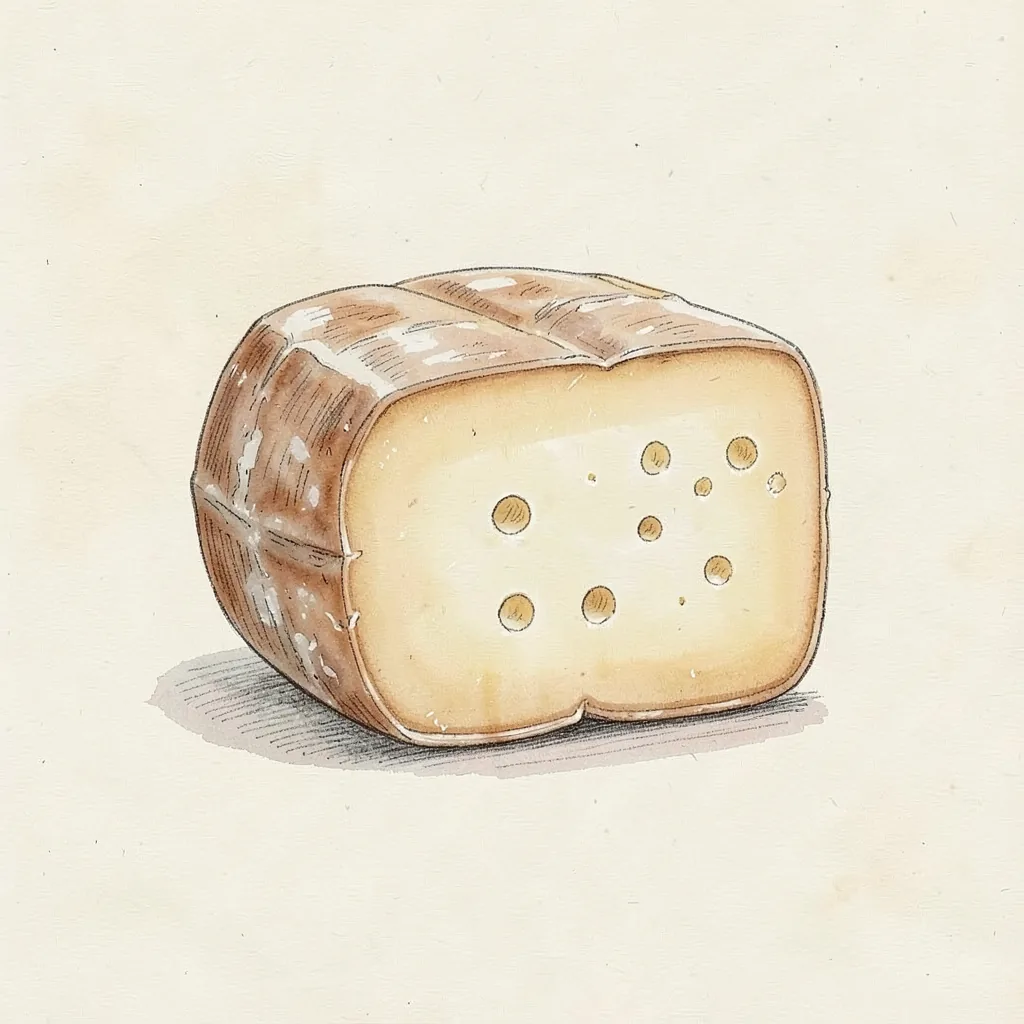
It belongs with the traditional British cheeses that are pressed and kept, but it is usually sold younger, moister, and gentler than a long kept wheel. The paste is pale and close, with a smooth cut and a light buttery taste. A natural rind is traditional, though some pieces wear a wax coat. It is a table cheese first, and a cooking cheese when you want melt without a sharp edge.
The best known relative is Sage Derby, in which sage colors and flavors part of the curd, while plain Derby has no herb. There is also a smaller format sometimes called Little Derby. Those are variations, not different countries of origin. For the plain cheese, expect a calm flavor that stays in the background of a ploughman's plate or a cheese sauce. Age deepens the sweetness a little and firms the body, but it rarely becomes fierce.
History
Derby took shape on English farms as a pressed cow's milk cheese made for relatively quick sale. It did not need the long wait associated with the hardest British wheels. Farmers could turn milk into a mild cheese and move it while the paste was still supple. That habit set the flavor: buttery, slightly sweet, and not aggressive. The cheese remained a regional British type even after more of it was made in creameries rather than on single farms.
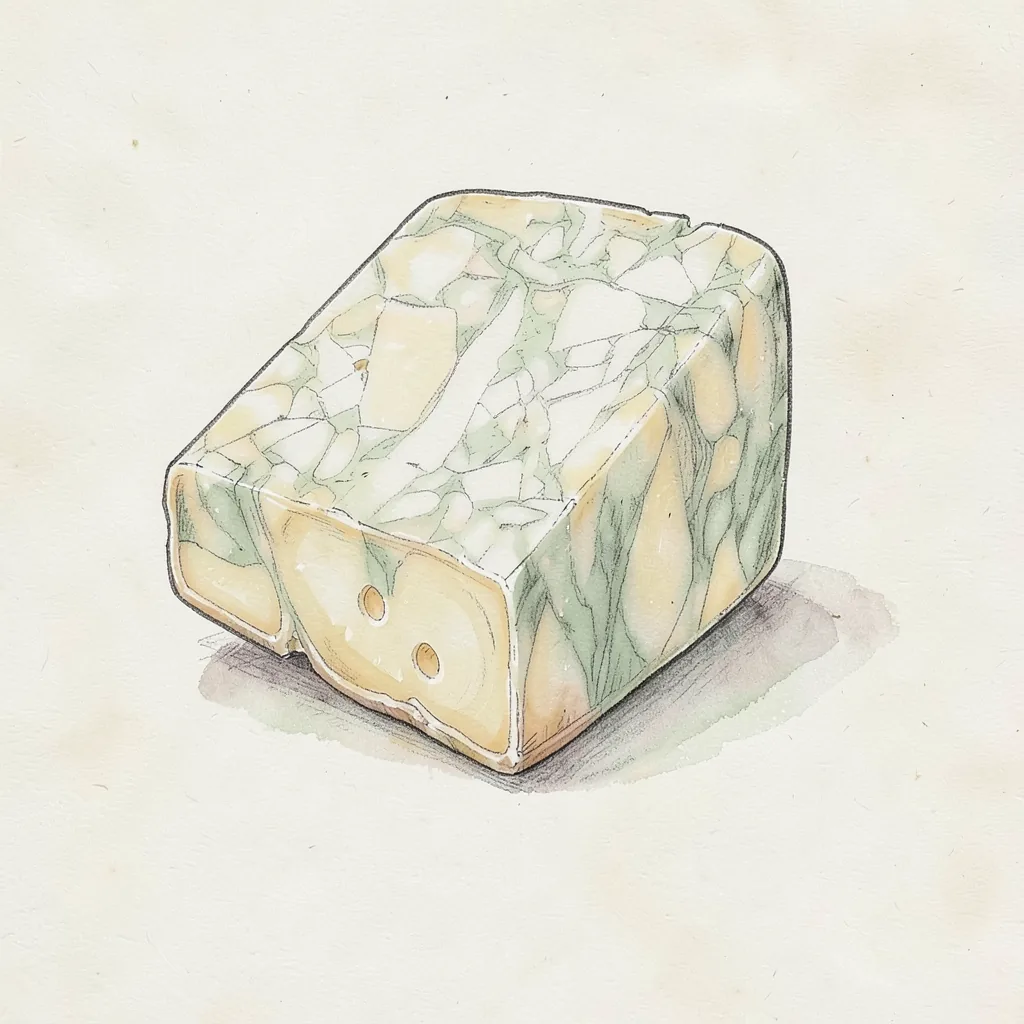
Sage Derby began as a special version for particular meals, with green sage worked into the curd so the slice looked marbled. It is now made through the year, not only for a holiday table. Plain Derby never depended on that herb. A version flavored with port also exists, and it should be labeled as such. When a shop simply says Derby, the buyer should expect the pale, unflavored cheese.
How it is made
Whole cow's milk is warmed, cultured, and set with rennet. The curd is cut and stirred, then salted and packed into hoops for pressing. Derby is pressed in the hoop, but the curd is not stacked and turned in the way that makes some British cheeses denser and more layered. The result keeps more moisture and a more open, springy bite when young. Pressing gives a closed rind and a paste that slices cleanly.
For Sage Derby, the maker layers plain curd with curd that has been colored and flavored with sage, or mixes the herb through the mass. The green is from the plant, sometimes helped by other kitchen greens, and the herb taste should stay gentle. Little Derby is the same cheese in a smaller wheel. After pressing, wheels may be bound in cloth, left with a natural rind, or waxed. Maturing is shorter than for the hardest British styles, and the cheese is ready while it is still mild.
Taste
Plain Derby tastes of fresh butter, warm milk, and a soft salt, with a slight sweetness and very little bite. The paste is smooth, moist, and a bit springy, so it does not crumble like a loose farmhouse cheese. The smell is clean and like fresh dairy. If it smells sharp or soapy, it has been kept too long or stored badly. At its best it is quiet, in a pleasant way.
Sage Derby adds a green, herbal note and a marbled look, but the base is still mild. The sage should taste like the leaf, not like a dried stuffing mix. Little Derby eats the same way, only in a smaller piece. A waxed rind does not change the paste if the wax is sound, and the color stays ivory to pale gold. Neither version aims for the tang of a long aged crumbly cheese.
In the kitchen
Slice Derby for sandwiches, toast, or a simple board with apple, bread, and pickles. It melts readily in a cheese sauce, a baked potato, or a grilled sandwich, and it will not dominate the other ingredients. Grate it when you want a mild crown on vegetables. Because the flavor is gentle, season the dish itself with mustard, pepper, or herbs if you need more character. Plain Derby is a base, not a shout.
Sage Derby is the one to cube on a board when you want the slice to look green and white. Use it with pork, eggs, or a sage friendly stuffing, but taste before you add more herbs. Little Derby suits a small household that will finish a wheel while it is mild. Keep the cheese wrapped so the cut face does not dry. Serve it cool but not icy, so the butter notes are easy to taste.
Around the world
Derby is an English cheese that travelers meet mostly in Britain, on boards that also hold other pressed cow's milk cheeses. Cheshire is crumblier and a little more tangy. Red Leicester is brighter in color and often a bit sweeter. Derby is the paler, quieter neighbor. Outside the United Kingdom it appears in shops that import British cheese, but it is less famous than several of its cousins, so the label should be read with care.
Do not confuse the plain cheese with Sage Derby or with Little Derby when you shop by a short name. Sage Derby is the marbled herb cheese. Little Derby is a size, not a new flavor. In other countries a mild melting cheese may stand in, and that works better in a sauce than on a board meant to show British styles. If the cooking needs a gentle melt, the substitute is fair, but if the point is the English cheese itself, wait for the real wheel.