Cow
What it is
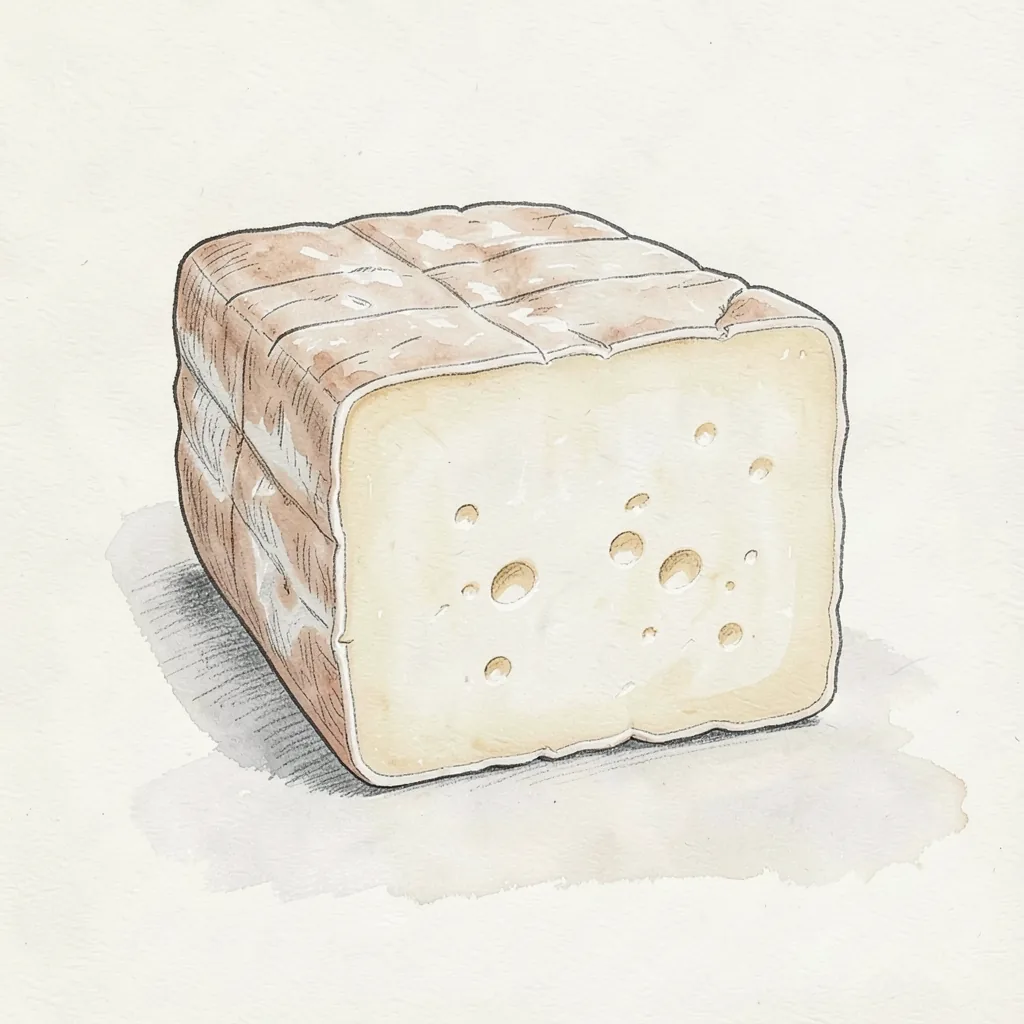
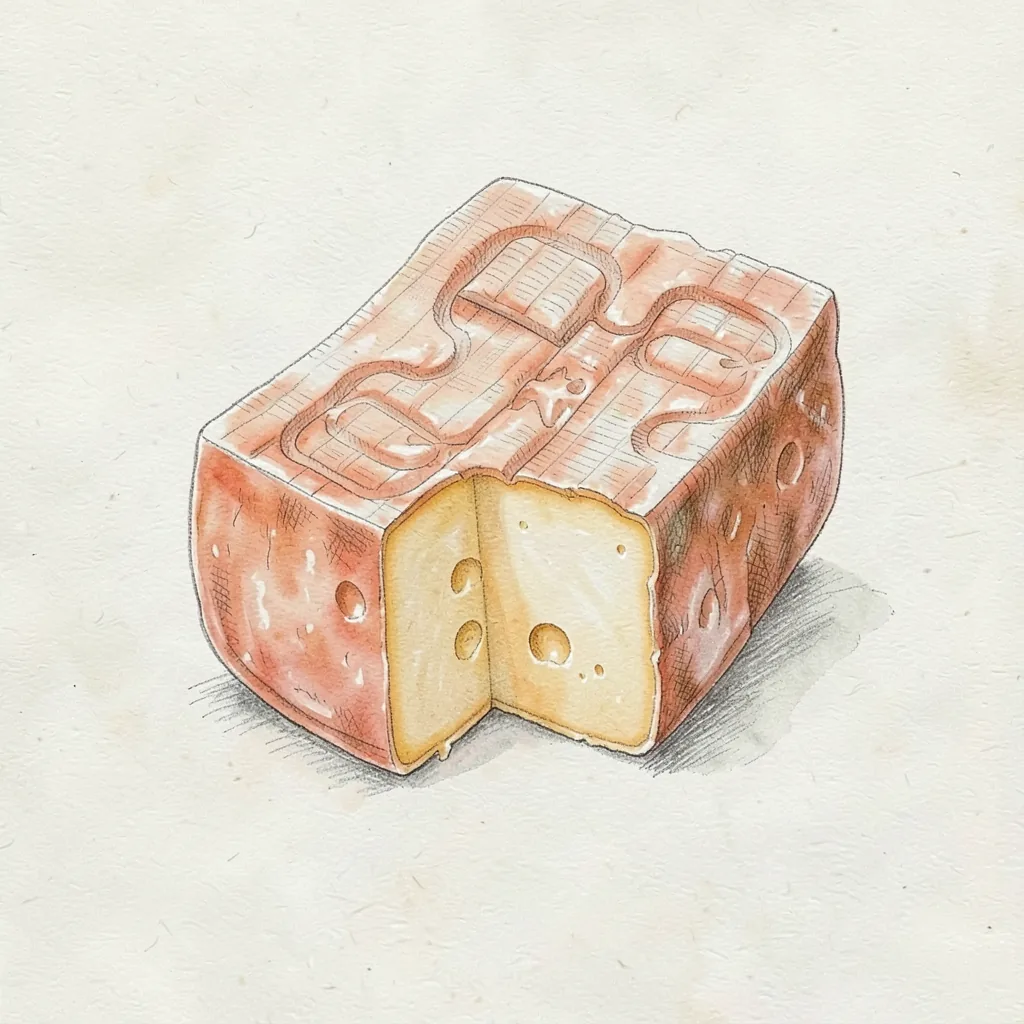
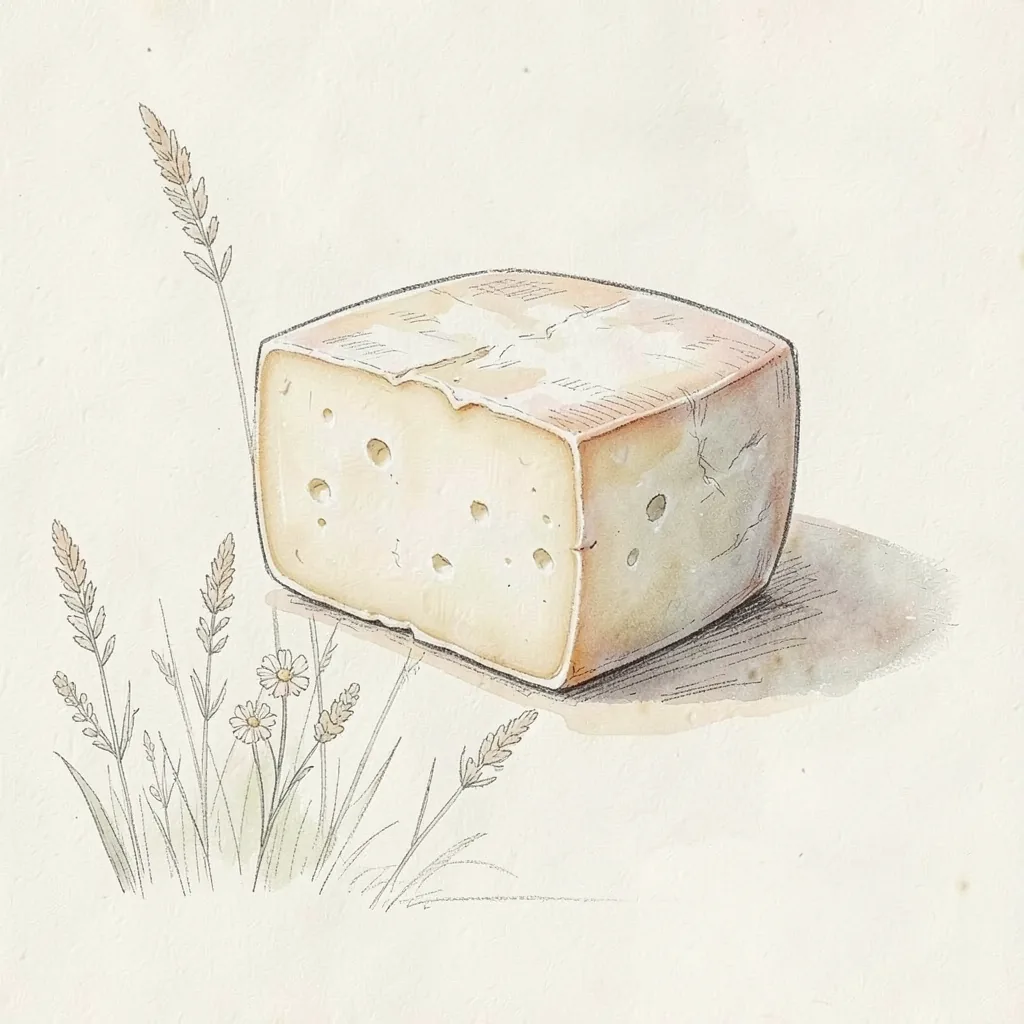
Makers form it into thick square blocks, and they wash the rind as the cheese ages. The paste is ivory, compact, and a little crumbly, sometimes with a few small holes. The name comes from the idea of saving surplus milk by turning it into a cheese that will keep. A young piece is milder, and a longer-aged piece is more aromatic and savory.
People on the central plain of Lombardy eat Salva as a table cheese. It has a family likeness to Quartirolo Lombardo, but it is kept longer and the aroma goes deeper. The rind can look pink, tan, or brown, and it often wrinkles as the block dries. Some makers rub the surface so it stays supple. Shops may also call it Salva Cremasco, which is the same cheese under a longer name.
History
Salva grew from a practical habit on the Lombardy plain. When spring milk was more than people could drink or turn into fresh cheese, dairies set the surplus aside as a firmer cheese that could wait. The name points to that saving of milk, not to a single private recipe. The square block became the usual form, and the washed rind marked a cheese meant to age. It remained a local table cheese in the middle of the region.
Dairies across Lombardy took up the cheese, so it was never tied to one street or one farm. Makers kept the washed rind and the square block, while each dairy chose how long to age it. A shorter rest gives a fragrant cheese for the table. A longer rest gives a drier paste and a stronger smell. Quartirolo comes from a related curd, but Salva is the one people hold until the aroma builds.
How it is made
Makers start with whole cow's milk from herds in Lombardy. They warm the milk, add rennet, and let the curd set. The curd is cut fine, more than once, until the pieces are small. It then rests in a warm damp room so the whey can leave and the mass can firm. After that rest, workers pack the curd into square molds.
Salt is added, and the rind is washed with brine while the cheese ages. Washing keeps the surface moist and helps the savory aroma develop. A shorter aging leaves a supple, fragrant block for the table. A longer aging dries the paste, deepens the smell, and may call for a light rub of oil on the rind. The finished cheese is a thick square with a thin colored coat and an ivory interior.
Taste
A younger Salva tastes mild, milky, and a little tart, with a fresh dairy smell. The paste feels compact, and it may flake rather than bend in the hand. Fruit and grass notes show up as the cheese ages. Salt is present, but it is not harsh. The washed rind adds a savory edge that is stronger near the coat than at the center.
Give the cheese time out of the cold before you cut it. A cold piece tastes flat, and a piece at room warmth shows the aroma that aging built. Longer-aged blocks are sharper, drier, and more complex, sometimes with a faint bitter note. The smell can be farmy, but it should not be sour. If the rind is very dry, the best flavor is still in the paste just under it.
In the kitchen
Salva belongs on a board with bread, a firm pear, or a spoon of fruit mustard. In Lombardy it also turns up in simple cooked dishes and at the end of a meal. Shave or crumble a drier piece over vegetables or polenta. A milder block can sit beside a few slices of cured meat. Keep the other flavors plain so the cheese stays in front.
The paste does not melt into a smooth pool the way a very young soft cheese does. Heat softens it and spreads the aroma, but the pieces can stay distinct. Cube a block for a bake, or grate a firm piece over a hot dish. Wrap the cut face, because the washed rind can pass its smell to other food nearby. Bring it back to room warmth before you serve it again.
Around the world
Outside Lombardy, Salva is a specialty and not a standard grocery cheese. Look for it at Italian counters under the name Salva or Salva Cremasco. The square shape and the washed rind are the clues, along with a label that names Lombardy. A mild block is the easier choice for people who dislike strong rind cheeses. A long-aged block suits people who want aroma on a board or over a hot plate.
Quartirolo Lombardo is the closest substitute when Salva is missing. It is a cow's milk cheese from the same region, with a softer path and a shorter life, so the taste is milder. Taleggio can stand in for cooking when you want a washed-rind cheese from Lombardy that melts more readily. Stracchino is not the same cheese. It is eaten fresh and soft, while Salva is made to be kept and served later.