Cow
What it is
The name is protected. Makers use whole milk, or milk that has been partly skimmed, and they sell it as a table cheese rather than a hard wheel for grating. A young piece is pale, mild, and slightly sour. With more ripening the paste turns more aromatic, a little tighter, and more ready to melt when it is warmed.
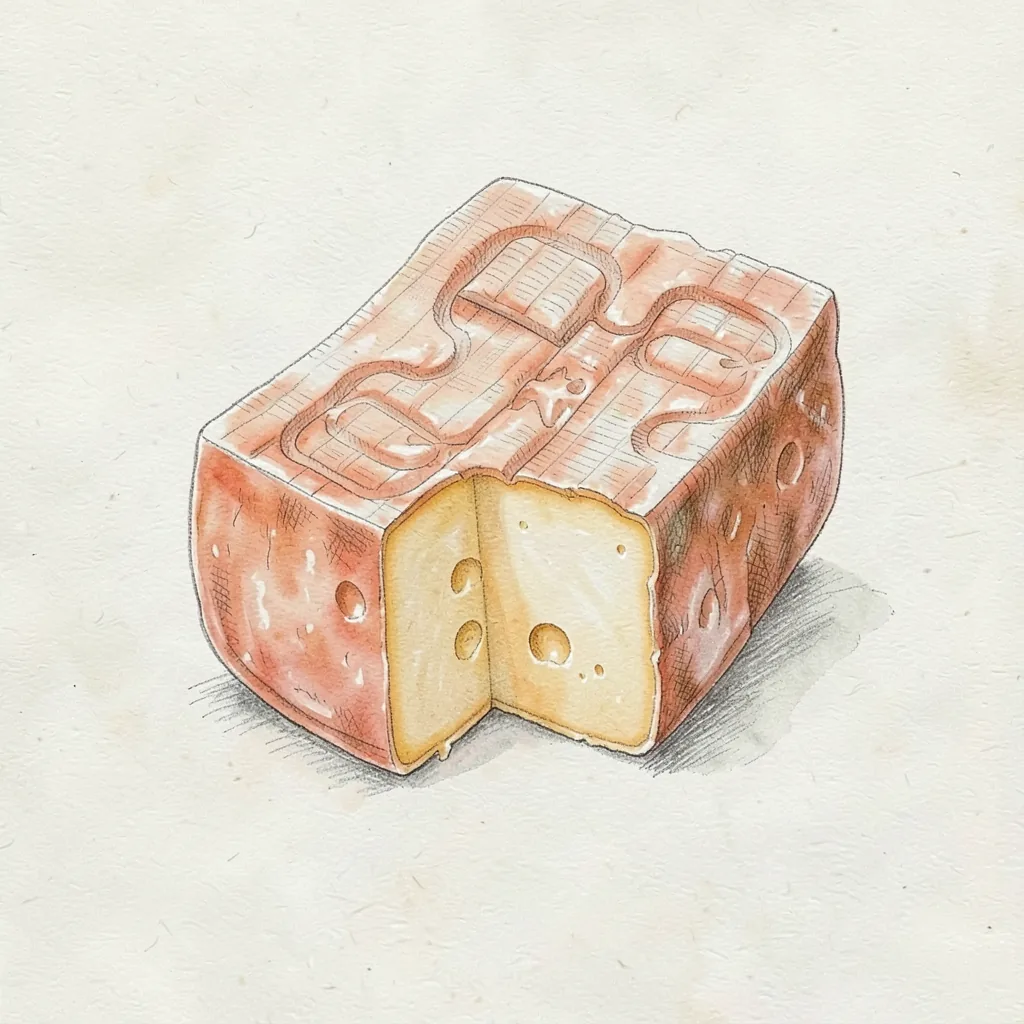
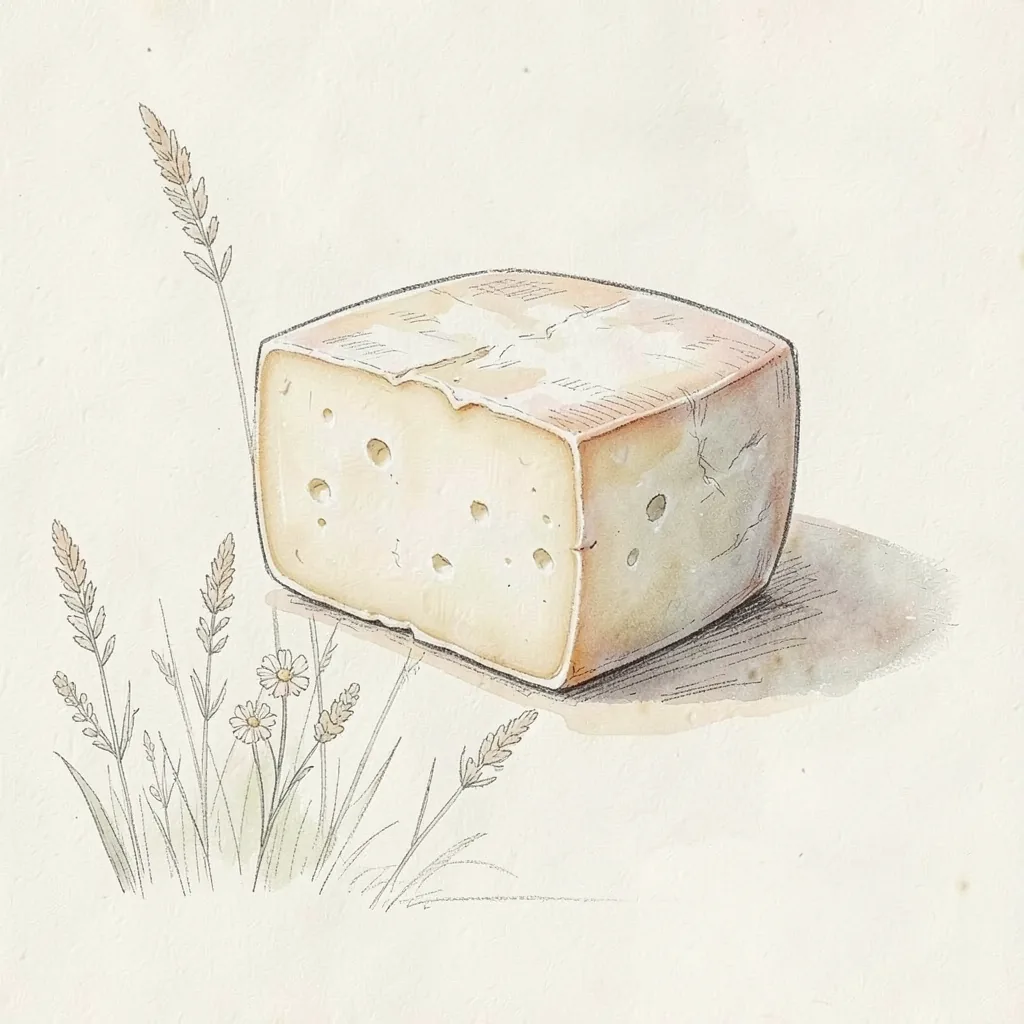
The form is often square or rectangular, which is why an older name is stracchino quadro. The rind is thin and is left untreated, with no wax and no heavy wash. Inside, the paste is even, a bit lumpy, and able to crumble, then it knits together as it ages. Color runs from white to a light straw tone. People eat the young cheese on its own and use the riper cheese where a gentle melt matters.
History
The name Quartirolo is linked to quartirola, a word for the late fresh grass of the year, the fragrant growth before winter. Cheese made when cows ate that grass took the name with it. In Lombardy the cheese was also known as a square stracchino, a soft table cheese tied to cows at the end of a move between pastures. The square shape and the short ripening set it apart from the long aged wheels of northern Italy. The protected name now covers cheese made in the traditional way.
For a long time the cheese followed the season of that late grass, when the milk was thought to be especially fragrant. Dairies can now make it through the year, as long as the milk comes from cows kept for this cheese and the method stays the same. A piece ripened only a short while is the fresh style. A piece held longer is sold as mature, often under the word maturo. Both are Quartirolo Lombardo, and the mature one is simply the same cheese with more time.
How it is made
Milk from more than one milking goes into the vat. The first milk stays whole, and milk from a later milking may be whole or partly skimmed. Calf rennet sets the milk, and a little whey starter from the same dairy is sometimes added. The curd is broken more than once, until the pieces are small and even, about the size of a hazelnut in the old description. It then goes into square moulds so the cheese takes its familiar block shape.
The forms are kept warm for a time so the whey can leave and the paste can knit into one mass. Salting is done dry or in brine, depending on the dairy. The rind is left alone, with no wash painted on and no wax coat. A short rest gives the fresh cheese, still soft and a little acidic on the tongue. A longer rest gives the mature cheese, with a tighter paste that softens and melts more readily when it is warmed.
Taste
Fresh Quartirolo Lombardo tastes mildly sour and lightly aromatic, with a clean milky side. The paste is moist and yields under the knife, and it can feel slightly crumbly rather than rubbery. Salt is gentle and does not dominate the sour note. There is no blue vein and no strong washed rind punch. The pleasure is that soft tang, and the way the cheese sits quietly beside plain bread.
Mature cheese keeps that tang and adds a fuller aroma that you notice as the piece warms. The color can deepen toward straw, and the paste becomes more compact, then silky if you let it lose its chill. It should not taste bitter, soapy, or sharply animal. A good piece smells of fresh dairy and a faint cellar note, not of ammonia or spoilage. Taste the fresh and the mature side by side if you can, because they nibble and cook in different ways.
In the kitchen
Eat young Quartirolo Lombardo with olive oil, bread, apples, or grapes on a simple plate. It can sit on a board, or break into a salad if you add it at the last moment so the pieces stay distinct. The mature cheese melts more willingly, so it suits a soft sauce, a baked vegetable, or a simple tart. In Lombardy, cooks use it where a mild cow's milk cheese should blend rather than dominate. Honey is a common sweet contrast when the cheese is served plain.
Do not grate it like a hard aged cheese. The fresh paste smears on the grater, and the mature paste wants low heat instead of a dry shred. If you bake it, keep the time short so it turns creamy instead of oily and split. It is not a cheese for the grill. Pair it with a light sparkling red or a simple white wine, and keep a strong blue cheese off the same plate if you want the sour note to show.
Around the world
Outside Italy, Quartirolo Lombardo appears at Italian shops and at counters that carry soft cheeses from Lombardy. It is less famous abroad than some of its neighbors, so the label matters more than the look of a pale square. Look for the full name, and notice whether the piece is sold as fresh or as mature. A generic soft Italian cheese will not have the same gentle tang. Keep it wrapped and cold, and let it warm only when you are ready to eat.
Taleggio is the cheese most often set beside it, and both are soft cow's milk cheeses from Lombardy. Taleggio usually has a stronger washed character and a more pronounced aroma. Stracchino is closer in the soft, mild, square cheese family, and it can replace a young piece on bread or in a salad. Neither copy is a perfect match for a mature Quartirolo that is ready to melt. Use them when this cheese is not in the shop, and adjust the salt after you taste.