Cow
What it is
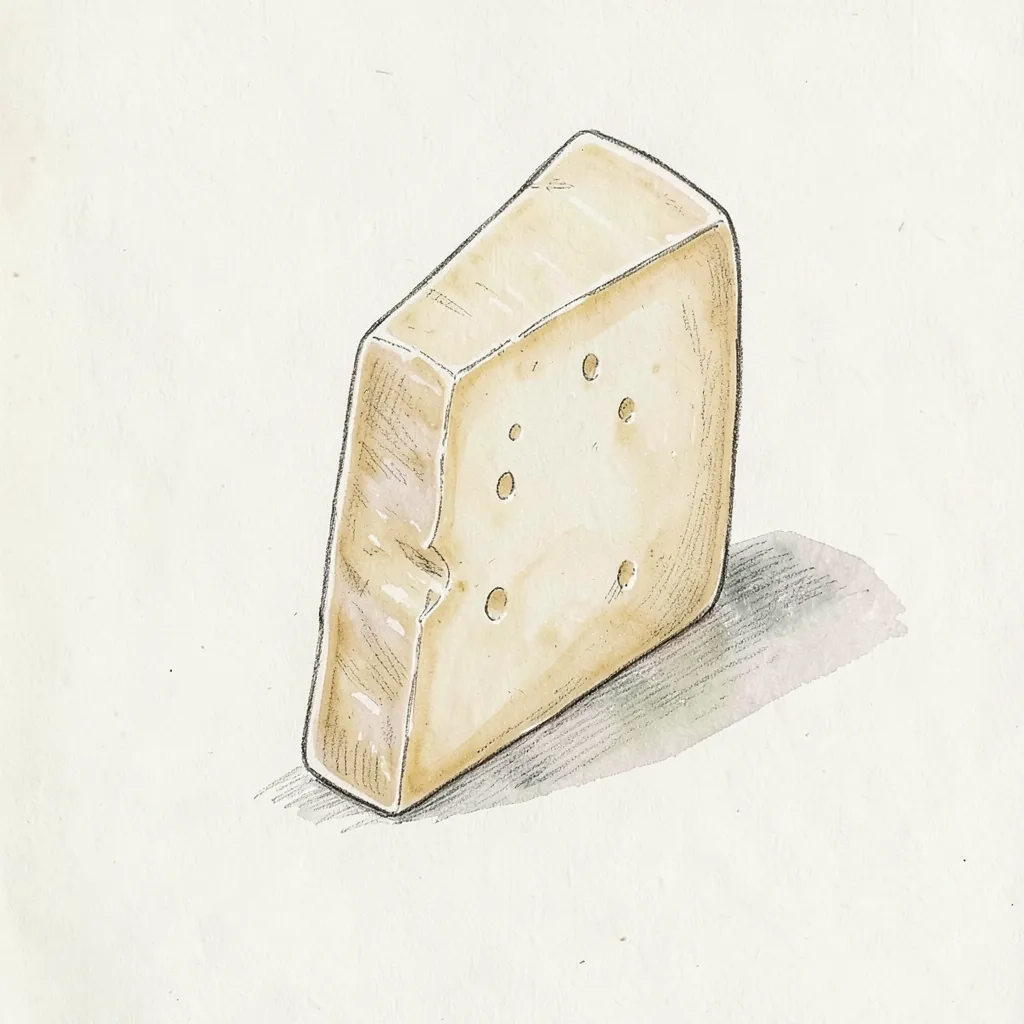
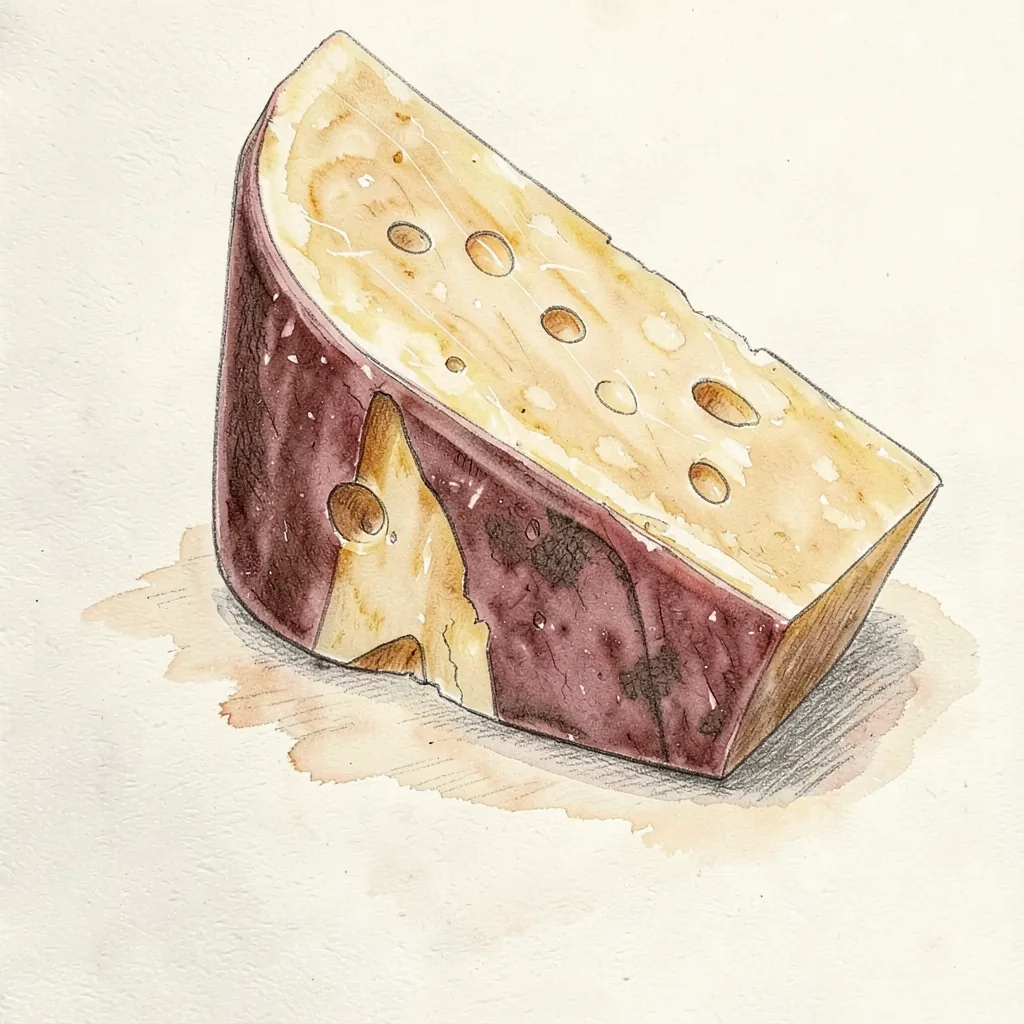
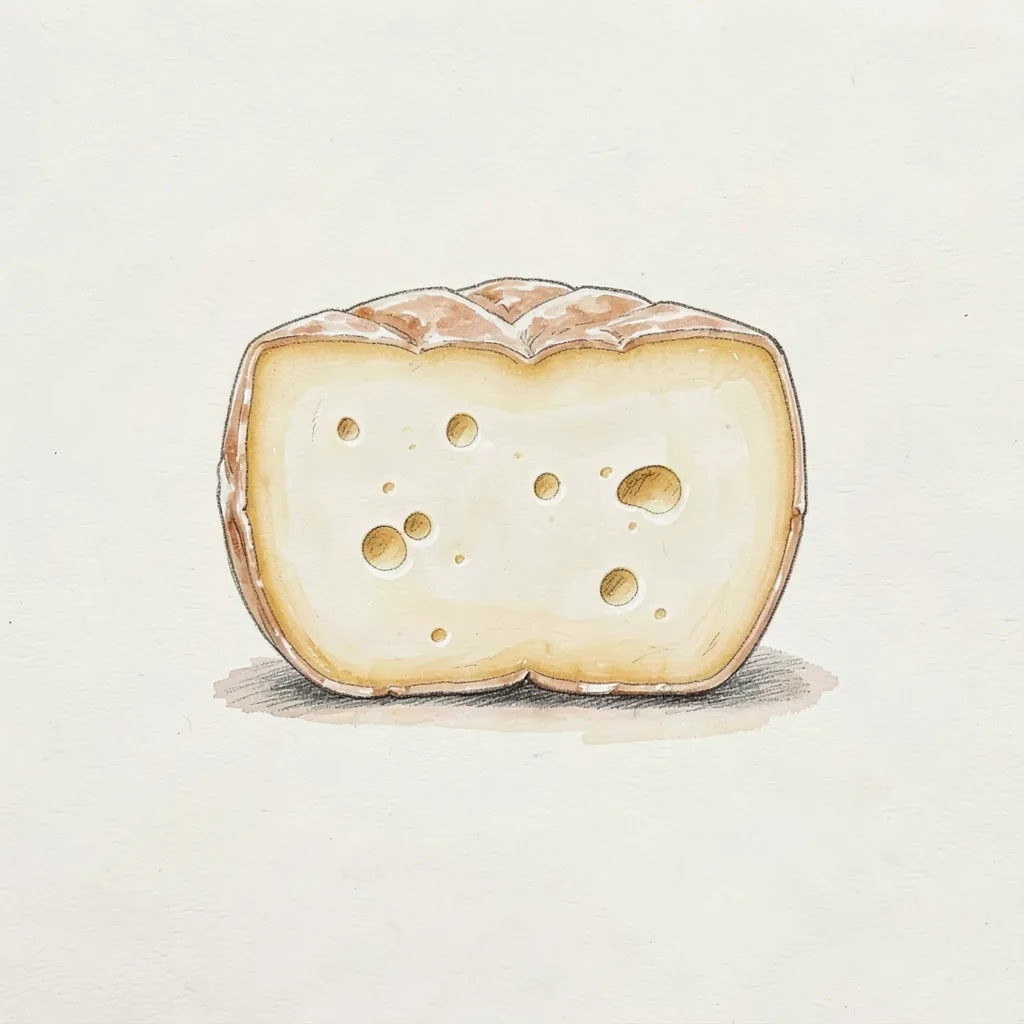
The name is the island where the milk is produced and the wheels are made. Whole milk is set, the curd is cooked and pressed, and the wheels age until the paste is hard or nearly hard. The interior is pale yellow, with small irregular holes. It is a slicing and grating cheese, sharp enough for a board and sturdy enough to cook.
A younger wheel is still a little supple, buttery, and only mildly tangy. A wheel kept longer turns drier, more brittle, and more forceful, with a clean spicy finish. The rind is natural and thick enough that most people cut it away. Salt is present but should not overwhelm the milk. Nothing herb, smoke, or blue mold is part of the style, so the taste is the milk, the pastures, and time.
History
Cheese making on São Jorge grew with the island dairy herds, because milk had to travel in a form that would keep. Large pressed wheels stored cow's milk from pasture-fed cattle. Makers use whey from an earlier batch to help the next milk acidify, which ties one make to the next. Island dairies still form the wheels, and the cheese is a well known food of the Azores. It leaves the islands as a firm aged cheese, not as a fresh curd.
The style is often compared with firm British cheeses because it is sharp, dry, and good on a grater. It is still an Azorean cheese, shaped by island pasture and by a cooked, pressed curd. Wheels are large and marked so a dairy can be traced, which matters when the cheese travels to mainland Portugal and beyond. Shops sell it at more than one age. A milder wheel and a harder, spicier wheel can share the same name, so it helps to ask how long the piece was kept.
How it is made
Raw cow's milk from the island is warmed and seeded with whey from a previous make, which starts the acidification. Animal rennet then sets the curd. The curd is cut, heated, and stirred so it firms and gives up whey. Salt is mixed into the dry curd, and the mass is packed into round molds. A press knits the wheel and leaves a close paste with only small, uneven eyes.
Each wheel carries a mark that identifies the dairy, so age and maker can be checked later. The cheeses are salted further on the surface if needed, then kept in a cool humid room and turned while a natural rind forms. Early on, the paste is still a little elastic. With more time it dries, the flavor concentrates, and the break becomes shorter, so the finished cheese is yellow, firm, and ready to slice or grate. No wax and no wash define the rind.
Taste
A middle-aged São Jorge tastes clean, salty, and lightly spicy, with butter and a hint of cooked milk. The paste breaks rather than bending in a long ribbon. Small holes dot the interior, and the color is an even straw yellow. The rind is earthier and drier, and it is usually left on the board rather than eaten. At room temperature the aroma is pleasant and milky, not sharp like a washed rind.
Youth and age are easy to tell apart on the tongue. The younger cheese is milder, moister, and more buttery, with only a short tang. The older cheese is harder, saltier, and more picante, which in this case means a clean peppery heat rather than chili. It should not taste bitter, soapy, or musty. A little crystal crunch in a very firm piece is a sign of age, not a fault, but if the center smells of ammonia the wheel has gone too far.
In the kitchen
Slice São Jorge for a board with bread, quince paste, or a firm apple. The spicy older cheese is also excellent grated over soup, roasted vegetables, or a simple pasta. It melts, but it does not become stretchy, so use it where you want flavor more than strings. Thin slices can cover toast or go inside a sandwich with tomato or ham. Because it is salty, taste the dish before you add more salt.
A milder, less dry wheel is the better melting piece for a gratin or a sauce, and a hard wheel is the grater. Do not boil it hard in a pan, or the fat can separate and the dish turns oily. Pair it with the foods of a Portuguese table when you can: bread, olives, and a little fruit paste. Wrap the cut face so the paste does not dry and crack. Bring slices to room temperature before a board, and grate the hard cheese straight from the cold.
Around the world
São Jorge is a common Azorean cheese in shops on mainland Portugal and in Portuguese grocers abroad. Look for the island name on the label, because other island cheeses taste different. A wedge should feel firm and smell clean. If you only see a soft fresh cheese from the islands, it is not this one. In a mixed shop it may sit near cheddar, which shows how people use it, not that the cheeses are the same.
Cheddar is the usual substitute outside Portugal. Choose a firm, fairly sharp piece for grating and a milder one for sandwiches, and expect less of the clean spicy note. Aged Gouda can cover slicing and grating, but it is sweeter and less peppery. Queijo do Pico is another Azorean cheese, and it is not a match in the kitchen because it is often softer. On a Portuguese table, keep the real wheel if you can, because the island name is the part of the label that matters.