Cow
What it is
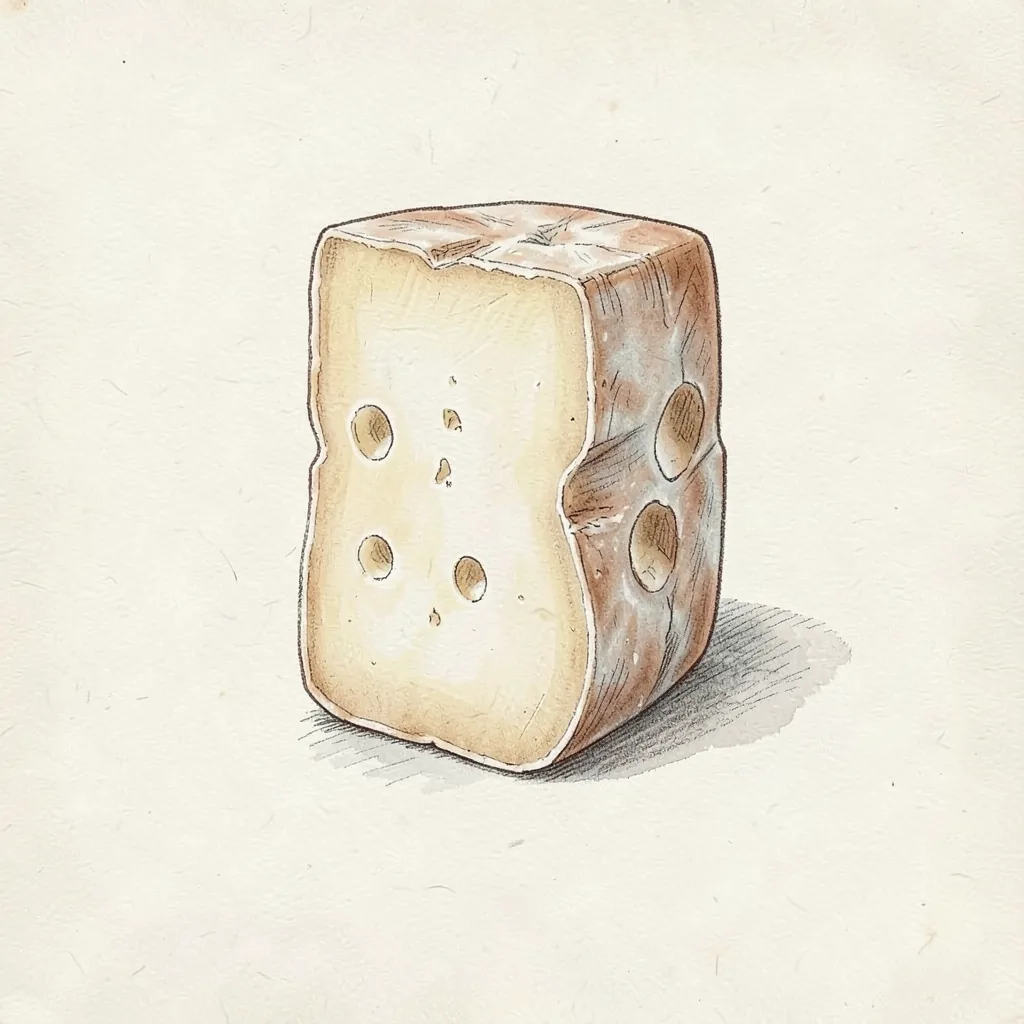
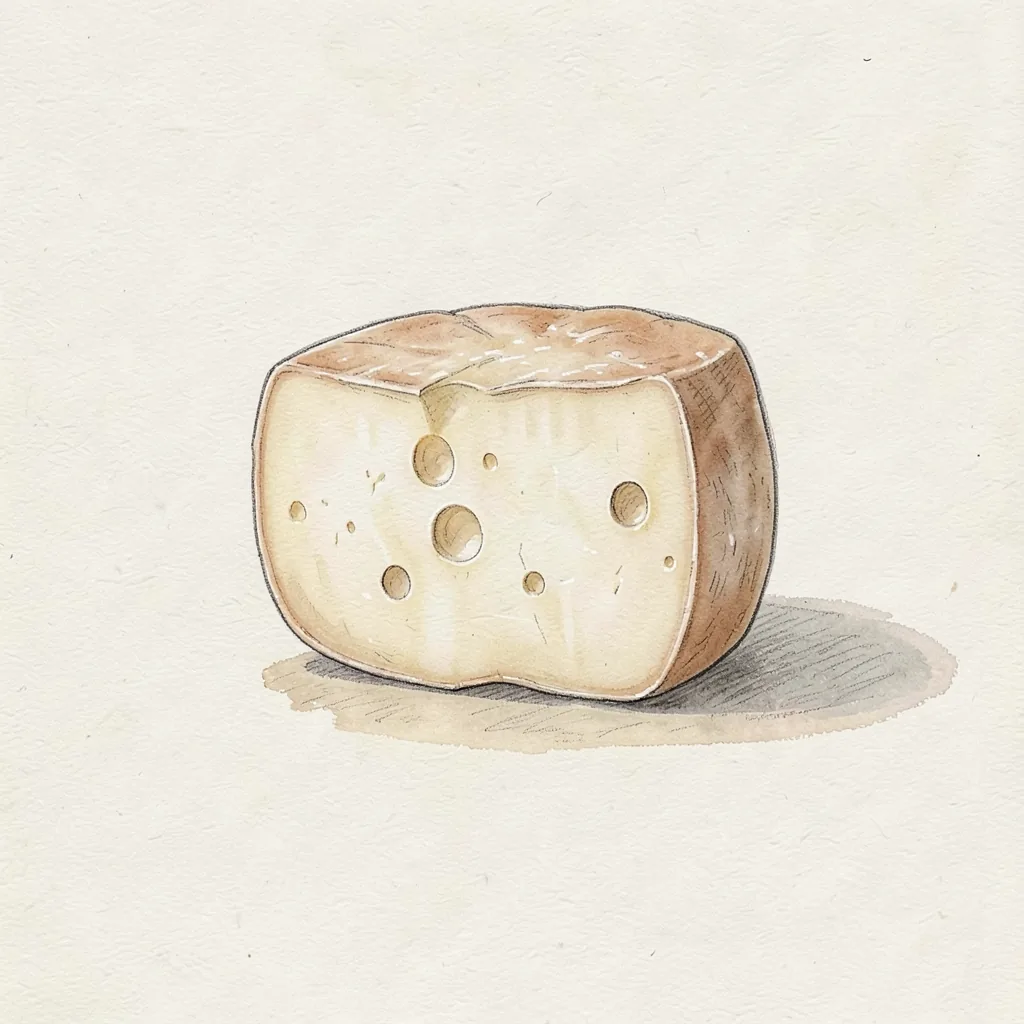
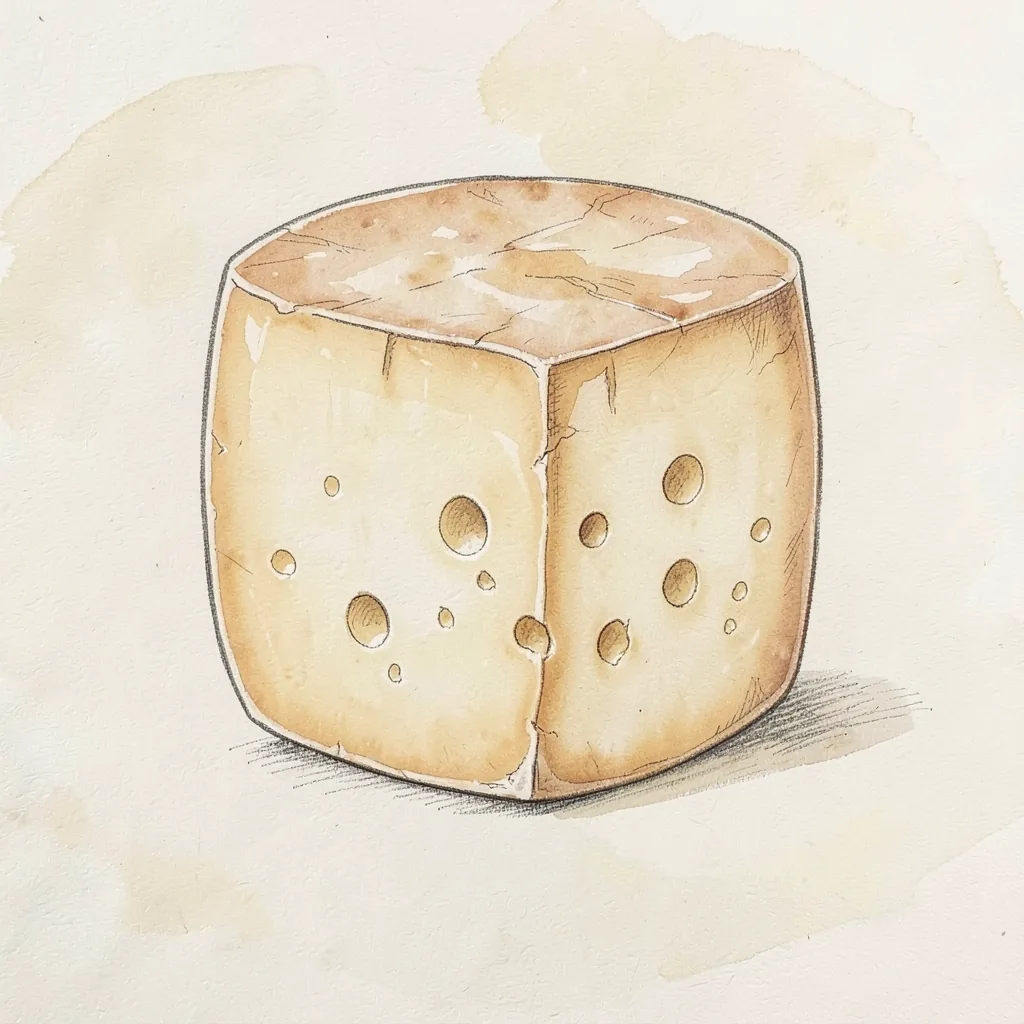
It is made from raw cow's milk, animal rennet, and salt. The wheels are low and round, with a yellow rind and a pale, pasty interior that can show small eyes. The smell is strong and pleasant, and the taste is salty and rich. Island households kept the method for generations before the cheese became a named product of the Azores.
The paste is soft, buttery, and a little irregular rather than tight and dry. A slice yields under a knife and can be spread when it is warm. The rind is natural and yellow, not bloomy white and not washed orange. Salt is part of the character, so the cheese tastes lively even in a small piece. It is a table cheese, often eaten with bread as a snack or at the end of a meal.
History
Cheese making on Pico is older than the modern trade in packaged wheels. Later written notes already treat the cheese as part of island life, and families passed the steps from one generation to the next. Cows, not sheep, supply the milk, which sets this cheese apart from many famous cheeses of mainland Portugal. The low round shape and the salty cure stayed steady. The Azores remain the place named with the cheese.
The pastures of Pico feed the cows, and that milk is the base of every traditional batch. Makers did not turn it into a hard keeping cheese in the style of some other Azorean wheels. They kept a soft, cured cheese for local tables. Dairies on the island still make it, and the name points to Pico rather than to a single brand. A shop piece should say Pico and the Azores, and it should be cow's milk.
How it is made
Fresh raw cow's milk is warmed slightly and set with animal rennet. The curd rests until it is firm, then it is cut into small pieces. Makers drain the whey in cloth, fill molds, and press the curd by hand. The cheeses are dry salted on both faces. They then cure in a humid room until the rind turns yellow and the paste becomes soft and pasty.
Nothing is added to grow a bloomy rind or a blue vein. The yellow coat comes from the cure itself. The wheels stay low, with rounded edges, and the interior stays white to pale yellow with an open, buttery texture. A shorter cure tastes milder and a little fresher, while a longer rest tastes saltier and more intense. The finished cheese is still soft, not hard.
Taste
Salt arrives first, then a rich dairy flavor and a clean, strong aroma. The paste can taste a little tangy, but it is not sour like a fresh lactic cheese. Fat from whole cow's milk makes the bite feel full and buttery. The eyes, when they appear, do not add a sharp flavor of their own. They only break the paste so it feels less dense on the tongue.
The rind is firmer than the center and tastes more concentrated. Many people eat the inside and leave a very dry edge. A cold piece seems firmer and saltier than it will taste later. A piece that has lost its chill tastes softer and more aromatic. If the smell turns harsh or the paste dries out and cracks, the cheese has been kept too long.
In the kitchen
Spread Queijo do Pico on bread, or set it out as a salty bite before a meal. It also works at the end of a meal when you want cheese rather than a sweet dish. The soft paste does not belong on a grater. Heat will soften it further, but it is not the cheese to choose when you need a stretchy melt. Pair it with plain bread so the salt and the aroma stay clear.
A firm local white wine is a common partner on Pico, though the cheese also stands well on its own. Crumble a soft piece over warm potatoes if you want salt without reaching for a hard cheese. Do not soak it, because it is not a brined white cheese and extra liquid will blur the texture. Keep it wrapped in the refrigerator. Let it warm before you serve it so the paste can spread.
Around the world
Outside the Azores, Queijo do Pico is harder to find than the better known cheeses of mainland Portugal. Shops that specialize in Portuguese food are the likely source, and some pieces travel poorly because the paste is soft and moist. Read the label for raw cow's milk and for Pico, not only for the Azores. São Jorge is the other famous cheese of the islands, and it is a hard wheel. The two are not substitutes in a recipe that needs a soft paste.
Serra da Estrela and Queijo de Azeitão are soft Portuguese cheeses with a strong aroma, so they can stand in on a board when Pico is missing. Both are sheep's milk cheeses, and their flavor is different from this cow's milk wheel. A mild cream cheese will not give the salt or the cured taste. If the dish can take a firm Azorean slice, São Jorge is the cow's milk cheese to buy instead. For a soft salty bite, stay with a cured soft Portuguese cheese.