Cow
What it is
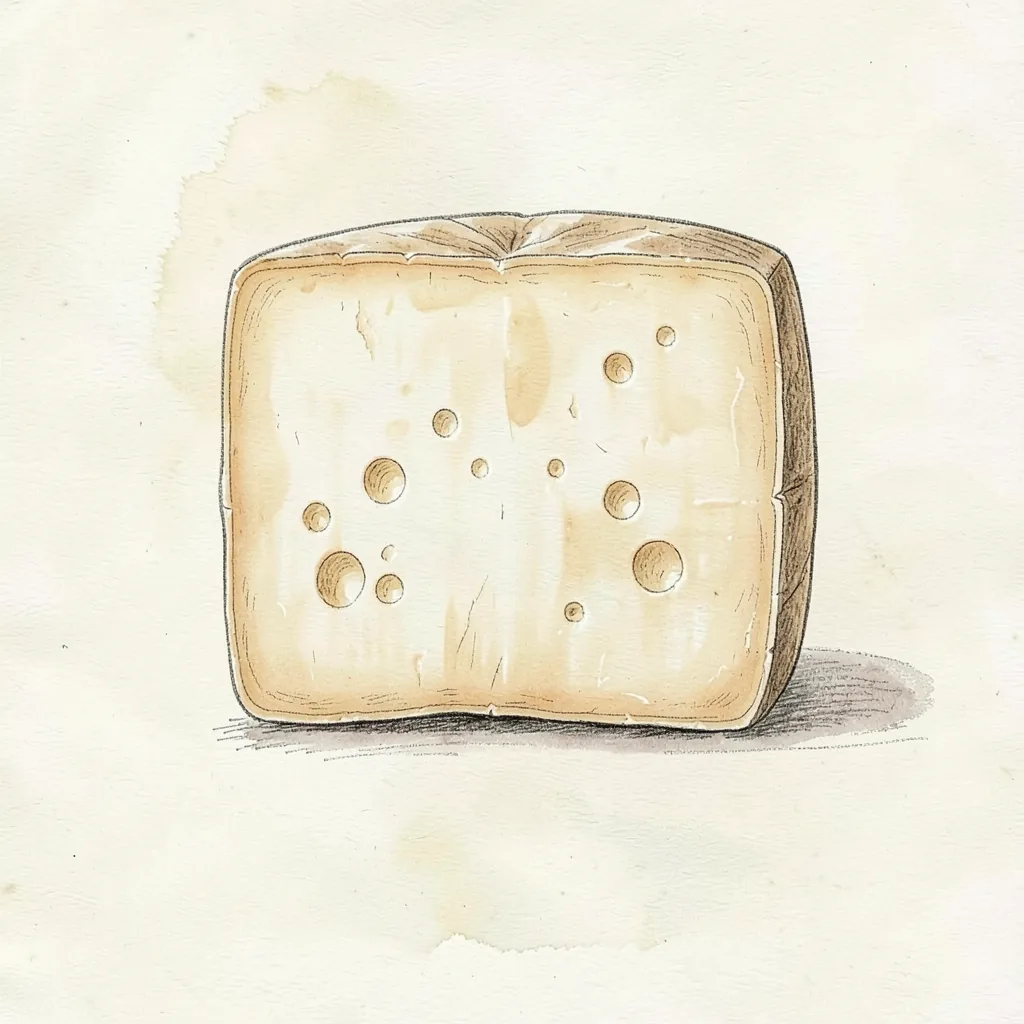
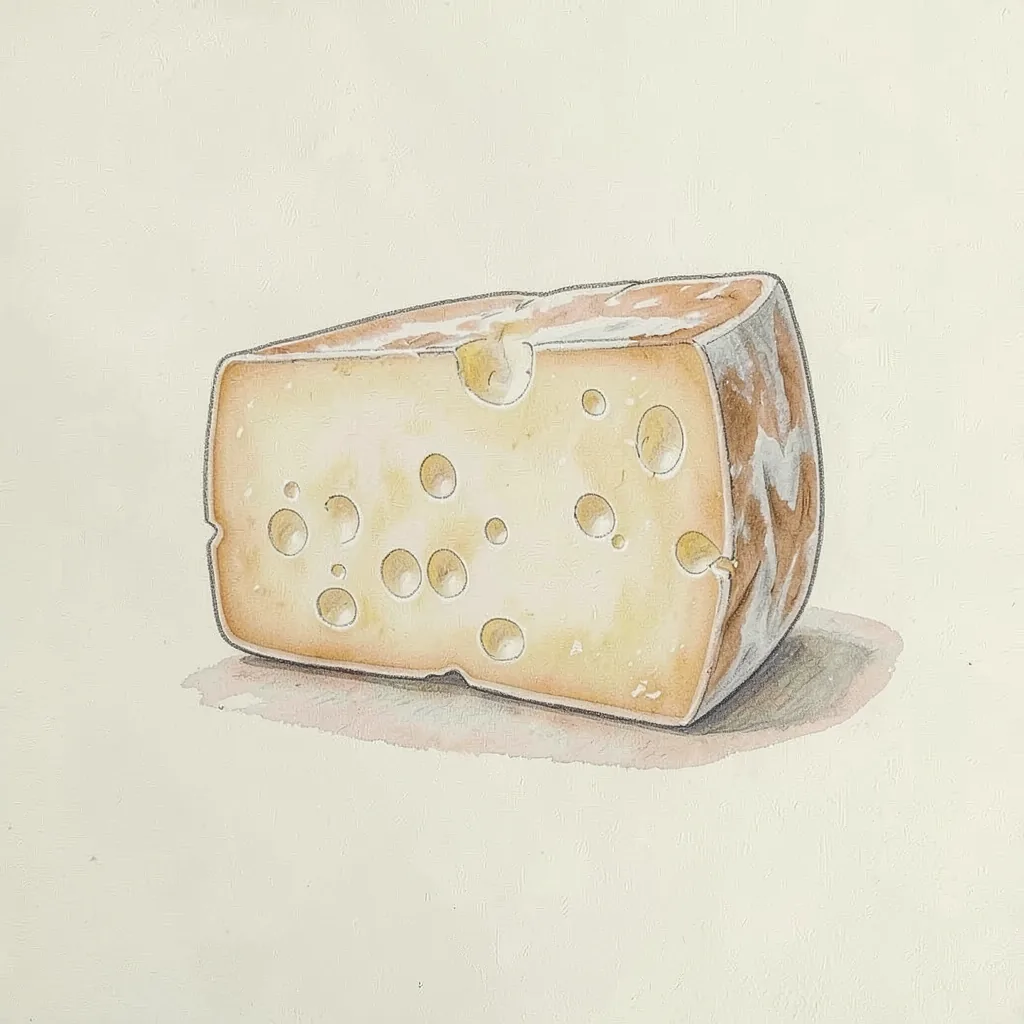
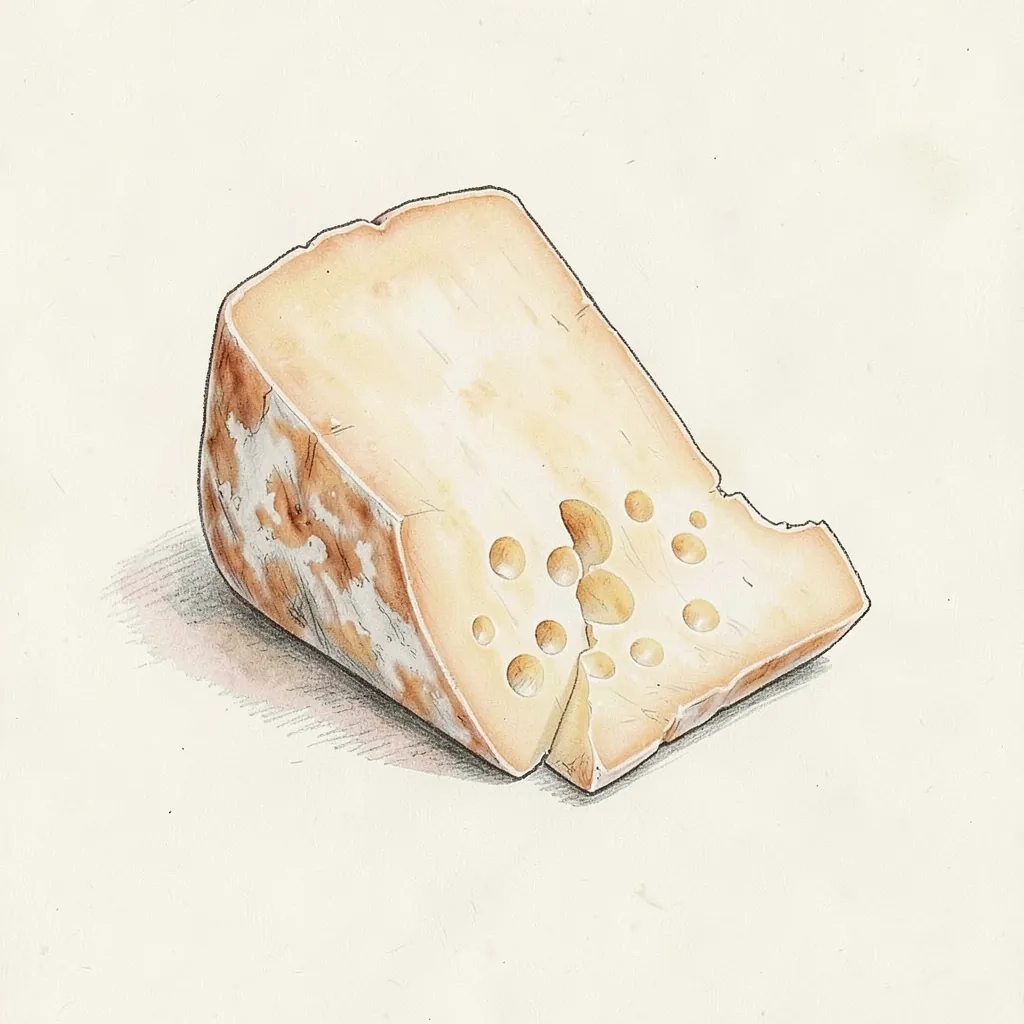
The name points toward Sardinia, but this cheese is Argentine and the milk is cow's milk, not sheep's milk. The paste is pale yellow, firm, and granular, with a natural rind and a salty, mellow taste. A younger piece can still be cut into slices. An older piece turns drier and sharper, and it is the one that falls in flakes over pasta, soup, and baked dishes.
A block from the shop is usually dense enough to shave or grate, and the flavor stays rich rather than fiercely sharp. Salt is clear, but the cheese is milder than a long aged sheep's milk grating cheese. The color stays in the white to yellow range, and the grain breaks under a knife instead of bending. On a board it works in thin slices, and in a hot dish it seasons the food without melting into long strings.
History
Argentine dairies built Sardo as a local answer to Italian grating cheeses, and they used the cow's milk that the farms had in quantity. The style takes its name from Sardinia, where a well known sheep's milk cheese has a similar job in the kitchen. In Argentina the milk changed, and the cheese became its own product. It spread as a pantry staple for pasta and baked food, not as a soft table cheese. The useful fact now is the cow's milk and the firm, salty paste.
Shop labels sometimes say queso Sardo, and the cheese is still the Argentine cow's milk block. Makers can vary the age and the exact method, so two wedges with the same name may not feel alike. What shoppers should expect is a firm, salty grating cheese with a pale interior. A very young piece is smoother and milder. A well aged piece is drier, more granular, and better over hot food, and the texture at the counter is the useful clue.
How it is made
Makers start with cow's milk, warm it, and set the curd with rennet. The curd is cut fine so whey can leave, and that fine cut helps the cheese become dense enough to grate. The curds go into molds and are pressed, then salted. A natural rind forms as the cheese dries. Nothing in the usual method calls for a bloomy white coat or a sticky washed rind, and the goal is a firm body with a clean salty taste.
Aging is what moves Sardo from a sliceable cheese toward a grating cheese. Time in the cellar dries the paste, opens a granular break, and deepens the flavor. Shorter aging leaves a milder, slightly moister piece that can still be cut. Longer aging makes a harder, sharper block for the grater. Producers sell both, and both are cow's milk Sardo with a natural rind and a pale interior.
Taste
The taste is salty, mellow, and rich, with a light tang and a nutty edge rather than a harsh bite. Cow's milk keeps it smoother in flavor than a sharp sheep's milk cheese of the same grating family. A young piece tastes gentler and a little sweeter. An older piece tastes drier, saltier, and more direct. The smell is clean and dairy like, not pungent, and the grain stays firm on the tongue.
Salt is the first note, and a savory finish follows it. There is little bitterness, and there is no blue sharpness and no washed rind funk. The pale paste can feel slightly crystalline when it is well aged, which suits a grating cheese. Fat carries a mild richness, so a small amount seasons a large plate of pasta. If a piece tastes flat, it is probably very young, and if it tastes forceful, it has had a longer rest.
In the kitchen
Grate Sardo over pasta, risotto, soup, and vegetable bakes, and let the heat release the salt and the savory taste. It can stand in where a cook wants a hard cow's milk cheese that seasons a dish without stretching. Thin slices belong on a board with bread, fruit, or a simple salad. In a casserole, mix the grated cheese through the sauce or scatter it on top. A little goes far because the salt is already clear.
Keep the block wrapped and cold, and grate only what the meal needs so the cut face does not dry out. A fine grater or a coarse grater both work, and the granular paste falls in short flakes. Pair it with tomato sauce, grilled meat, and roasted squash. On a cheese board, set it next to a softer cheese so the firm salty slice has a contrast. Use it as a seasoning cheese, and slice it when it is still young enough to cut.
Around the world
Outside Argentina, Sardo shows up in shops that stock Latin American dairy and in some markets that carry grating cheeses. Cooks in Argentina use it the way other countries use a hard grating cheese, especially on pasta and baked dishes. The name confuses buyers who expect an Italian sheep's milk cheese. Read the label for Argentina and for cow's milk. A wedge should feel firm, smell clean, and look pale inside.
Reggianito is the closest Argentine stand in, and it is also a cow's milk cheese built for the grater. Pecorino Romano can replace Sardo in a salty pasta finish, but it is sharper and it is made from sheep's milk. Pecorino Sardo is the Italian cheese that shares the word Sardo, and it is not the same product. Grana Padano is milder and nuttier, and it works when you want less salt. Choose a hard grating cheese, not a soft melting cheese, when this block is missing.