Cow
What it is
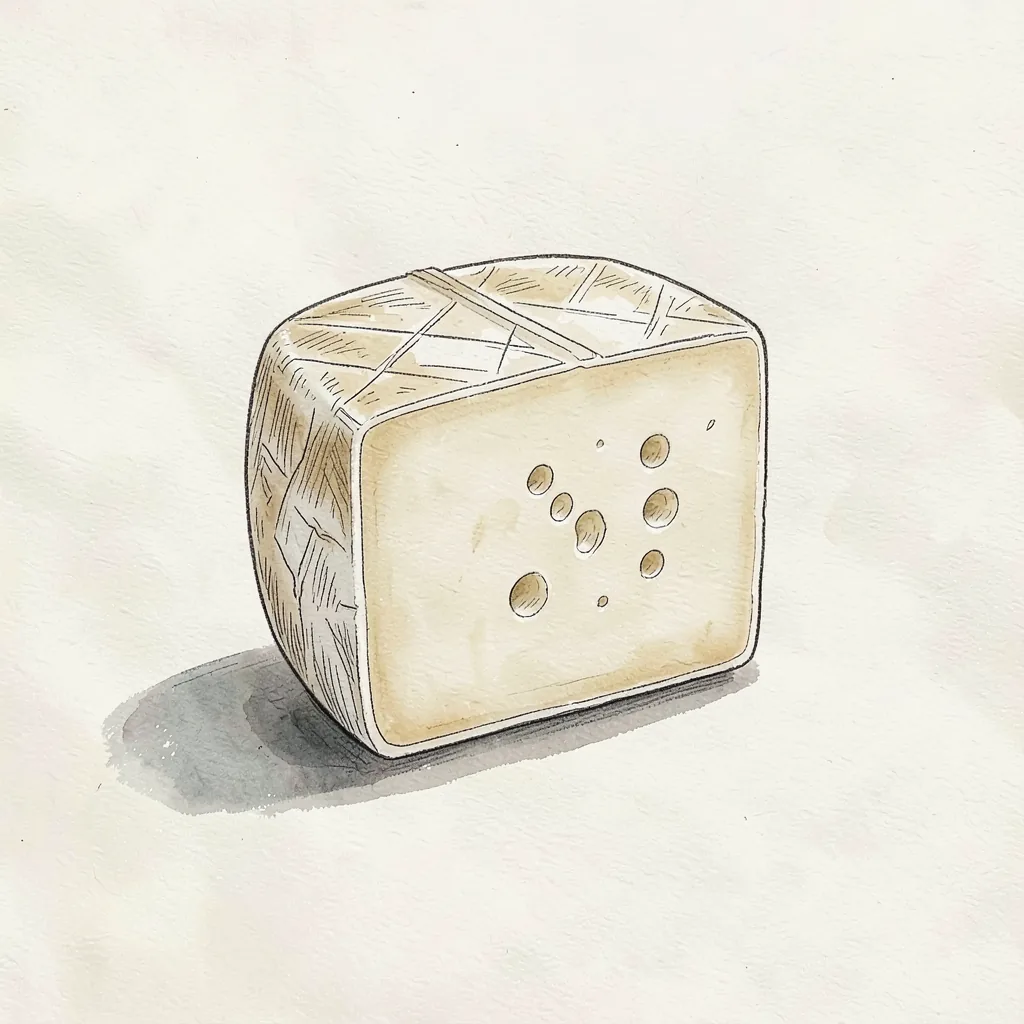
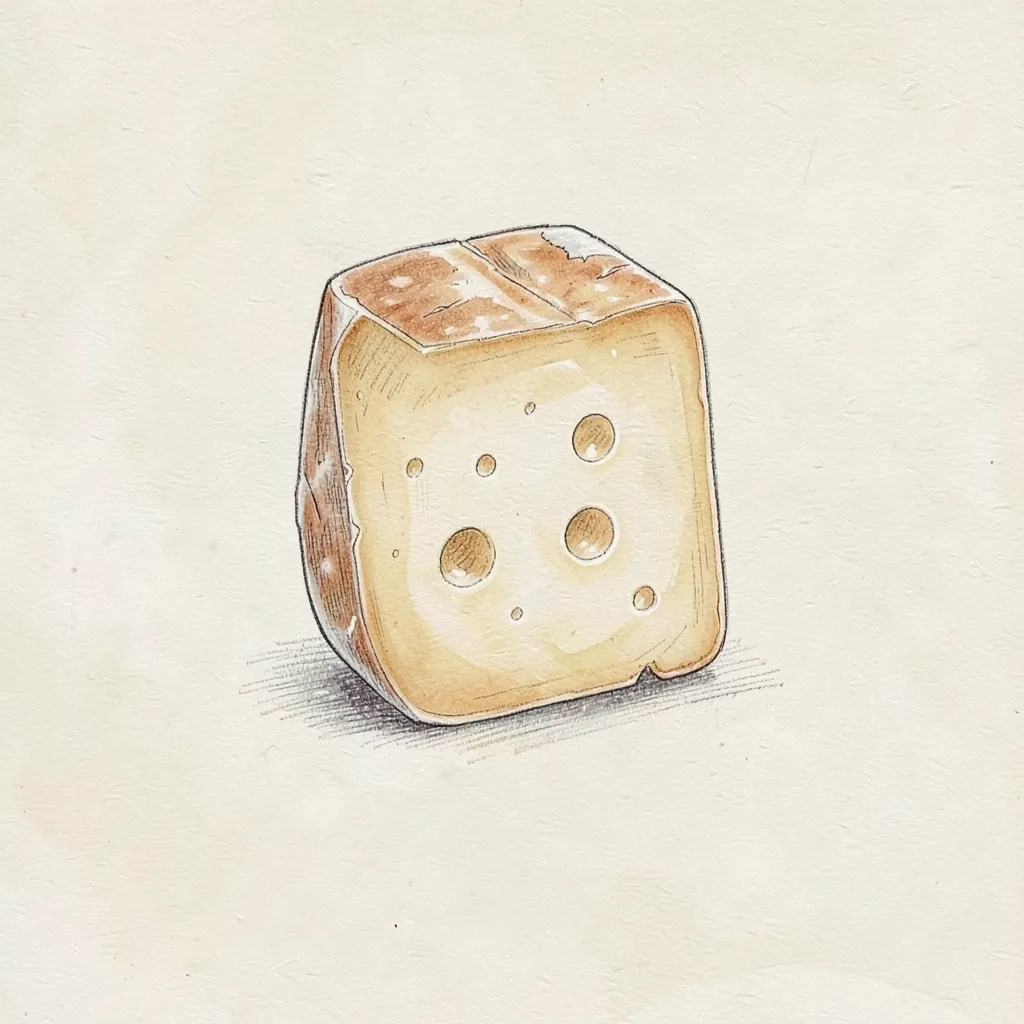
It is pressed into small cones, dried until it is dense, and sold as a grating cheese rather than as a soft wedge. The color is pale green-gray because powdered blue fenugreek is mixed through the curd. The taste is salty, sharp, and herbal, and a little has a strong effect. It is also known as Sapsago in some export markets.
The cheese has no bloomy rind and no creamy interior waiting under a soft coat. You grate it, shave it, or blend it with butter to soften the punch and make a spread. Switzerland is its home, and the cone shape is part of how buyers recognize it on a shelf. It is not a mild table cheese for thick slices, and it is not a fresh spoonable whey cheese. Think of it as a condiment cheese, because the herb, the salt, and the dry texture are the whole point.
History
Hard, herb-seasoned cheeses gave cooks a way to keep skimmed cow's milk in a form that lasted. Schabziger grew from the Swiss ziger tradition, the family of cheeses made by warming and souring milk so the protein sets. The green herb, blue fenugreek, became the marker that separates this cone from a plain white ziger. The cheese was dried hard so it could be stored and grated. Its story is about preservation and a strong flavor, not about a soft fresh curd for the spoon.
In export markets the cheese picked up the name Sapsago, and Sap Sago is another spelling on older labels. The cone, the green-gray color, and the herbal smell stayed recognizable under those names. It remained a Swiss specialty rather than a cheese every grocery case carries. Cooks used it as a seasoning, the way another kitchen might use a salty hard cheese plus herbs. Ziger is milder and not the same cheese, and Schabziger always means the herb and the cone.
How it is made
Skimmed cow's milk is warmed and acidified so a fine curd forms, in the manner of a ziger or other sour-milk cheese. The curd is drained until it is dry, then ground with salt and powdered blue fenugreek. That herb is what turns the mass pale green and gives the cheese its unusual aroma. The mixture is pressed into small cones with flat ends. There is no bloomy rind step and no long bath in brine, because the goal is a dry seasoning cheese.
The cones are dried until they are very hard and dense, which is why a grater is the normal tool. Drying concentrates salt and herb, so the finished cheese is much stronger than the fresh curd it started from. The outside is simply the dried surface of the cone, not a separate rind you wash or bloom with mold. Once it is dry, it keeps well if it stays free of moisture, and a soft wet piece would not be this cheese.
Taste
Salt and herb hit first, before any mild dairy sweetness can take the lead. The fenugreek note is savory and slightly sweet, unlike a bloomy rind or a blue. Under that is a sharp, pungent dairy flavor from the dried curd, more intense than a fresh whey cheese. The texture is granular and hard, so you taste it as fine grains, not as a creamy paste. A large bite on its own can be overwhelming, but a small amount seasons food the way a spice does.
Mixed with soft butter, the same cheese becomes a spread, and the herb reads as fresher and less harsh. Grated over hot food, the aroma rises and the salt melts into the dish. There is little fat richness compared with a cream-added cheese, because the milk is skimmed before the curd is set. Bitterness should stay in the background behind the herb and the salt. If the cone smells musty or damp, moisture has gotten in, and the clean herbal note is lost.
In the kitchen
Grate Schabziger over noodles, potatoes, eggs, or a warm sandwich when you want salt and herb in one step. Stir a pinch into a sauce or a soup near the end of cooking so the aroma stays lively. Blend it with butter for a spread on bread, and add a little at a time until the strength feels right. It does not melt into strings, and it will not make a mild cream sauce by itself. Pair it with plain food that can carry a bold seasoning.
Keep the cone dry and wrapped, because humidity softens it and dulls the herbal flavor. Grate only what you need, since the crumbs lose aroma faster than the whole piece. It can sit on a board, but serve crumbs or a butter blend rather than a thick chunk. Do not use it where a recipe expects a mild melting cheese or a fresh stretching cheese. People who dislike strong herbal salt will not be won over by a larger portion, so start small and taste.
Around the world
Outside Switzerland, Schabziger is a specialty item, sometimes labeled Sapsago in English-speaking shops. It shows up in stores that carry Swiss goods more often than in a standard cheese counter. Cooks who know brunost or other whey cheeses may expect a sweet brown block, and this cone is the opposite, salty, green, and herbal. Ziger, the plainer relative, is milder and lacks the fenugreek that defines the color. Reading the label for the herb and the cone shape prevents that mix-up and saves a disappointing swap.
If you cannot find it, there is no perfect twin on the ordinary shelf. Ziger gives the whey-cheese background without the green herb, so you would need to season the dish yourself. A firm grating cheese plus a pinch of fenugreek is a rough kitchen patch, not a true copy of the cone. Brunost is also a whey cheese, and it is sweet, so it will not season food the same way. Use Schabziger when the herbal salt is what the dish needs, because substitutes change the result.