Cow
What it is
The name is the Alpine word for this style, and the same word is used in Switzerland for a cheese made in the same way. Whey left after cheesemaking is heated so the proteins that remain set into a soft white curd. The result is mild, slightly tangy, and meant to be eaten fresh. It is closer to ricotta than to an aged mountain wheel with a firm rind.
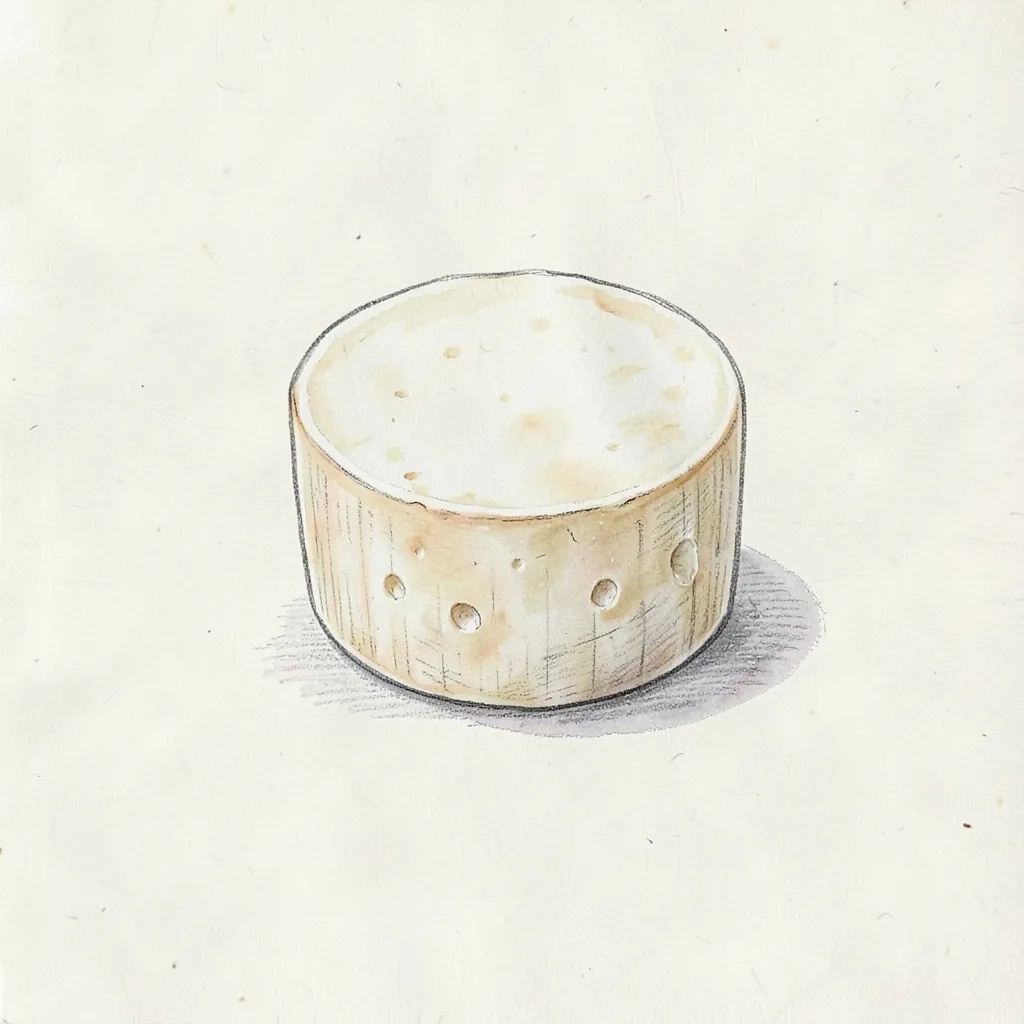
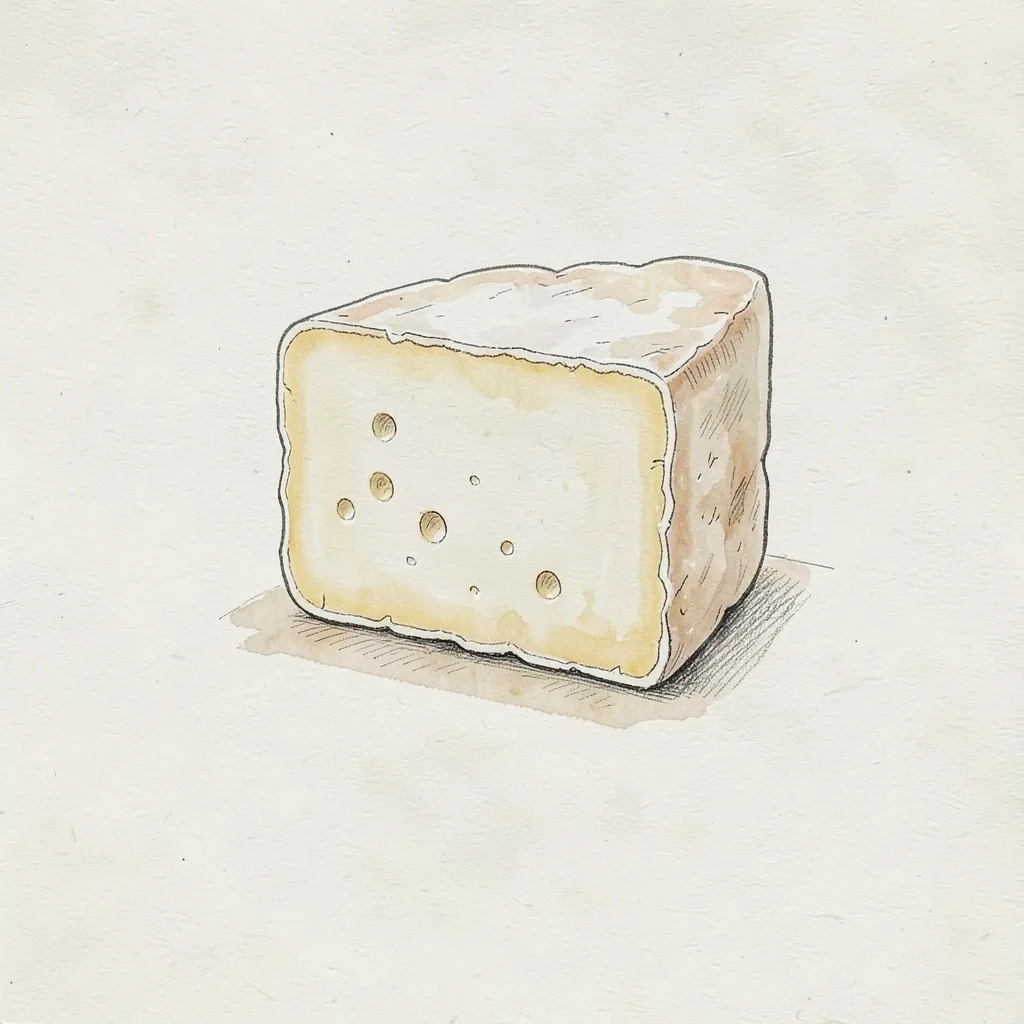
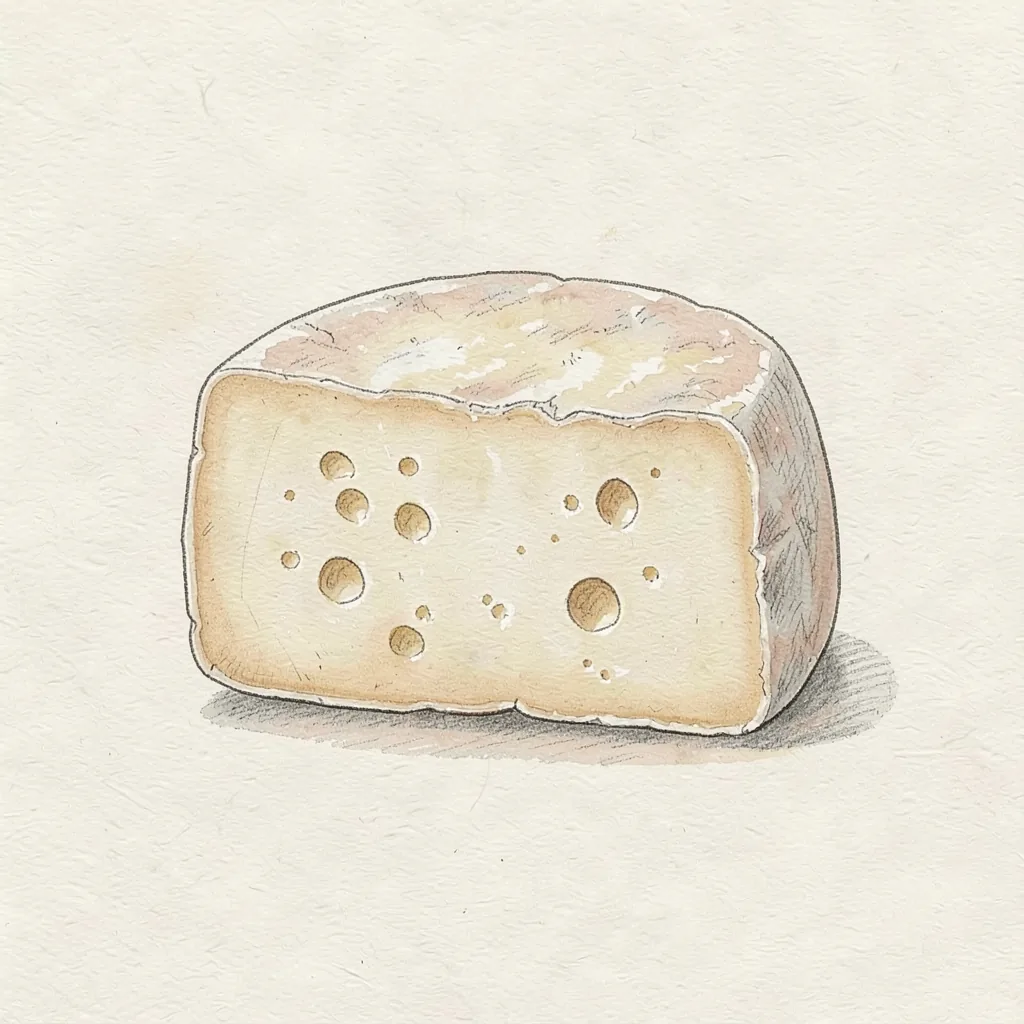
The paste is white to ivory, and it can be soft enough to spoon or a little crumbly after a longer drain. There is no real rind to trim away. Salt is often added at the table rather than during a long brine. In South Tyrol, people eat it fresh, stir it into fillings, or serve it with something sweet. A dry, sour, or yeasty piece has sat too long, while a good one smells clean and faintly of warm cooked milk.
History
Whey cheese is an old Alpine habit born from thrift in the dairy. After the main cheese was formed, the leftover liquid was heated again so the remaining food was not thrown out. In the German-speaking Alps, that soft curd took the name Ziger. South Tyrol, on the Italian side of those mountains, kept the same idea in local dairies and farm kitchens. The cheese was everyday food for the household, not a luxury wheel packed for distant trade.
In Switzerland the name also covers this fresh whey cheese, and a different green herb cheese is made from a related curd. That split causes mix-ups on menus far from the Alps, where one word seems to cover both. In South Tyrol the plain fresh cheese is the one that fits ordinary home cooking. Creameries still lift the curds from heated whey and sell them young. The method has stayed simple, even when the vats and the tools are modern.
How it is made
Cheesemakers collect the whey after they have made another cheese in the same dairy. They heat it until the proteins that remain begin to flock and rise. An acid, such as vinegar or a sour liquid from the dairy, helps the curds form. The soft mass is scooped off and drained in cloth or in perforated forms until it holds together. Sometimes a little milk is mixed in to make the cheese moister, and sometimes the whey is used on its own.
The curds are not cooked into a hard body, and they are not pressed for a long cellar age. A brief drain is enough to set the texture for the table. The cheese can be shaped into blocks, rounds, or loose mounds. It is usually sold soon after draining, still fresh and mild. Some batches are lightly salted, while others stay plain, with no smear, blue mold, or waxed coat.
Taste
Fresh Ziger is mild, lightly tangy, and clean on the finish, with a soft dairy sweetness. It does not taste of rind, smoke, or a long cellar age. The grain can feel fine and moist, or slightly dry if the cloth was twisted hard. Salt, when the maker added little, is barely noticeable in a plain spoonful. A bitter or stale note means the batch is old, and eaten alone it should be quiet food that waits for a partner.
Gentle heat softens it further and can make the grain more obvious in the mouth. Sugar shows a light sweetness that comes from the whey itself. Pepper, chopped herbs, or a savory sauce turn the same curd into a filling. It should not be sharp like a brined cheese, nor herbal and salty like the green Alpine cheese that shares part of its name. If the flavor is loud and spicy, you are probably tasting a different product.
In the kitchen
Use Ziger as you would use a plain fresh ricotta in the same recipe. Stir it into dumplings, pasta fillings, or a savory pie with greens. Sweeten a soft batch for a simple dessert with fruit or honey. Spread it on bread with salt and pepper when you want a light snack. Drain a wet batch before cooking, because it will not grate like a hard cheese or stretch when it is warmed.
In South Tyrol it belongs in home cooking more than on a formal cheese board with aged wedges. A warm dish, such as filled pasta or a baked pancake, suits the mild curd well. Add it late in the cooking so it heats through without drying into dry crumbs. Pair savory plates with herbs, spinach, or potato, and pair sweet plates with berries or citrus peel. Keep the container closed and cold, and use the cheese while it still smells sweet and clean.
Around the world
Outside South Tyrol, many shoppers never see the word Ziger, even though the cheese itself is familiar under other names. In Switzerland the same fresh whey cheese is a known staple, and labels there may use this word. In much of Italy, ricotta is the name printed on the pack in the shop. A traveler who wants this cheese far from the Alps should ask for a plain fresh whey cheese, not a green hard cone. The white, mild curd is the right target for the recipes.
Ricotta is the practical substitute in almost any dish written for Ziger. Urdă, a Balkan whey cheese, is another fair swap when a shop carries it. Both are fresh, mild, and granular, and both need the same care when you add salt. Schabziger shares part of the name, but it is dry, salty, and strongly herbal, so it is not a substitute. If a recipe says Ziger and you buy the green cone, the dish will taste wrong.