What it is
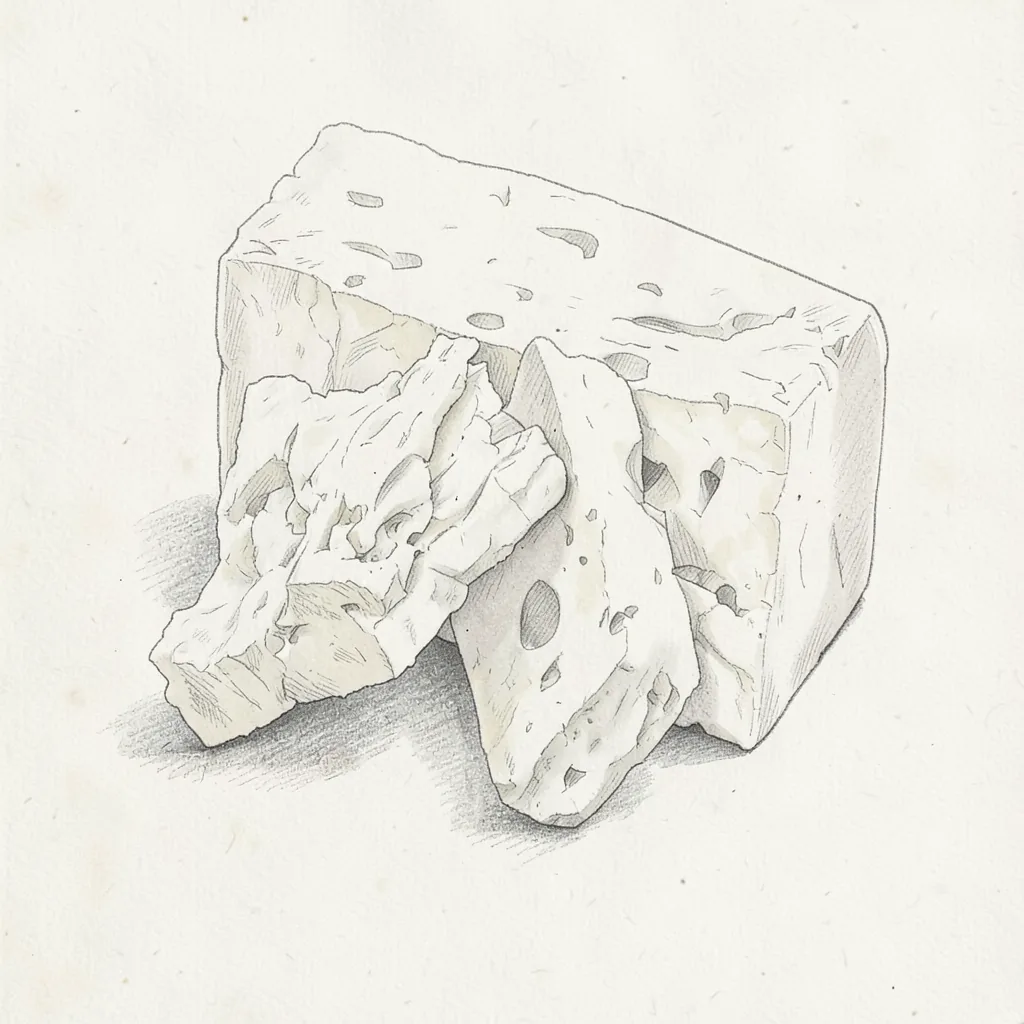
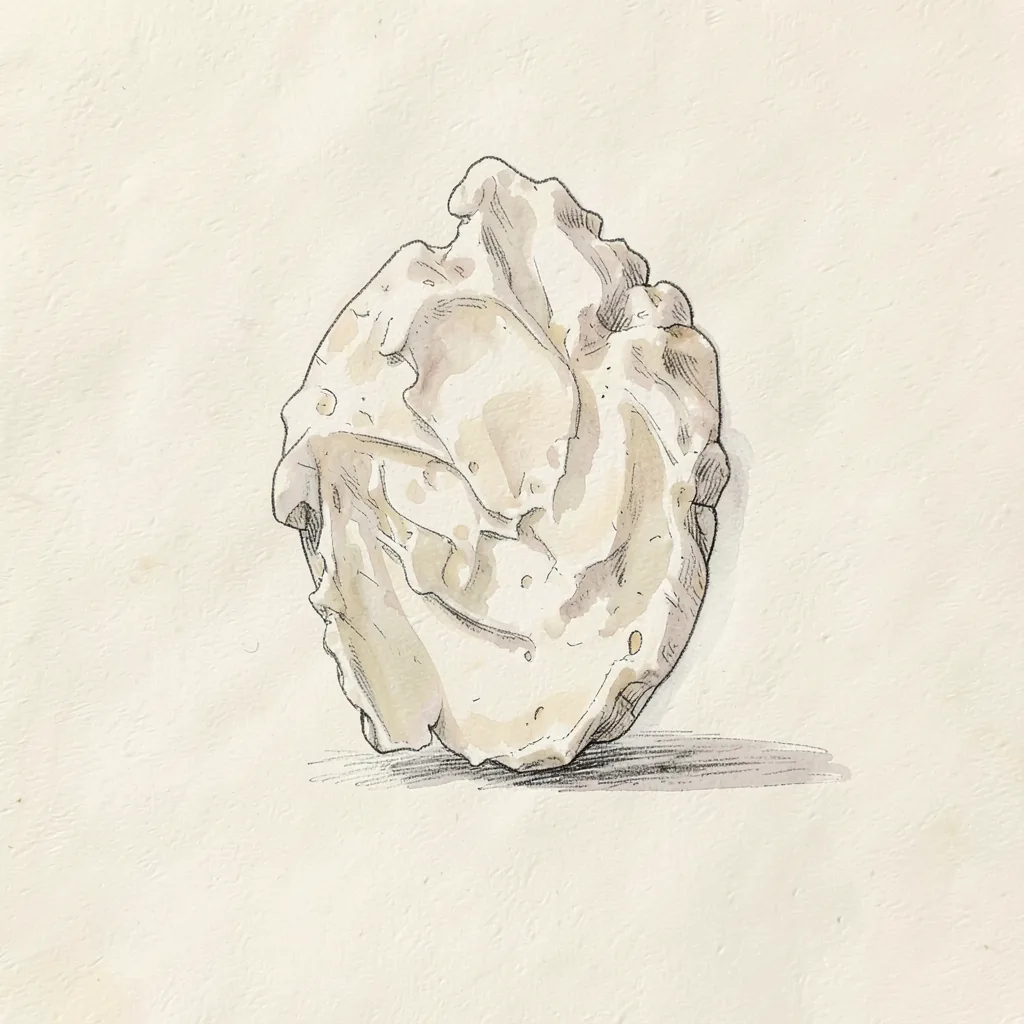
Makers drain a fermented curd, salt it heavily, and roll it into small balls that dry and age. The finished balls are firm and crumbly, with a coat of thyme, za'atar, or hot pepper. Young pieces taste tangy and fresh, while older pieces turn sharp, salty, and very pungent. You eat them crumbled, usually with tomato, onion, and olive oil.
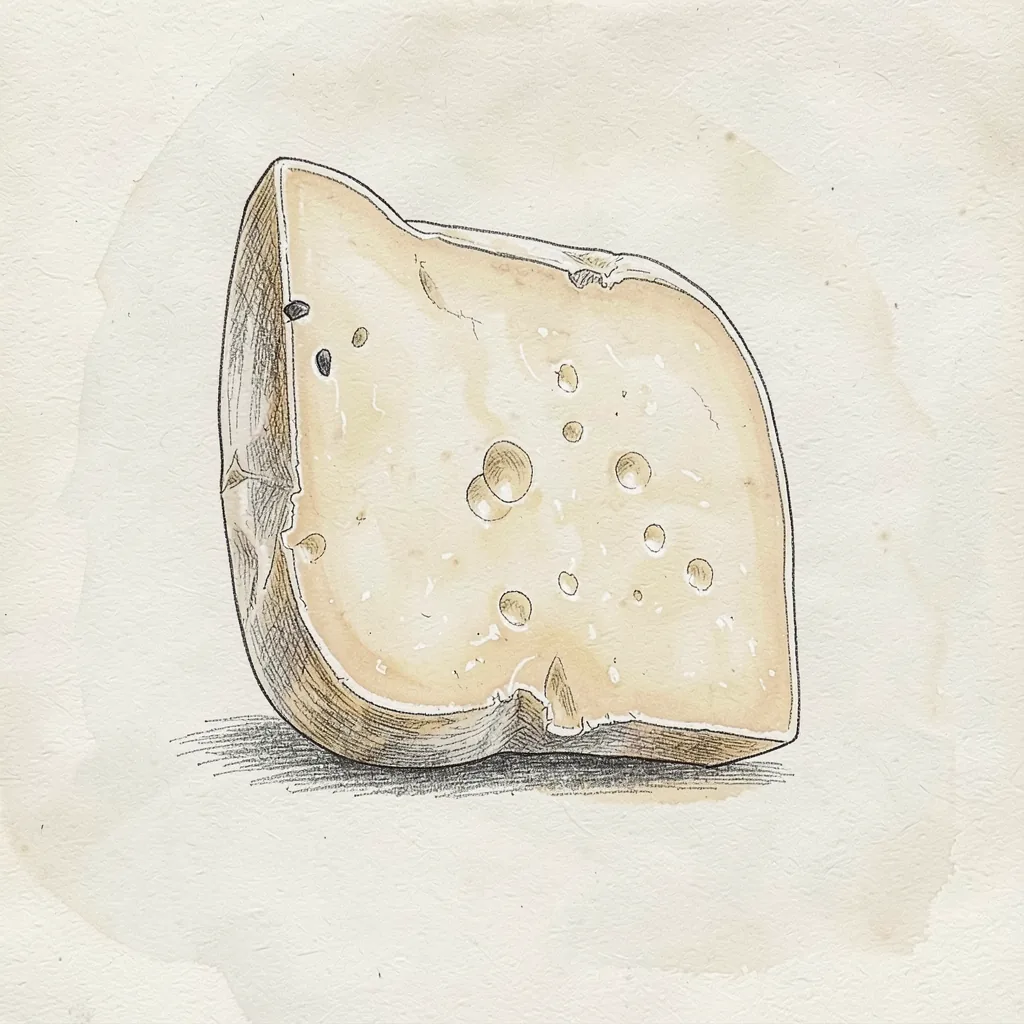
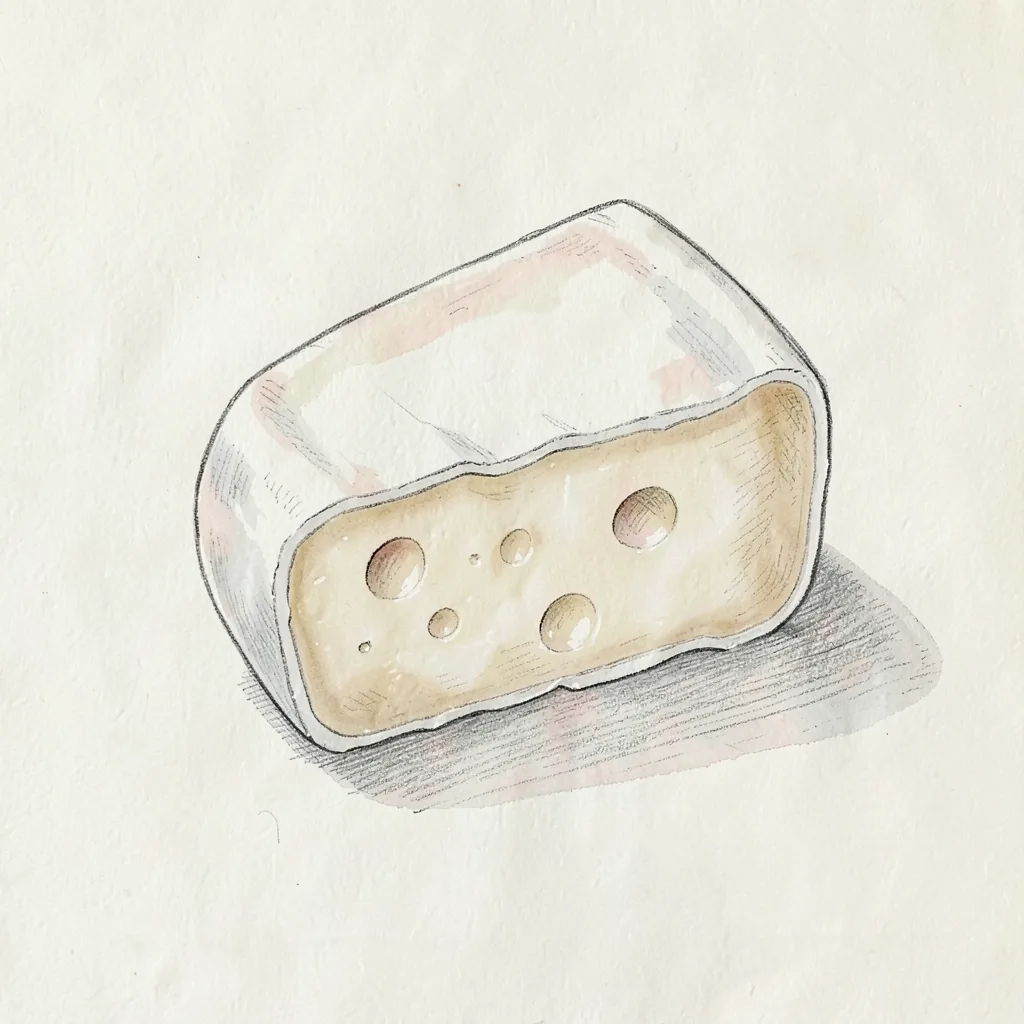
The cheese is a mezze food more than a slicing cheese. A ball may look dry and speckled with herbs, while the inside stays denser and more savory. Some versions are pale under a green herb coat, and others blush from pepper mixed into the curd or rolled on the outside. Both belong to the same family of spiced balls. Shops and home kitchens in Syria treat it as an ordinary strong cheese, not a novelty, and a little goes far because the salt and the age are serious.
History
Shanklish grew from a practical way to keep drained curd in a hot climate. Salting, shaping, and drying let people hold the cheese longer than a fresh pot of strained yogurt would last. The herb coat became part of the identity, not a last-minute garnish. Syrian tables have long used it as a pungent crumb beside fresh vegetables. The same ball appears in neighboring Levantine cooking under this name or a close spelling, and no one city or brand owns the method.
Spelling shifts with the language on the label. Shankleesh and surke refer to the same spiced ball, even when a cook changes the herbs. Dried thyme, za'atar, and Aleppo pepper are all traditional coats, and households differ on which is the proper one. Those differences show a living home tradition rather than one factory recipe. The cheese stayed tied to small-scale work and to pantry jars, and it did not become a mild export block with one uniform flavor.
How it is made
The path starts with yogurt or a similar fermented curd. Makers warm it until the solids separate, then drain the curds until they are thick and crumbly. Salt is worked in generously, and the mass is rolled into balls about the size of a small fruit. The balls are dried until the outside feels firm, then they may rest in a closed jar so the flavor deepens. The shape is part of the cheese you buy, not a garnish added at the table.
Aging can bring a surface mold, which makers rinse away before they dry the ball and roll it in herbs or pepper. The coat clings and seasons every crumb you break off. Some cooks mix pepper and nigella into the curd before shaping, which colors the inside, while others keep the curd plain and flavor only the outer roll. Olive oil is the usual partner on the plate. Some people also store finished balls under oil, but that jar is optional storage, not a different cheese.
Taste
Fresh shanklish tastes tangy, salty, and clean, a bit like a very thick yogurt cheese rolled in herbs. Give the same ball time, and it becomes sharper, funkier, and more insistent. Aged pieces can smell as strong as a punchy blue, even though the paste is not veined. Za'atar adds thyme, sesame, and a citrusy sour note, and pepper adds a fruity heat. Salt is always forward, and this is not a mild cheese for absent-minded snacking.
Texture is dry and crumbly at the edge, and denser inside if the ball was not aged until it turned hard. You should be able to break it with a fork. A bitter taste means it went too far, and a stale herb taste means the coat is tired. A good ball smells herbal first, then salty and fermented, and pepper heat stays after the dairy tang. People who like strong cheese want a small piece, while others will find a whole ball too much.
In the kitchen
Crumble shanklish over chopped tomato and onion, then add olive oil and a little more thyme if you want it louder. That plate is the classic service, with flatbread on the side. You can also fold the crumbs through cucumber and herbs, where the salt seasons the vegetables. A younger, softer ball can be spread on bread, while an older ball should be broken small so the strongest center is shared. Keep the portions modest.
Heat is not the point, because the cheese will not melt into a smooth sauce and does not belong on a grill. Use it as a seasoning crumb over eggs or warm greens. If a ball tastes harshly salty, break it up and dress it with oil and tomato rather than eating it plain. Do not expect it to act like a mild white cheese in a baked dish. A little, crumbled at the end, is the right amount, and too much will take over the plate.
Around the world
Shanklish is at home in Syria, and cooks in Lebanon and other Levantine communities make balls in the same spirit. Spice mixes change from place to place. One jar leans on thyme, and another is red with pepper, but the salty fermented crumb is constant. Grocery shops that stock Levantine foods often keep it beside olives and za'atar. It is less common in ordinary supermarkets far from the region, and a ball you find there is usually already rolled and ready to crumble.
People sometimes confuse it with other white cheeses of the Levant, such as a plain brined cheese or a fresh drained curd. Those are milder and wetter, while shanklish is the aged spiced ball with a coat you can see. Feta can stand in when you need salt and crumble, though it lacks the fermented herb flavor. A strong aged cheese can match the intensity and still miss the thyme. Say the name so a shop does not hand you a mild white cheese instead.