Cow
What it is
The name comes from an Italian verb that means to tear, and the cheese really is pulled into ribbons. Makers fold or braid those ribbons into a loose, flat shape rather than a firm ball. The paste is moist, mild, and meant to be eaten soon after it is made. It sits with mozzarella and other stretched cheeses, but the torn form is its own mark.
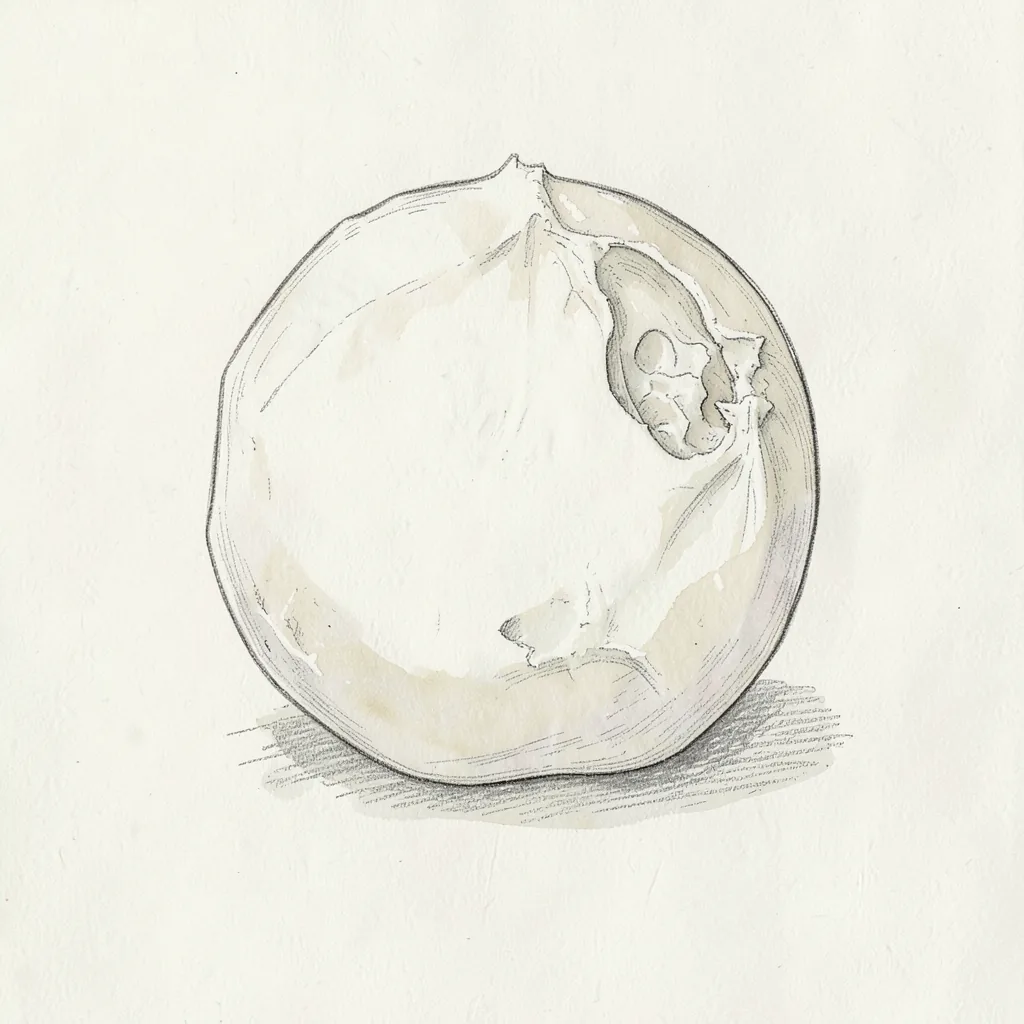
A piece looks white and soft, with folds that can open when you pull them apart. The outside feels buttery, and the inside tastes milky, lightly salty, and a little sweet. When the milk is richer, the color can shift toward pale yellow, while the texture stays tender. There is no rind and no long aging. People in Molise often serve it with bread, olive oil, and a slice of cured pork.
History
Stretched-curd cheese has a long place in the dairies of Molise, where cow's milk was worked by hand into fresh shapes for local tables. Stracciata grew inside that work as a ribbon form, not as a cheese meant for storage. The torn shape used the same stretching skill as other fresh cheeses, while keeping a thin folded piece that was easy to share. Households and small dairies both kept the method. It stayed a food of the region rather than a wheel sent away to age.
The cheese is still tied to Molise even though fresh stretched curd is made in other parts of Italy. What you want on the label is this folded ribbon, not every cheese that shares the stretching step. A ball of mozzarella, a sack of burrata, or strands sitting in cream can use similar milk and still be a different food. Small dairies still form the ribbons by hand, so size and braid vary from piece to piece. Ask for it fresh, because age is not a virtue here.
How it is made
Cow's milk is warmed and seeded with culture from an earlier whey, then set with rennet. The curd is cut, left to firm, and drained until it will stretch. Makers test a small bit in hot water. When the paste pulls into strands instead of breaking, the mass is ready for the next step. They then work it by hand, stretching and tearing it into wide ribbons that stay moist and flexible.
The ribbons are folded back on themselves or braided while they are still warm. Salt is part of the make, but the cheese is not pressed and it is not waxed. Whey left from the vat can go to other dairy foods, while the ribbon itself is the fresh cheese. It is packed soon after forming, sometimes in liquid, and kept cold. A long stay in a cellar would dry it and miss the point of the style.
Taste
Expect a gentle dairy taste, not a sharp or strongly fermented one. Sweet milk, warm butter, and a light salt are the main notes, and they fade cleanly instead of lingering as a bite. The folds can taste a little richer on the surface, where the paste is softer. Inside, the flavor stays milky and quiet. A piece straight from the cold is more muted, so a brief warm-up makes the butter note clearer.
Texture is elastic in a tender way. You can pull a ribbon apart, and it may show fine strands, but it should not feel rubbery like an overworked pizza cheese. Freshness shows up as moisture on the cut or torn face. If the piece smells sour, dried, or sharply yeasty, it has gone past its best, while good stracciata smells clean. The pleasure is simplicity, which is why bread and oil are the usual partners.
In the kitchen
Serve stracciata as it is, torn over warm bread with olive oil, or beside cured pork and a few tomatoes. It can sit on a salad where a soft mild cheese is wanted, and it can fill a simple sandwich. Heat is possible, because stretched curd will soften, but the cheese is at its best before it browns. High heat drives off the fresh milk taste that you paid for. Keep the seasoning light so salt and herbs do not cover it.
Do not grate it, and do not expect a thick rind or a dry crumble. Pull it by hand or cut across the folds with a knife. If it arrives in liquid, drain what you need and leave the rest cold, then use an open pack quickly because this is a fresh cheese with a short life. Burrata is a different parcel, with a cream center, and stracciatella is shredded curd already sitting in cream. Those can replace it in a pinch, but they eat differently.
Around the world
Outside Molise, stracciata is a specialty of Italian shops and some cheese counters, not a standard supermarket ball. Travelers meet it in the region, often at a dairy or a market, where the ribbon may have been formed that morning. Farther away, the name is easy to mix up with stracciatella, the creamy shredded cheese, or with the chocolate-flecked gelato that uses a related Italian word. Read the label for Molise and for cheese, not for ice cream. A fresh date matters more than a famous brand.
Mozzarella is the usual substitute when a shop has no stracciata. Choose a fresh cow's milk piece and tear it, and you will be close in taste, though not in shape. Stracciatella cheese can stand in for a soft milky bite, especially on bread, but it is wetter and already broken into strands in cream. Burrata is richer because of that cream center. None of them needs a long age, and all of them should be eaten while they are still fresh and moist.