Cow
What it is
Makers pull stretched curd into fine ragged pieces and mix those pieces with cream. The result is white, soft, and spoonable, with no rind and no aging. It is the loose filling that sits inside a burrata, and it is also sold on its own in a tub. Either way, it is meant to be eaten while it is still fresh and mild.
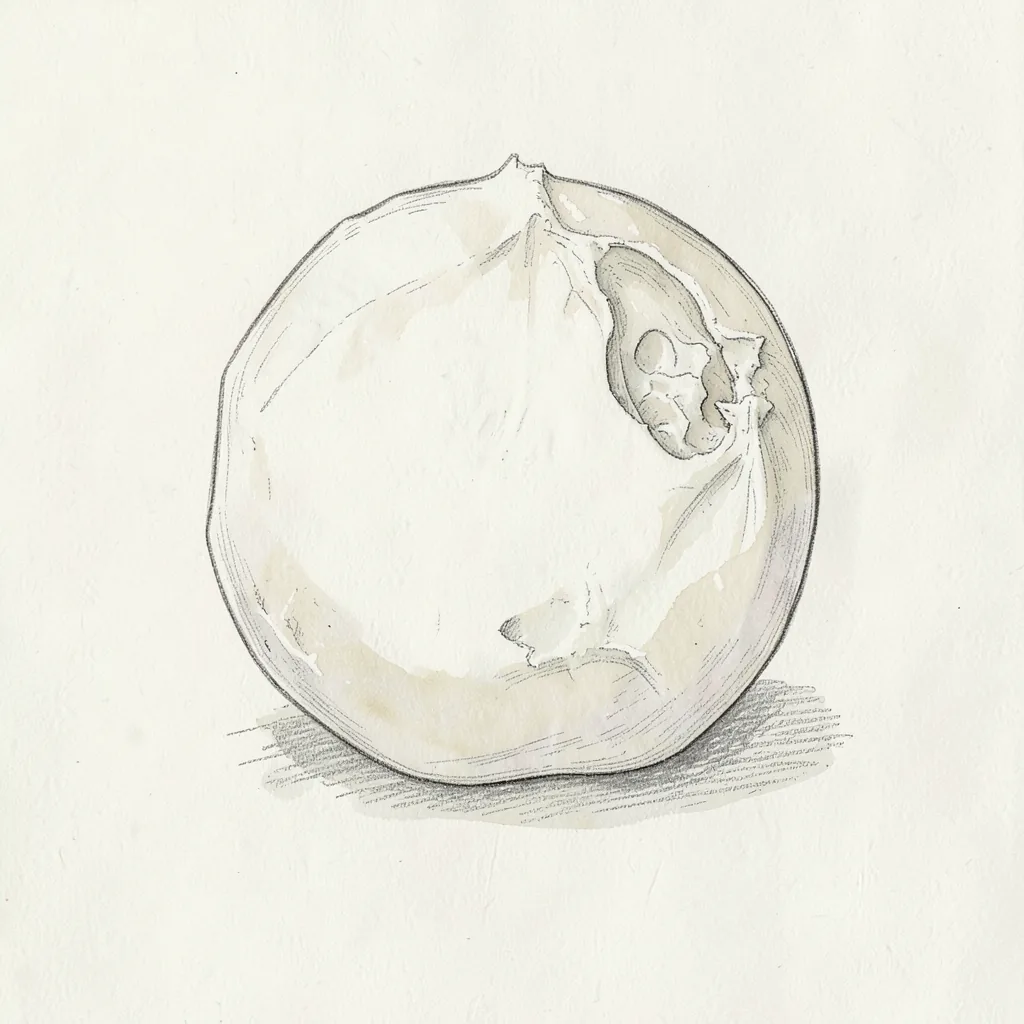
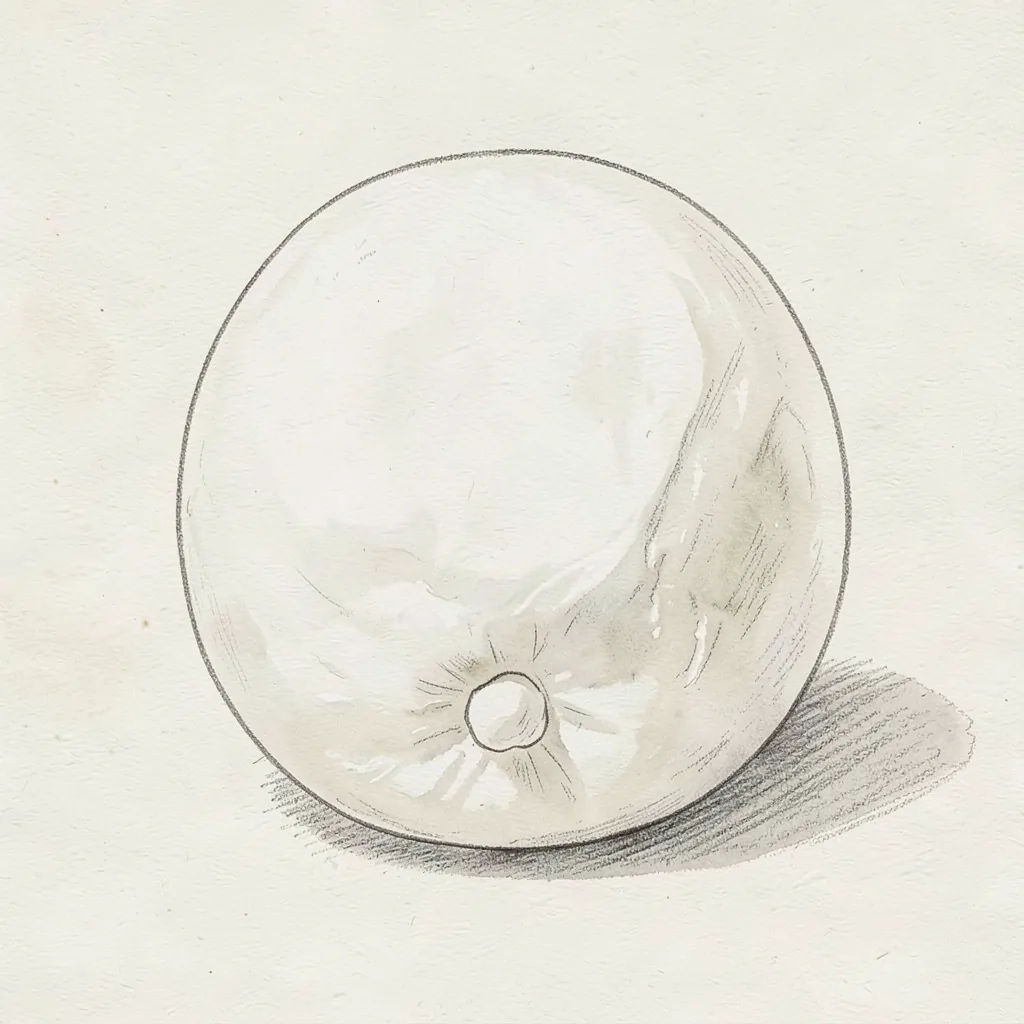
A burrata is a pouch of mozzarella around this creamy mixture, so cutting the pouch open releases stracciatella. Buying the shreds alone skips the outer pouch and gives you the same soft center. The cheese is not a gelato flavor, even though a chocolate-streaked ice cream uses the same Italian word. It is also not stracciata, a different stretched cheese sold under a similar name. Read the label if you need the cheese, the ice cream, or the other loaf.
History
The cheese comes out of the fresh stretched-curd work of Apulia, where dairies already made mozzarella and then looked for a use for tender shreds and cream. Mixing the two produced a rich center that could be enclosed or sold loose. The practice stayed tied to that southern region rather than to one stamped recipe for the tub alone. Burrata carried the filling to a wider public, and the filling kept its own name. The method is a dairy habit, not a single branded invention.
Because the cheese is fresh, it never developed a long trade in aged wheels. Dairies in Apulia ate it promptly, often very soon after it was made. As burrata traveled, the inner mixture became something shops could pack by itself. Producers outside Italy now make similar tubs, especially where Italian fresh cheeses sell well. The reference point remains Apulia, and a tub from elsewhere can be pleasant, but it is a copy of that idea.
How it is made
The base is stretched curd, the same broad technique used for mozzarella. Warm curd is pulled until it is smooth and elastic, then torn or cut into thin irregular shreds while it is still soft. Those shreds are combined with thick cream so the mixture stays loose and rich. Salt is present, but the cheese is not a salty cheese from a brine bath. There is no pressing into a wheel, and there is no rind to grow.
When the mixture is enclosed, a sheet of stretched curd is formed into a pouch, filled, and closed at the top. That pouch is burrata, and the inside is still stracciatella. Sold loose, the same mixture is packed in a tub with enough moisture to keep the shreds creamy. It is not cooked again, smoked, or aged, and cold storage slows spoilage only a little, while the cheese dries or sours if it waits. Freshness is part of the method.
Taste
The flavor is milky, sweet, and lightly tangy, with cream giving a buttery roundness that plain stretched curd does not have. Shreds of curd add a soft chew inside an otherwise spoonable body. There is no sharp age, no mold, and no washed-rind smell. Salt stays in the background so the dairy taste can lead. A good tub smells like fresh dairy and cream, and a sour or yeasty smell means it has gone too far.
Texture is lush rather than firm, and the cheese should slump when you spoon it. The cream clings to the shreds, and the whole mass looks moist and white, not yellowed or dry at the edges. Compared with plain mozzarella, it is richer and less elastic. Compared with mascarpone, it has more curd structure and a fresher lactic note. Both comparisons help a shopper, and neither one is an exact match.
In the kitchen
Serve it cold or only slightly warm, spooned onto bread, tomatoes, or a simple salad. Olive oil, black pepper, and a little salt are enough for a plate. It can sit beside cured ham or grilled vegetables, where the mild cream softens salty or bitter bites. Do not grill the cheese itself. It will not hold a slice on a grate, and high heat just breaks the cream and the shreds apart.
In a warm dish, add it at the end of cooking. Stir a spoonful through hot pasta off the heat, or drop it onto pizza after baking, so it softens without turning oily and separated. It does not grate, and it does not belong in a long bake as the only structure. Use mozzarella when you need stretch and browning. Use stracciatella when you want the creamy center without cutting a pouch.
Around the world
Burrata exports made the filling familiar far beyond Apulia, and shops in many countries now sell both the pouch and the loose shreds. The United States is one of those markets, along with other places where Italian fresh cheese sells well. The word still confuses people who know only the ice cream, so a menu should say cheese. Stracciata, listed as its own cheese, is a different stretched piece and not this cream mixture. If a label is vague, look for shreds in cream.
Outside Italy, quality depends on how fresh the tub is and how far it traveled. Torn fresh mozzarella stirred with cream is only a rough echo, not the same dairy product from Apulia. Burrata is the closest ready substitute because it contains this cheese already. Mascarpone can add richness in a sauce, but it lacks the shreds of curd. Keep the Apulian fresh cheese in mind, and do not replace it with an aged cheese for grating.