Cow
What it is
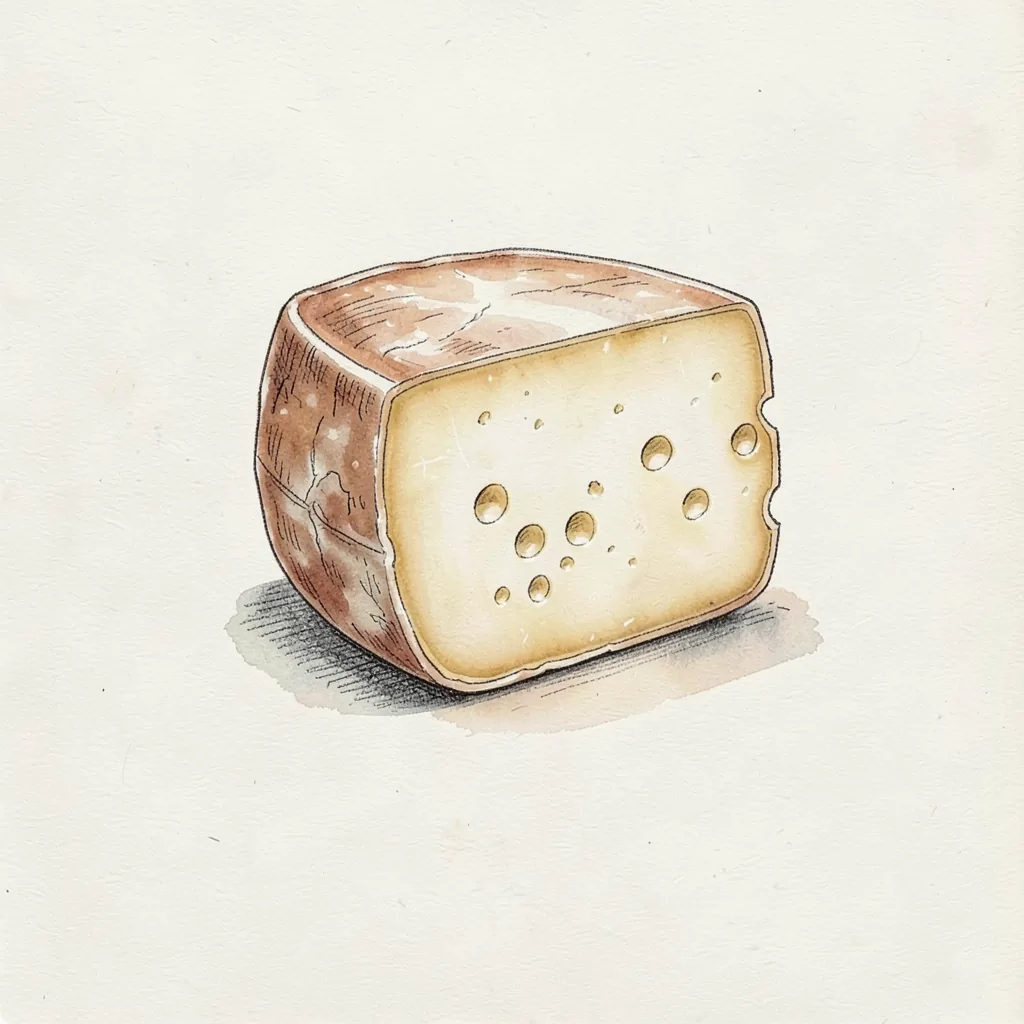
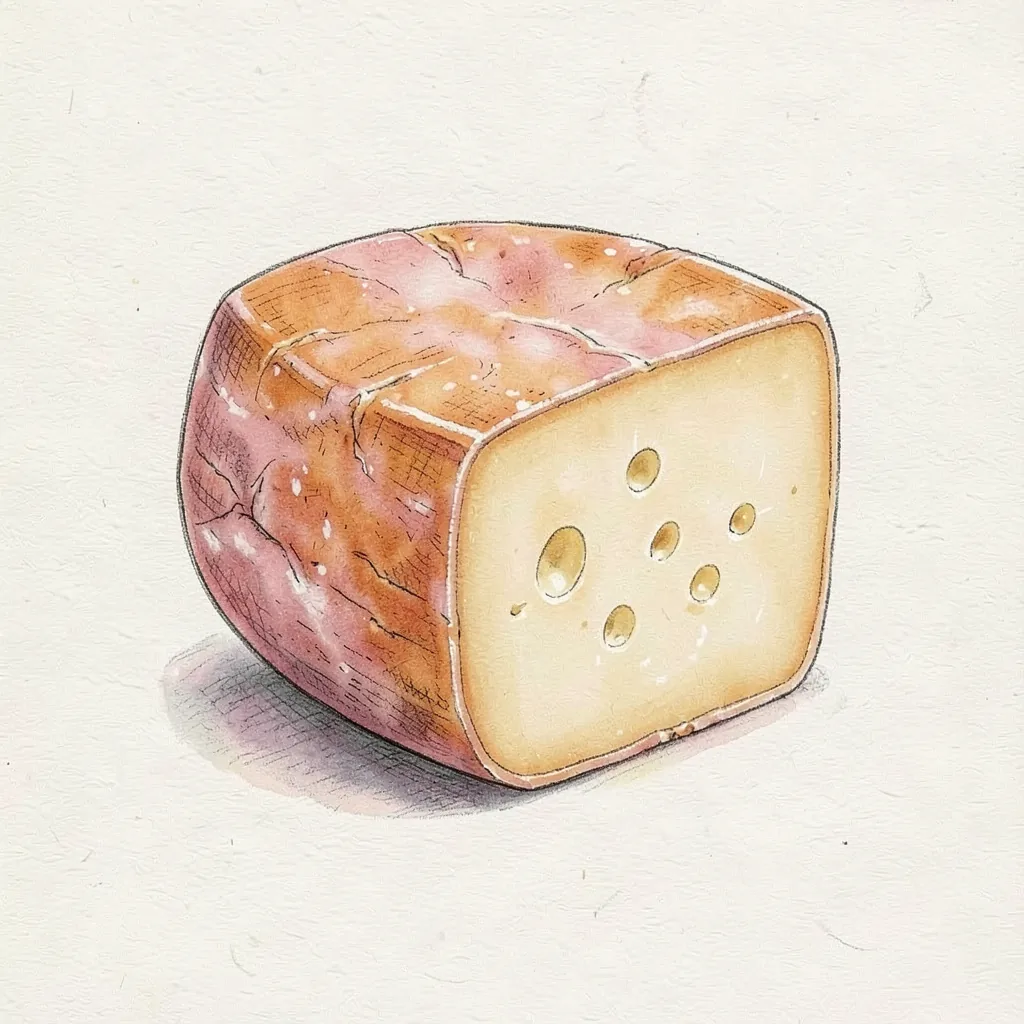
The French name means monk's head. After thin curls are scraped from the top, the cylinder can look a little like a small rounded head, which matches the image in the name. The paste is smooth, aromatic, and ready to soften on the tongue. It is a board cheese first, and thick slices work in a pinch, but shavings show the flavor best.
The cheese is not the large holed wheel that many countries simply call Swiss. A cylinder is smaller, stronger, and meant to be scraped rather than chopped into thick slabs. Cow's milk gives it a rich base, and the washed rind adds a savory edge. People who prefer very mild cheese may find a full curl quite intense, and that intensity is normal. It is still a clean dairy flavor, not a spoiled one, when the cylinder has been kept cold and covered.
History
Tête de Moine is an established Swiss cheese, made from cow's milk and aged as a small pressed cylinder. The French name means monk's head, and a scraped top can suggest that image, which is enough to explain the words without a longer tale. Shops sell it as a regular commercial cheese with a washed rind and a semi-hard paste. The scraping custom is how the cheese became widely recognized on boards outside its home dairies. Producers shape even cylinders so the curls come off in regular pieces.
Scraping the cheese into rosettes is now the standard serving, and the usual tool is a girolle, a blade that turns on a central pin. The tool is newer than the cheese, and people ate the cheese before that scraper existed. What changed is convenience and the pretty shape of each curl, not the milk or the paste. The flavor was already there. Today the cylinder and the scraper are often sold together, but thin pieces from a knife still give you the cheese itself.
How it is made
Cow's milk is set, the curd is heated and pressed into small cylinders, and the wheels are salted. They then age until the paste is semi-hard and the aroma has had time to develop. During that time the rind is washed, so the outside becomes firm, moist, and brownish rather than white and bloomy. The cheese is not stretched, and it is not a blue. Makers keep the cylinders regular so a scraper can take even curls from the top down toward the board.
A finished wheel has few eyes, or none, and the paste should look smooth and supple rather than cracked and dry. Washing the rind does not make the interior runny the way a very soft washed cheese can be. The goal is a cheese that shaves into intact rosettes and still holds if you cut a wedge. Salt is present but not harsh in a well-kept wheel. If the rind smells of ammonia, the wheel was stored poorly and the paste may taste harsh.
Taste
Shaved thin, the cheese smells stronger than a thick slice of the same wheel, because more surface meets the air. The flavor is salty, fruity, and a little spicy, with cow's milk richness and a tang from the washed rind. A curl feels delicate and melts away on the tongue. A chunk from the same cylinder is denser and a bit milder. If the rind tastes very bitter, leave it and eat the paste, which should taste savory and clean, not soapy or stale.
Aroma is half the pleasure, so serve it warm enough that the smell can leave each curl. Cold from the fridge, it seems tighter and less fruity, and the texture feels too firm. At room temperature the spicy note and the cow's milk sweetness both show more clearly. It is stronger than a mild sandwich cheese and less nutty than a big long-aged alpine wheel. The texture is smooth, not crumbly, and a dried-out piece tastes mostly of salt, so cook with that piece instead.
In the kitchen
Set the cylinder on a girolle and scrape the top into thin rosettes for the board. Those rosettes go with bread and with fruit or a little jam. Without a girolle, a knife or a peeler can make loose shavings, though they will be less even. Thick slabs miss the point, because they hide aroma and feel dense on the tongue. Offer the cheese as curls first, and keep the rind if people want a stronger bite, or trim it if they do not.
The cheese also melts, so leftover shavings are useful on warm potatoes or in a simple bake. Add them late, or they disappear into the dish and you lose the texture that makes the cheese interesting. It is too aromatic for a recipe that asks for a very mild cow's milk cheese. On a board, do not cube the whole cylinder the way you would a plain firm block. The scrape is the main method, and the melt is the second use.
Around the world
Tête de Moine travels well, and many shops outside Switzerland sell the small cylinders, sometimes beside a scraper. It is a Swiss cheese, but it is not the holed cheese that other countries label simply as Swiss. Emmental is larger, milder, and full of eyes, while Gruyère is firmer and is more often sliced or grated than scraped into rosettes. If a recipe says Swiss cheese and the picture shows holes, this cylinder is the wrong choice. Buy it when you want the curls and the stronger aroma.
Appenzeller is another aromatic Swiss cow's milk wheel, and people sometimes group it with this cheese because both taste strong. The serving is different, and the pastes are not the same on the board. Abroad, the practical test is the shape in your hand. A small flat-topped cylinder with a brownish rind is the one to scrape, and a big wheel with eyes is a different Swiss cheese. A substitute can match the country and the cow's milk, but it will not copy the rosette.