Cow
What it is
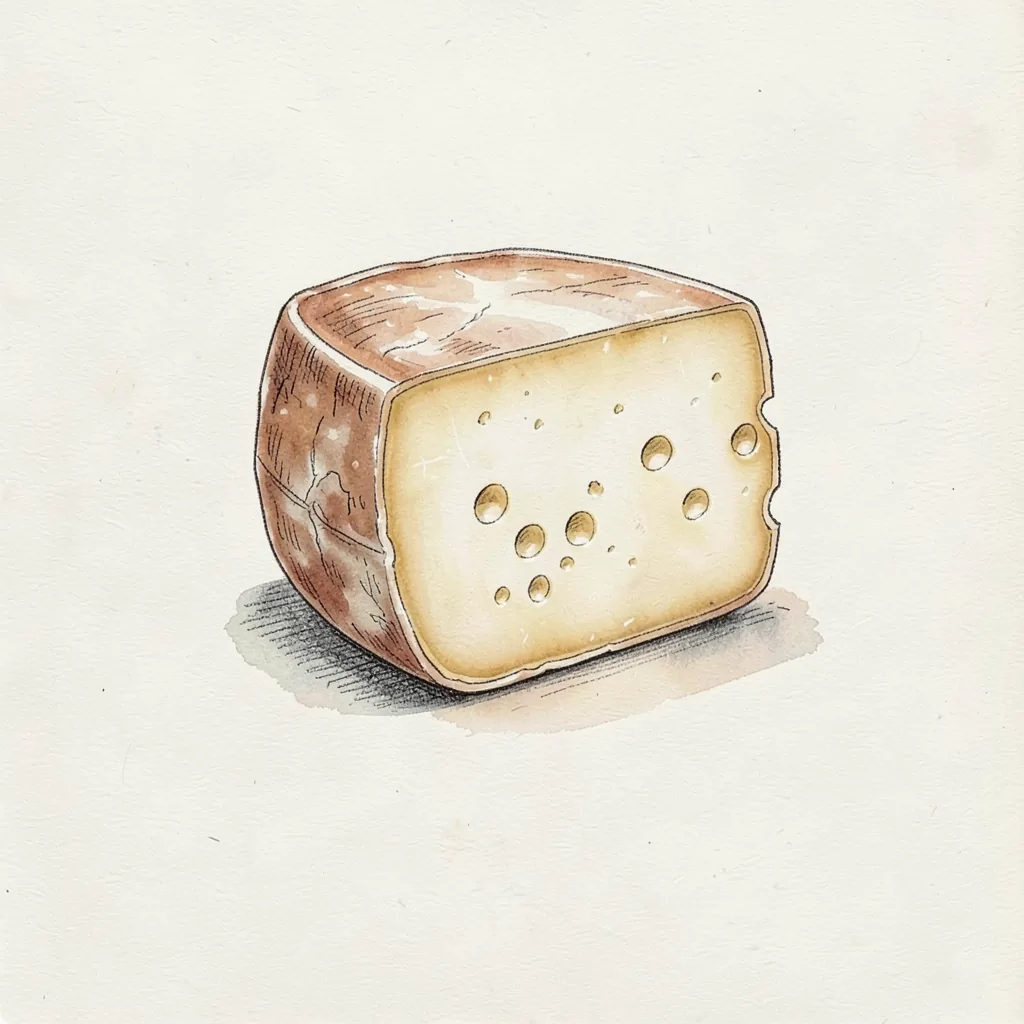
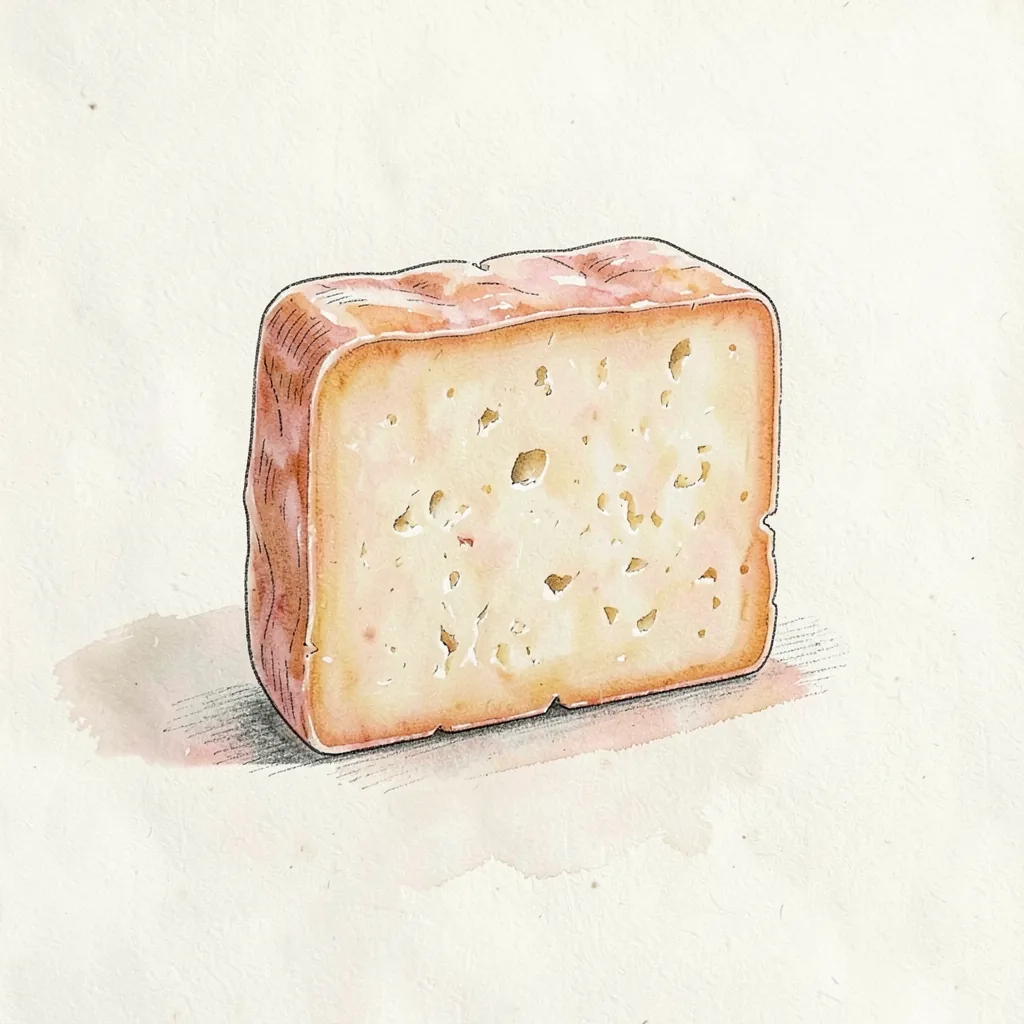
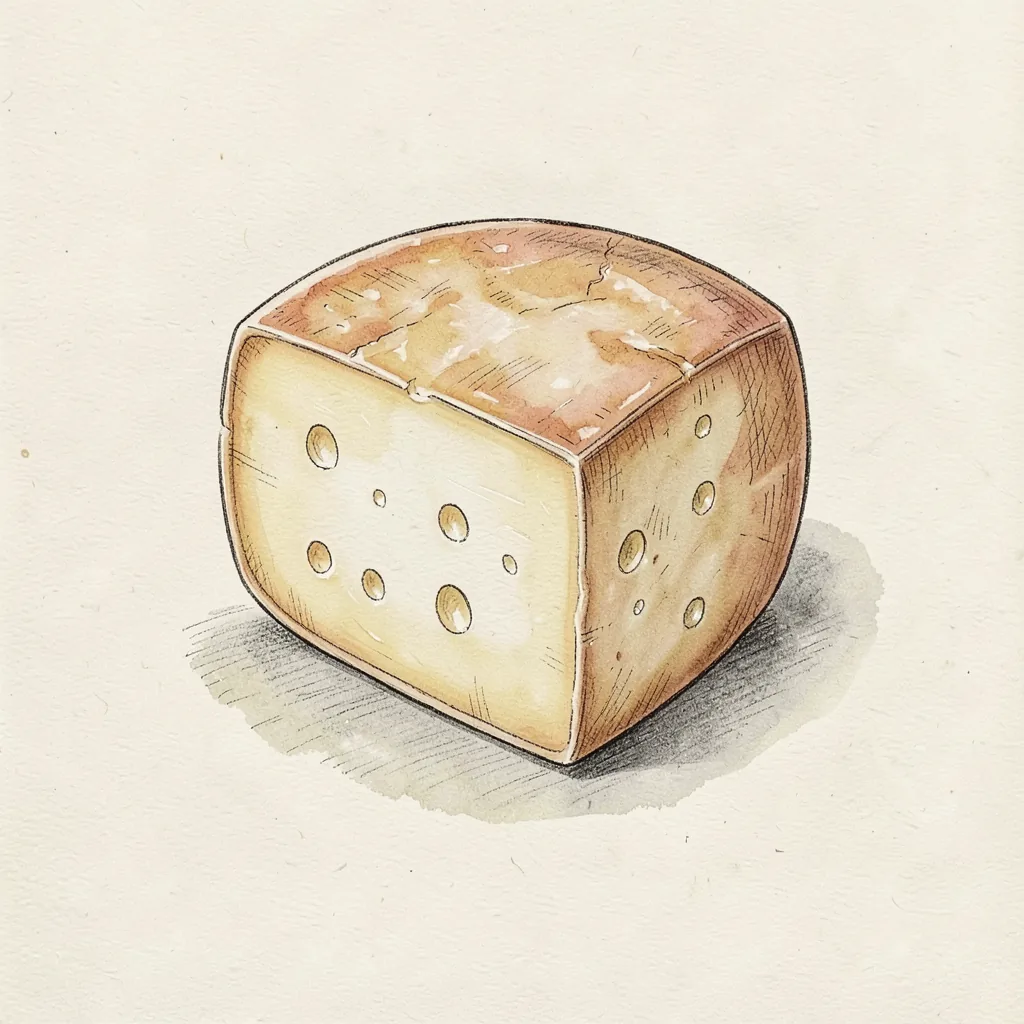
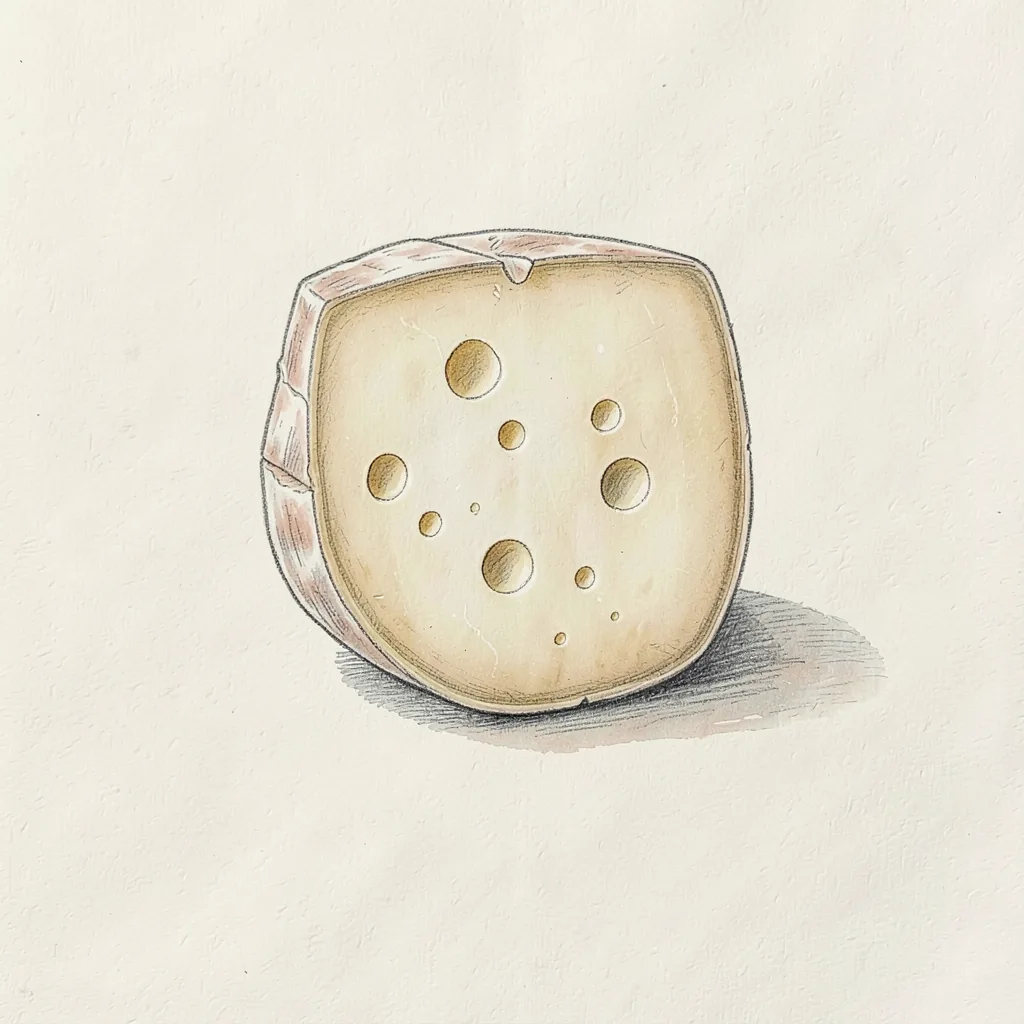
Makers wash the rind with a herbal brine while the cheese cures, and that wash gives a strong smell and a spicy edge. The paste is smooth, pale yellow, and dotted with a few small holes. A younger wheel tastes milder and nuttier, and a longer-aged wheel turns sharper and more robust. It is a cooking cheese and a board cheese, not a fresh slicing cheese.
The herbal brine is the detail that sets this cheese apart from other Swiss mountain cheeses. Makers keep the exact mix to themselves, so one wheel is not a perfect copy of every other wheel. What you can count on is a washed rind, a firm body, and a flavor that grows bolder with time. The smell can be powerful even when the taste is still balanced. Cut a slice before you judge it, because the rind smells stronger than the paste.
History
Alpine dairies in Switzerland have long turned summer milk into firm wheels that could keep through the year. Appenzeller belongs to that mountain tradition of pressed cow's milk cheese. The herbal wash became its signature, and the recipe for the brine stayed with the makers rather than in a public formula. Wheels were sold locally and then more widely as Swiss cheese found markets abroad. The name traveled with the cheese, and shoppers learned to expect spice rather than a mild, nutty slice alone.
Today several grades sit under the Appenzeller name, from a milder cheese to a long-kept one with a darker rind and a sharper taste. The grades are a guide to intensity, not separate inventions. Dairies in Switzerland still make the cheese for a trade that reaches well past the Alps. You will see it in wedges, and sometimes as a labeled wheel that hints at how boldly it was cured. The constant facts are the cow's milk, the herbal wash, and the firm Alpine paste.
How it is made
Cow's milk is set, the curd is cut, and the curds are heated and pressed into large round molds. Pressing drives off whey and builds a close, smooth body with only small openings. After the wheels leave the press, they are salted and moved to a curing room. There, the herbal brine is brushed or rubbed over the rind again and again. That repeated wash flavors the cheese and shapes the brownish rind.
The brine may include wine or cider along with herbs and salt, but the full blend is not published. You will not see a list of every plant on the label. Aging continues until the paste is firm and the flavor has moved past plain milk. Shorter curing gives a gentler cheese, and longer curing gives a darker rind and a spicier paste. The eyes stay small, about the size of a pea, rather than large round holes.
Taste
A mild Appenzeller tastes nutty, buttery, and a little fruity, with a tang that reminds some people of a stronger Gruyère. The herbal wash adds a savory, spicy note that sits on top of the milk. It is not as sweet as a very young mountain cheese, and it is not as fierce as a long-washed smear cheese. The paste feels smooth and slightly elastic. Small holes make the slice look open without turning it spongy.
Longer-aged wheels smell stronger and taste sharper, with a peppery finish and a more pronounced herbal aroma. The rind can be sticky or dry depending on age, and it is usually cut away. Salt is present but not the main impression. If you only smell the rind, you may expect a harsher cheese than the paste actually gives. A room-warm slice shows the fruit and the spice more clearly than a cold one.
In the kitchen
Appenzeller melts into fondue, sauces, and gratins, where its spice keeps the dish from tasting flat. It is excellent on potatoes, onions, or spaetzle, and it grates over soup. A milder wheel is easier in a mixed fondue if you do not want one cheese to dominate. A sharper wheel is better in a small amount, the way you would use a pungent washed cheese. On a board, pair it with rye bread, mustard, and a firm pear.
Shave or grate it just before serving so the aroma stays fresh. The rind should stay out of most melted dishes, because it can taste bitter and muddy the sauce. Cubes can go into a salad if the cheese is the milder sort. Wrap leftovers well, since the smell will move to other foods in the fridge. Let a board portion warm up, and keep the cooking portion cold until you grate it so the shreds do not clump.
Around the world
Appenzeller is sold across Switzerland and in shops abroad that carry Alpine cheeses. People often group it with Gruyère and Emmentaler, but the herbal wash makes it spicier than either in a typical young wheel. American Swiss cheese, the mild eyed cheese made in the United States, is a different product and a poor match for this flavor. If a recipe asks for Appenzeller, a nutty Gruyère plus a little washed-rind cheese is a practical path. The result will be close, not identical.
In Swiss cooking it shows up in fondue, melted over potatoes, and in baked dishes where a bold cheese is welcome. Raclette-style meals can use it, though a true raclette cheese melts in its own way. Tilsit is another washed cheese that shoppers mix up with it, and Tilsit is usually milder. Abroad, the wheel is a specialty item more than a daily grocery cheese. Look for it by name, because a generic Swiss label will not give you the herbal rind.