Cow
What it is
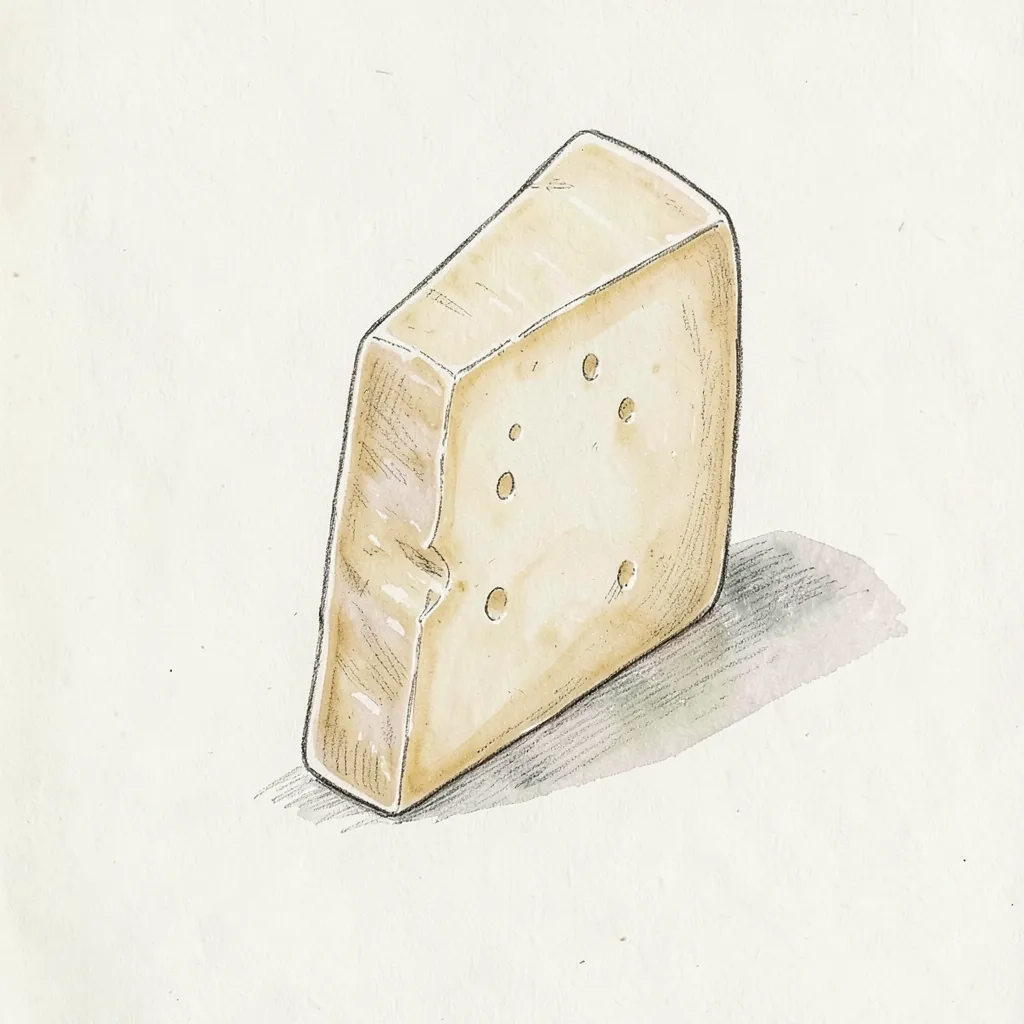
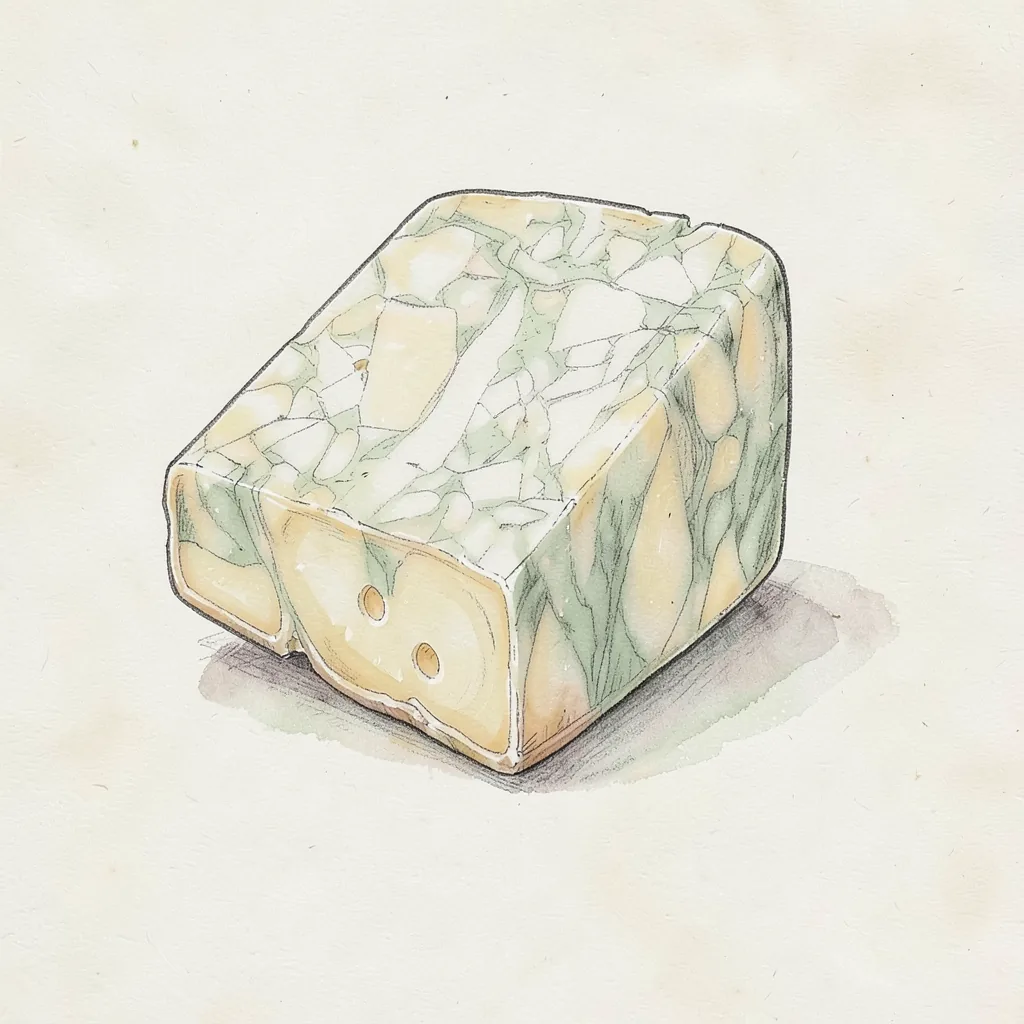
The paste is creamy and close, and the wheel is sealed in a bright green wax coat that makes it easy to recognize. It is a flavored cheddar, not a farmhouse recipe from one valley. The herbs are mixed through the cheese, so every slice carries onion and chive flavor. Salt and tang come from the cheddar base.
On a board, Tintern tastes like a smooth mature cheddar with a fresh allium note, and it is milder than a long aged clothbound cheddar. In the kitchen it melts readily, which suits a grilled sandwich, a baked potato, or a simple sauce. The green wax is a coating, not a rind you eat, and it should come off before serving. The cheese is sold ready to slice. It does not need extra aging at home.
History
Tintern sits in the British habit of taking cheddar and folding in a savory flavor, rather than selling only a plain block. Chives and shallots are the flavor here, and they are blended into creamy mature cheddar made from cow's milk. The result is a shop cheese with a clear recipe, not a wedge rubbed with herbs at the counter. The green wax became part of how buyers recognize it. People can spot the coat before they read the label.
The cheese uses a place name as its title, but it is sold as a cheese of the United Kingdom, not as the product of one listed town. Makers have changed over time, while the recipe idea stayed stable: mature cheddar, chives, shallots, and a green wax coat. It is a blended cheese, so the herbs are not a late sprinkle on a plain wedge. Shops sell it in wheels and in smaller pieces. The look and the flavor identify it more than any single producer name.
How it is made
The cheddar comes first. Pasteurized cow's milk is made into a mature creamy cheddar, and that cheese is then blended with chopped fresh chives and shallots. The herbs are spread through the paste so the flavor is even from the center to the edge. The mix is formed into wheels or smaller rounds. Green wax goes over the outside, which limits drying and gives the cheese its familiar color.
Because the flavor is blended in after the cheddar exists, Tintern is not a curd set with herbs in the vat. The texture stays smooth and close, closer to a creamy cheddar than to a dry crumbly block. Wax is a coating, and it is not a bloomy rind or a washed rind. No blue mold is part of the make. The cheese is ready when it is packed, and further age is not what the recipe asks for.
Taste
Tintern tastes of mature cheddar first, creamy and lightly tangy, with a smooth feel on the tongue. Chives add a mild green onion note, and shallots bring a slightly deeper savory bite. The two alliums are clear but not hot, and they do not cover the dairy flavor. Salt is moderate. The finish is fresh and a little sharp, then it fades, rather than lingering like a very old cheddar.
The paste is pale and even, with green flecks from the herbs, and it slices without falling into dry crumbs. A piece near the wax can be firmer if it has dried, and that edge is better trimmed. There is no smoky taste and no fruit paste mixed in. Compared with plain cheddar, the onion note is the whole difference. Compared with a sage cheese, the herb is brighter and more like fresh chives baked into the paste.
In the kitchen
Melt Tintern in a grilled sandwich, over a baked potato, or through a folded omelette, where the cheddar body softens and the shallot note stays pleasant. It also cubes neatly for a ploughman's plate with bread, pickle, and apple. In a quiche it behaves like cheddar and adds a light onion flavor without a raw shallot bite. Do not try to grate it into a dry powder. Slices, cubes, and melts are the useful forms.
Peel the green wax away before you cook or serve, because the coat is not an edible rind. If you want a plain cheddar sauce, the herbs may taste odd, and a plain block is the better buy. If you want a flavored melt, Tintern saves a step, since the chives and shallots are already in the cheese. Keep the cut face wrapped so the paste does not dry and the herbs do not fade. It keeps like other waxed cheddars and should not sit out for long.
Around the world
Tintern is eaten mostly in the United Kingdom, where flavored cheddar is an ordinary counter cheese. The green wax is the clue abroad, and buyers often notice the color before the herb list. It shows up in British import shops and on themed boards more than in general supermarkets overseas. Plain cheddar is the fallback when the green wheel is missing, though you lose the chives and shallots. A cook can add those herbs to cheddar, and the result is close but not identical.
Sage Derby is the cheese people confuse with it, because both are British cow's milk cheeses with herbs in the paste. The herb is different, and Derby is not cheddar, so the tang and the texture do not match exactly. Y Fenni is another flavored British cheese, with mustard and ale rather than chives and shallots. Neither is a bad board neighbor, but neither tastes like Tintern. Read the label if the coat is colorful, since wax color alone does not name the cheese.