Sheep
What it is
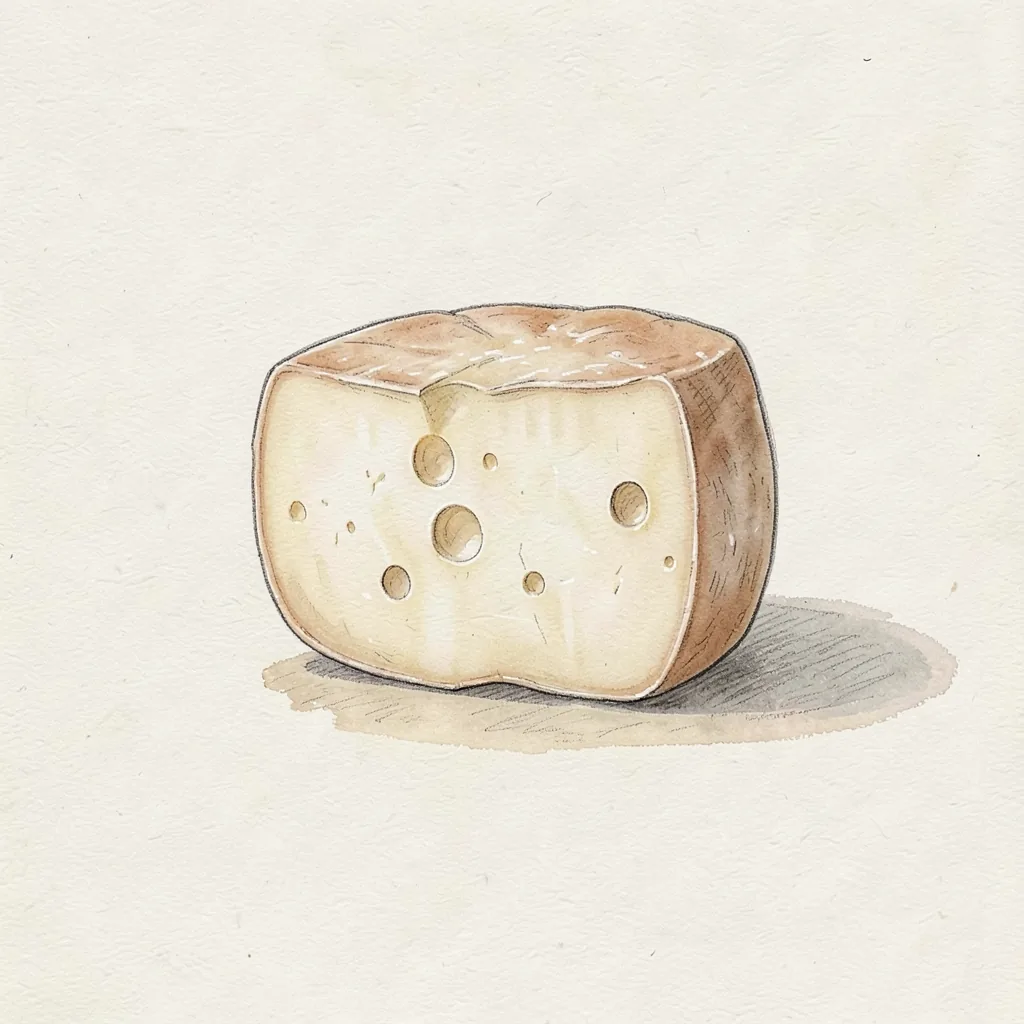
The word torta means a cake, and a ripe wheel settles into a low round instead of standing tall and firm. Makers set the milk with cardoon, a kind of thistle, instead of animal rennet. That plant coagulant is why the center becomes almost spoonable while a thin rind still holds the shape. The paste is rich, a little bitter, and meant to be scooped.
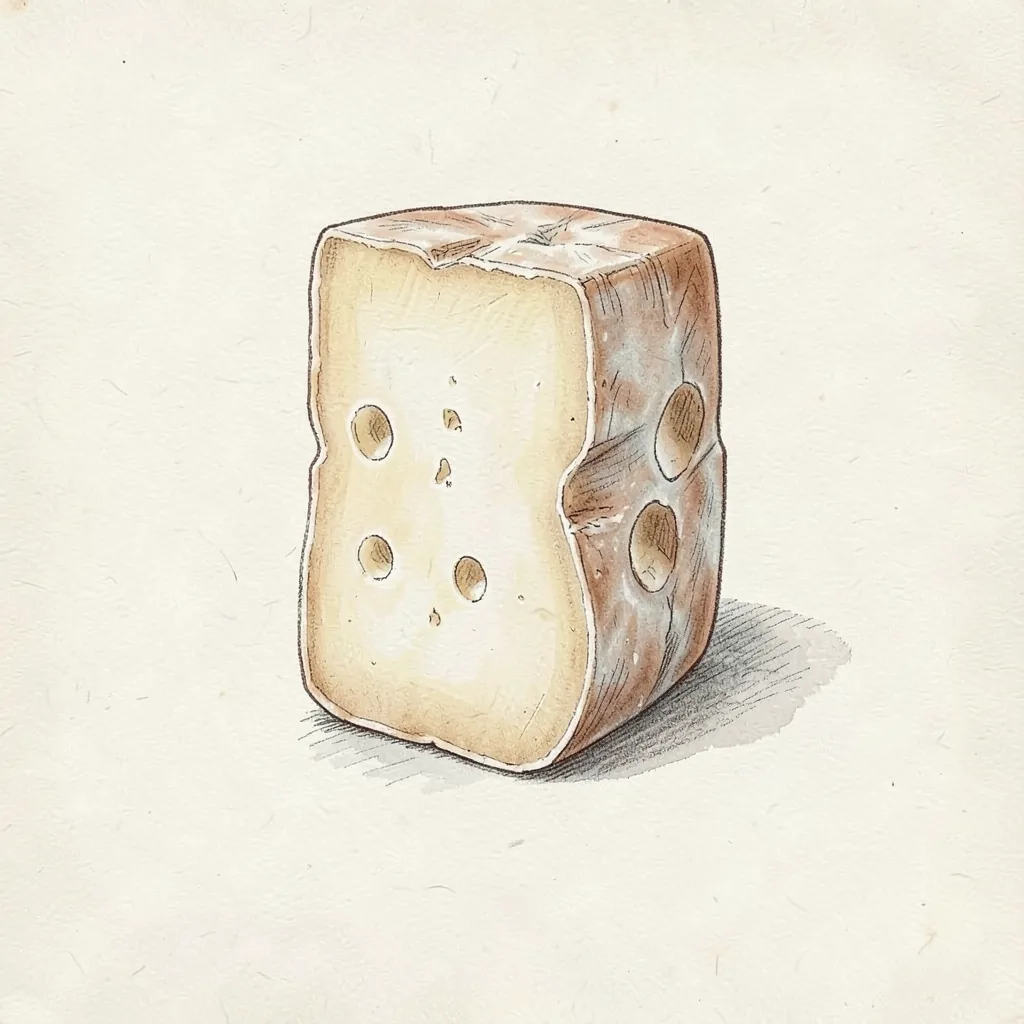
From the outside the cheese looks modest, with a yellow to ochre rind that may show small cracks. Inside, the color is ivory or pale straw, and the body runs from soft cream to a loose custard. Many people cut off the top and use the rind as a bowl. Bread is the usual tool at the table, more than a sharp knife. Once warm, the aroma is strong, so keep it away from very mild foods in the same box.
History
Makers in Spain set sheep's milk with cardoon flowers when that plant was the local coagulant. Dried thistle is soaked to make a vegetable rennet, and it gives the cheese a soft center and a slight bitterness. The drooping, cake-like shape became the name people still use. For a long time the cheese stayed close to the flocks and the farms. City shops and careful shipping came later, once buyers wanted the spoonable paste far from home.
The habit of opening the top and serving the inside with bread did as much as any recipe to spread the name. Cooks did not need a complicated dish. A warm wheel, a loaf, and a spoon were enough. Similar thistle-set sheep's cheeses are famous in Portugal, which is why labels get mixed in shops outside Iberia. Torta del Casar remains a Spanish cheese, with its own balance of bitterness, salt, and cream.
How it is made
Fresh sheep's milk, often still raw, is warmed and coagulated with an extract of cardoon flowers. The curd is cut fine, near the size of small grains, so whey can leave. It goes into round molds and is pressed into a low cylinder. The press gives the shape without squeezing the paste dry. Salt is added, and the wheels ripen in a cool, humid room.
While the cheese ripens, the thistle rennet keeps working and the center softens from within. The rind stays thin and semi-firm, and its color moves from yellow toward ochre. Some wheels are rubbed with oil. Some need a band so the soft middle does not burst through. A slight collapse is a sign of ripeness, but a harsh ammonia smell means the wheel has gone too far.
Taste
The flavor is rich and sheepy, with butter, light salt, and a bitter edge from the cardoon. Many people also taste herbs, artichoke, or a warm vegetal note. The smell is earthy and a little wild, and it opens as the cheese warms. The paste melts on the tongue instead of chewing like a firm slice. Bitterness should stay pleasant, like a green plant, not like a burnt or soapy end.
Near the rind the paste can be denser, while the core is glossy and almost fluid. A cold spoonful tastes quieter and thicker. At room temperature the cheese tastes fuller, and the bitter note is clearer. There is no blue mold and no sticky orange rind. A good wheel smells of clean sheep's milk and thistle, then finishes long and savory.
In the kitchen
Serve a whole wheel as the center of the plate. Slice away the top rind, leave the sides as a cup, and spoon the paste onto toast or crusty bread. It also spreads on a cracker, a warm potato, or a grilled vegetable. A little honey or a slice of ripe fruit can balance the bitter note. Do not try to cut neat cubes, because the center will not hold one.
A spoon of the paste can enrich a simple sauce or a fold of pasta, but add it late and in a small amount. Heat can push the bitterness forward and dull the delicate part. On a board, give the wheel its own knife so it does not perfume a mild cheese beside it. Store it cold, then bring it out before serving so the center loosens. Cover the cut top and eat the open cheese soon, because the surface dries and the smell grows.
Around the world
Torta del Casar reaches cheese shops outside Spain, usually as a whole wheel that needs careful packing. Buyers should expect a soft cheese that may shift in the box, not a hard wedge. If a label is vague, look for sheep's milk, a vegetable rennet, and a spoonable center. It is not a blue cheese, and it is not a bloomy white round. Ask the shop to keep it cold until you go.
Serra da Estrela and queijo de Azeitão are the cheeses most often set beside it. Both are Iberian sheep's milk cheeses set with thistle, and both can be scooped when ripe. They are neighbors, not copies. Each has its own salt, aroma, and balance of bitterness. If Torta del Casar is missing, either Portuguese cheese can fill a bread and spoon service, as long as you say which one you opened.