Sheep
What it is
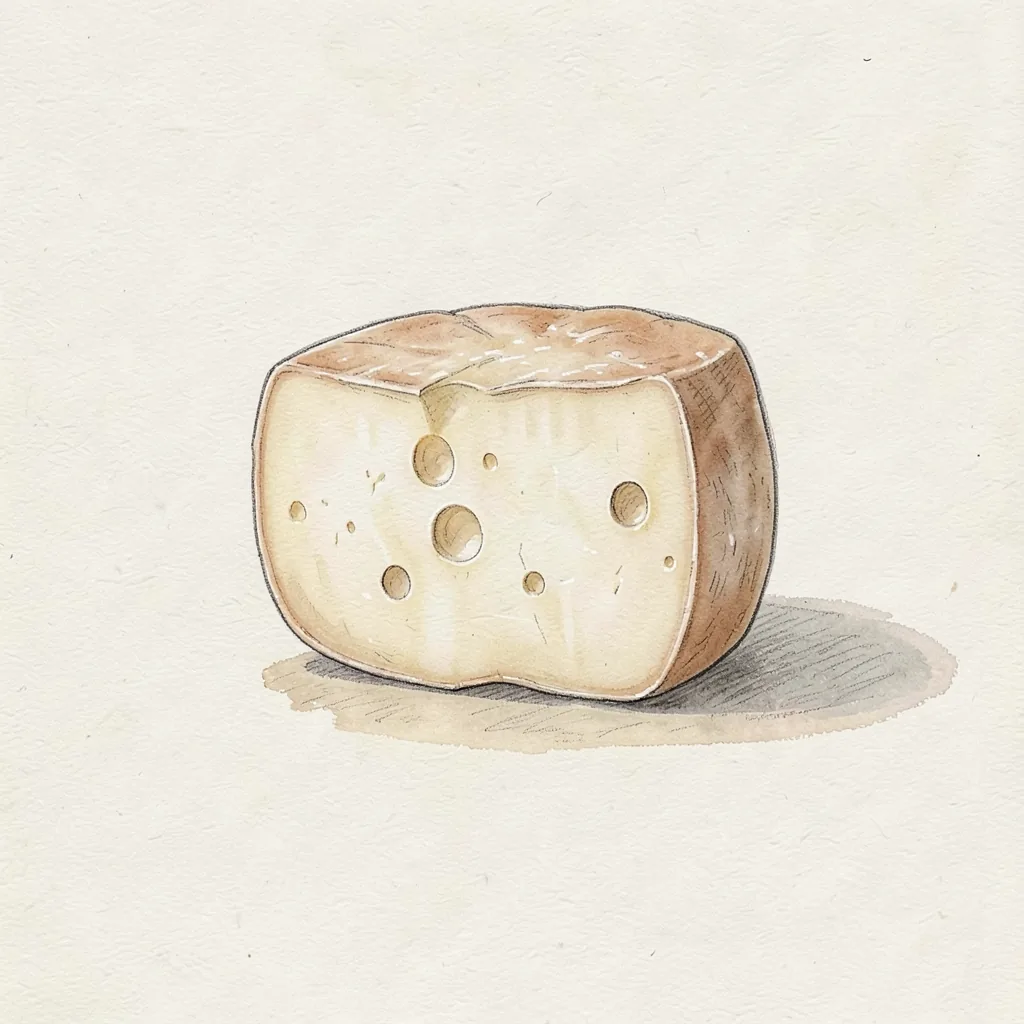
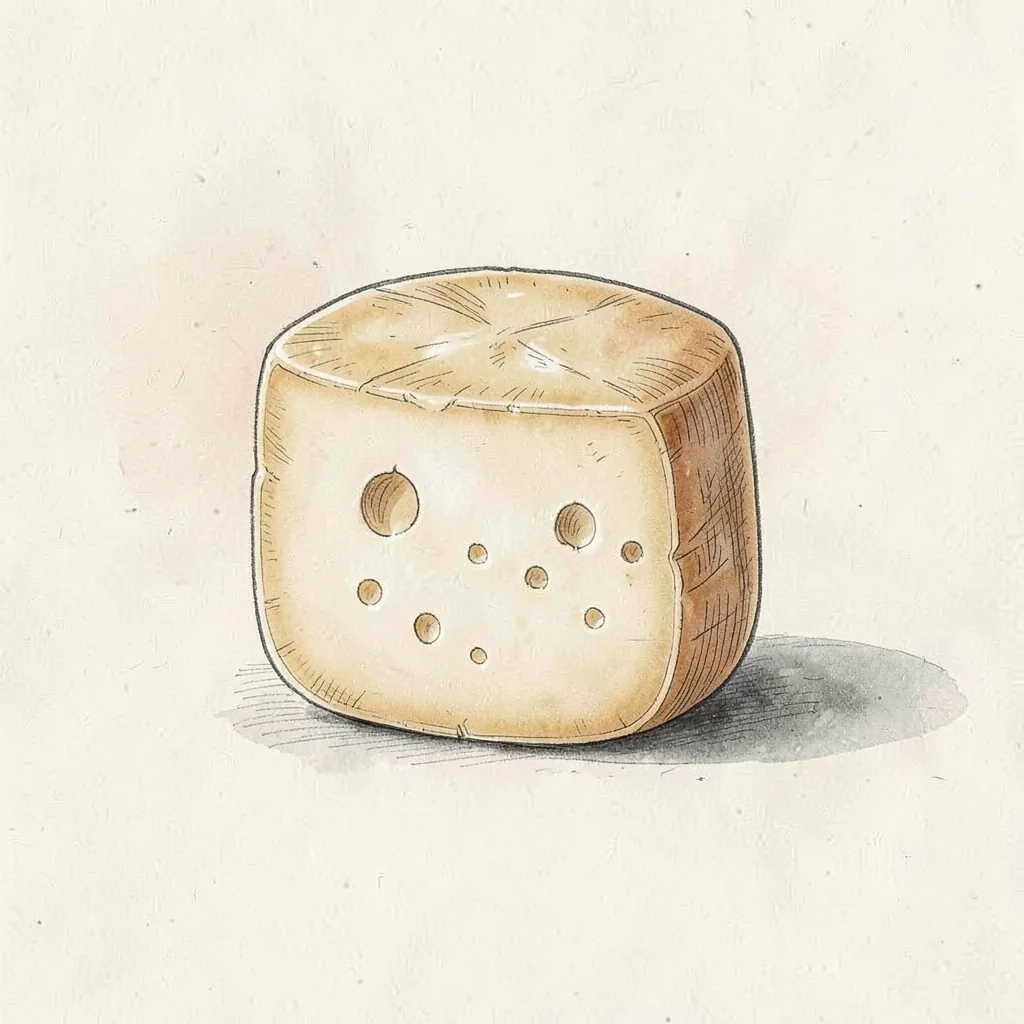
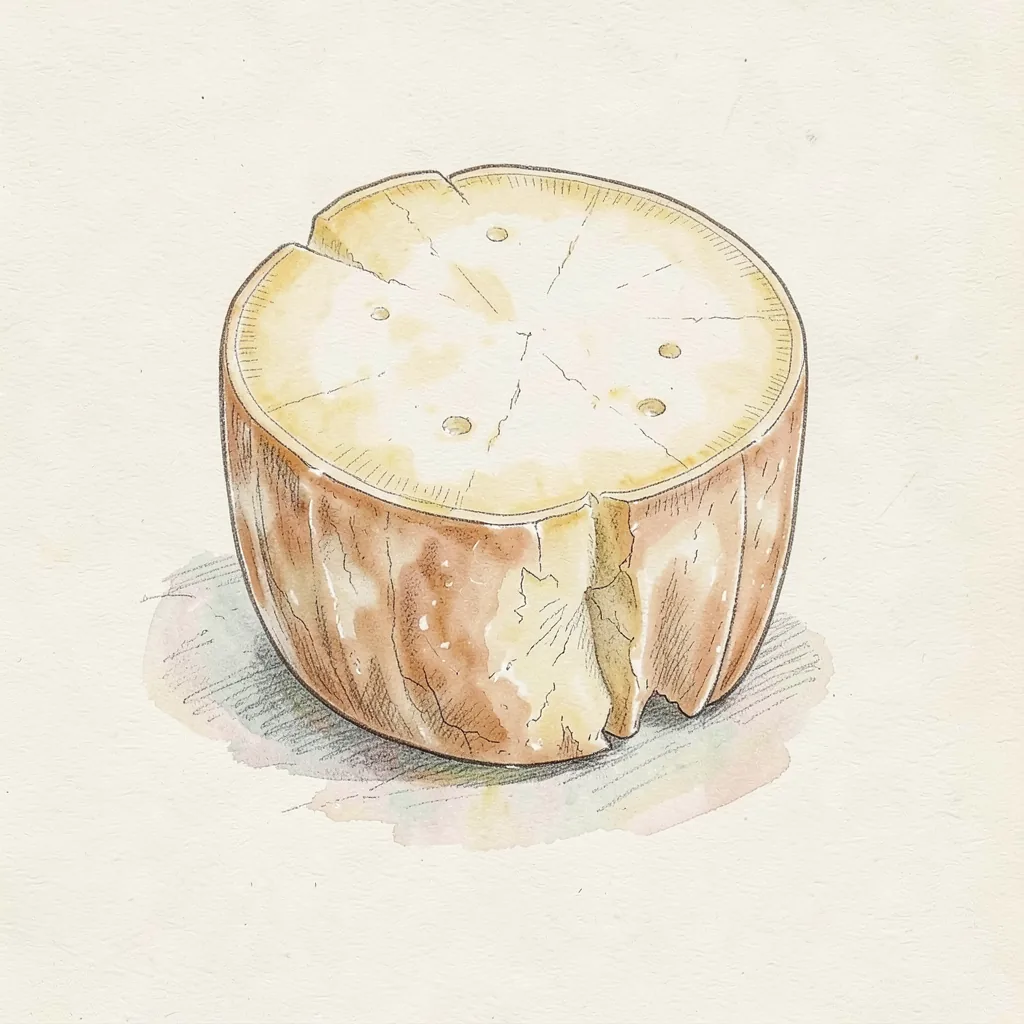
It is made from raw milk and set with a coagulant from cardoon thistle, not with animal rennet. The wheels are short and flat, with a thin yellow rind and a pale, buttery paste. When ripe, the center can turn soft enough to spoon. The flavor is salty, tangy, and lightly sharp, with a clean sheep aroma.
The cheese belongs to a group of Portuguese sheep cheeses that rely on the thistle flower for their soft, almost melting texture. Azeitão is the small wheel of the Setúbal side of that tradition. A whole cheese is often opened at the top and spread on bread while the inside is still creamy. It is not a hard grating cheese and not a fresh unsalted curd. Buy it ripe enough to yield, but not so old that the paste smells only of ammonia.
History
Queijo de Azeitão grew from the sheep dairy habits of inland Portugal and took on its own character around Azeitão and Setúbal. The idea of curdling raw sheep's milk with cardoon was already old in the country. On this coast the cheeses came out smaller, with a rind and a flavor that local eaters could tell apart. The name follows the place. It is a regional cheese of Setúbal, sold as a finished wheel rather than as a fresh farm curd.
The link with Serra da Estrela is real, because both cheeses use sheep's milk and thistle, but they are not the same wheel. Serra is larger and comes from the mountains of the interior. Azeitão is the compact cheese of the Setúbal area. The name has come to mean this milk, this coagulant, and this place. Producers kept a small sheep cheese that could be eaten with a spoon and some bread.
How it is made
Fresh raw sheep's milk is salted and mixed with an infusion of cardoon flowers. The thistle enzymes set the milk into a soft curd. The curd is handled gently so that it stays rich, then it is filled into small forms and left to drain. There is no long cooking of the curd and no stretching, and whey is pressed off by hand in many dairies so the paste stays closed and creamy. The small size lets the cheese lose whey without becoming hard.
The wheels are salted if salt was not already in the milk, then they ripen in a cool, humid room. The stay is short by the standard of hard cheeses. During that time the rind forms a thin, supple, yellow skin, and the inside changes from a firm curd to a buttery paste. Cardoon is what gives the cheese its particular softness, a breakdown that animal rennet would not copy in the same way. When the center yields to a gentle press, the wheel is ready to sell.
Taste
A ripe Queijo de Azeitão smells of sheep's milk, warm butter, and a faint vegetable note from the thistle. The paste is salty and tangy, with a gentle burn at the back of the tongue rather than a chili heat. Sweetness from the milk keeps it from tasting only sharp. The texture can be spoonable in the center and a little firmer near the rind. A dry, chalky wheel is underripe or has lost too much moisture.
The rind is edible for many people, though it is firmer and saltier than the center. If the rind is bitter, leave it and eat the paste. Ammonia is a sign that the wheel is past its best. A good cheese tastes clean even when it is strong. Compared with a bland fresh cheese, Azeitão is decidedly savory, and that edge is why a small wheel can season a whole plate of bread.
In the kitchen
Cut the top from a ripe wheel and scoop the paste onto country bread. Olive oil, a few drops, is traditional for some eaters, but the cheese is rich enough alone. It can also be spread on toast or set on a board next to quince paste or a mild honey. Do not try to grate it. Heat makes it melt into a soft pool, so use it as a stuffing or a quick melt only if you want that richness, not a stringy pull.
For a salad, crumble a firmer wheel over greens, roasted peppers, or warm potatoes. A fully spoonable cheese is better on bread than in a tossed salad, where it will coat the leaves too heavily. Pair it with a sweet fortified wine from Setúbal if you have one, or with a dry white that can cut the salt. Serve it at room temperature so the aroma can open. A cold wheel from the fridge will seem mute and waxy.
Around the world
Queijo de Azeitão travels less than the big named sheep cheeses of Spain and France, but Portuguese shops abroad often keep it. Serra da Estrela is the cheese buyers confuse with it most often. Serpa is another thistle set sheep cheese from Portugal, usually with its own shape and a different regional taste. Torta del Casar, from Spain, is also spoonable and set with cardoon. Those cousins can stand in, yet each has its own salt and size.
If a shop labels a cheese only as Azeitão, check that it is sheep's milk from the Setúbal area and not a generic soft wheel. The spoon test is the practical one, and the center should give. A hard sheep cheese such as a pecorino will not replace it in the bread and scoop ritual. Use a soft thistle cheese if you need a substitute, and say so. The original is small, rich, and meant to be finished while the paste is still glossy.