Cow
What it is
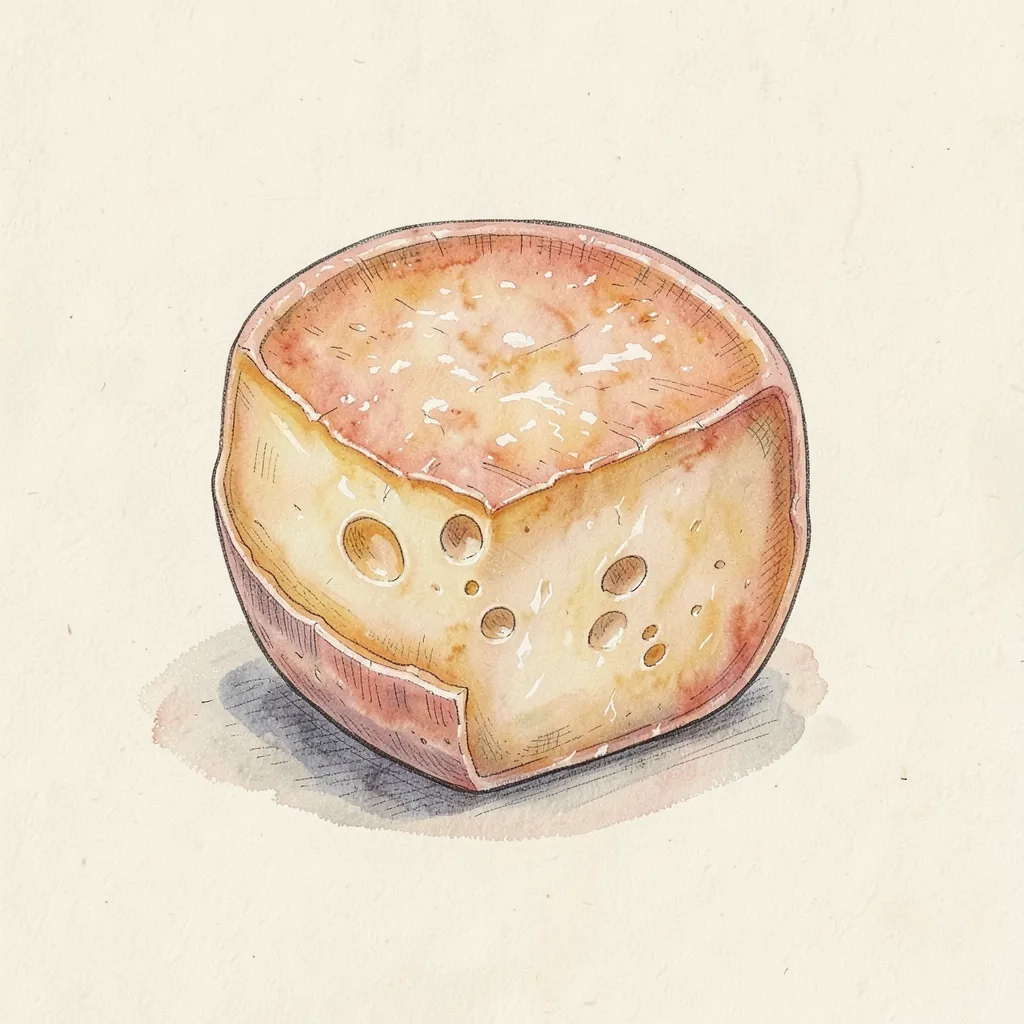
It is made from pasteurized cow's milk, and the rind is washed until it turns orange and sticky. Each piece is only a bite or two, and many are packed in a little paper cup that holds the soft paste. The style follows Époisses, the washed cheese of the same region, but in a much smaller size. The smell is strong, and the taste is gentler than that smell suggests.
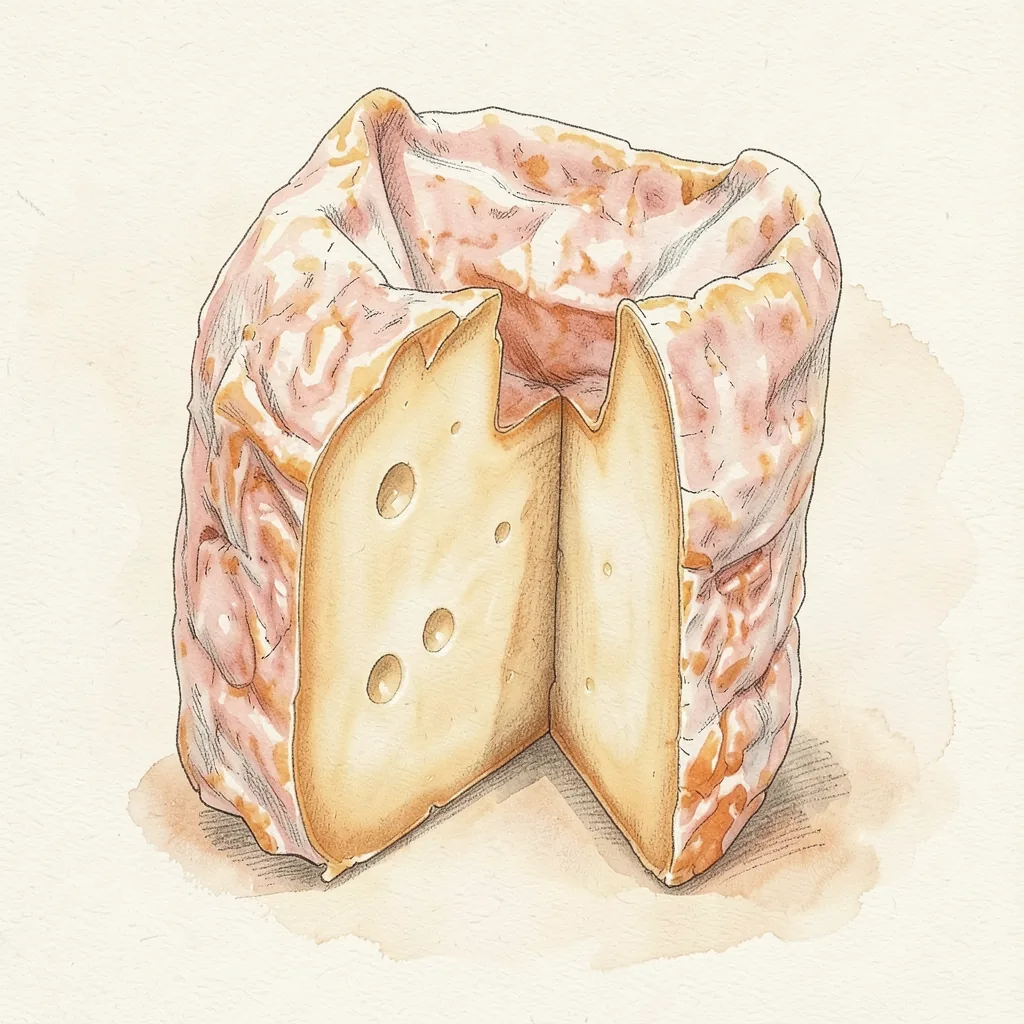
The paste is ivory to pale yellow, smooth, and creamy, and it softens further as the cheese ripens. A spoon or a bit of bread is often easier than a knife once the center slumps. The rind is edible, salty, and more aromatic than the middle. Washing with marc, the grape spirit of Burgundy, leaves a faint boozy note and a hint of straw. It is a cheese for the end of a meal, not a mild slicer for every day.
History
Washed-rind cheeses have a long place in Burgundy, where dairies wipe small cheeses with brine or local spirit. Trou du Cru belongs to that family and was developed as a tiny cheese in the Époisses manner. The small size lets the wash reach through the paste, so the aroma builds as the cheese ripens. It comes from the Côte-d'Or, the department named on most labels. It is a maker's cheese from that Burgundy line, sold under its name rather than as a copy of a larger wheel.
The name is a playful French phrase, while the cheese is serious in smell. Makers wash each little round during ripening so the surface stays moist and orange. Straw under the cheeses keeps them from sticking to a flat shelf and can leave a faint hay scent. The usual piece is small enough to finish in one sitting, though a larger round is sometimes made. Burgundy wine country is the home of the style, which is why the wash uses a spirit from local grapes.
How it is made
Pasteurized cow's milk is set, and the curd is ladled into small molds so each cheese stays soft and moist. After draining and salting, the young cheeses go to a ripening room. Workers wash them with marc de Bourgogne, a spirit distilled from local grape remains. That wash feeds the orange surface and keeps the rind from drying out. The cheeses rest on straw, which lets air move underneath, until the paste slumps and the rind smells powerful.
The wash is repeated through ripening, not done once and forgotten. Each pass deepens the color and the smell, and the spirit leaves a light echo of grape and cellar. Because the cheeses are small, the rind's influence reaches the center rather than staying on the edge. A paper cup or a little box holds the soft paste so it does not run in the shop. There is no blue vein and no white bloomy coat, and the surface should look damp and orange rather than cracked and gray.
Taste
The aroma arrives first, and it is salty, barnyard, and strong enough to scent a room. On the tongue the cheese is gentler, with a savory creaminess, a little sweetness, and notes of straw and the wash. Salt sits more in the rind than in the middle. The paste melts across the palate and leaves a long savory finish. People who worry about the smell are often surprised that the flavor is rounded rather than bitter.
A cold piece hides the best of the taste and can seem only salty. Let it warm until the center yields to a spoon. Eat the rind with the paste if you want the full picture, because the rind is the stronger half. A piece kept too long can turn sharp and ammonia-like, which means the pleasant balance is gone. At a good point you taste cream, salt, and that Burgundy wash together, and the finish is long but not harsh.
In the kitchen
Put Trou du Cru on a board at the end of a meal, with plain bread, a few nuts, or a little honey. It can be spread once the paste slumps. Do not cook it for long, because heat drives off the finer flavors and leaves mostly smell. A small spoonful on warm potatoes can work if you add it at the last moment. Keep portions small, since one little cheese is enough for one or two people.
Pair it with something fruity or lightly sweet if the salt feels high. A delicate green salad is a weak match, because the rind aroma covers the leaves. Wine from Burgundy is the local choice, and a malty beer can also stand up to the smell. Store the cheese wrapped and apart from mild foods, or the scent will travel. Bring it out of the cold before you serve it, and expect an orange stain in the cup from the wash.
Around the world
Outside France, Trou du Cru appears in shops that carry washed Burgundy cheeses, often beside Époisses. The small paper cup is the practical clue. A large wooden box of pungent orange cheese is more likely Époisses, the bigger relative, and not this bite-sized round. Langres is another washed cheese from the region, usually with a dent in the top, and it is a different shape. Ask for the small cup when you want Trou du Cru and not its larger neighbors.
Époisses is the best substitute, with the same cow's milk, a similar wash, and a salty cream taste in a larger cheese. Langres can stand in when you want a pungent Burgundy rind and a soft paste. A mild bloomy cheese will not do the job, because it lacks the orange rind and the strong aroma. Buy this style from a shop that turns its stock often. A dried, pale piece has lost the point of the wash and will taste dull at the center.