Cow
What it is
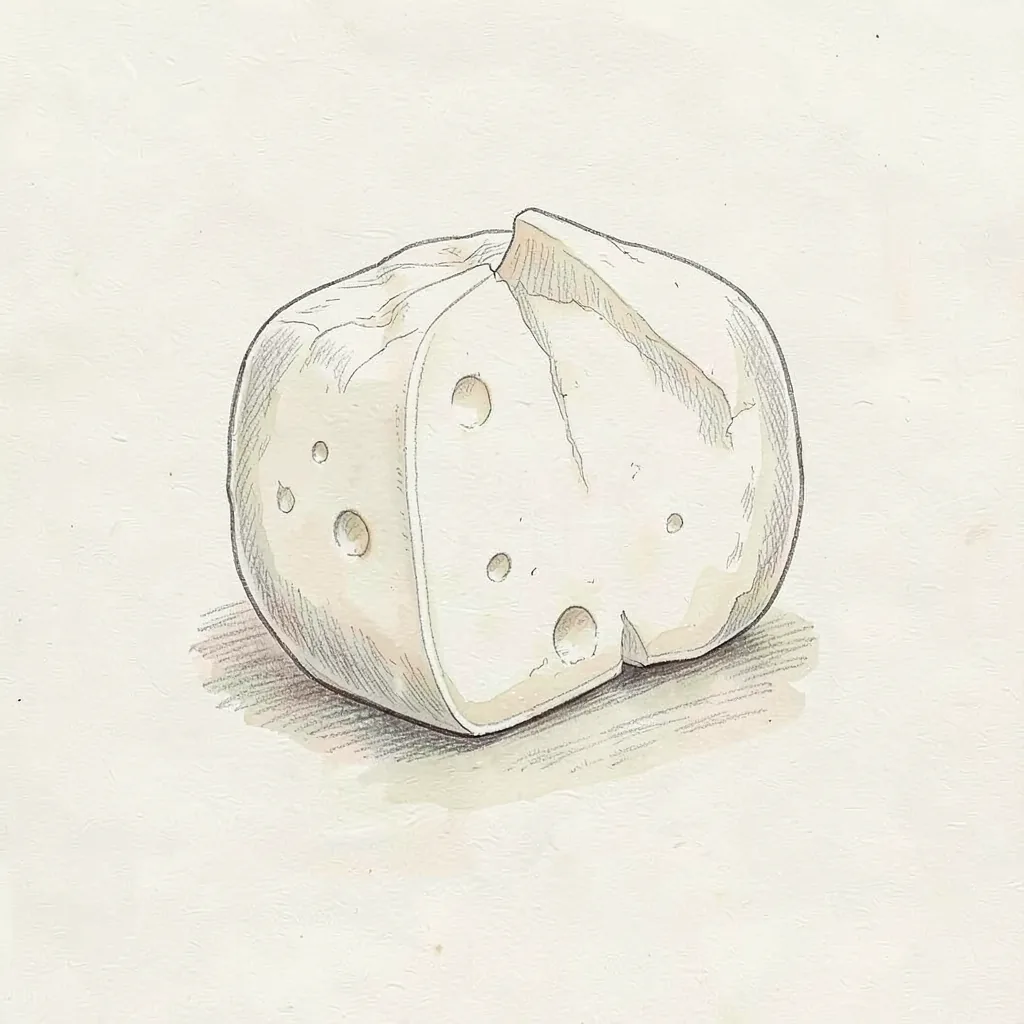
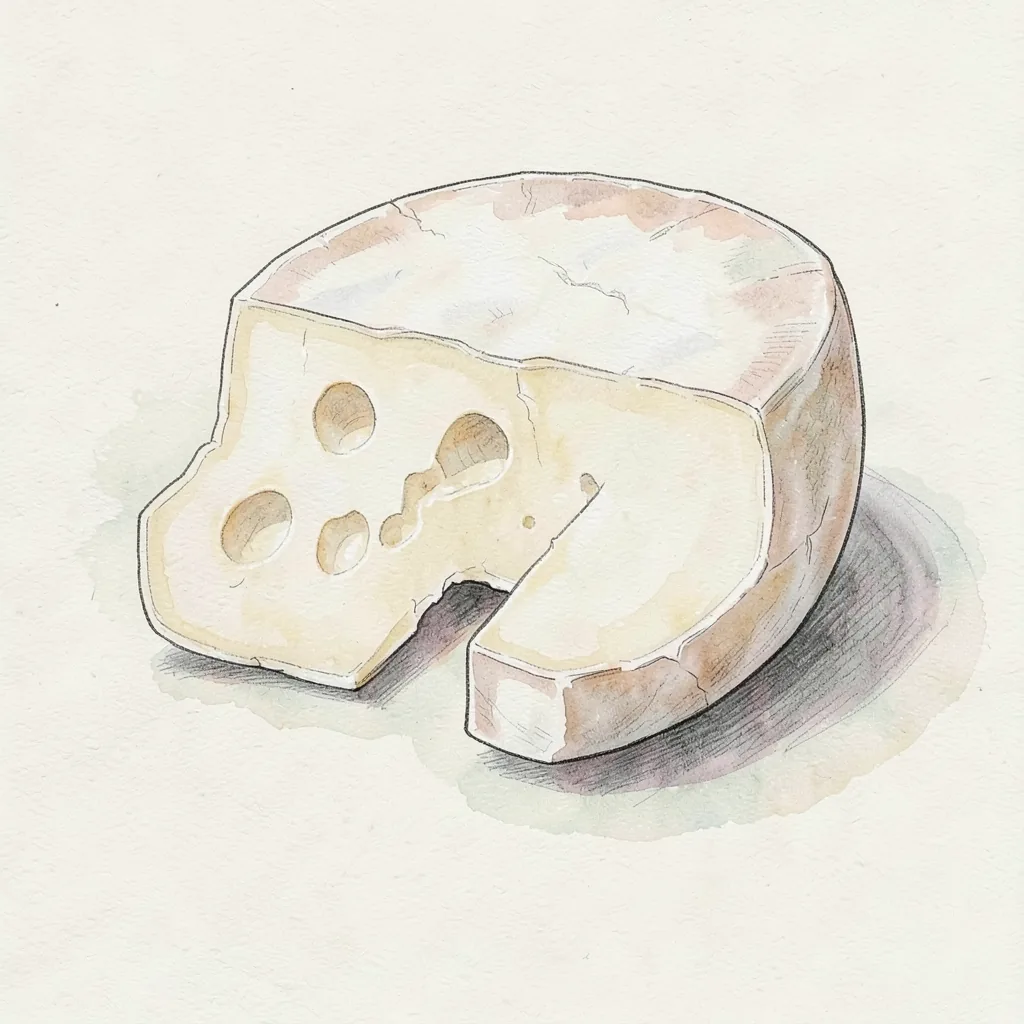
The usual piece is fresh, creamy white to pale yellow, and lightly salted, with a compact semi-hard paste and no rind. It tastes mild and milky, with a clean sweetness and only a little acid. Dairies in that part of Cartago make it as an everyday cheese, not as a long aged wheel. Costa Ricans slice it, cook with it, and melt it in simple meals.
A fresh piece slices cleanly and feels slightly springy, with a few small holes and a moist face. Some makers keep cheese longer, and those pieces turn firmer and a little more tangy while they stay in the same mild family. Neither version is a sharp grating cheese or a gooey washed rind. The fresh cheese is the one most people mean by the name. Salt stays gentle in both, which is part of the local taste.
History
Cheese making in Turrialba grew alongside cattle keeping in Cartago Province, where local milk suited a fresh white cheese. The place name tells Costa Ricans which white cheese they are buying, because the country has more than one regional style. Turrialba became the best known of those styles, and its mild flavor traveled into markets beyond the farms. The cheese did not need a grand cellar story. It needed good milk, a light salt, and a paste that slices for the daily plate.
Families and small dairies carried the method, pressing the curd and selling the cheese while it was still moist. Over time, buyers in other parts of Costa Rica learned to ask for Turrialba when they wanted that creamy, lightly salted character. A kept version also exists, firmer and a bit deeper in taste, but the fresh cheese defines the name. The style remains tied to Turrialba in Cartago Province even when a city shop cuts the wedge. No herb, smoke, or strong brine is part of the usual fresh cheese.
How it is made
Cow's milk from the Turrialba area is set with rennet, and the curd is cut, lightly salted, and pressed. Pressing makes a compact paste with only scattered small holes, firm enough to slice and still moist. The fresh cheese is not given a rind and is not held until it dries out. It leaves the dairy ready to eat, with a pale color that can shift from white toward soft yellow with the milk. Practices differ by dairy, but the pressed fresh style stays recognizable.
A batch that is kept longer loses a little moisture and gains a gentle acid note, and the texture firms without becoming a hard grate. That kept cheese is still Turrialba, and a careful label tells you which one you have when the maker separates them. There is no stretching step, no blue piercing, and no wax dip in the usual fresh make. Salt is modest on purpose. The aim is to keep the taste of the milk rather than to cover it.
Taste
Fresh Turrialba tastes of sweet milk and light salt, with a clean finish and very little bite. There is no smoke, no spice, and no sharp aged edge. The paste is close and slightly springy, and it does not crumble into dry grains. Small irregular holes may show on the cut face. Color sits between creamy white and pale yellow, and the aroma is fresh and softly dairy-like.
A kept piece keeps the milky base and adds a mild tang, with a firmer chew and a slightly deeper aroma. It is still quiet next to a cheddar or a salty pecorino. People who expect the punch of a brined white cheese may find Turrialba lightly seasoned, and that lightness is traditional. The pleasure is the cream and the clean milk, not a long finish. Eat it cool or at room warmth, because an ice cold slice hides the sweetness.
In the kitchen
Costa Rican meals use Turrialba beside beans and rice, in a casado, or with tortillas, where a mild cheese should not fight the other food. It melts gently on bread or in a warm tortilla and does not turn wildly oily or stringy. Cubes can go into a salad when you want something soft and lightly salty. Thick slices show the milk better than a pile of fine shreds. It is a cooking cheese and a table cheese at once.
Do not treat it as a grating cheese for a salty snowfall over pasta, because the flavor is too mild and the paste is too moist. If you bake it, keep the heat moderate so it softens rather than fries. It can sit with beans, peppers, or eggs in a simple warm tortilla. Wrap the cut face, since fresh cheese dries and picks up odors in an open fridge. Use it promptly, the way you would use other fresh white cheeses.
Around the world
Outside Costa Rica, Turrialba cheese is uncommon, and most cooks meet it on a visit or in a shop that imports Latin American foods. The name is also a place, so a wedge from Turrialba in Cartago Province is the one that matches this cheese. Other white cheeses from Costa Rica are related in spirit but not the same milk and make. Travelers who like the mild taste look for it at home and find only substitutes. The fresh character does not ship as easily as a waxed hard cheese.
Queso blanco and queso panela are the usual stand-ins, both mild, white, and useful for simple cooking. They will not carry the Cartago milk, but they slice and soften in a similar way. A salty feta or a dry aged cheese will miss the point, and so will a goat log. Panela here means the Mexican fresh cow's milk cheese, not a goat cheese. If the label only says white cheese, you may cook a close dish and still not hold Turrialba.