Cow
What it is
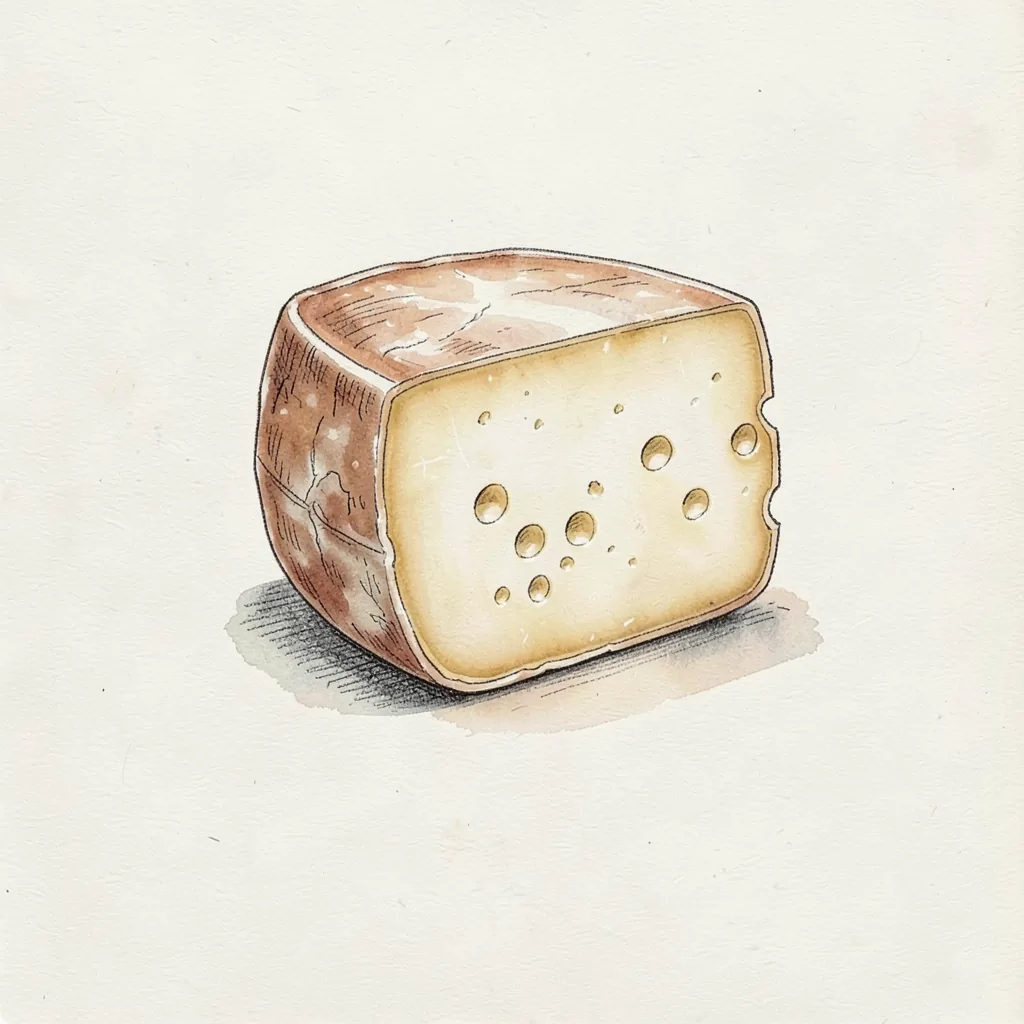
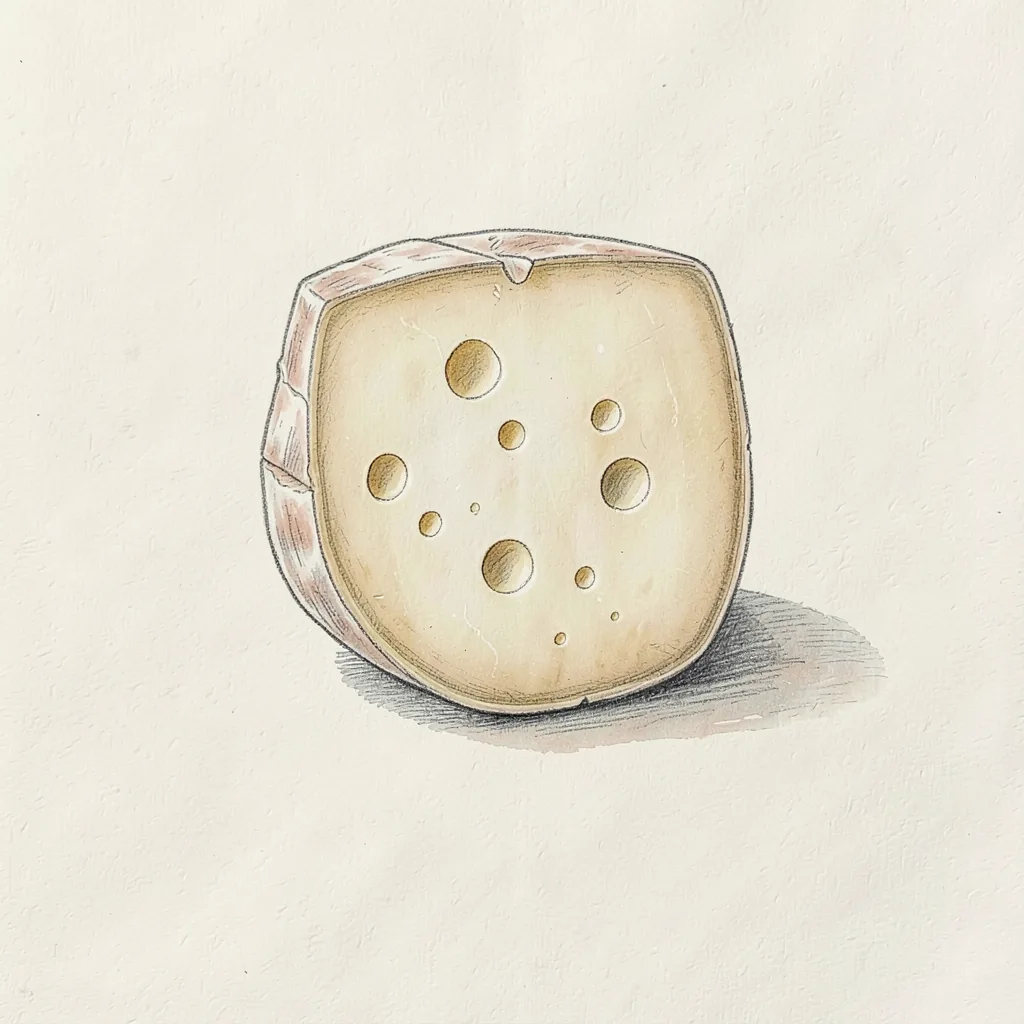
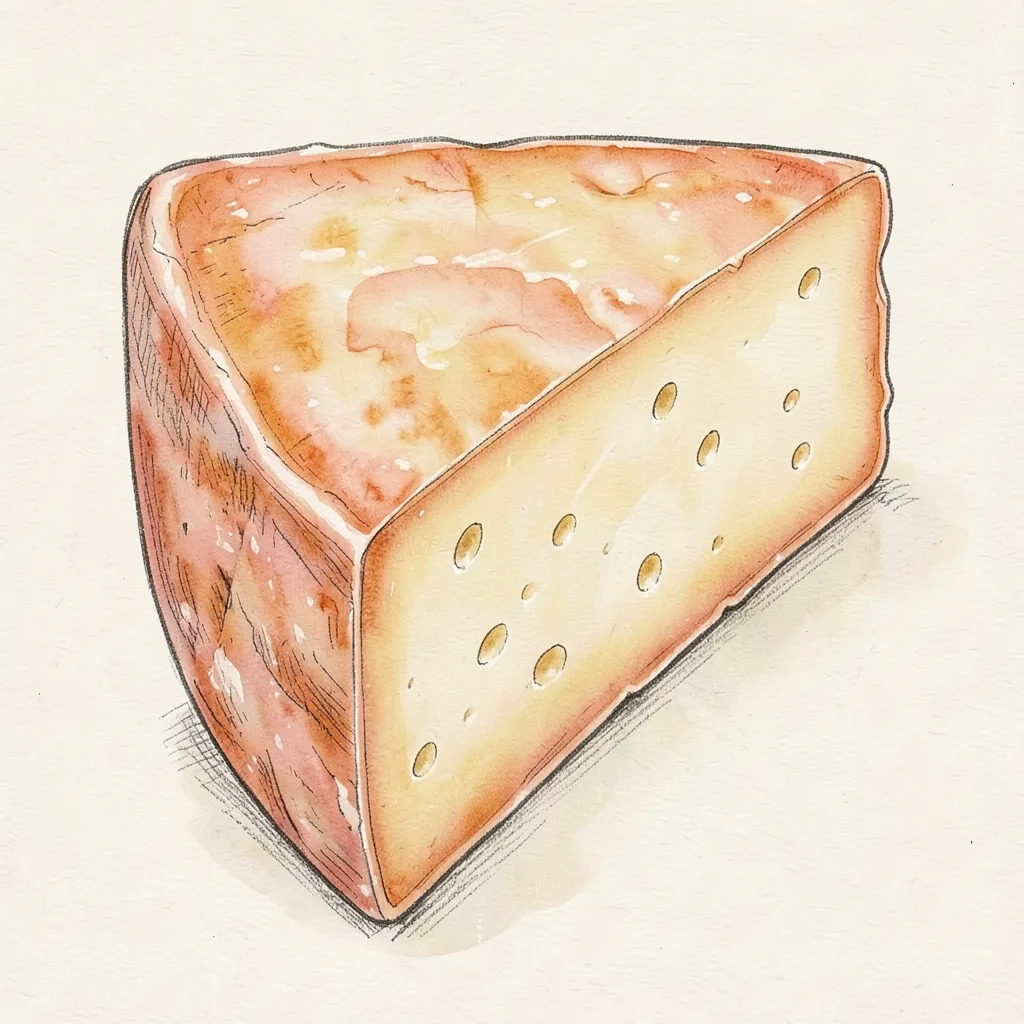
The name points to Fribourg, and the wheels are pressed rather than cooked in the way a very firm Alpine cheese is cooked. A washed rind covers a supple ivory paste that can show small openings. Young cheese is mild and sliceable. Longer aging makes the paste softer, creamier, and more aromatic, which is why fondue cooks prize it.
The rind is rubbed during aging, so the outside smells stronger than the inside. The paste itself is buttery, lightly tangy, and nutty, with a milky finish. It melts into a smooth ribbon instead of turning stringy or oily. That melting habit is the reason it anchors Fribourg fondue, alone or with a firmer cheese such as Gruyère. On a board it is a table cheese, not a grating cheese.
History
Fondue records in Switzerland have long included this cheese, and cooks in Fribourg still build a pot around it. The wheels come from dairies that work cow's milk from the area tied to the name. Makers press the curd without cooking it to a very firm state, then they wash the rind while the cheese ages. A younger wheel stays neater on a knife. An older wheel slumps and melts with less effort.
The cheese is easy to confuse with Vacherin Mont d'Or, which is a different Swiss cheese with a soft, spoonable paste in a wooden hoop. Fribourgeois is firmer, pressed, and meant to melt in a pot or to be cut in wedges. Both names share the word vacherin, and that shared word causes the mix-up. Fribourgeois also sits near Gruyère in the fondue pot, but it is creamier and less dry. Knowing those two neighbors keeps the name straight.
How it is made
Cheesemakers start with cow's milk, which may be raw or gently heat-treated, depending on the dairy. Rennet sets the curd, and the curd is cut, stirred, and pressed into wheels. The paste is not cooked to the firmness of a long-aged grinding cheese. After salting, the wheels go to a cellar. Repeated washing and turning build the rind and the aroma.
Aging length changes the style more than any single recipe step. A shorter rest leaves a firmer, milder wheel that still slices cleanly. A longer rest lets the paste turn supple, almost flowing, with a deeper nutty and tangy taste. The rind becomes yellow-brown to gray-brown and smells of the wash. The inside should stay ivory, smooth, and free of a bitter edge.
Taste
The first taste is milky and buttery, with a light tang and a hint of hazelnut or fresh hay. Salt is present but not harsh, and it supports the milk rather than covering it. The washed rind smells stronger than the paste, so many people trim it before eating. A young piece is gentle and clean. An older piece is fuller, slightly sour, and more persistent on the tongue.
Texture is the other half of the pleasure, and it explains the fondue reputation. At cool room temperature the paste cuts smoothly and may show a few small eyes or short slits. It feels moist, not crumbly, and it yields without being runny like a soft bloomy cheese. Warmth changes it quickly into a glossy mass. In a fondue pot it coats bread in an even layer instead of pulling into strings.
In the kitchen
The classic use is fondue. A Fribourg pot can be made with this cheese alone, and a moitié-moitié pot uses it beside Gruyère for a creamier melt. Cube the cheese and add it to warm wine off a hard boil so the emulsion stays smooth. A dry white wine and a little garlic are the usual base. Keep the heat gentle, because a fierce pot can split the cheese.
Away from the pot, set out wedges on a board with boiled potatoes, cured ham, or bread. It also melts over vegetables or inside a toasted sandwich. Grating is a waste of its supple texture, and it is too moist to cover a large plate of pasta. Let a cold piece warm before you taste it. The aroma opens, and the paste softens, which is how the cheese is meant to be eaten.
Around the world
Outside Switzerland, Vacherin Fribourgeois shows up in shops that carry Alpine cheeses for fondue. It costs more than a basic melting cheese, and it is worth buying when the pot is the point of the meal. Gruyère is easier to find and nuttier, but it is drier and less creamy. Raclette melts well too, yet it has a different washed-rind character. If the label says Mont d'Or, you have the other vacherin.
In Switzerland the cheese is both a local table cheese and a fondue standard. Cooks differ over whether a pot should be all Fribourgeois or a blend with a firmer cheese. Visitors often meet it melted, not as a whole wheel. The name is sometimes shortened on menus, so read the full name before you order. A wedge at room temperature is the best way to learn the taste before you commit a whole pot to it.