Cow
What it is
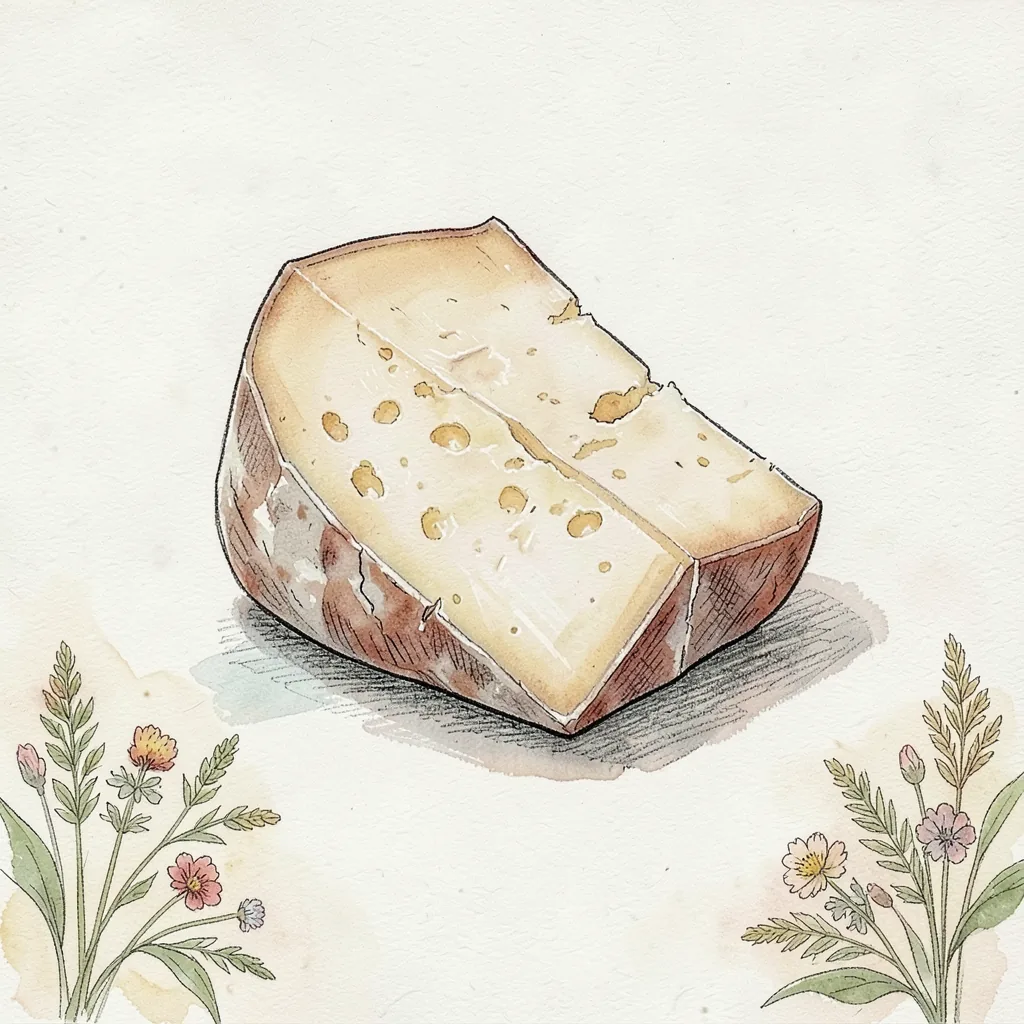
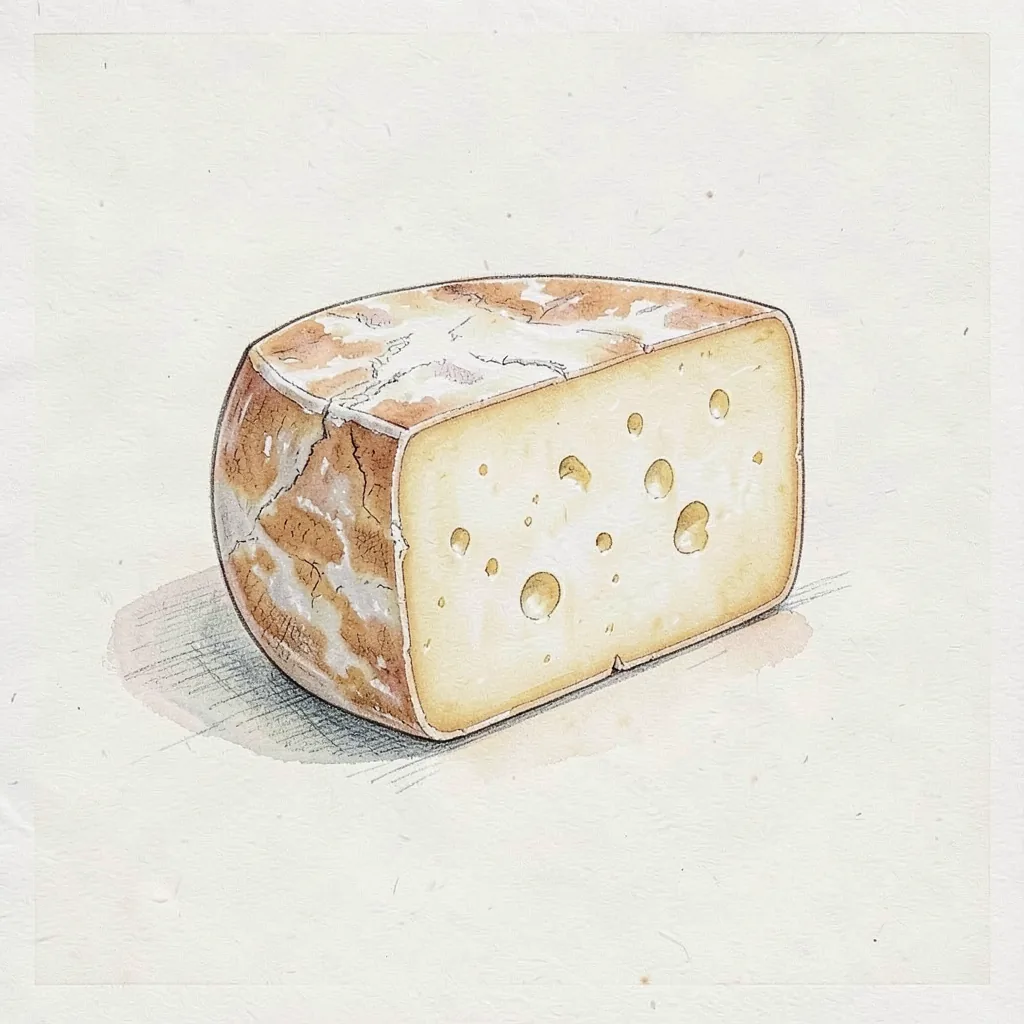
Makers start with raw milk that has been partly skimmed, then cook and press the curd into a wheel. The paste is firm and becomes hard and granular as it ages. A natural rind turns from pale brown toward gray. Young wheels are for the table, and well-aged wheels are for the grater.
The cheese takes its name from high pasture land in Trentino, where summer grass and wild herbs shape the milk. That diet is why a wedge can smell of meadow plants rather than plain cream. Dairies still make it from mountain milk, and some farms keep a long-aged pasture version under a Slow Food presidium. Shoppers also find wheels from dairies that work through more of the year. In either case the cheese stays in the alpine pressed tradition.
History
Vézzena grew out of the need to keep summer milk after the herds left the high grass. Herders in Trentino skimmed part of the cream, pressed the curd, and stored the wheels for the cold months. The outline is shared with other alpine cheeses, but local plants give this one a herbal line. Age names such as mezzano, vecchio, and stravecchio mark how long a wheel has rested. Those names tell a buyer whether to slice the cheese or grate it.
For a long time the cheese stayed close to its home valleys and did not travel as a famous export. A place on the list of traditional Italian foods helped cooks outside Trentino learn the name. The pasture version has a Slow Food presidium for farms that keep summer milk and long aging. That project is about method, and it is separate from everyday dairy wheels. Most people still meet Vézzena as a firm Trentino cheese with a meadow scent.
How it is made
Makers warm partly skimmed raw cow's milk and set it with calf rennet. They cut the curd fine, heat it again until the grains firm up, and press the mass in molds. The wheels are salted in brine or by hand with dry salt. A natural rind forms and is kept clean while the cheese rests. The paste starts compact, with small holes, and grows harder and more crumbly with time.
Classic Vézzena uses milk from cows on mountain grass, often from more than one milking, with cream lifted off part of it. That partial skimming keeps the cheese in the medium-fat alpine group. Summer pasture wheels are the ones many specialists seek, because the herbs in the feed show in the aroma. Other wheels are made when the cows are not on the high grass, and those taste quieter. In every case the cheese is pressed, rested, and sold at more than one age.
Taste
A younger Vézzena is savory, lightly sweet, and a bit bitter, with a smell of grass and chives. The paste is straw yellow, supple enough to slice, and dotted with small eyes. As the wheel ages, sweetness steps back and a piquant, earthy edge comes forward. The aroma grows more herbal, sometimes with a dry, spicy finish. Long aging also makes the paste drier and more granular.
Pasture wheels taste stronger than wheels from quieter feed, even at the same stage of age. Tasters often note cooked milk, wild herbs, and a clean bitter note that is part of the style, not a fault. The rind smells more cellar-like than the paste and should not be the part you judge first. Fat is moderate, so the flavor feels direct rather than thick and creamy. Salt is present but does not cover the meadow notes.
In the kitchen
Serve a younger wedge on a board with rye bread, boiled potatoes, or a simple salad of bitter greens. It also sits well beside stewed cardoons, pumpkin, or cauliflower. A well-aged piece belongs over hot food, where it falls in thin shards. Northern Italian cooks grate it onto canederli, the bread dumplings of the northeast. Use a light hand, because the aged cheese is savory and a little sharp.
Do not expect a young wheel to behave like a long-aged one. The first melts more readily in a sauce or a baked vegetable dish. The second is better as a finishing grate, the way you would use other hard alpine cheeses. Both can anchor a cheese board if you match the age to the rest of the plate. A full red wine from the mountains is a common partner, and so is a spoon of chestnut honey.
Around the world
Vézzena is still mainly an Italian cheese, known best in Trentino and among buyers who look for alpine wheels. It travels less than Asiago, which comes from the same broad mountain world and is easier to find abroad. Shops outside Italy sometimes stock an aged wedge through specialist importers. In those shops it is sold as a board cheese and as a grating cheese. The name is easy to miss if the label drops the accent and prints Vezzena.
Cooks who cannot find it can look to Asiago or Piave for a similar job in the kitchen. Those cheeses are not the same, but they are pressed northern Italian cow's milk cheeses with a nutty, savory side. A pasture Vézzena is worth buying when you see the malga or summer-milk note on the label. That wheel will taste more of herbs than a standard dairy wheel. Keep the wedge wrapped and cold, and let it warm before you slice or grate it.