Mixed milk
What it is
The name comes from the mountain pastures above the town, where herders have long made it. Traditional batches use sheep's milk, and some makers blend in cow's milk. Salt and brine shape the cheese more than any thick rind does. A drained piece is firm, pale, and quite salty, with a clean sour milk tang.
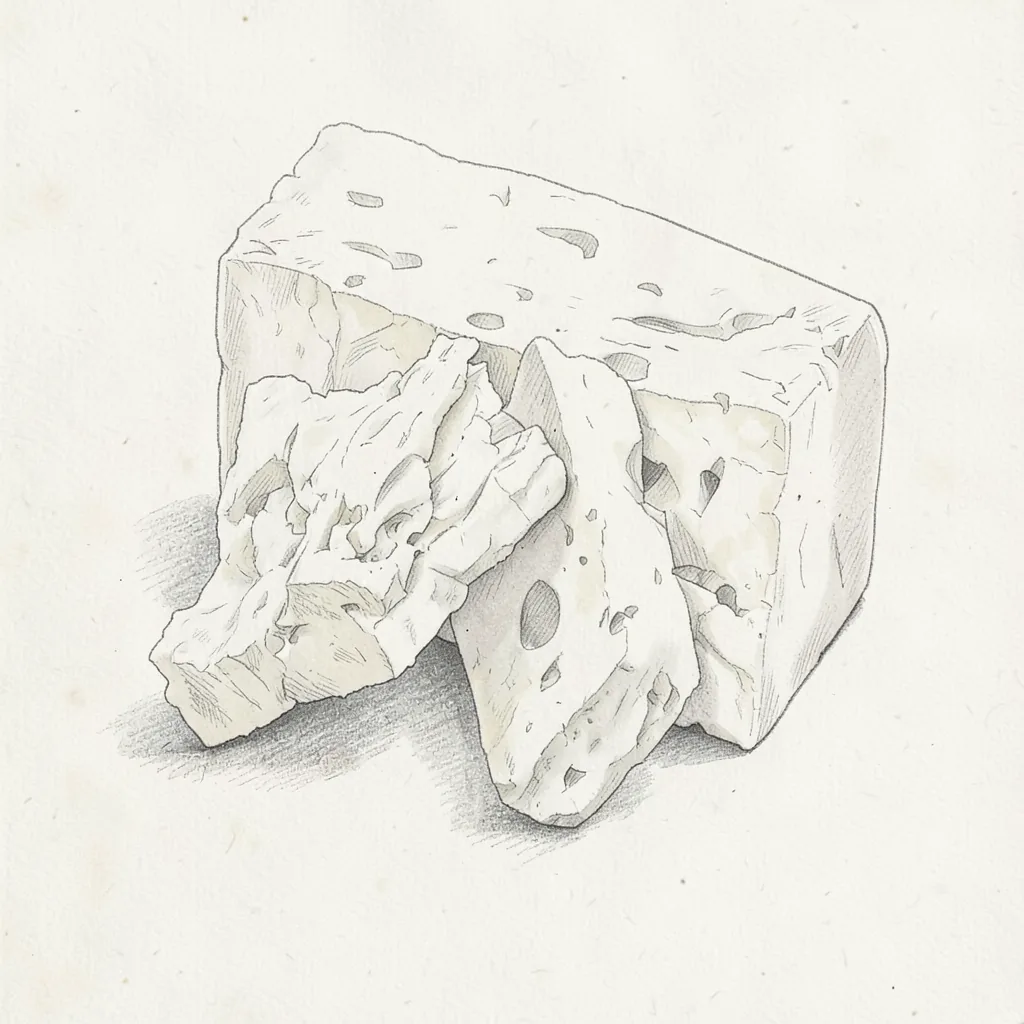
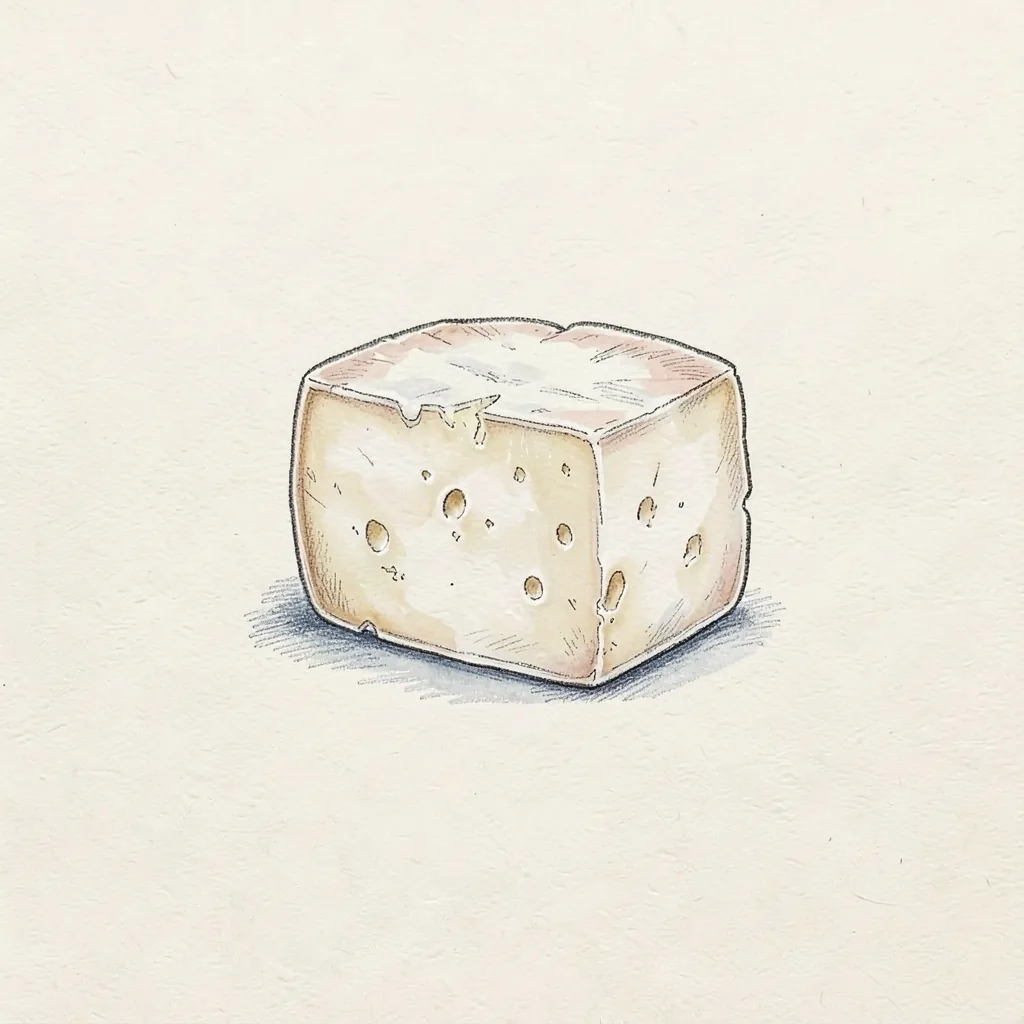
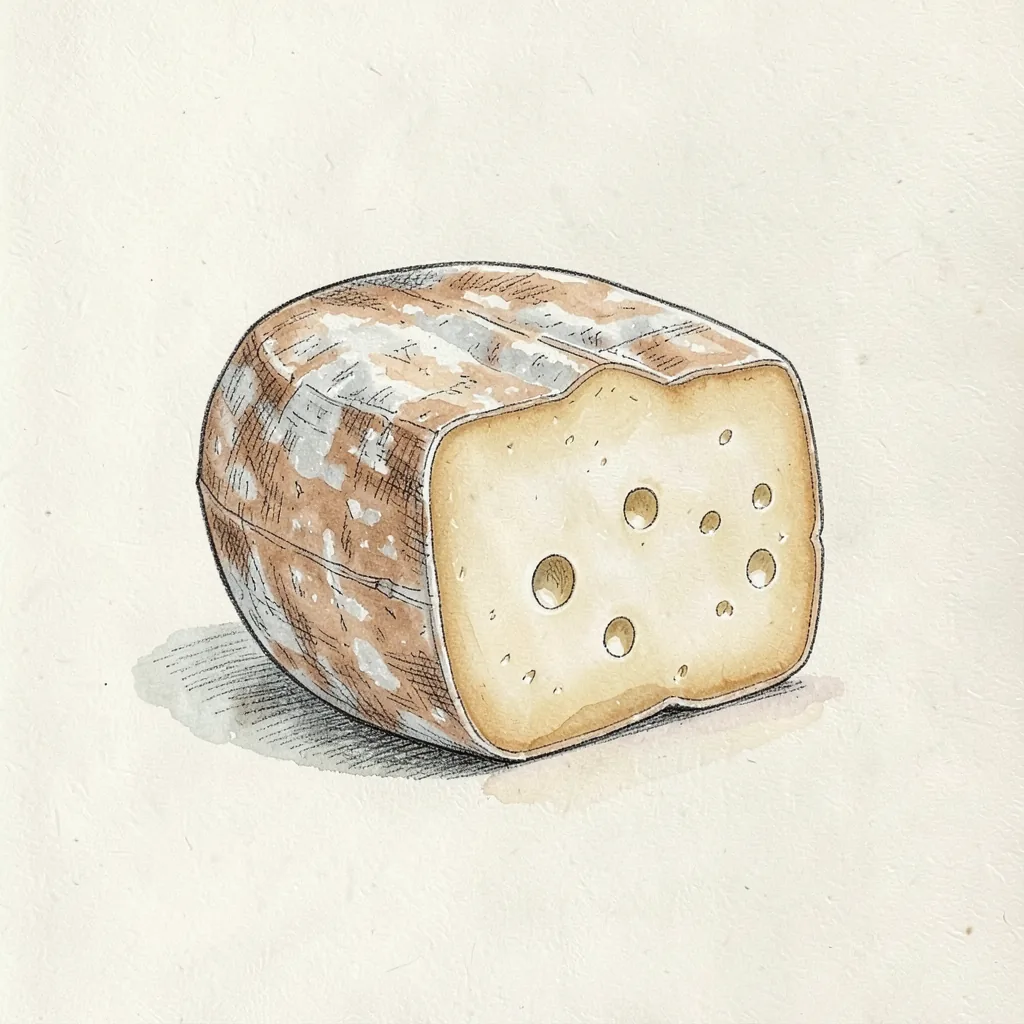
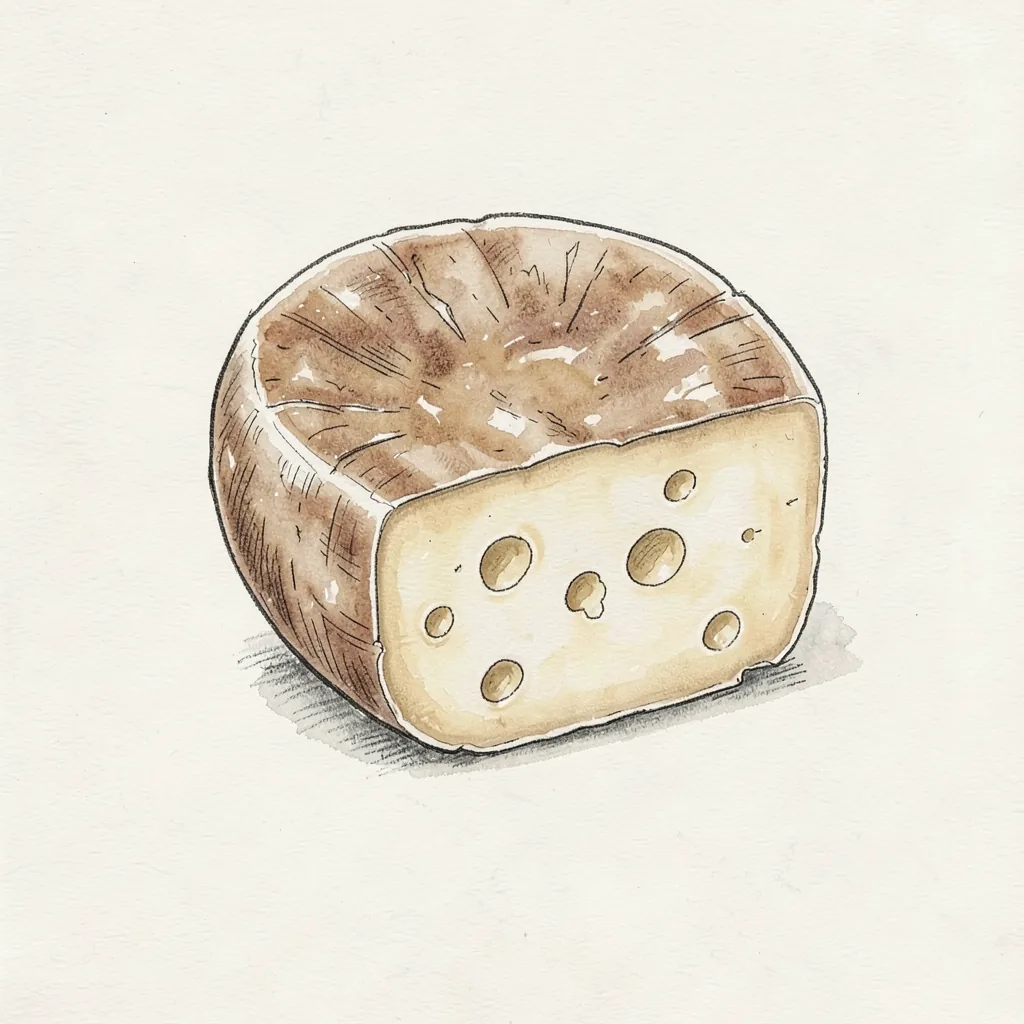
The paste is white to pale cream, and it may show small irregular holes or stay solid all the way through. Texture depends on how long the pieces sit in brine and how well they are drained before packing. A wet piece feels softer, while a well drained piece turns dry and crumbly. The taste stays lightly sour, with salt at the front of the bite. People eat it with bread more often than they try to melt it.
History
Vlašić belongs to the mountain dairy tradition around Travnik. Herders made it while flocks grazed high pastures in the warm season, then carried the cheese down toward the town. The town at the foot of those pastures gave the cheese a second trade name, Travnički sir. Both names point to the same brined white cheese. The method stayed simple, with fresh milk, rennet, salt, and a vessel that holds brine.
Wooden vats were the old ripening vessels, and many makers still salt the curd in layers as they fill a container. Buyers across the wider region came to know the cheese under the Travnik name. They expected a salty white cheese from the mountain, not a pressed wheel with a dry rind. Today it is still tied to Travnik and to sheep kept on those pastures. A shop label may use either name, so read the milk line before you choose a piece.
How it is made
Makers set fresh milk with rennet and wait until a curd forms. They cut that curd, drain off the whey, and salt the pieces by hand. The salted curd goes into a vat, a tin, or another vessel, often in layers. Brine covers the cheese, and the pieces ripen in that salty liquid rather than on an open shelf. Steady care during the rest keeps the paste even and stops the surface from drying too fast.
The amount of brine changes the cheese you take out. More liquid keeps the pieces softer and wetter on the plate. Less liquid, or a firmer drain before packing, gives a drier and saltier piece. The finished cheese has no bloomy coat and no wax. It is sold in blocks, in tins of brine, and sometimes still sitting in a wooden vat.
Taste
Salt is the first impression, and a clean lactic sourness follows close behind. Sheep's milk, when it is the base, adds a faint grassy depth. A young wet piece tastes milder and a little creamy. A drier piece tastes sharper and more direct, with the brine still easy to notice. Neither version is sweet, and neither carries the aroma of mold.
The smell is fresh and slightly acidic, closer to other brined white cheeses than to a washed rind. Small holes, when they appear, do not change the flavor in a meaningful way. They only show that the paste was not pressed into a tight wheel. One batch can feel lean while another feels a bit richer, depending on the milk. Serve the cheese cool, not icy, so the salt and the sour note stay in balance.
In the kitchen
Crumble Vlašić over salads, tomatoes, or boiled potatoes when you want salt and a sour edge. It sits well on a plate with bread, olives, and cucumber. In Bosnian cooking it also goes into filled pastries, where the brine cheese seasons the filling. Do not expect it to stretch or to melt into a smooth pool. Heat softens the crumbs, but the pieces stay distinct.
Drain the cheese before you cook with it, or the brine will flood a salad and oversalt a pastry. Taste a crumb first, then add salt to the dish only if you still need it. A drier piece breaks into coarse crumbs for vegetables, while a wet piece is better torn by hand. Pair it with mild bread rather than with another salty cheese. Put leftovers back into a little brine so the surface does not harden in the refrigerator.
Around the world
Outside Bosnia and Herzegovina, Vlašić is less common than feta or Bulgarian sirene, but the style is familiar. Shops that carry Balkan foods are the most likely place to find a tin or a block. Read the label for sheep's milk or a sheep and cow blend, because that choice changes the richness. The Travnik name and the Vlašić name both refer to this cheese. A smoked cheese from Bosnia is a different product and should not be swapped in without a taste.
Feta is the usual stand-in when a shop has no Vlašić. It is salty, white, and kept in brine, though the flavor is not a copy of the mountain cheese. Sirene can also fill the role in a salad or a filled pastry. Livno cheese comes from the same country, but it is a different style and will not taste the same. Keep Vlašić covered in brine in the refrigerator, and let a piece lose its chill before it goes on a board.