Mixed milk
What it is
Makers use sheep's milk, goat's milk, or a mix of the two. The paste is spreadable, creamy or slightly grainy, and it has no rind. The taste is fresh, lightly salty, and sour. People eat it with bread, in salads, and in simple pies at the table.
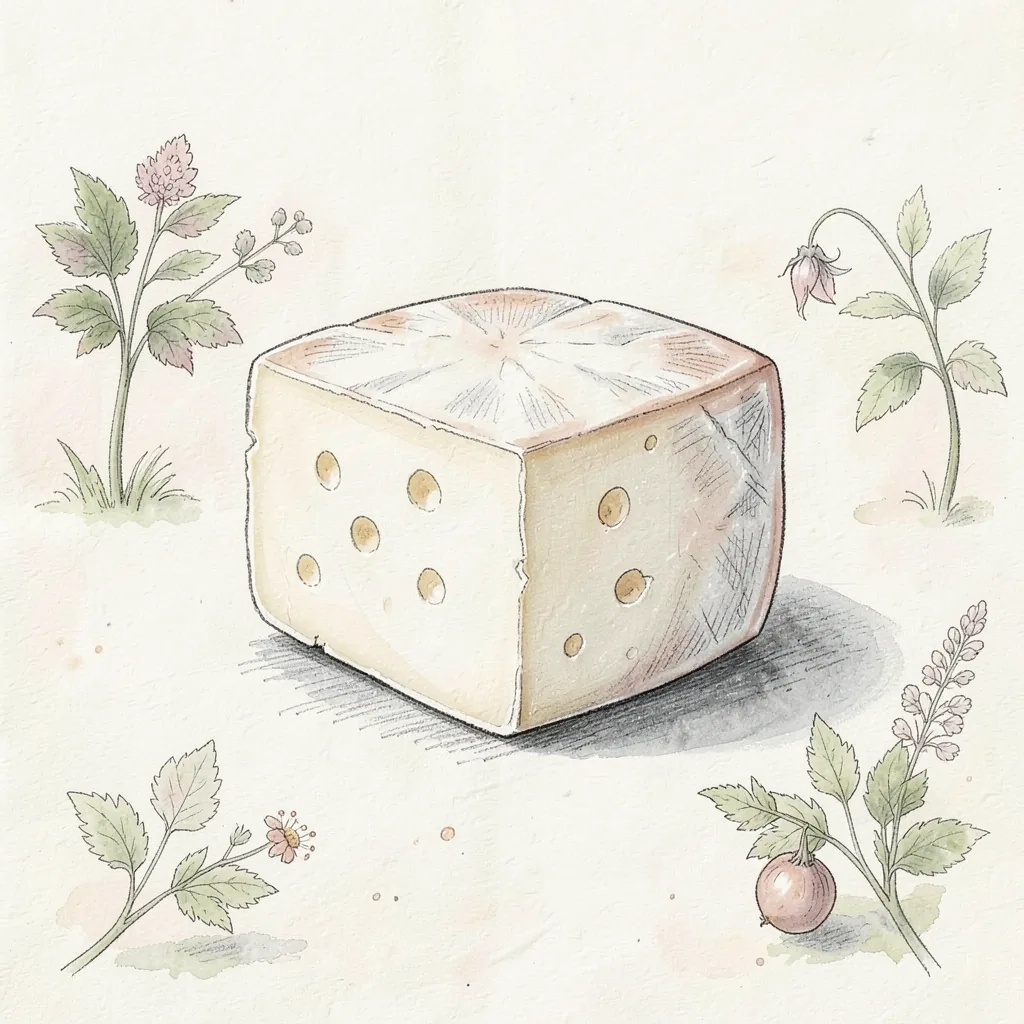
The cheese looks like a thick yogurt or a fresh spread, not like a wheel you slice. It can be smooth, or it can show small grains from the curd. The aroma is clean and lactic, with a pleasant sour edge and no washed-rind smell. It is an acid-set cheese, so the tang is part of the make and not a flaw. Keep it for the table soon after you buy it, because it is not a cheese for a long cupboard age.
History
Xygalo Siteias comes from a home method in Crete, where herders soured sheep's and goat's milk into a white spread. The practice stayed in that part of Greece and later gained a protected name, which keeps the cheese tied to its home milk and method. The word xygalo refers to the souring that defines the curd. It is not a brine cheese and not a hard aged wheel. People ate it as a simple food, and dairies now sell it under the same name.
The protected name keeps Xygalo Siteias distinct from other Greek spreads that look similar in a bowl. Katiki and related spoon cheeses can share a tangy white look, but they follow other rules and come from other places. This cheese stays linked to Crete. Milk can be sheep, goat, or both, which already allows some variation inside the name. What does not change is the soft, rindless, sour character, so buyers should look for the full name.
How it is made
Milk from sheep, goats, or both is the start, and it may be used raw or heated first. Salt goes into the milk, and cultures sour it until a curd forms. A small amount of rennet may be added, especially when the milk was heated. The curd then drains until it is thick, white, and spreadable. There is no pressing into a hoop and no long soak in brine, and the cheese is ready when the taste is lightly sour.
Some batches look creamy, and others stay a little granular, depending on how the curd drains. The cheese has no skin, and it is not smoked, peppered, or veined with blue. A period of ripening lets the aroma settle, and then the cheese is kept cold. Sheep's milk and goat's milk can be blended, or one of them can stand alone, but the method stays acidity and drainage rather than a cave age.
Taste
The flavor is fresh, sour, and slightly salty, with a clean milk aroma. It is brighter than a rich cream cheese and milder than a sharp brine cheese. The texture may feel silky or a bit grainy on the tongue. Goat's milk can leave a light animal note, and sheep's milk can make the paste taste a little fuller. A good pot smells pleasant, not yeasty or stale, and nothing smoked or herbal is built into the plain cheese.
Salt is noticeable but not heavy, because it goes in before the cheese finishes draining. That timing keeps the spread savory without a harsh brine taste. The sourness should be lively and clean, like thick yogurt, not like a spoiled dairy food. If the surface is pink, slimy, or sharply bitter, do not eat it. At its best the cheese is white, moist, and tangy from the first spoon to the last.
In the kitchen
Spread Xygalo Siteias on bread, or loosen it with a little olive oil for a salad. It works as a starter beside tomatoes, olives, and greens. Spoon it into a pie filling or a warm grain dish, where the tang lifts the other ingredients. It will not grate, and it will not hold a slice on a grill. Use gentle heat, or the spread can split, and use a spoon rather than a cheese plane.
Serve it cool, not icy, so the sour aroma is clear. Do not try to age the pot at home. Once it is open, keep it covered and cold, and eat it while the taste is still bright. It can stand in for a dollop of thick yogurt on a savory plate, with more salt and body than yogurt usually has. On a board, give it a small bowl and a knife for spreading, and pair it with bread and raw vegetables.
Around the world
Xygalo Siteias is a regional Greek cheese, and many shops outside Greece never stock it. A protected name means a bowl from another country is not the same cheese, even when it looks like a white spread. Travelers meet it in Crete more often than in a distant city. When it is exported, it travels chilled, as a fresh cheese. Read the label for the full name and for sheep's or goat's milk, because a generic Greek spread can be tasty and still be different.
Katiki Domokou is the closest cheese to reach for, another soft Greek spread with a tangy body. Anthotyros is milder and often made from whey, so it will not copy the sour edge. Xynotyro is firmer and drier, and it belongs in a different recipe. Feta is brined, sliceable, and saltier. If you need a stand-in for bread and salad, choose a soft tangy spread, not a hard grating cheese, and keep the full name for the cheese from Crete.