Cow
What it is
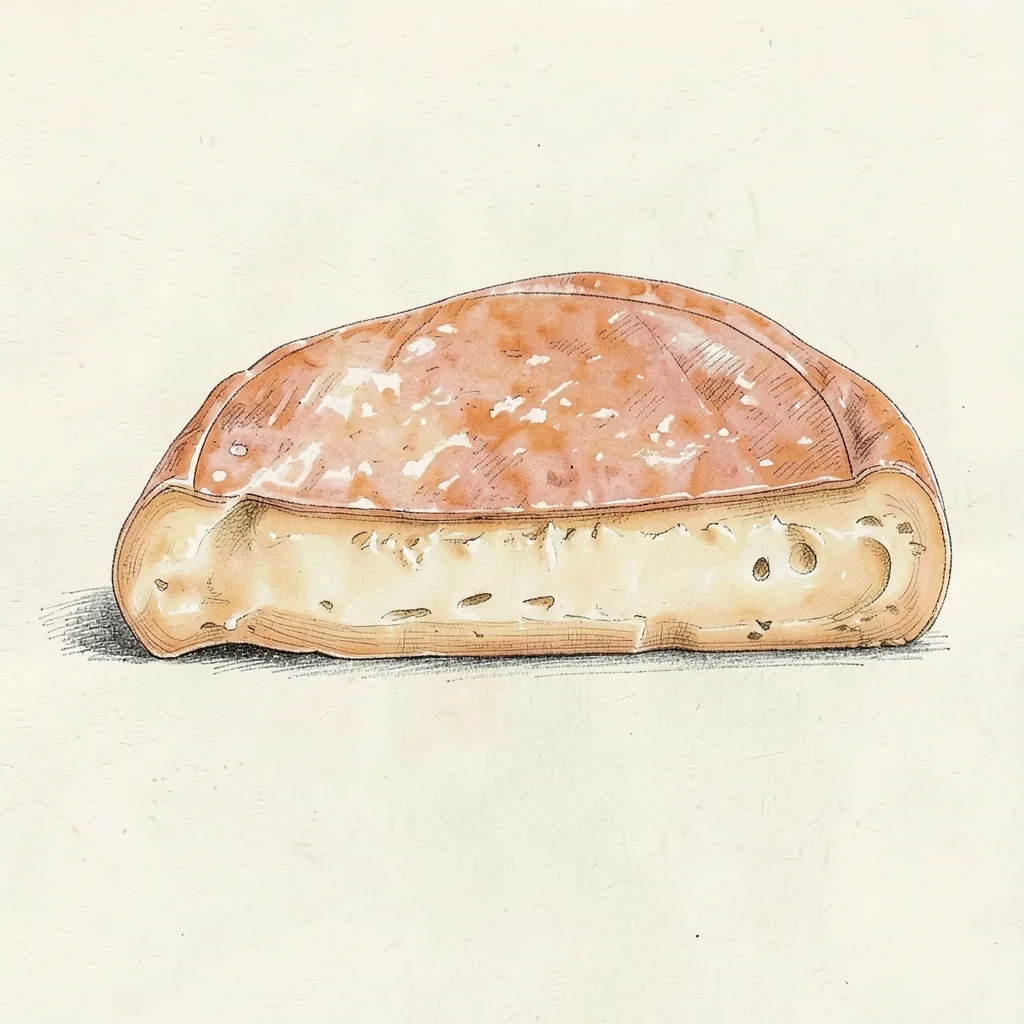
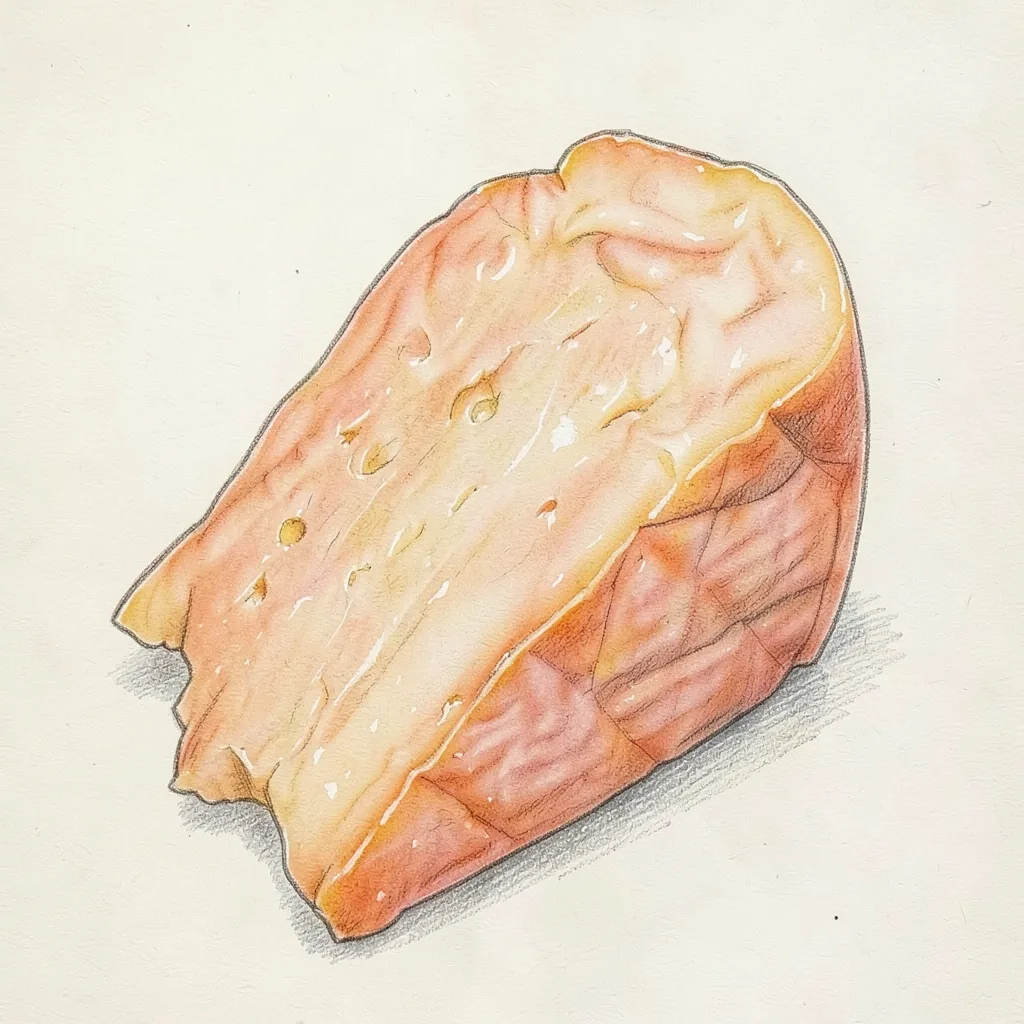
The milk is unpasteurized cow's milk. Each wheel is pressed, then washed while it ripens, so the rind turns orange to reddish and smells stronger than the paste tastes. The inside is pale, smooth, and supple, with a few small openings. Buyers often meet it wrapped in paper marked with a cross.
The flavor is mild, sweet, and a little nutty, with hay and fresh cream in the same bite. A ripe wheel can turn fruitier and a bit more pungent, and the finish may show a light bitter edge. People often compare it with Reblochon, though many tasters find Tamié a little firmer and stronger. It is sold as a round for the table. It also softens well with gentle heat.
History
Tamié Abbey has long kept a dairy, and the monks still make this cheese for sale as well as for their own table. The milk comes from herds near the abbey and is collected for each make. The recipe sits in the French family of monastery washed-rind cheeses. It is not a blue, and it is not a bloomy white cheese like Brie. The abbey name on the label is the surest mark of this wheel.
Washed-rind cheeses from French abbeys share a method, but they do not share one taste. Tamié stayed a soft, pressed cow's milk cheese with a savory rind and a gentler paste. It did not become a large industrial brand with many flavors. Shops that know monastery cheeses still treat the abbey name as the point of the product. If the label names another abbey, it is a different cheese.
How it is made
Whole raw cow's milk is warmed, cultured, and set with rennet. The curd is cut, stirred, and placed in molds, then pressed so the wheel holds a soft but tidy shape. The cheeses are salted and moved to a cellar. During ripening the rinds are washed, which encourages the orange surface and the savory smell. The paste stays uncooked, so it does not become a firm alpine wheel.
When the cheese is ready, the rind is thin, moist, and colored from pale orange to brown red. The paste is creamy and may show scattered eyes. A shorter ripening keeps the taste delicate and milky. A longer rest deepens the aroma and makes the edge softer. The abbey wraps the wheels for sale, and that paper also protects the washed rind on the way to the shop.
Taste
Smell the rind first. It is pungent, yeasty, and a bit like a damp cellar, which is normal for a washed cheese. The paste is gentler and quite mild, with sweet cream, salt, hay, and a nutty note. Fruit can appear as the wheel ripens. Bitterness, if it shows, is small and sits at the finish rather than through the whole bite.
Texture is smooth and yielding, and a warm piece almost spreads while it still holds its shape. It does not run like a very ripe bloomy cheese. The center is milder than the rind, so a full slice tastes more balanced than the surface alone. Salt is present but not harsh. People who dislike strong smells often find the flavor milder than they expected from the aroma.
In the kitchen
Serve Abbaye de Tamié at room temperature with bread, potatoes, or a light wine. It can go into a sandwich or melt over vegetables, where the washed rind adds savor without a blue cheese bite. Do not boil it, or the paste can turn oily and the smell can dominate the pan. Trim the rind only if you want a milder bite in a dish. A little also goes well with ham or a green salad.
Keep the wheel wrapped and cold, then unwrap it before serving so the aroma can open. If the rind feels very sticky and the smell is sharp ammonia, the piece is past its best. Use a ripe but sound wheel for cooking, and a younger one when you want a mild board. It will not grate into dry flakes. Pair it with plain foods so the cream and hay notes stay clear.
Around the world
Outside France, Abbaye de Tamié appears in shops that carry monastery cheeses and washed-rind wheels. It is less common than Reblochon, Munster, or Époisses, so many buyers meet those first. The abbey name and the cross on the paper help you tell it from other soft cow's milk cheeses. A similar washed cheese from another abbey is not the same wheel. Read the label if you need raw milk, because that treatment is part of this cheese.
Reblochon is the closest stand-in for cooking or a board, though it is usually milder and creamier. Munster is stronger and smellier, so use less of it in the same recipe. Saint-Nectaire is another French cow's milk cheese, but its rind and flavor are different. If you cannot find Tamié, choose a washed-rind cow's milk cheese rather than a bloomy Brie. Store leftovers tightly wrapped so the odor does not spread.