Sheep
What it is
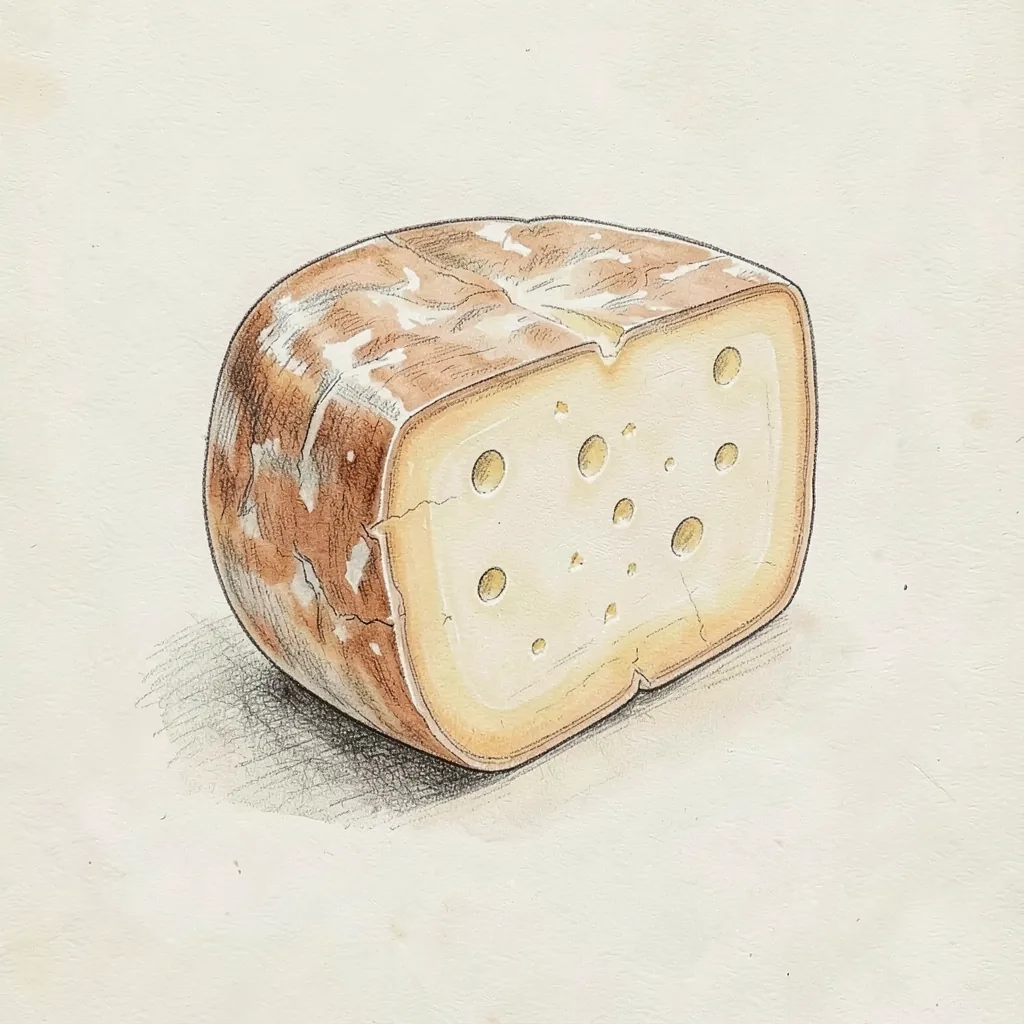
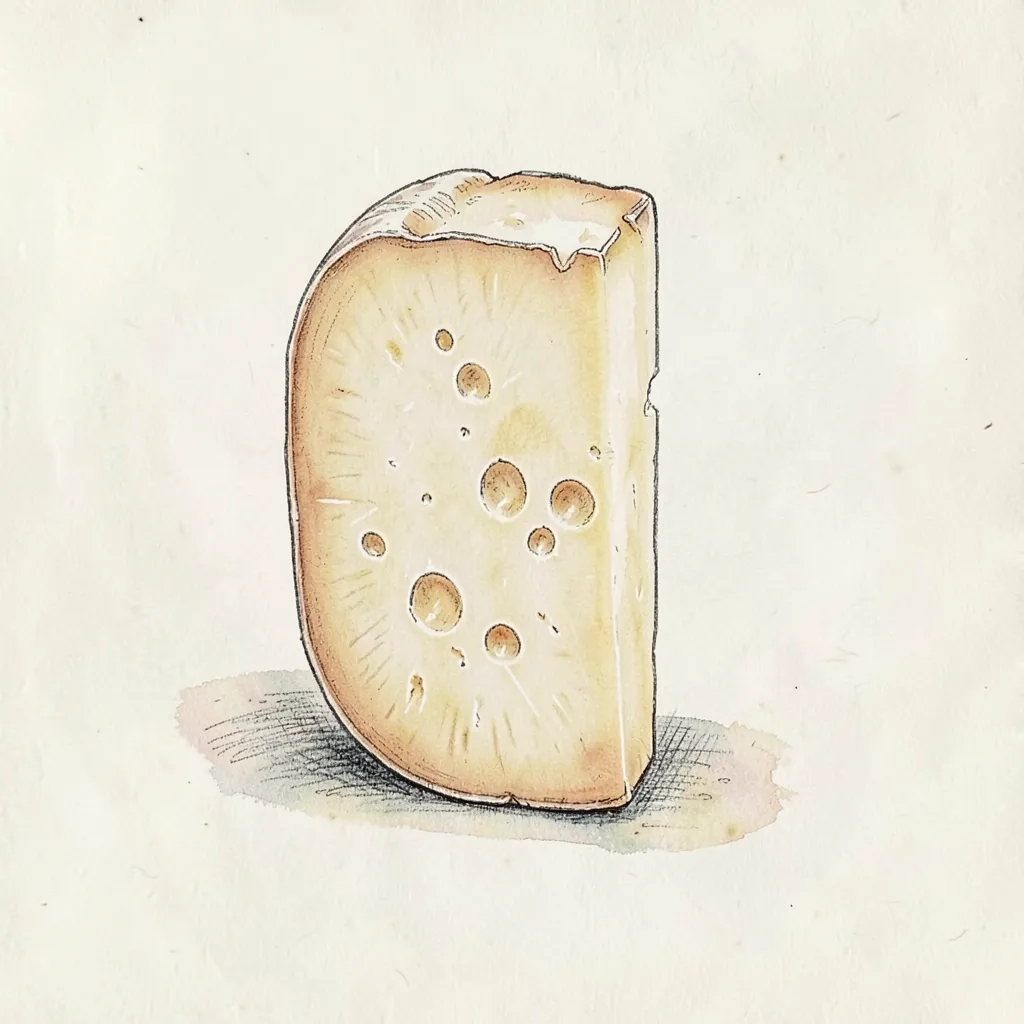
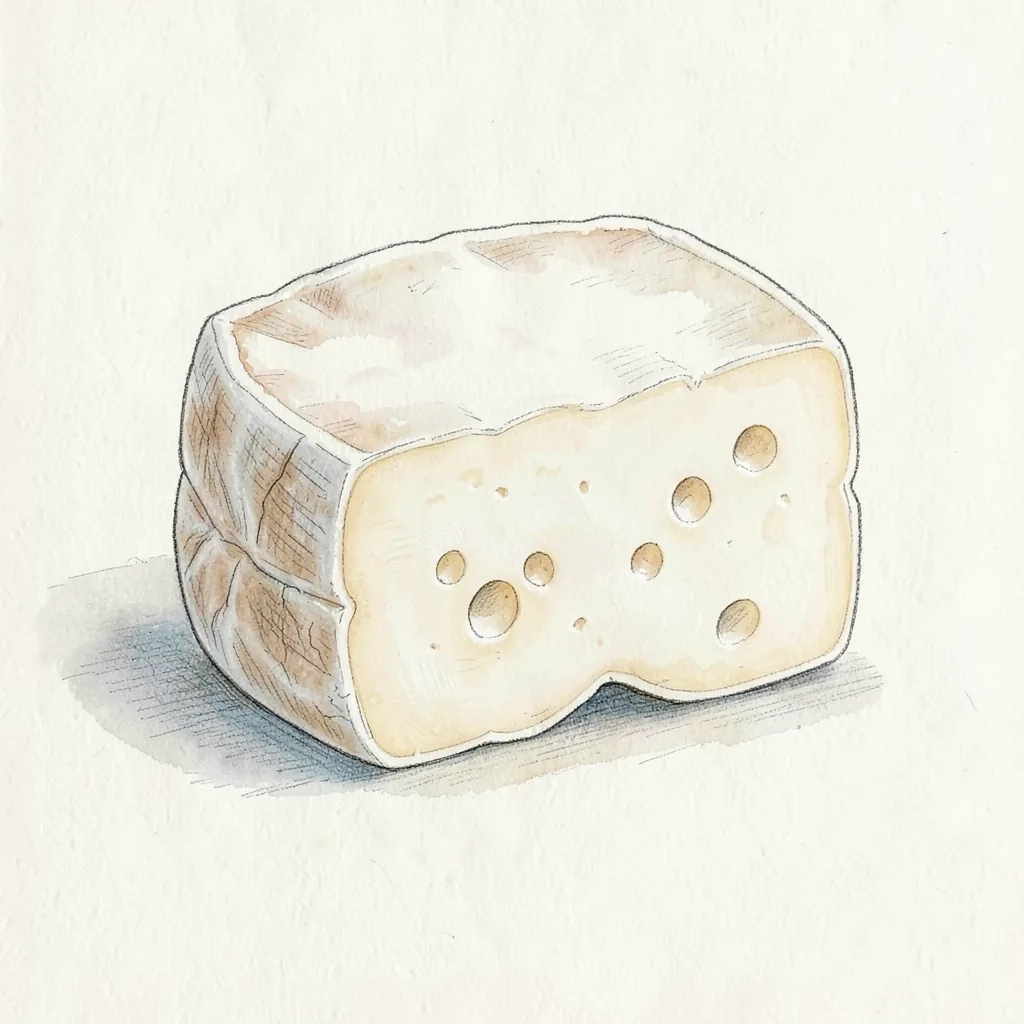
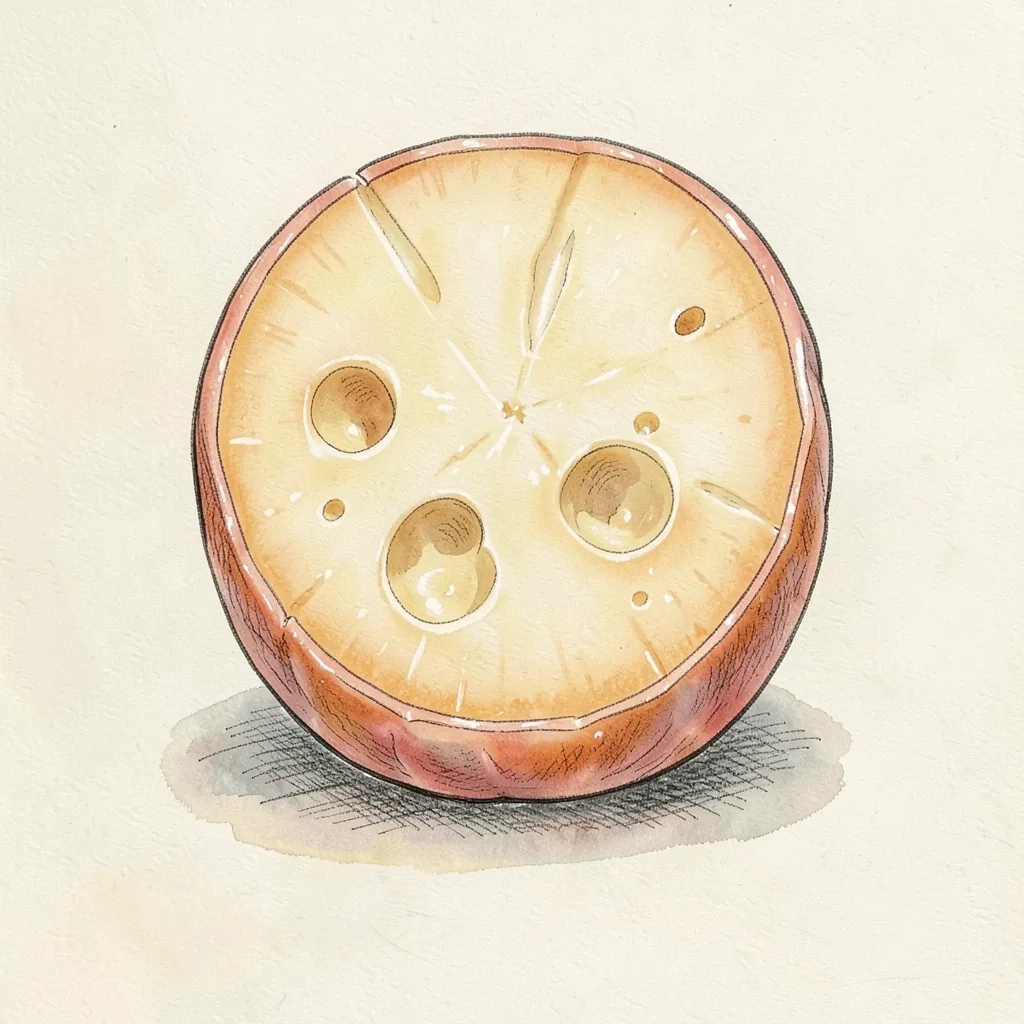
Makers press the curd into small, uneven balls rather than neat wheels. A thin natural rind turns yellow to orange, and the paste inside stays pale yellow and firm. The taste is strong, tangy, and a little acidic, with a clear sheep's milk character. It is sold as a table cheese and also used where a firm cheese needs to melt.
The shape is part of how people recognize it. Each piece is more of a rough sphere than a flat disc, and the rind is thin enough to eat with the paste if you like a firmer bite. Cut pieces hold together, then break into crumbs when the cheese is well aged. Despite the hard body, heat softens it, so cooks grill it or fold it into a melted dish. On a board it needs something sweet or plain, because the flavor is not mild.
History
Hard sheep's milk cheeses belong to the older farmhouse dairy of the Czech Republic, where flocks and small dairies supplied local tables. Abertam cheese comes out of that tradition. The curd is pressed and kept until it firms, instead of being eaten fresh. The odd ball shape and the thin colored rind became the marks shoppers still look for. Written recipes differ, but the public cheese is still a firm sheep's milk piece with a sharp, acidic taste.
Outside specialist counters, many people meet Czech cheese first as a mild slice or as a pungent sour curd. Abertam cheese is neither of those. It is a pressed sheep's milk cheese, closer in kitchen use to other firm sheep's milk cheeses of Europe. Demand stayed local for a long time, and production remains small beside the big industrial dairies. When a label says Abertam, expect sheep's milk, a natural rind, and a taste that is stronger than a young table cheese.
How it is made
Makers warm sheep's milk and set it with rennet so a clean curd forms. They cut that curd, let whey drain, and salt the mass. The curd is then pressed into small rounds that are not perfectly even, which is why finished pieces look like rough balls. A natural rind develops on the outside while the inside stays closed and pale. No mold is added to make veins, and the cheese is not sold as a fresh curd.
During aging the rind takes on a yellow to orange cast, and the paste loses moisture until it feels hard. A younger piece can still slice, while a longer aged piece turns drier and more crumbly. The sheep's milk fat keeps the flavor rich even as the texture tightens. Makers turn and dry the cheeses so the rind stays thin rather than thick and cracked. The result is a firm cheese that still melts when heat reaches it.
Taste
The first bite is tangy and a little sharp, with an acidic edge that sheep's milk often gives. Salt is present, but it does not hide the dairy flavor. The aroma is clean and sheepy rather than ammoniated or moldy. As you chew, the paste feels dense, then it breaks into small crumbs. A well kept piece tastes strong without turning bitter, and the finish stays on the tongue.
Age changes the balance more than the color does. A younger ball is milder and a bit moister, so the tang sits on a creamy note. An older ball is drier, saltier, and more pointed in flavor. The inside stays pale yellow, so you judge ripeness by smell and by how the knife meets the paste. Let the cheese warm before you taste it, because a cold piece hides the aroma that makes the cheese worth buying.
In the kitchen
Slice Abertam cheese for a board with plain bread, apple, or a little honey, because sweetness balances the acid. It also grates over warm potatoes, eggs, or a simple soup when you want a sharp finish. Heat makes it soften, so a thick slice can go under a grill until the edges melt. Keep the portions modest. The flavor is strong, and a large amount can cover the rest of the plate.
In a melted dish, pair it with a milder cheese if you want a softer taste, or use it alone when the tang should lead. It does not run like a very young soft cheese. It softens, slumps, and turns glossy while the pieces stay somewhat distinct. Crumble a dry piece into a salad only if you like a firm, salty bite against the leaves. Wrap cut cheese well, because the smell is assertive and will scent nearby food.
Around the world
Abertam cheese is a Czech specialty, and most of it is eaten in the Czech Republic. Shops abroad that carry Central European cheese sometimes stock it, but it is not a standard grocery item in other countries. Read the milk line on the label, because a firm cheese from the same country may be much milder. If the piece is an uneven ball with a thin orange rind, you are likely looking at the traditional shape. Ask to taste it when the age is not clear on the label.
Pecorino Toscano can stand in when you need a firm sheep's milk cheese for a board or a grate. Ossau-Iraty is another pressed sheep's milk cheese with a savory edge, and it softens slowly under heat. Neither copies the rough ball or the particular acid note of Abertam cheese. Bryndza is also a sheep's milk cheese from this part of Europe, but it is crumbly and fresh, not a hard pressed ball. The Czech sour curd called Olomoucke tvaruzky is a different cheese again, pungent and not this one.