Mixed milk
What it is
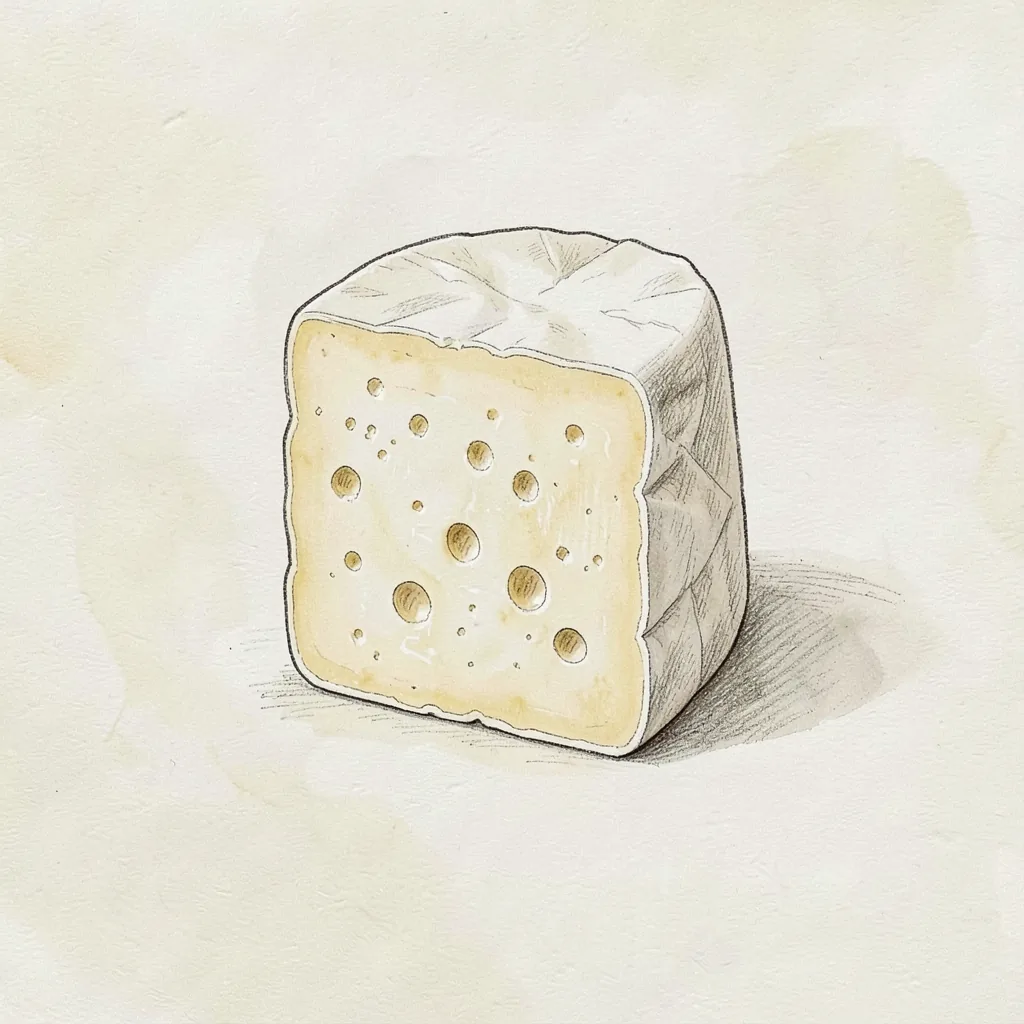
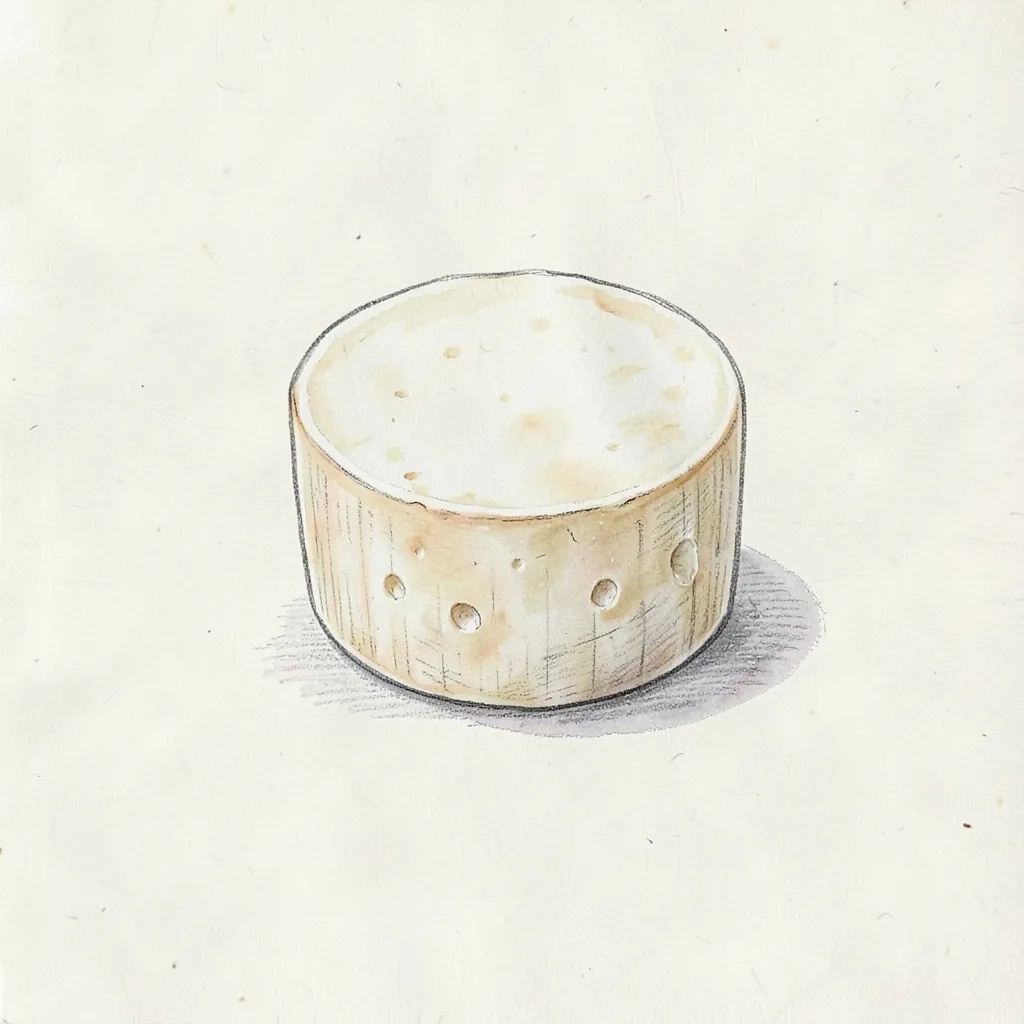
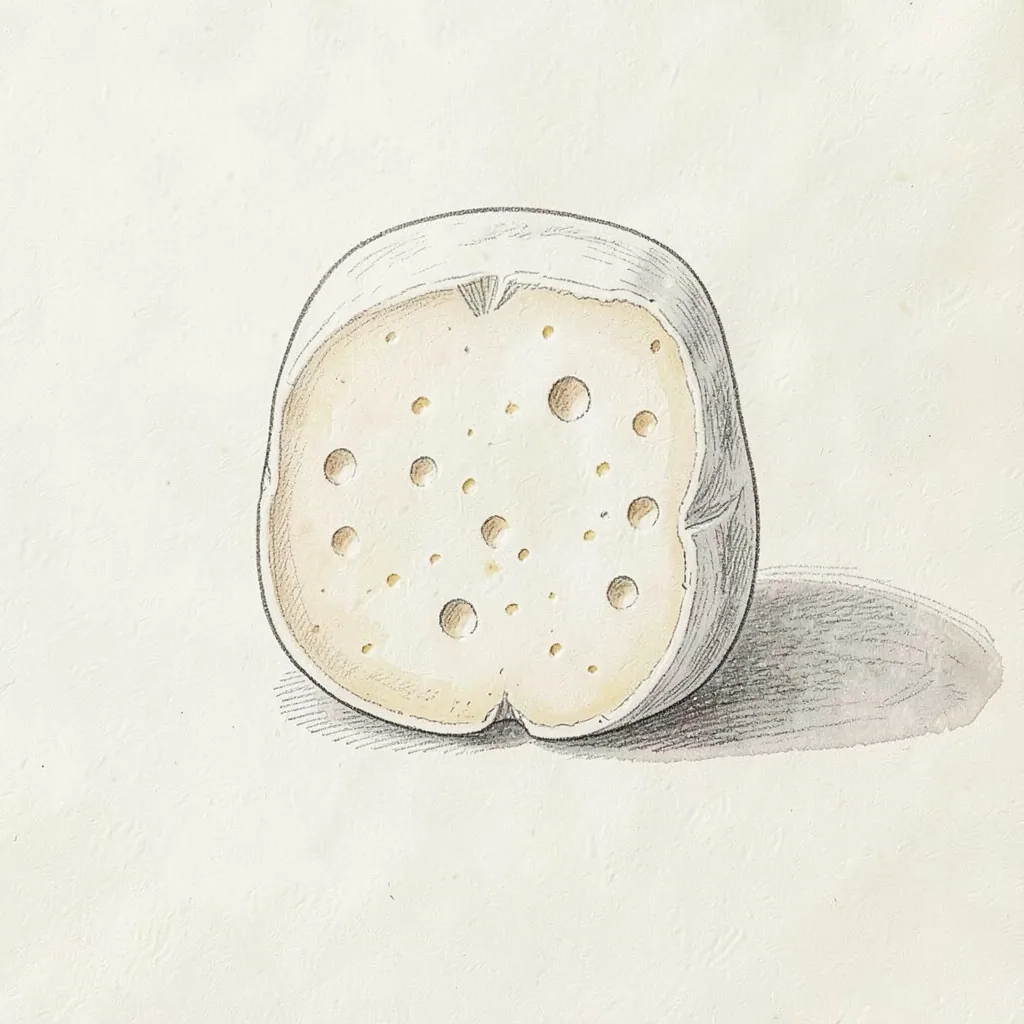
It is made from the whey of sheep's milk, goat's milk, or a mixture, often with extra milk or cream from those same animals stirred back in. The result is richer and milder than a lean drained whey cheese. There is no rind. The paste is creamy, sliceable, and only lightly salted.
Greek cooks treat it as a fresh table cheese rather than as a salty brine cheese. It can be sliced onto a board, crumbled over a salad, or warmed until the edges soften. The flavor is milky and slightly sweet, with a clean finish. It is not feta, even though both belong to Greek dairy tradition. Where feta is sharp and salty, manouri is gentle and rich.
History
Whey cheeses are a practical Greek tradition, because cheese making leaves a large amount of whey that still holds protein. Manouri took whey from sheep and goat cheeses and turned it into a food closer to a rich fresh cheese than to a dry curd. Thessaly is the region tied to the name here. The protected name keeps the cheese on sheep and goat dairy and on a set way of working. It is not a random white loaf with a Greek label.
For a long time, whey cheeses were the quiet second product of a dairy day. Manouri became the richer one in that group, because cream or milk went back into the whey before the curd rose. That step is why people describe it as lush rather than lean. It stayed a plain white cheese, without herbs in the paste and without a colored rind. Dairies now pack it for shops across Greece and for export, but it is still a fresh whey cheese.
How it is made
Cheesemakers start with fresh whey from sheep's milk, goat's milk, or both. They warm it, and they often add sheep or goat milk, or cream, so more fat and protein join the curd. As the liquid heats, fine curds rise and gather on the surface. Those curds are ladled into cloth and left to drain. The mass is not pressed into a hard wheel, and it is not dropped into a heavy brine bath the way feta is.
Drainage decides the body of the finished cheese. A shorter drain leaves a moister, more spreadable piece, and a longer drain makes a slice that holds an edge. Salt stays light, which keeps the sweet milk taste in front. There is no ripening room for mold and no wax coat. The cheese is packed while it is still white and fresh, and a good piece looks smooth, smells clean, and feels moist without sitting in a pool of whey.
Taste
Manouri tastes mild, creamy, and lightly sweet. The sheep and goat whey gives a soft dairy flavor, not a sharp barnyard punch and not a salty sting. Acid is low, so it does not bite the way a spoon of yogurt does. The texture is velvety, somewhere between a firm fresh whey cheese and a young slicing cheese. It coats the mouth and finishes clean, with no bitterness and no smell of ammonia.
Because the salt is modest, other foods show up clearly beside it. Honey tastes like honey, and a ripe tomato tastes like tomato. A piece kept icy cold can seem dull and firm, while a piece left out too long can turn sour. Fresh manouri smells like warm milk and cream, and a yeasty or harsh smell means it is past its best. The pleasure is richness without a strong rind, a strong spice, or a brine burn.
In the kitchen
Slice manouri for a board with bread, olives, and fruit. Crumble it over salads of tomato, cucumber, or greens when you want creaminess without a hit of brine. It softens in a warm pan and can brown on the outside while the center stays tender. That makes it useful for a light grill or a skillet supper. It will not stretch into long strings, so it is the wrong cheese when a dish depends on a pull-apart melt.
Desserts use it with honey, walnuts, and pastry, where the mild sweetness of the cheese is welcome. Savory pies can take cubes or slices that warm through without flooding the dish with salt. Do not swap it into a recipe that depends on a very salty cheese, or the food will taste flat. Add salt yourself if the plate needs it. Once the pack is open, keep it cold and covered, and eat it while the flavor is still fresh.
Around the world
Inside Greece, manouri is a familiar package in the dairy case for people who want something softer than feta. Thessaly remains the region tied to the name. Visitors meet it on breakfast plates and on salads more often than inside a grilled sandwich. Export shops that carry Greek cheese sometimes stock it next to feta and graviera. The protected name helps abroad, because a vague label that only says Greek whey cheese may be a leaner product.
Anthotyros and myzithra are the Greek whey cheeses people mix up with it. Anthotyros is often leaner, and fresh myzithra is usually more like a dry crumbly curd, while aged myzithra is meant for grating. Manouri is the creamy one of the group. Ricotta is the whey cheese most cooks already know, and it can fill in for moisture, though it is less rich. If a recipe asks for manouri and you only have feta, you have a saltier cheese with a different job.