Cow
What it is
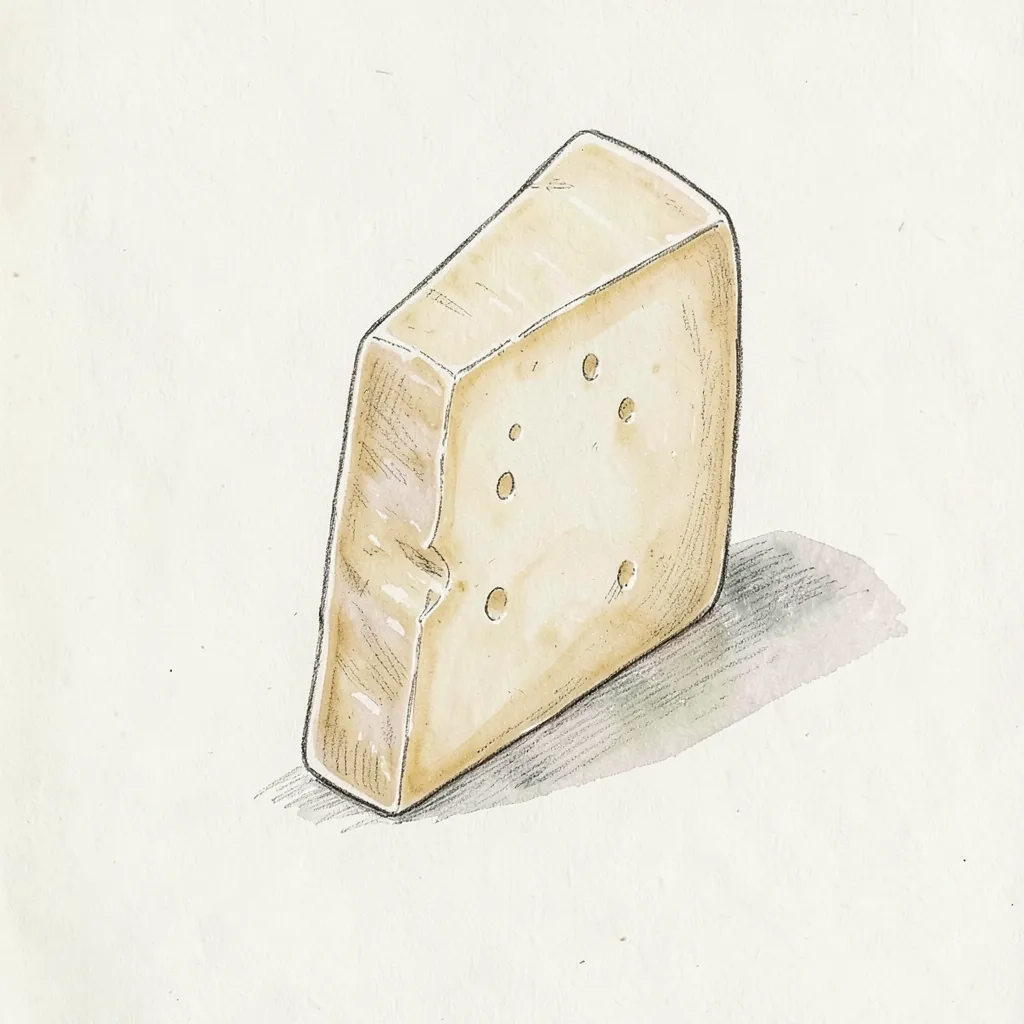
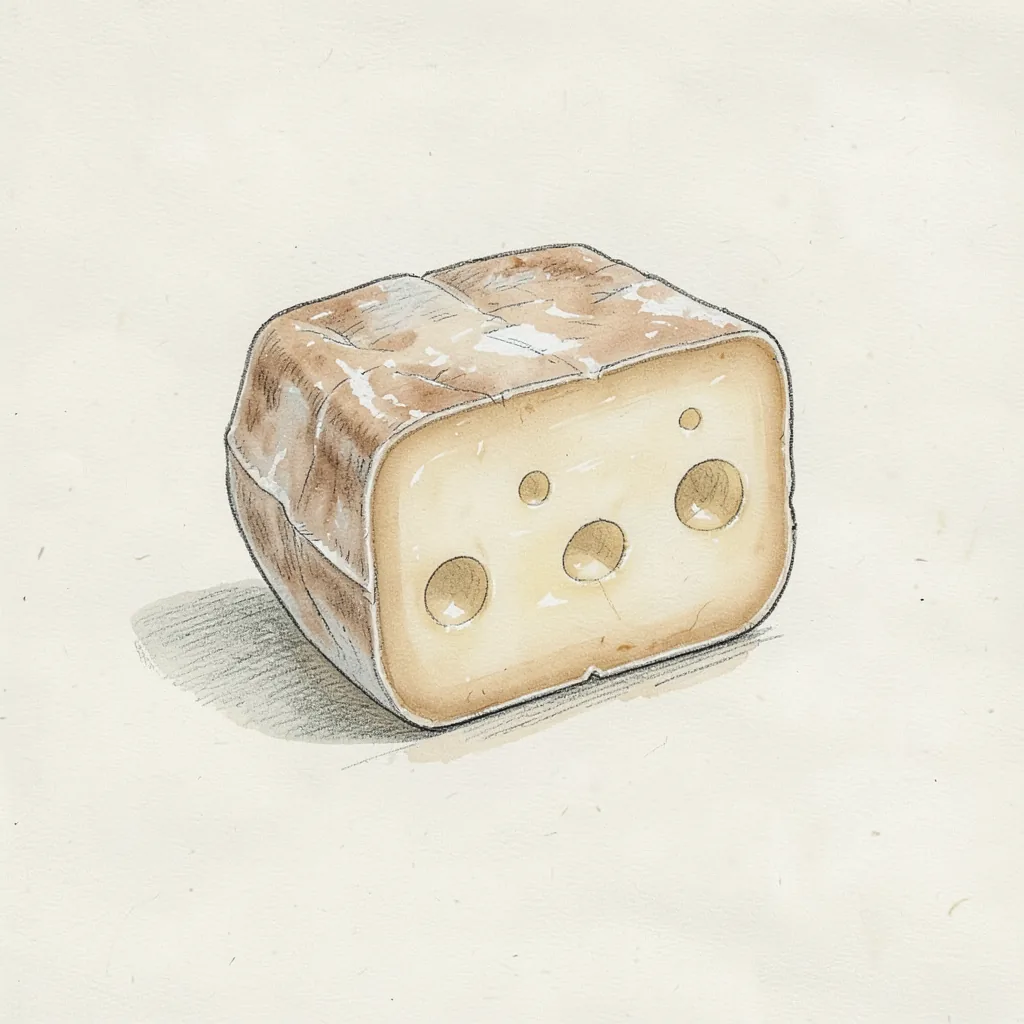
It is a brand made from cow's milk, and it is sold in rounds, blocks, slices, and grated packs. The cheese is not hung in wood smoke. Makers add a smoke flavoring, then coat the outside with paprika so the piece looks warm and amber. Inside, the paste is a dense cheddar with a smooth, smoky taste and a color lighter than the coat.
The name leads some buyers to expect a wheel smoked over apple wood. The flavor is smoky, but it does not taste burnt, and it should not taste of ash. Paprika on the coat adds color more than heat. The texture is semi-hard, though some pieces are soft enough to bend, which makes a fine grate uneven. Norseland makes the cheese for the Applewood name, and it is a supermarket cheddar rather than a clothbound farmhouse wheel.
History
Applewood grew up as a branded British cheddar, not as an old smoked cheese from one county fair. The idea was simple: take a mild, meltable cheddar and give it a smoke taste that shops could sell all year. The paprika coat became part of the look, so people could spot the cheese in a chill cabinet. The brand later added more formats, from slices to grated bags, and a stronger vintage-style piece. The core product stayed a smoke-flavored cheddar with a colored coat.
Because it is a brand, the story is a company story rather than a village recipe. The cheese spread through British supermarkets as a convenient flavored cheddar. Cooks used it where they wanted smoke without a smoker. A plant-based piece now shares the brand name, and that piece is not the cow's milk cheese. The dairy original remains the one with cheddar on the ingredient list, and its reputation rests on being easy to melt and clearly smoky.
How it is made
The base is cheddar made from pasteurized cow's milk. Curds are cheddared, salted, and pressed into a firm paste in the usual way for a block cheddar. Smoke flavoring is added as an ingredient, rather than by holding the wheel over a wood fire. A light coat of paprika goes on the outside. The cheese is then cut into rounds, wedges, slices, or shreds, which is why the center stays pale while the outside looks russet.
A vintage version uses a more mature cheddar before the smoke flavor and the coat go on. The method is still flavoring and coating, not a wood fire. Grated and sliced packs are the same cheese cut for speed. A packaged piece may include a preservative, which is normal for this style of retail cheddar. Nothing in the make creates a natural rind you must trim, and the paprika is only a coating that can color a knife.
Taste
The first note is gentle smoke, then the tang and sweetness of cheddar. Ordinary Applewood is savory but not as sharp as a long-aged clothbound wheel, while a vintage piece carries more cheddar depth under the same smoke. The paprika coat is mild, and it does not make the cheese hot. The paste is close and moist, with a smooth bite. A good piece smells of smoke and dairy, not of scorch, and a bitter smoke note or an oily cracked paste is a reason to choose another pack.
Cold cheese shows the smoke more clearly than a bubbling melt, where the cheddar sweetness comes forward. The finish should be clean, with no burnt aftertaste, and the salt level is typical of cheddar. There is no herb layer and no blue vein. A bite from the pale center is the cheddar, and a bite with the coat adds color more than a new flavor. People who want a harsher smoker taste may find this piece gentle, which is the point of the brand.
In the kitchen
Applewood melts well on toast, in a burger, or through a sauce where you want smoke without building a fire. Grated packs are made for pasta, baked potatoes, and toppings. A wedge on a board needs bread and something sweet, such as apple or a mild chutney, because the smoke can feel heavy alone. It is salty enough that you may not need more salt in a grilled sandwich. Use a light hand in a delicate soup, or the smoke will cover the other ingredients.
The cheese can go into a quiche, a jacket potato, or a tray of roasted vegetables. It pairs with pork, onion, and egg more naturally than with a sweet dessert. If a recipe asks for plain cheddar, Applewood will change the dish, so use it only when smoke is welcome. Slices are tidy for sandwiches, and a soft piece may mash under a grater, which is why the pre-grated bag exists. Keep the coat on unless the red dust bothers the look of a pale sauce.
Around the world
The brand is common in British shops and travels in wedges and slices. Shoppers abroad sometimes treat it as a generic smoked cheddar, which is close but not exact, because the smoke is a flavoring and the coat is paprika. A cheese that was actually smoked, such as Rauchkäse, has a different smoke and a different make. Plain cheddar is the right swap when you do not want smoke at all. Read the pack, because a plant-based piece under the same brand is not the cow's milk cheese.
In the United Kingdom it is an ordinary supermarket item, not a cheese you must order from a specialist. Abroad, import shelves and British grocers are the likely places. Red Leicester can look similar from a distance because of its color, but it is not smoky and it is not this brand. Other block cheddars lack the smoke flavoring. If the label only says smoked cheddar, you may be holding a different product, and Applewood should carry its own name.