Cow
What it is
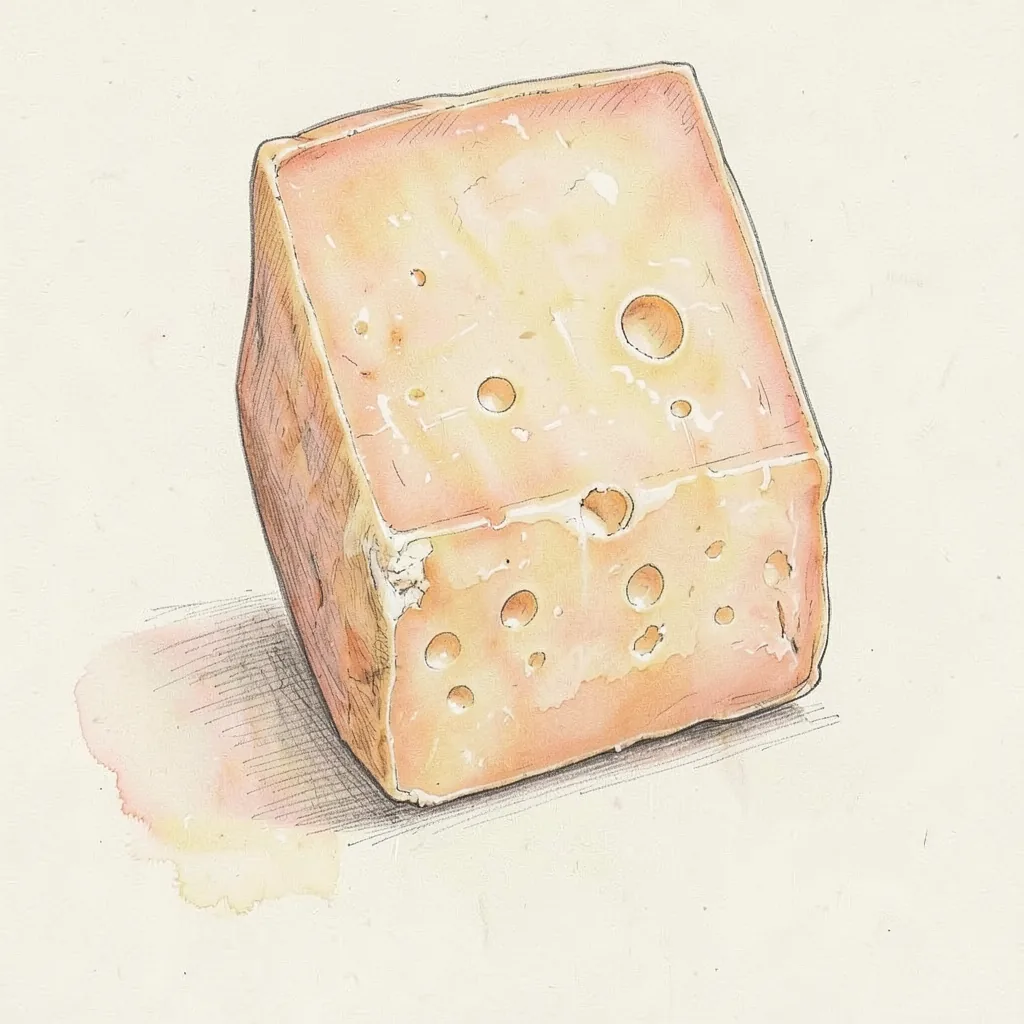
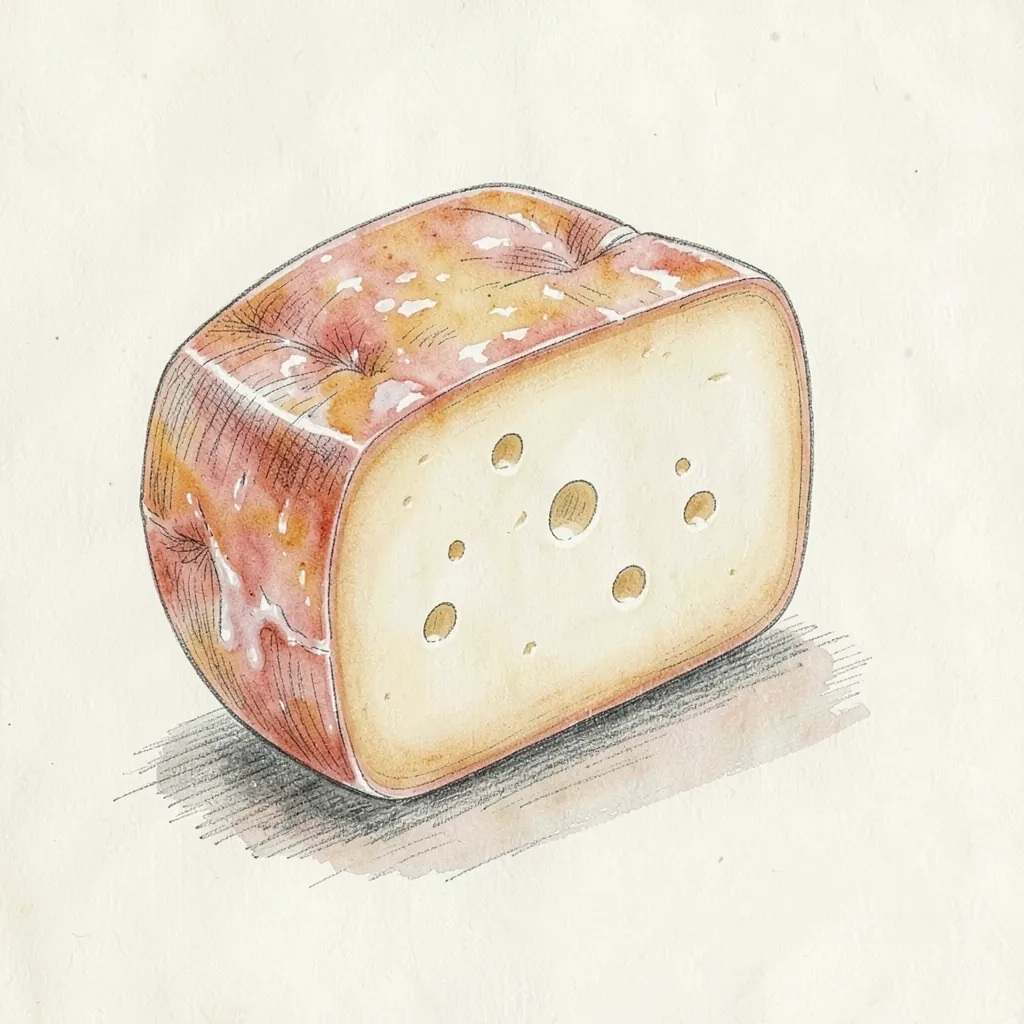
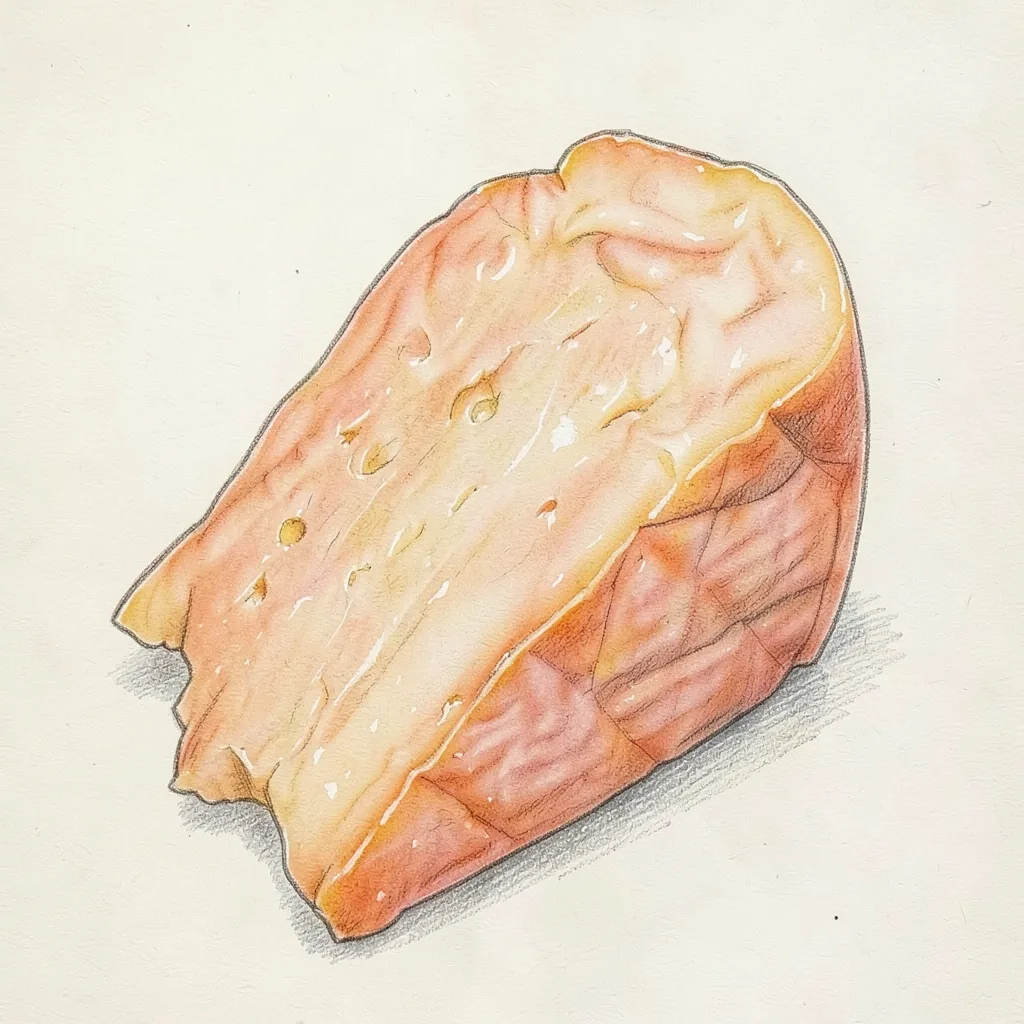
The piece is a small loaf or a brick, which is why the name begins with baguette. The rind is orange-brown, moist, and ridged from washing. Under that rind the paste is supple and dense, with a few small openings. The smell is strong, and the flavor is spicy and persistent, in the same broad taste group as Maroilles.
Most shop pieces are made from pasteurized milk in a creamery, so the loaf is steadier than a single farm batch. A younger cheese is a little less sharp, and a well kept older one tastes fuller and more pungent. The rind carries the aroma, while the paste stays rich rather than dry. It is not a white-rinded mild cheese. If the rind dries in the fridge, the taste can turn sour and unpleasant, so storage matters as much as the make.
History
Washed-rind cheeses have a long role in French cooking, and Maroilles is the square many people know from that group. Baguette laonnaise came later as a loaf made for a similar taste. Another name, Baguette de Thiérache, points to the same cheese. The loaf was never as widely famous as the square, and it is harder to find today. What stayed in the name is the shape, the washed rind, and the strong savory character.
The cheese is a creamery product more often than a farmhouse one, and pasteurized cow's milk is the usual base. That choice made a pungent style easier to sell beyond one farm. It did not replace Maroilles, which keeps its own name and square form. Smaller half loaves exist beside the full loaf, and both share the orange wash and the supple paste. Look for the loaf when you want this washed style without the classic square.
How it is made
Pasteurized cow's milk is curdled, and the curd is drained and placed in loaf or brick molds. The young cheese is salted and aired so the surface can set. It then goes to a humid room, where the rind is washed with salted water. Those washes favor the orange surface growth that gives the color and the smell. The paste softens and gains a few small holes, and the cheese is finished when the rind is sticky and the aroma is clearly savory.
The loaf is not ash coated, not blue veined, and not stretched like a pasta filata cheese. Washing is the step that defines it. A half loaf follows the same path in a smaller mold. The interior stays supple and a bit open, not hard and dry. Because the usual milk is pasteurized, a creamery can make the loaf through the year, while any farm batch can vary more, and in either case the rind should look moist and orange brown.
Taste
Expect a pungent smell from the rind and a spicy lasting flavor in the paste. The taste is savory and full, with a salty edge, and it grows sharper as the cheese ages. The texture is supple, slightly elastic, and marked by small holes. It is stronger than a mild sandwich cheese and less soft-mild than a white bloomy round. At room temperature the aroma fills the space around the board, and that smell is normal for a washed rind in good condition.
A piece kept too cold and too dry can taste sour and dull, because the rind hardens and the balance is lost. A good loaf smells strong but clean, not of ammonia, and the paste should not be chalky. There is no herb layer and no smoke. People who dislike washed rinds will find this loaf too strong, and people who like Maroilles will know the family. The rind is edible if you want the fullest aroma, and it can be trimmed if only the smell seems high.
In the kitchen
Put Baguette laonnaise on a board with bread, or melt it over potatoes, leeks, or a tart. It also works in a sauce or a grilled sandwich, where the spicy paste stands up to onion. Cut it thick enough to taste the interior, not only the rind. Do not boil it, and if you bake, add it late so the fat stays in the paste. A dry aromatic white wine is a classic partner, and cider works too.
Let the loaf warm up before serving, and keep the cut face wrapped so the rind does not dry. The smell will linger in a fridge, so a closed box helps. A half loaf is a practical size for one meal. Cubes can go on a strong board beside milder cheeses, with a little space between them. It is a poor cheese for a grater, and if the rind has cracked and the paste tastes harshly sour, it is no longer at its best.
Around the world
Baguette laonnaise is uncommon outside France, and even in France it is easier to miss than Maroilles, Munster, or Livarot. Those washed-rind cheeses are what shops usually offer in its place. The loaf shape is the quick clue when you do see it. A square orange cheese is likely Maroilles or a close cousin, not this loaf. Ask for the baguette name or for Baguette de Thiérache, and without that name assume you have a different washed cheese.
Maroilles is the closest flavor if you need a substitute, though the piece will be square and often very strong. Munster and Limburger bring a similar pungent wash and a supple paste. Livarot is another French washed cheese with a firm spicy character. Any of them can fill a tart or a potato dish. None of them is a mild white-rind cheese, so do not swap in a soft white round and expect the same savory result.