Cow
What it is
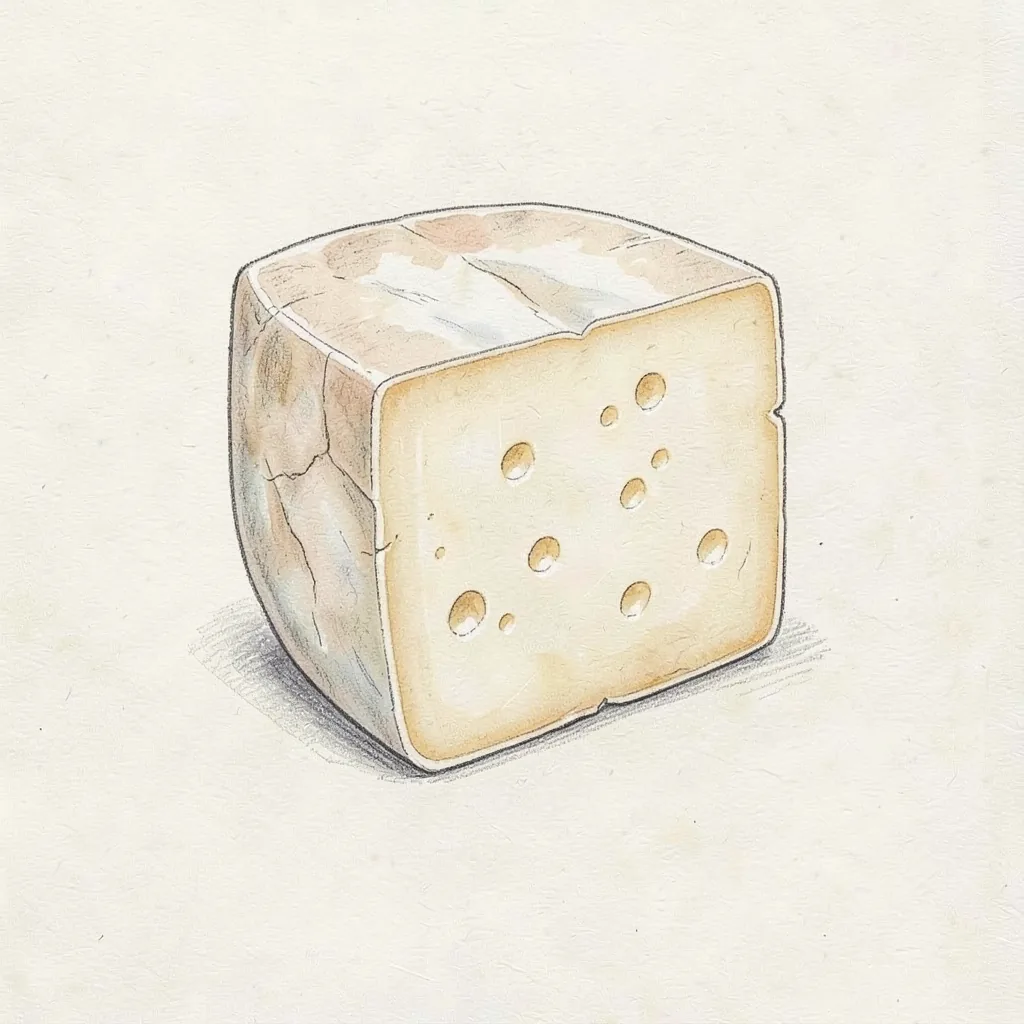
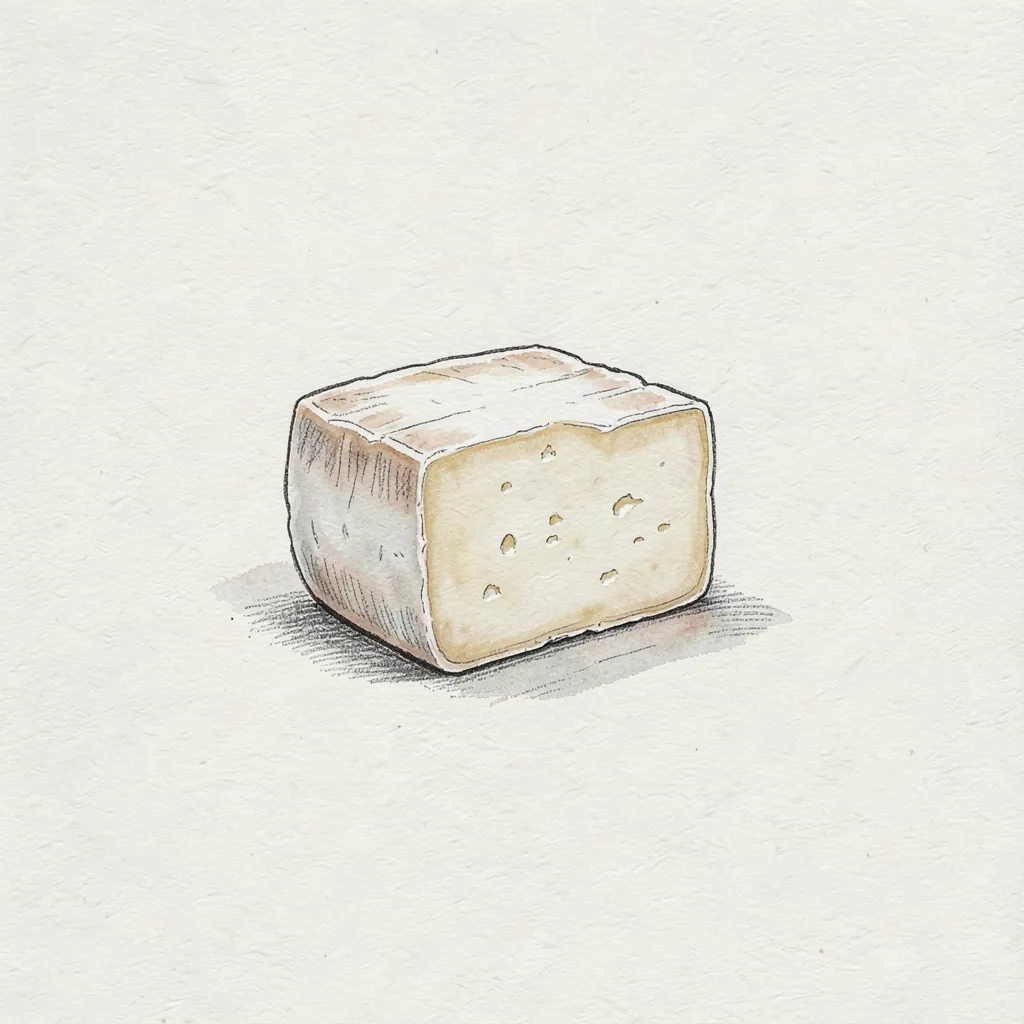
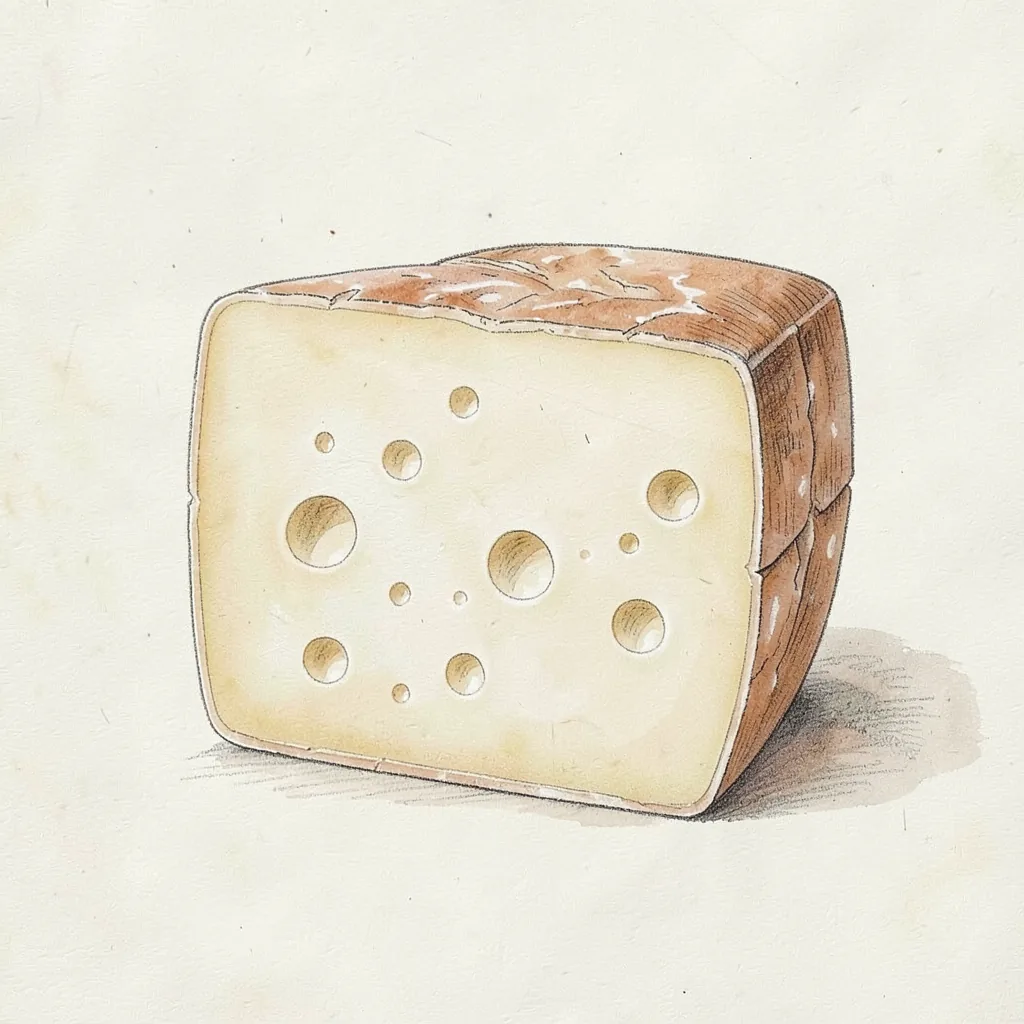
Extra cream makes the paste rich, in the manner of a butter cheese, and the pieces are finished in bright green wax. The name and the cultures point toward Norwegian dairy practice, but the cheese itself is American. The interior is pale, smooth, and mild, with only a light sour note under the cream. It is not a brown whey cheese, and it does not carry the large round eyes of a Swiss-style wheel.
A cold wedge tastes closed, sweet, and buttery, with the sour note still hidden. After a short time out of the fridge it softens, and that slight sourness becomes easier to catch. The green wax is only a coat, so peel it back before you taste or cook. Bergenost is mild enough for people who avoid strong rinds, and it is more interesting melted than eaten straight from a cold case. A smooth pale paste and that green coat are the pair to recognize.
History
Bergenost was developed in New York as a shop cheese with a Norwegian-sounding name, not as an import. Ost is the Norwegian word for cheese, and the style was aimed at people who liked mild Scandinavian dairy food. Cultures linked with Norwegian cheese making help start the flavor. Green wax made the wedges easy to find in an American grocery case. It is a commercial New York cheese for the United States market, not a farm recipe from a valley in Norway.
Rich semi-soft butter cheeses already had a place in northern European cooking and on plain bread. This American version kept that creamy richness and used a Norwegian-sounding name without being a cheese shipped from Norway. Supermarkets carried it more often than farmhouse counters did, usually as a pre-cut wedge. The mild taste let it sit with fruit preserves and simple loaves, without a long age or a pungent washed rind. The wedge in green wax is still the form most people recognize when they see the name.
How it is made
Cow's milk is enriched with cream so the finished cheese is especially rich. Starter cultures acidify the milk, rennet sets the curd, and the curd is cut, stirred, shaped, and salted. The cheese is held only long enough to turn semi-soft, not long enough to become sharp or dry. A green wax coat goes on, and the cheese is cut into wedges for sale. There is no blue vein and no washed rind, because the goal is a mild, moist paste under the wax.
Those cultures are the link to Norwegian practice, and they help build a light sour note under the cream. Wax holds moisture in, so the wedge stays supple instead of growing a dry natural rind. The wax itself is not eaten, and it should come off in clean pieces. Under it, the paste should look even and pale, without cracks or mold. A sound piece smells faintly of butter and clean milk, not harshly sour.
Taste
The flavor is mild, creamy, and slightly sour, closer to sweet butter than to a pungent aged cheese. Salt is moderate and even, never a sharp crust on one side. There is little bitterness and no goat tang, since the milk is cow's milk. It does not taste of caramel the way a brown whey cheese does. Let the wedge lose its chill before you judge it, or the small sour note that keeps it from being plain fat will stay hidden.
Texture does much of the work on the plate. The paste is smooth and yielding, rich on the tongue, yet it usually holds a slice better than a fresh spreading cheese. Near room temperature it can be pressed onto bread with a knife. The finish is short and clean, with no lingering rind flavor. Choose it when you want cream, mild salt, and a hint of sourness, not a loud rind or a sharp grate.
In the kitchen
Bergenost melts well on a sandwich, a burger, or toast, and heat opens a slightly nutty side that the cold cheese only hints at. The mild flavor also suits a board beside fresh fruit or a tart berry preserve. Cubes sit easily on crackers, and a warm piece can be spread, though it is less loose than a fresh cheese. It is a poor grating cheese because it is moist and mild. Peel off the green wax before the cheese goes near a pan.
Melt it on bread or into a sauce rather than in a dry pan, or the rich paste can oil off. A little goes into a creamy soup or over steamed vegetables without taking over. The taste is quiet, so pair it with something bright, such as pickles or a tart jam, when the plate feels too soft. Rewrap leftovers so the cut face does not dry out in the fridge. Keep the wax off the food, and cover the cut end with a clean wrap.
Around the world
Bergenost is an American cheese, even though the name sounds Norwegian. Most of it is sold in the United States, in cases that carry other cheeses from New York. A traveler in Norway should not expect this green-waxed wedge as a local product. The mild cow's milk paste and the wax are how you tell it from other Scandinavian names in the same case. Cooks outside the United States treat it like any mild semi-soft melting cheese when a shop stocks the wedge.
Butterkäse is the closest substitute when you want another mild, moist cow's milk cheese that melts cleanly. Havarti can also stand in on a sandwich or in a warm pan, with a little more tang. Jarlsberg is the name people mix up with Bergenost, because both feel Norwegian, but Jarlsberg has eyes and a nuttier tone. Brunost is even less alike, because it is a brown whey cheese, not a pale butter cheese. Green wax and a semi-soft cow's milk paste from New York are what mark Bergenost.