Cow
What it is
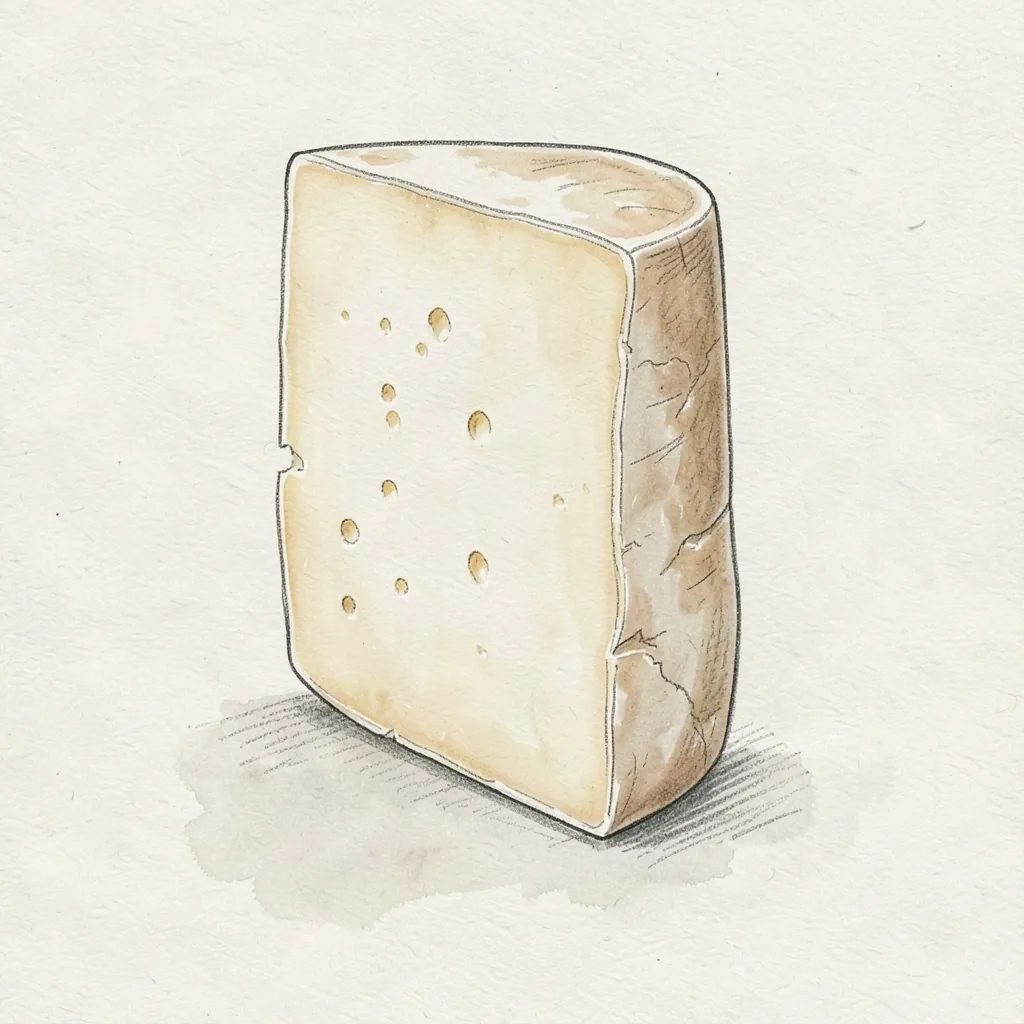
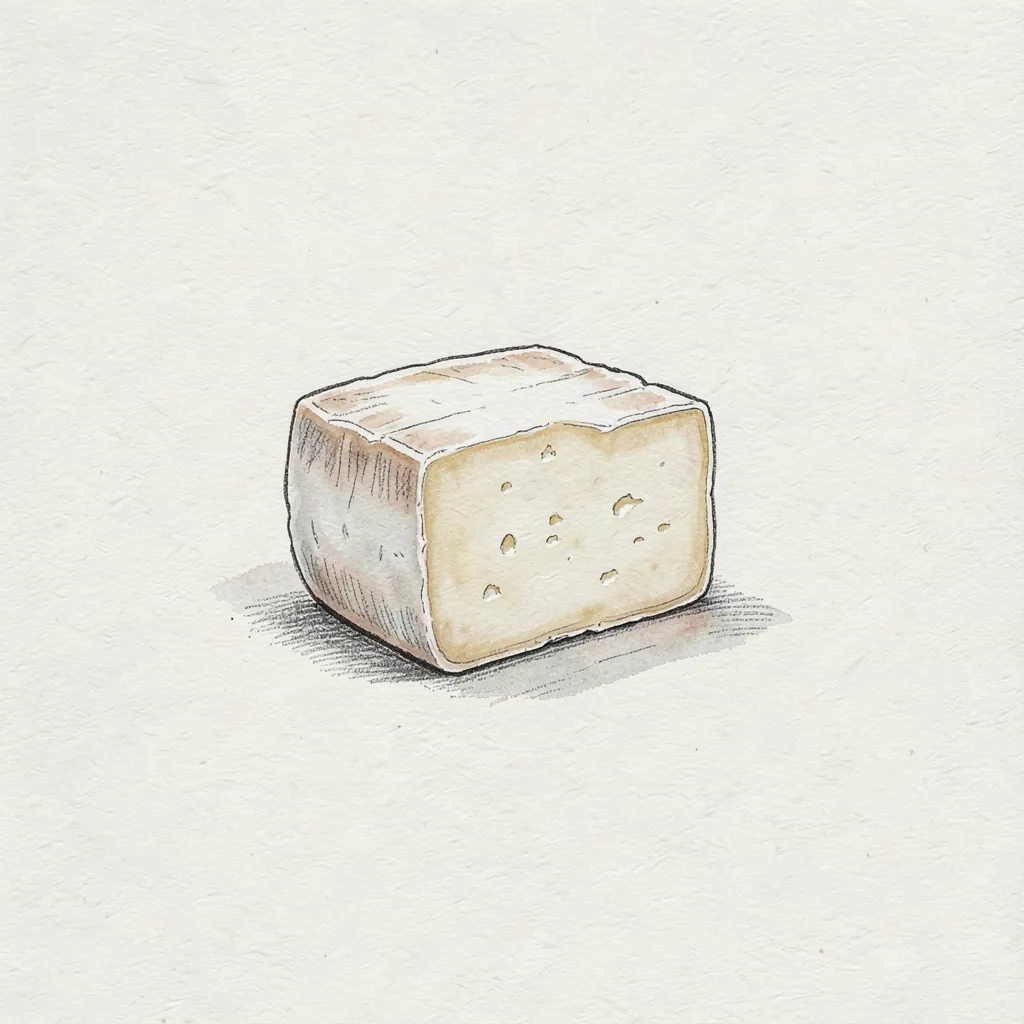
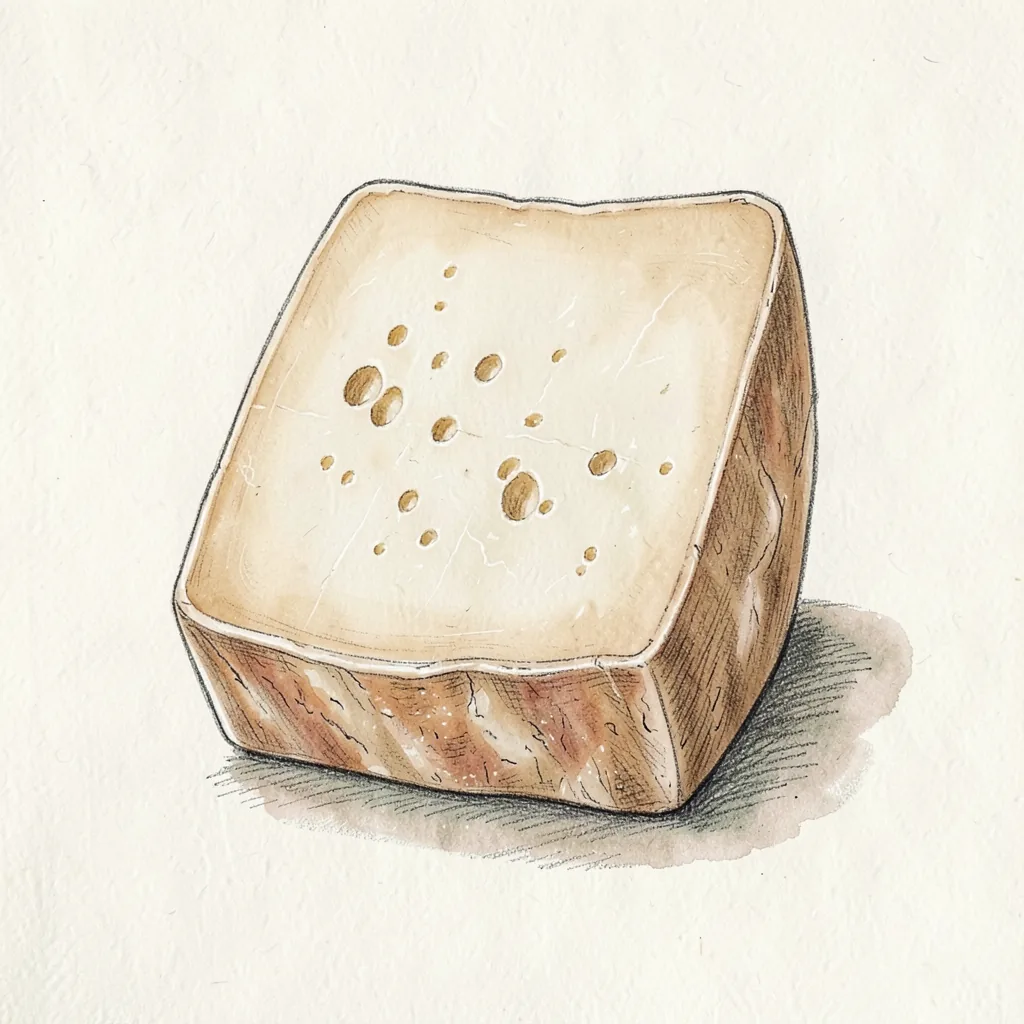
The paste is pale yellow, smooth, and mild, with a light tang and a soft buttery taste. A loaf is easy to slice, and small eyes are few or absent. German dairies treat it as an everyday slicing cheese rather than a long-aged wheel. The same mild style is also made in other countries for buyers who want a gentle melting cheese.
The flavor stays gentle because the cheese is sold young, before sharp notes can build. A plain slice tastes creamy, slightly salty, and faintly sour. It is not a pungent washed-rind cheese, and it is not a hard cheese for grating. A thin golden surface may form, and many people eat that surface with the paste. A smoked loaf exists, but the usual shop cheese is the plain mild one.
History
Butterkäse grew in Germany as a mild slicing cheese in the spirit of Italian Bel Paese. Creameries wanted a supple loaf with a buttery taste and a short make, and this style filled that role. The name spread as a cheese type, not as one farm label. Production stayed centered in Germany, and the cheese became a regular item in German dairy cases. No single village holds the name.
The style later traveled with German cheesemaking knowledge. Dairies outside Germany have made a version for buyers who want a mild melting cheese. Those loaves follow the same broad idea: cow's milk, a supple paste, and a short ripening. They are still Butterkäse in the kitchen, even when the dairy is not German. The German cheese remains the reference for the name.
How it is made
Makers start with cow's milk and add cultures that sour the milk while rennet sets the curd. The set is fairly quick, and the curd is kept warm so the acid develops through the make. Curds are shaped, most often into a round or a loaf, and then salted in brine. The young cheese is shaped to keep moisture, not dried into a hard grating wheel. That moisture is why the paste cuts smoothly and can verge on spreadable.
Ripening is short and cool, so the flavor stays mild and the body stays supple. A thin rind can form, but the cheese is not built around a strong smear or a blue vein. Holes, if any, are small. The rich milk paste gives the buttery impression, though the cheese is not butter. Shop loaves are usually pasteurized, and the result is a semi-soft slicing cheese sold while it is still young and pale.
Taste
The first taste is butter, milk, and a clean mild salt, with a small acidic edge. Nothing in the usual plain loaf is smoky, sharp, or bitter. The paste feels smooth, moist, and a little elastic, closer to a young mild slicer than to a crumbly aged cheese. Color runs from ivory to light yellow. Aroma is quiet, with a dairy sweetness rather than a strong barnyard note.
Texture changes with age and with how dry the maker left the loaf. A younger piece almost spreads on warm bread, and a slightly firmer piece still slices for a sandwich without crumbling. Neither version turns nutty and crystalline the way a long-aged cheese does. If a smoked loaf is on offer, the smoke sits on top of the same mild base. The plain cheese is the one most people mean by the name.
In the kitchen
Butterkäse melts evenly, which makes it useful on bread, in a grilled sandwich, and in simple hot dishes. It softens gently and does not seize as fast as a very lean hard cheese. Cubes can go into an omelet or over cooked vegetables. On a board it is the mild piece for people who dislike strong rinds. It also slices neatly for a cold lunch, so one loaf can cover both cooking and the table.
Because the taste is quiet, the cheese takes on the foods around it. Mustard, pickles, and a slice of ham are common partners in a hearty sandwich. Fruit and a mild white bread also work when the cheese is served plain. It is a poor choice when a recipe needs a salty grate or a blue punch. For those jobs, pick a different cheese and keep Butterkäse for melting, slicing, and a soft mild bite.
Around the world
Outside Germany, Butterkäse is less famous than Gouda or Emmentaler, but specialty shops and some supermarkets still carry it. Buyers often meet it as a mild melting cheese with a German name. The English words butter cheese appear on some labels, and they describe the taste rather than an added ingredient. A wedge from a German dairy and a wedge made abroad can both be mild and supple. Read the label if the country of origin matters to the meal.
People sometimes mix it up with Bel Paese, Havarti, or a young Muenster, because all of them are gentle and good on bread. Butterkäse is usually a bit softer and more openly buttery than a young Gouda. It will not replace a pungent washed cheese or a sharp aged block. If the shop is out of it, a mild semi-soft cow's milk slicer is the practical stand-in. Ask for the German name when you want this specific mild loaf.