Cow
What it is
The Dutch name means farmer's cheese, and it refers to cheese made on the farm from raw milk. The method sits in the same washed-curd family as Gouda, but the scale is a farm dairy, not a large plant. A young wheel is smooth and mild. An older wheel turns drier, sharper, and more likely to show small crystals.
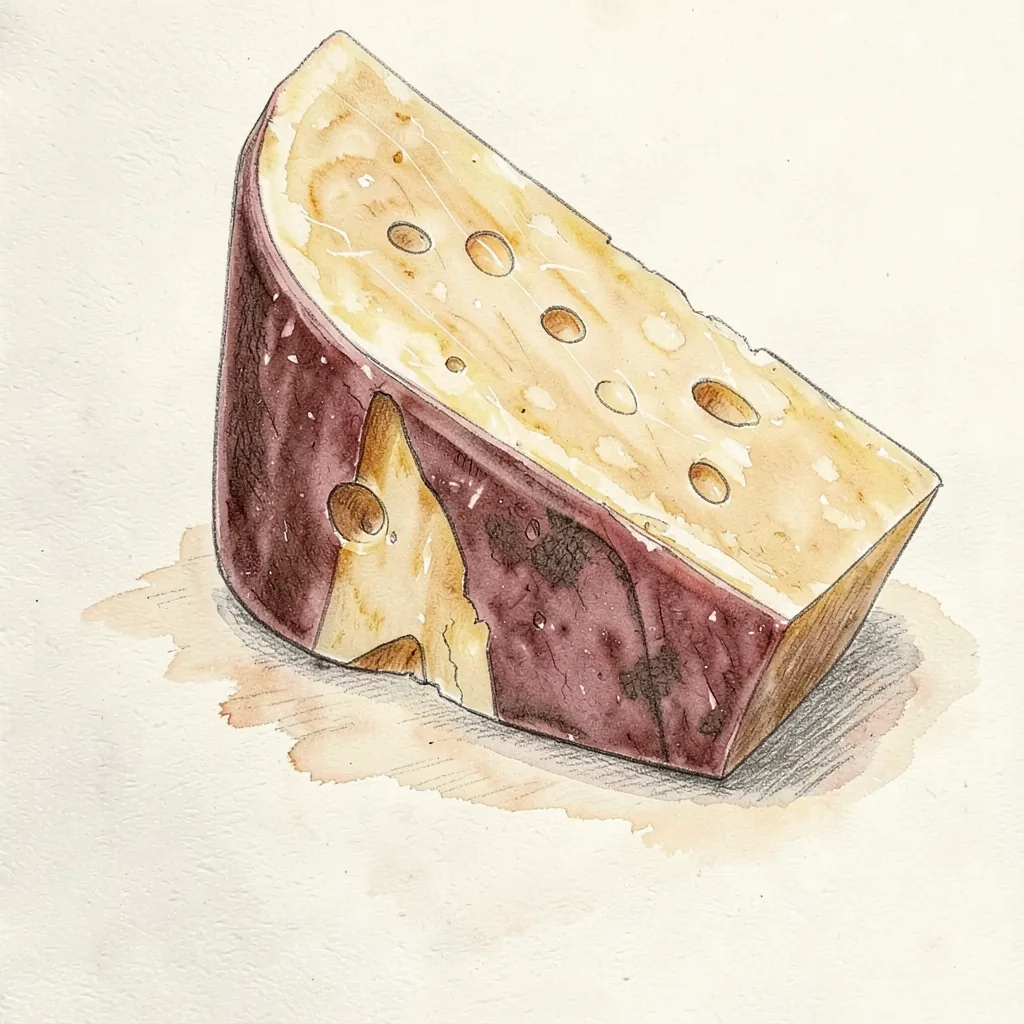
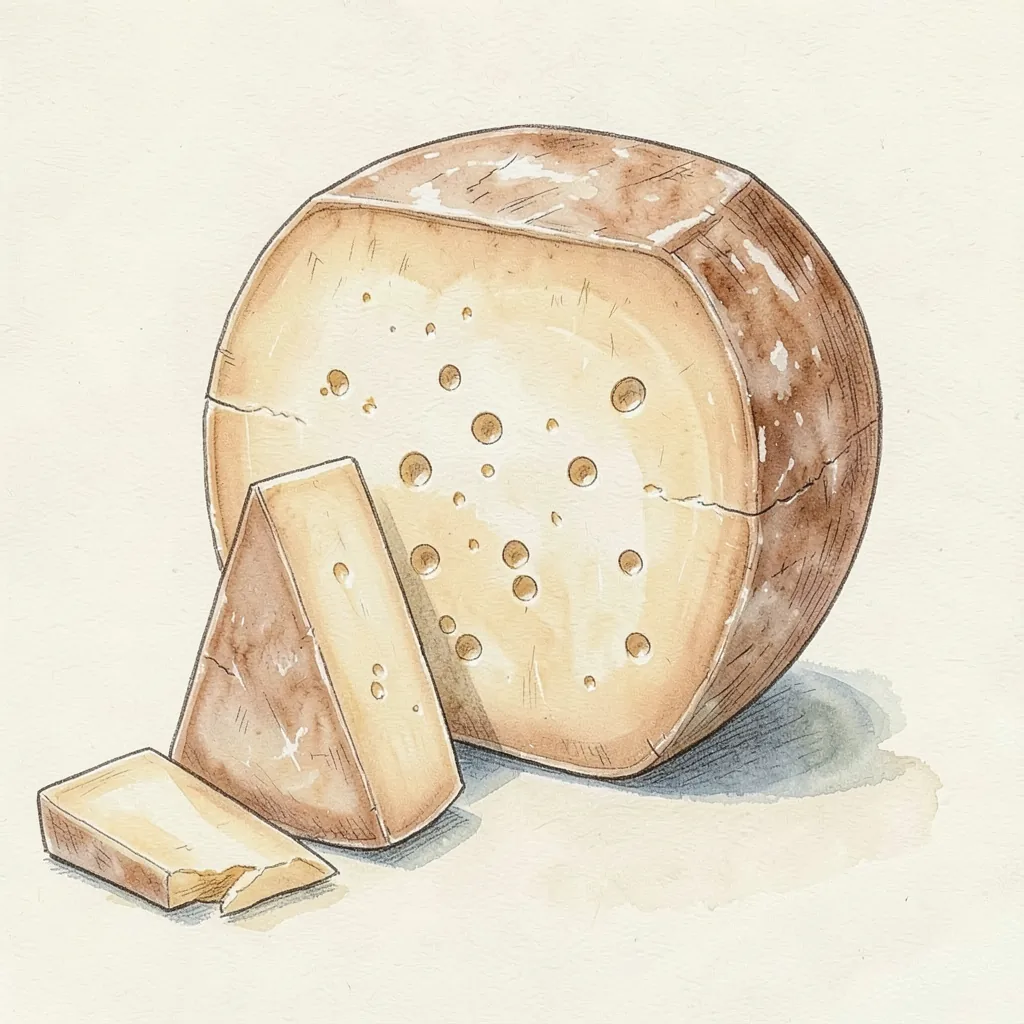
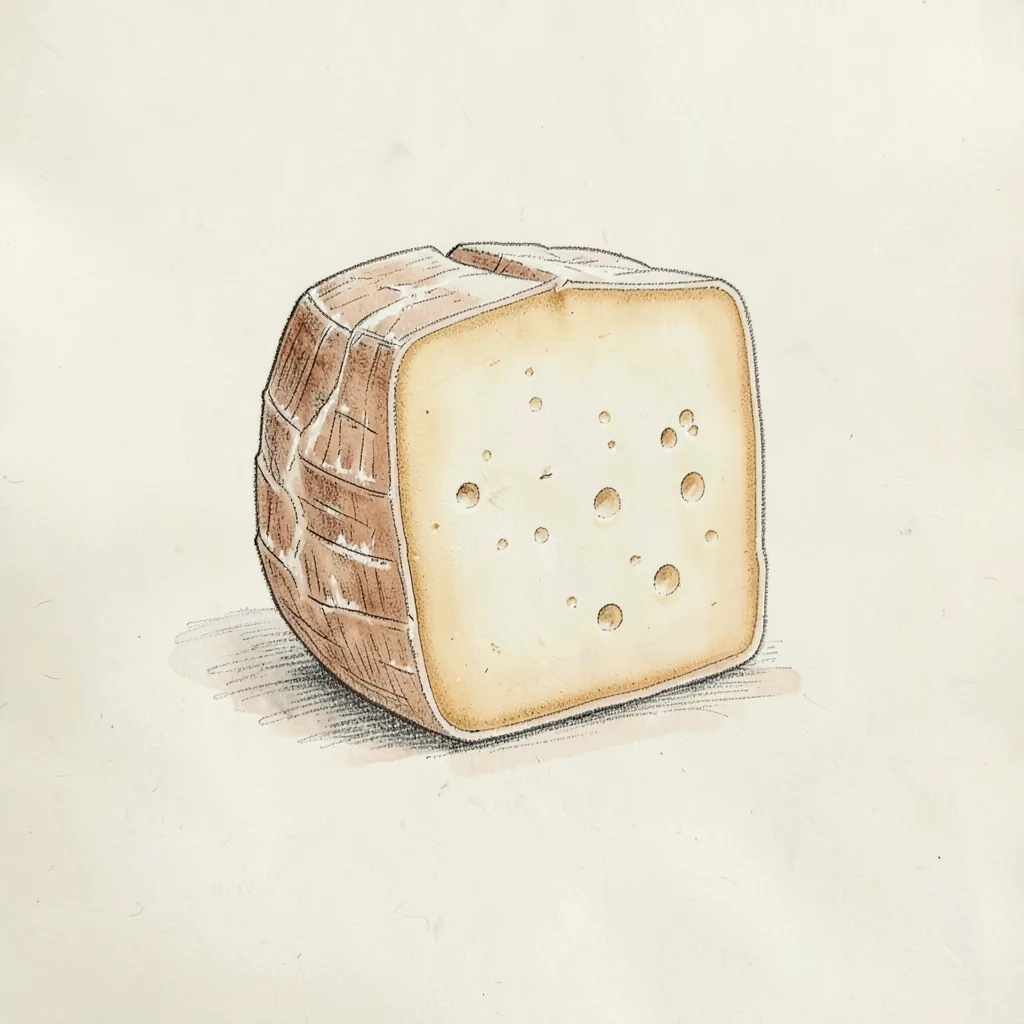
The paste is dense and pale gold, with small eyes or almost none. Young cheese bends and slices cleanly for the table. Older cheese snaps and grates into sandy flakes that carry a sweet, savory flavor. The rind is natural and can be thick on a long-aged wheel, so cooks usually trim it. Boerenkaas works as a table cheese and a cooking cheese, not as a fresh curd or a blue.
History
Farmers in the Netherlands needed a way to turn fresh milk into wheels that could be stored and sold. They made the cheese on the property where the cows were kept, which is what the name means. The washed-curd technique, shared with other Dutch rounds, kept the flavor sweet rather than sharply sour. Wheels moved through local trade long before they were a common export. The farm link is still what separates this cheese from a standard factory Gouda.
As creameries grew, a plain Gouda from a plant and a farmhouse wheel stopped being the same product. Boerenkaas kept the raw-milk, on-farm identity, while many other Dutch cheeses were pasteurized and made at a larger scale. Buyers began to use the farm name when they wanted a stronger, more individual wheel. Aging ranges from a supple young cheese to a very hard old one. The age word on the label matters more than any added flavor.
How it is made
Raw cow's milk is warmed, cultured, and set with rennet. The curd is cut small, and some whey is replaced with hot water, which washes sugar from the curd and leads to a sweeter, more elastic paste. The curd is stirred, drained, and pressed in round molds. Salt may go into the curd, or the wheel may sit in brine. The wheel then dries before aging begins.
Aging happens on boards or shelves, with the wheels turned often and the rind kept clean and dry. A natural rind forms and darkens as the cheese loses moisture. Young wheels stay flexible and mild, with a smooth cut. Older wheels turn a deeper gold, feel drier, and grow crunchy protein crystals. Spices, smoke, and blue veins are not part of the plain style.
Taste
Young boerenkaas tastes sweet, buttery, and lightly nutty, with a gentle salt and a cooked-milk note. The texture is springy and smooth, not chalky. As it ages, the sweetness deepens into butterscotch and toasted nut, and a savory note grows beside it. Crystals add a pleasant crunch, but they are not grains of salt. The rind is earthier and should be trimmed if it tastes bitter.
A very old wheel can taste almost caramelized, with a sharp finish that still stays clean. It should not smell of ammonia or of rancid fat. Raw-milk farm wheels vary more from maker to maker than a single factory brand does. One dairy may be fruitier, and another more savory. Taste a small piece before you buy a large wedge if the cheese is old.
In the kitchen
Young boerenkaas melts well in a grilled sandwich, a potato bake, or a cheese sauce. It behaves like a full-flavored Gouda and browns well under heat. Older cheese is better grated over vegetables, soup, or a salad, where the crystals and the nutty taste stay clear. It can also sit on a board with apples, pears, or a plain cracker. Use the age you bought for the job you have in mind.
Do not try to melt a very hard old wheel into a smooth sauce. It softens, but it can stay grainy and turn oily if the heat is high. Shave or grate it instead, and add it near the end of cooking. Pair sweet aged cheese with something bright, such as apple or a sharp pickle, so the caramel note does not feel heavy. Wrap the cut face and keep the wheel cold so it does not dry and crack.
Around the world
Boerenkaas travels well and appears in cheese shops outside the Netherlands, sometimes simply labeled as Dutch farmhouse cheese. Read the age term on the label before you buy, because a young wheel and an old wheel are different tools. A waxed mild Gouda is not a fair guess about the flavor. Ask whether the milk was raw if that matters to you, and keep the cheese cold on the way home. A thick rind on an aged wheel is normal, not a fault.
Gouda is the cheese most people will use as a substitute, and a mature Gouda comes closest to an aged farmhouse wheel. Roomano, a very long-aged Dutch cheese, can stand in when you want sweetness and crunch. Beemster is another Dutch option with a similar sweet, nutty line. Young Edam is milder and drier, so it will not copy a rich boerenkaas. Tell the shop whether you plan to melt the cheese or grate it.