Cow
What it is
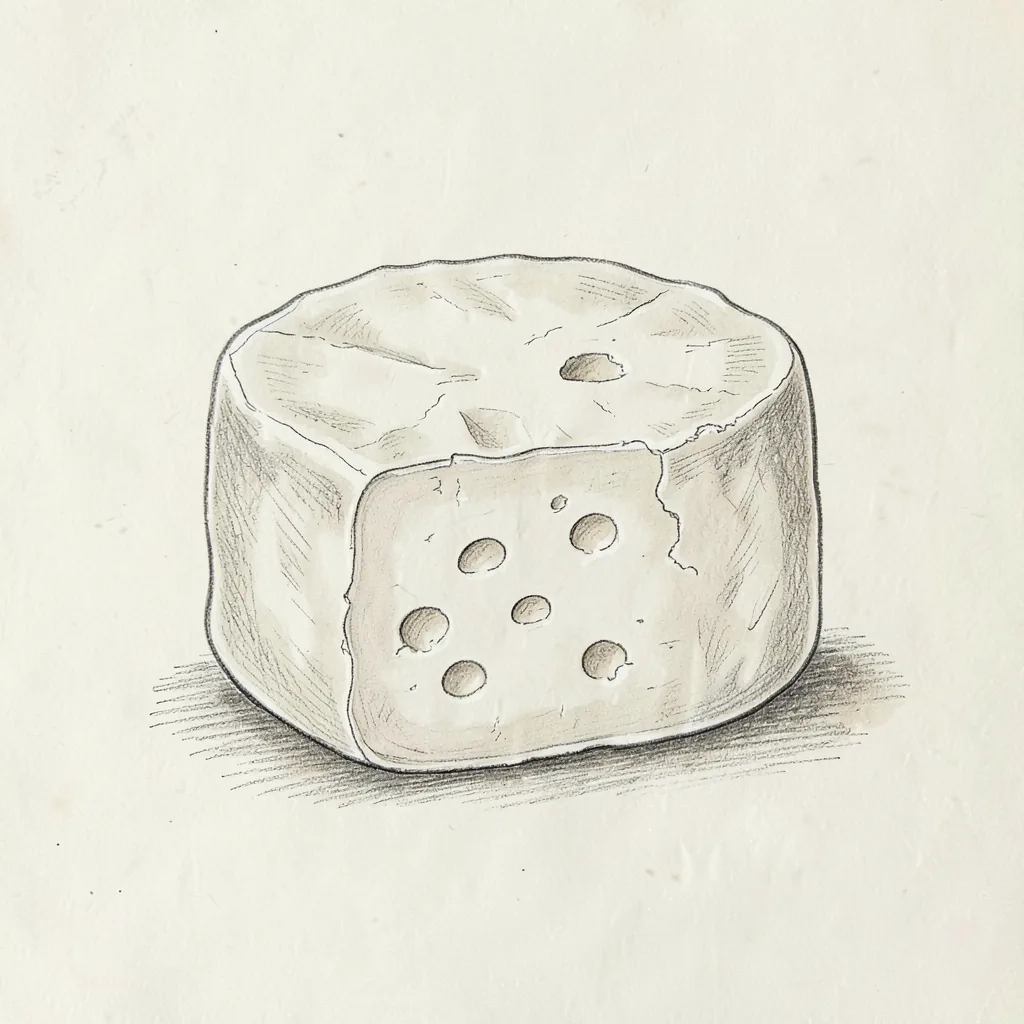
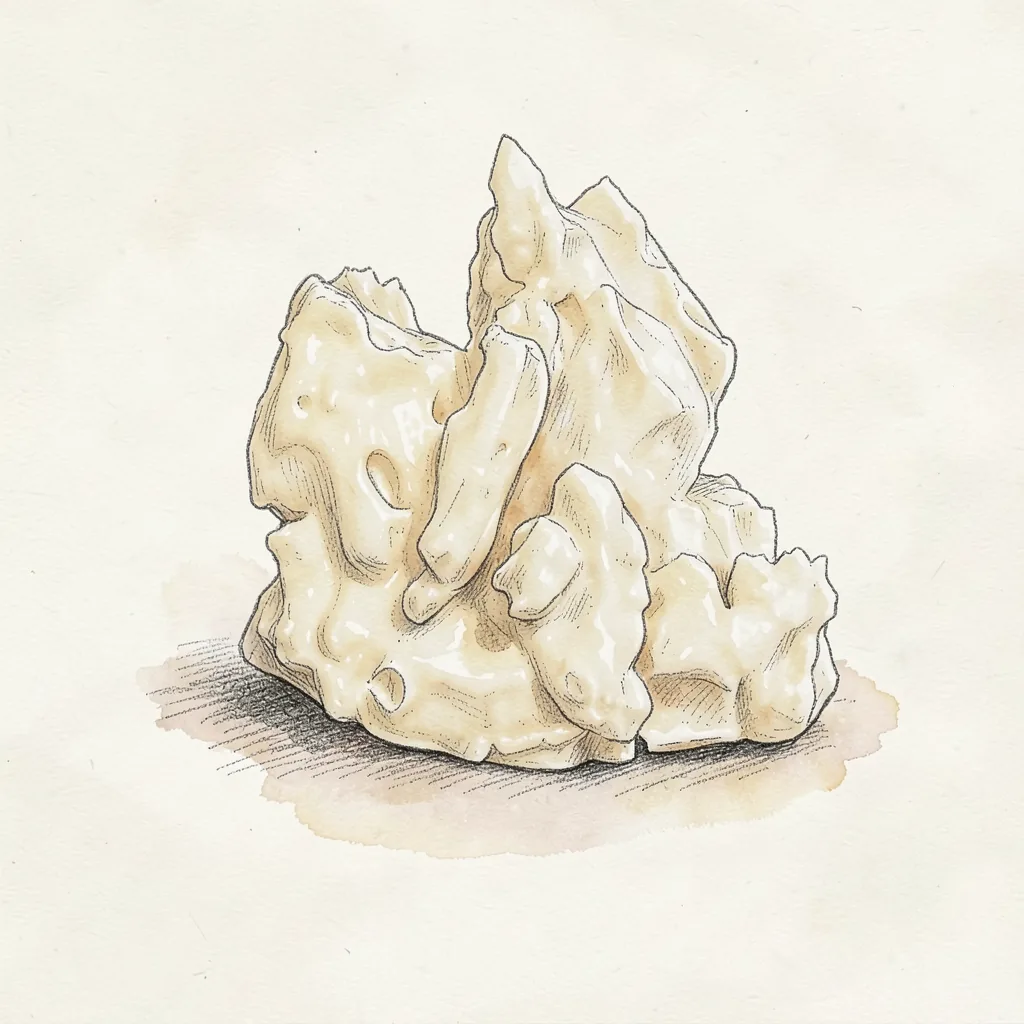
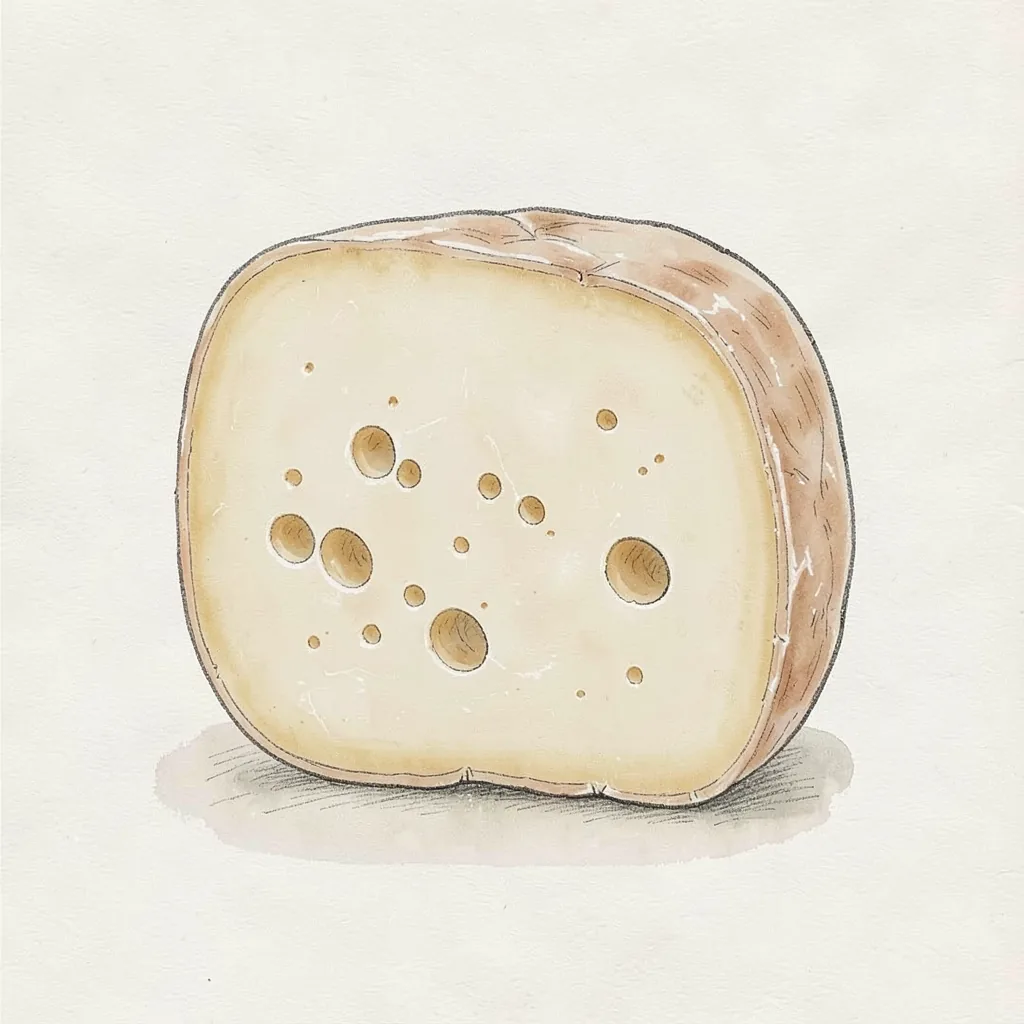
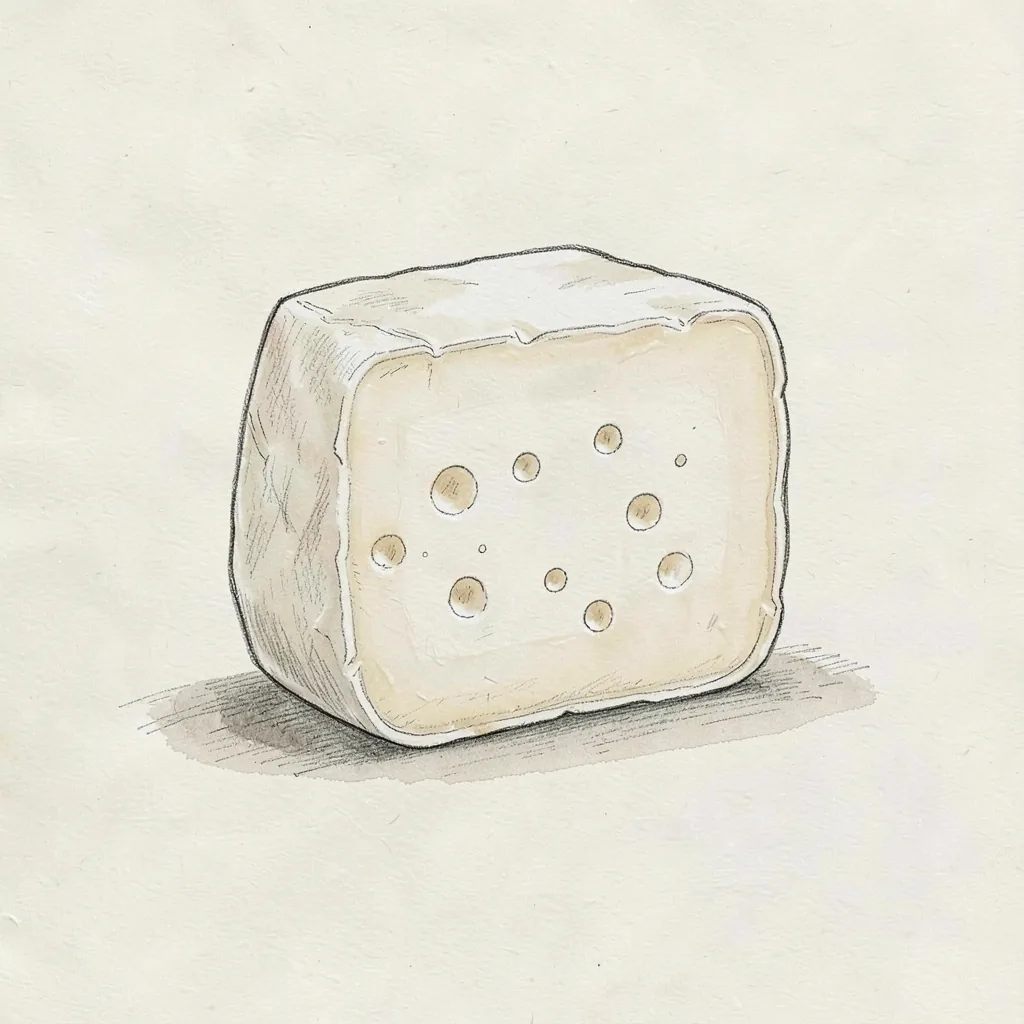
The name means cow cheese, and the same words are used for a similar fresh curd in Romania. It is soft, white, and crumbly, closer to quark or cottage cheese than to a wheel with a rind. Makers drain soured milk after gentle heat separates the curd from the whey. The result is mild, slightly tangy, and ready to eat without a long rest.
Shops sell it in tubs or loose mounds, not as a hard round. The paste can be fluffy and moist or a little drier and more crumbly, depending on how much whey was pressed out. It is usually lightly salted or not salted at all, so it takes on the flavor of the dish around it. In Moldova it goes into pies, dumplings, and sweet plates with sour cream. It is an everyday dairy food, not a rare aged specialty.
History
Fresh cow curd has a long place in Moldovan home cooking, where milk was soured, warmed, and drained in cloth. The cheese did not need a cave, a brine tank, or a named cellar style. Families used it soon after it was made, both in savory dough and in sweet dishes. The Romanian name stayed in daily speech because Romanian is widely spoken in Moldova. The food itself is local, and the same curd style is also common across the border.
Brânză is a broad word for cheese, and de vaci only tells you the milk. Other cheeses share the first word and confuse shoppers. Brânză de burduf is a kneaded cheese kept in a bark tube or a skin, and it is not this fresh curd. Telemea is a brined white cheese, closer to feta, and those are different foods with different jobs in the kitchen. The fresh cow cheese stays soft and is meant to be eaten while it is still moist.
How it is made
Whole cow's milk is left to sour until it thickens. A layer of cream may rise and be taken off, or it may be stirred back into the curd. The soured milk is warmed gently until the whey pulls away from soft white pieces. It is not a high-heat cook, and it does not rely on a long brine. The mass is then ladled into cloth so the liquid can drain.
When the cloth has done its work, the cheese holds a soft ball or a loose crumble. Salt is optional, and many traditional batches stay almost unsalted. Dairies now also make it from pasteurized milk with cultures, and the tub looks much like cottage cheese. Either way there is no rind, no blue mold, and no pressing into a wheel that will age. The cheese is perishable, so keep it cold and use it while the smell is still clean and milky.
Taste
The taste is mild, fresh, and a little sour, like a soft curd cheese with no sharp finish. Fat from the milk makes some batches feel richer and more creamy on the tongue. A leaner drain tastes cleaner and more tangy. There is no smoke, no herb crust, and no bitter rind. If it smells yeasty or harsh, it is past its best.
On its own it can seem plain, which is why cooks mix it with salt, dill, sugar, or sour cream. A spoonful with fruit or honey shows the milky side. In a hot pie the curds soften and taste a little sweeter. It does not develop the savory crystals of an aged cheese. Think of it as a fresh ingredient, and season it in the dish rather than expecting a strong cheese flavor from the tub.
In the kitchen
In Moldova the cheese fills plăcintă, a pie that can be savory or sweet, and it fills dumplings that are boiled or fried. Syrniki, small fried curd cakes, use the same soft cheese. Stir it with egg and herbs for a simple spread, or fold it into a batter for a baked dish. It can sit on a plate with tomatoes and sour cream. Heat softens it, but it will not stretch like a pasta-filata cheese.
Drain a very wet tub in a sieve if a dough would otherwise go slack. A drier curd holds its shape in a filling. Do not grate it, because there is nothing firm to grate. If you need a salty table cheese, choose something else and keep this one for cooking or a mild spread. Leftovers should stay covered, since the fresh smell picks up odors from the fridge, and the cheese should be used soon after opening.
Around the world
Outside Moldova and Romania, look for Brânză de vaci in Eastern European groceries, often in the dairy case beside sour cream. The label may drop the accents and read branza de vaci. A tub of quark, tvorog, or cottage cheese is what many shops offer instead. Those are close in the kitchen if the texture is soft and the taste is mild. A hard Romanian cheese, or a brined white cheese, will not do the same job in a pie.
Cottage cheese is the easiest substitute in many countries, though the curds are often larger and wetter. Quark is smoother and closer to a well-drained batch. Tvorog, the fresh curd of Slavic cooking, behaves in a very similar way in dumplings and cakes. Ricotta can fill a sweet pie, but it is a whey cheese and tastes milder and sweeter. None of these copies is aged, and none should be swapped for a salty grating cheese.