Sheep
What it is
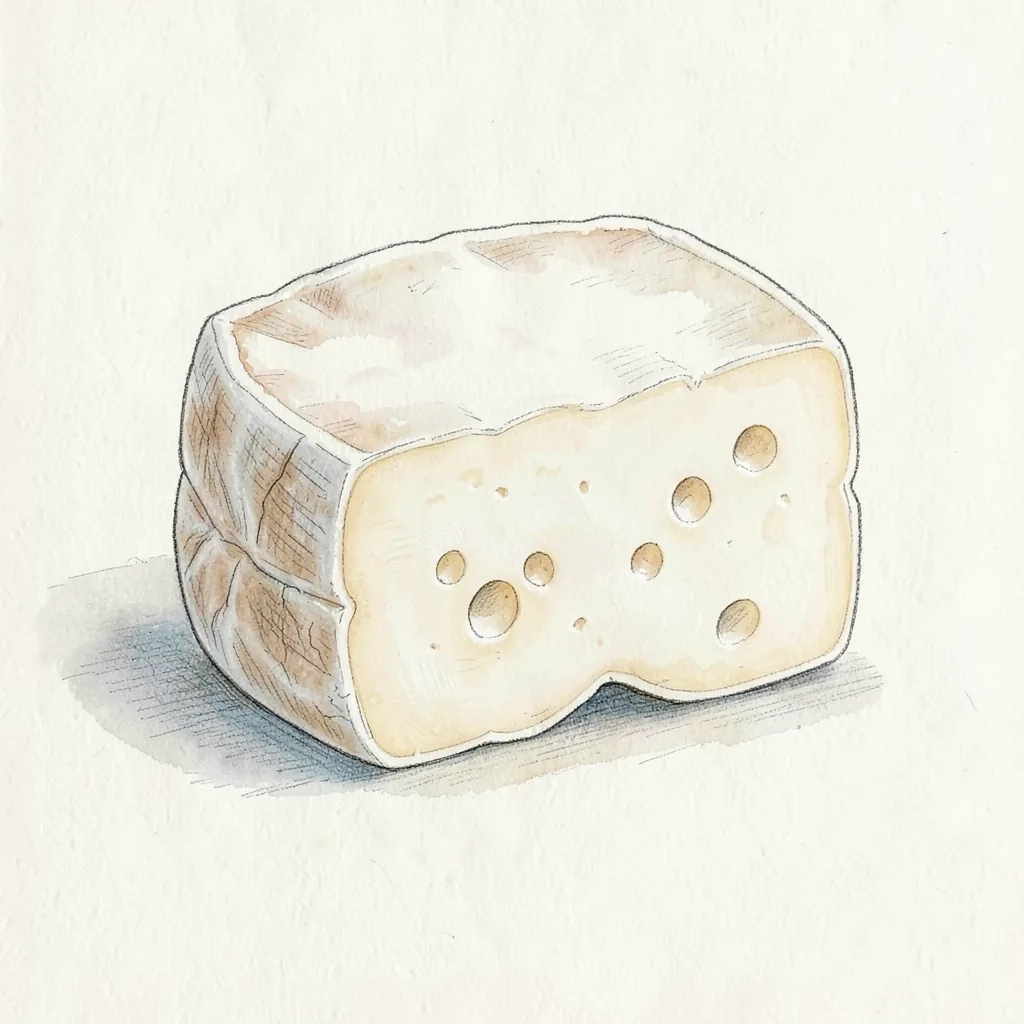
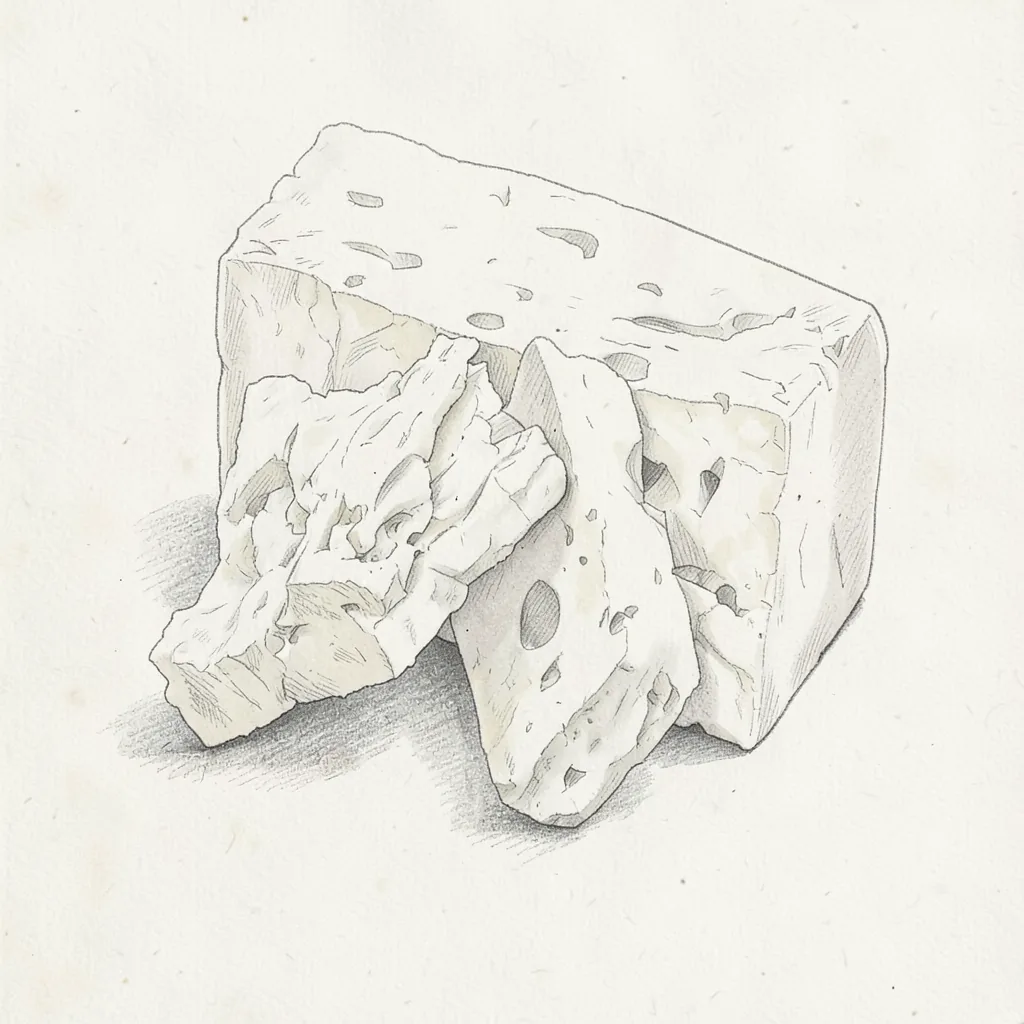
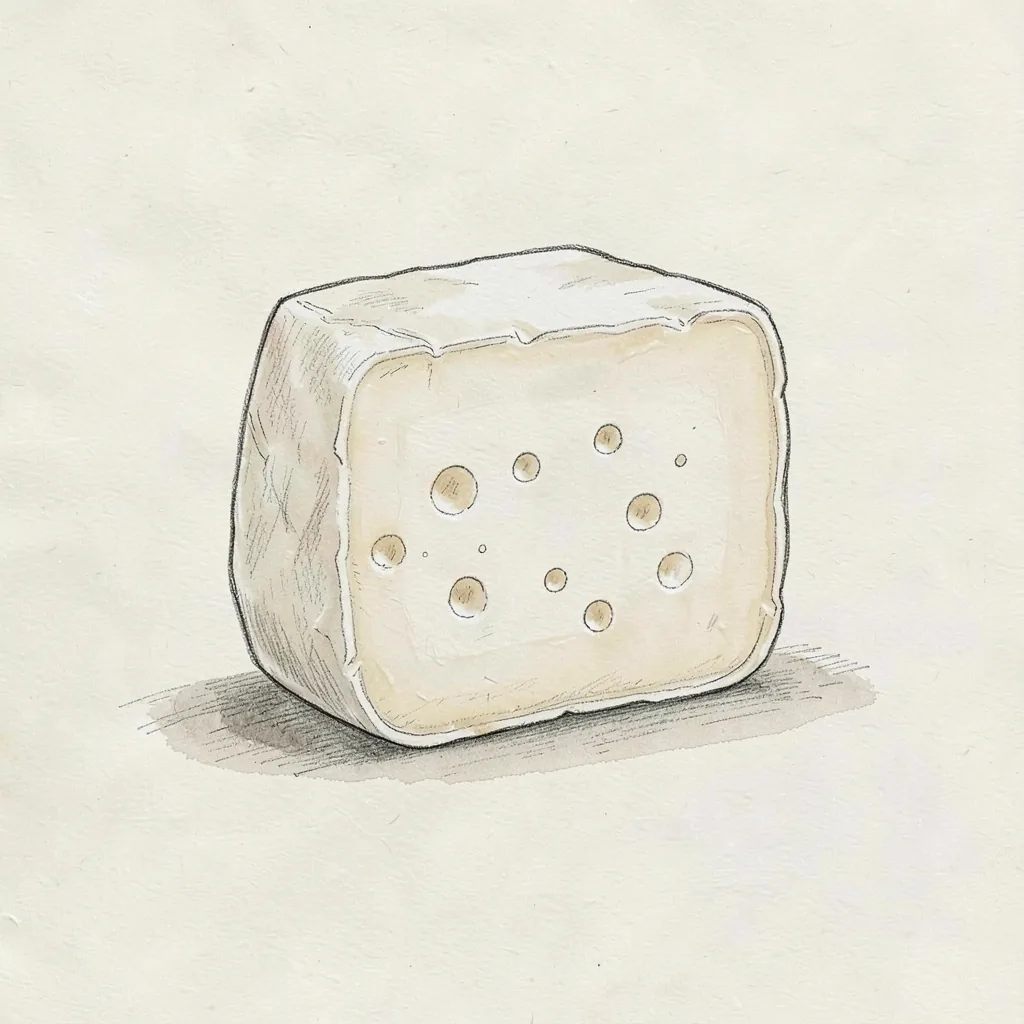
The name refers to the burduf, the skin or bark container the cheese was traditionally packed into. Makers start with a matured fresh sheep's cheese, salt it, and knead it until it becomes a soft, strong paste. The flavor is bold, and the texture is slightly soft, sometimes creamy and sometimes a little crumbly. It is a country cheese for bread and hearty food, not a mild slicing cheese.
You may also see it called brânză frământată, which means kneaded cheese, and that second name describes the method. Sheep's milk gives it a savory, tangy base, and the container can add its own note, especially when fir bark is used. Shop versions are not all packed in skin anymore, but the salty kneaded style is the point. Use a small amount until you know how sharp the piece is. A little seasons a large plate of plain food.
History
Brânză de burduf belongs to the mountain food of Romania, where sheep's milk was turned into cheese that could be kept. Fresh caș was not the end of the work. After it matured and turned lightly sour, people cut it, salted it, and worked it by hand. Packing the paste into a cleaned sheep's stomach or skin, or into a tube of fir bark, kept it safe and shaped the flavor. The method is old and practical, and it let shepherds store cheese without a cold room.
People in different parts of Romania still know the cheese, and markets may show softer or fattier cousins under local labels. The bark packed cheese is especially prized for a faint pine note. The skin packed cheese is prized for a creamy, strong paste. Modern makers sometimes use other wraps, including ordinary retail packaging, when the old containers are hard to prepare. The kneading and the salt remain, and the cheese is still a Romanian sheep's milk specialty rather than one factory brand.
How it is made
Sheep's milk is set into caș, a fresh cheese, and that cheese is left until it matures and tastes lightly sour. The matured curd is cut into small pieces, salted, and kneaded by hand in a wide bowl or tub. Kneading breaks the curd into a cohesive paste. This stage is about salt and work, not about forming a pressed wheel. The paste should hold together and still look a little uneven where the pieces were crushed.
The paste is then packed into a traditional container, such as a cleaned sheep's stomach or skin, or a cylinder of fir bark that lends a resinous, slightly bitter pine note. In the container the cheese evens out, and the flavor grows stronger and saltier. Cheese in skin can be kept for a long time, and bark aged cheese is often the one people seek for the pine aroma. The finished paste spreads or crumbles rather than slicing like a hard wheel.
Taste
Brânză de burduf tastes salty, sharp, and distinctly of sheep's milk, with a tang that can feel spicy even when no chili is present. The paste is slightly soft and can be creamy if it has spent a long time in skin. Bark aged cheese adds a woody, pine-like bitterness that should stay faint, not harsh. The color is a pale yellowish white. A good piece smells savory and clean, not rotten, and one small taste is the right way to judge the salt.
The flavor is stronger than a fresh sheep's cheese and more rustic than a mild brined white cheese. Salt is high, so one bite tells you how to use the rest. Texture sits between spreadable and crumbly, and it may look a little grainy where the curd was kneaded. It does not taste of blue mold, smoke, or a bloomy rind. If the pine note is present, it belongs to the bark, not to a flavoring stirred in later, so taste a crumb before you salt any dish.
In the kitchen
Spread brânză de burduf on warm bread, or crumble it over polenta, boiled potatoes, or a simple tomato salad. Romanian tables often pair this kind of strong cheese with mămăligă and onions. A small amount wakes up eggs or a vegetable stew. Do not add it by the handful, because the salt and the sheep tang carry a long way. Let it come to room temperature if you want the paste to spread more easily.
It is not a grill cheese, and it will not stretch. You can stir a little into hot food at the end, off the boil, so it softens into the dish. It can sit on a rustic board next to pickles, radishes, and bread, in modest spoonfuls. Wrap it well and keep it cold, because the smell is strong and will scent other foods if the wrap is loose. If a recipe calls for a mild cheese, this is the wrong swap.
Around the world
Outside Romania, brânză de burduf shows up mainly in Romanian groceries and in a few specialty shops. Packaged versions may not come in bark or skin, so the pine note can be missing even when the name is right. Read the label for sheep's milk and for words that mean kneaded or burduf. A mild white cheese in the same shop is probably a different Romanian cheese. Ask if the piece is the strong kneaded one before you plan a mild salad around it.
Bryndza is the closest widely discussed stand-in, because it is also a salty, tangy sheep's milk cheese that crumbles. Feta can help in a salad if you accept a wetter, brined texture and use less salt elsewhere. Neither one copies the bark note. Telemea is another Romanian cheese people confuse with it, but telemea is brined and is not the kneaded burduf paste. If the dish needs the pine and sheep character, wait for the Romanian cheese rather than forcing a mild substitute.