Goat
What it is
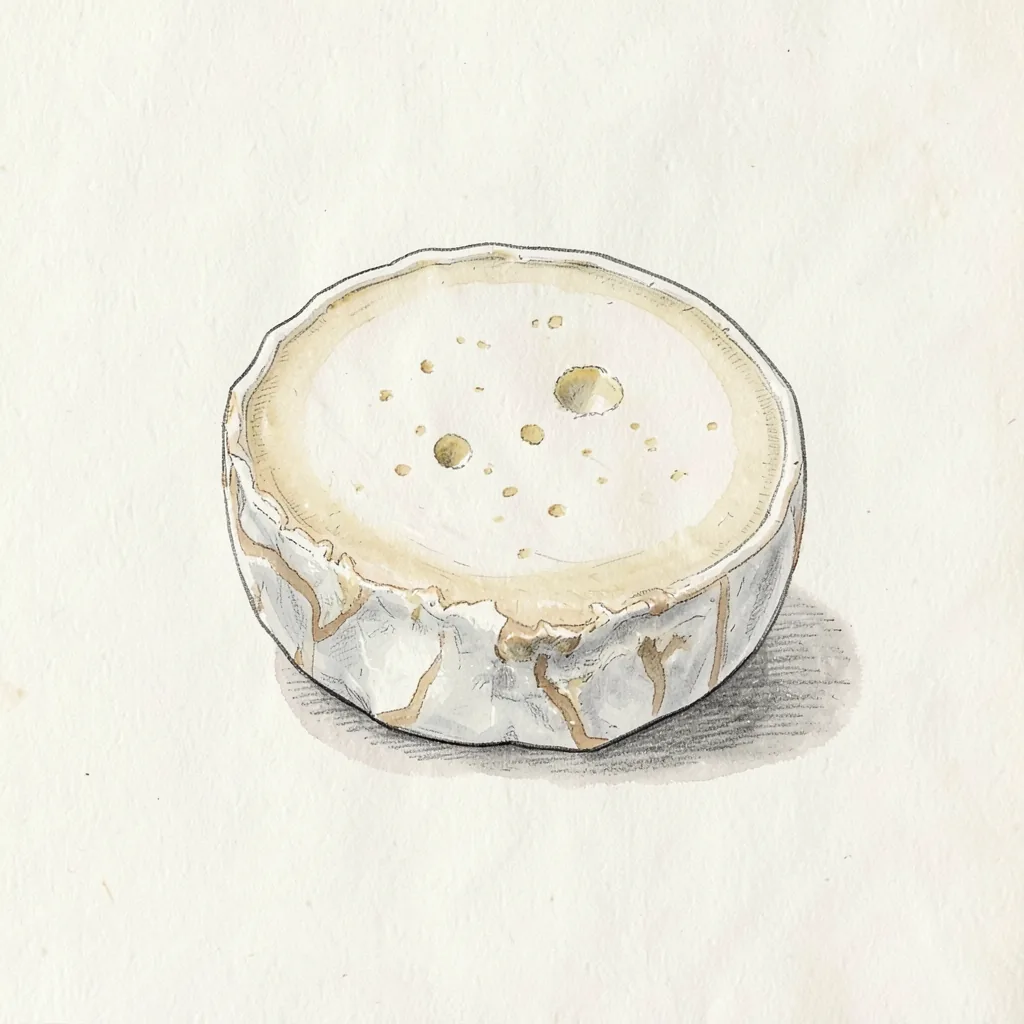
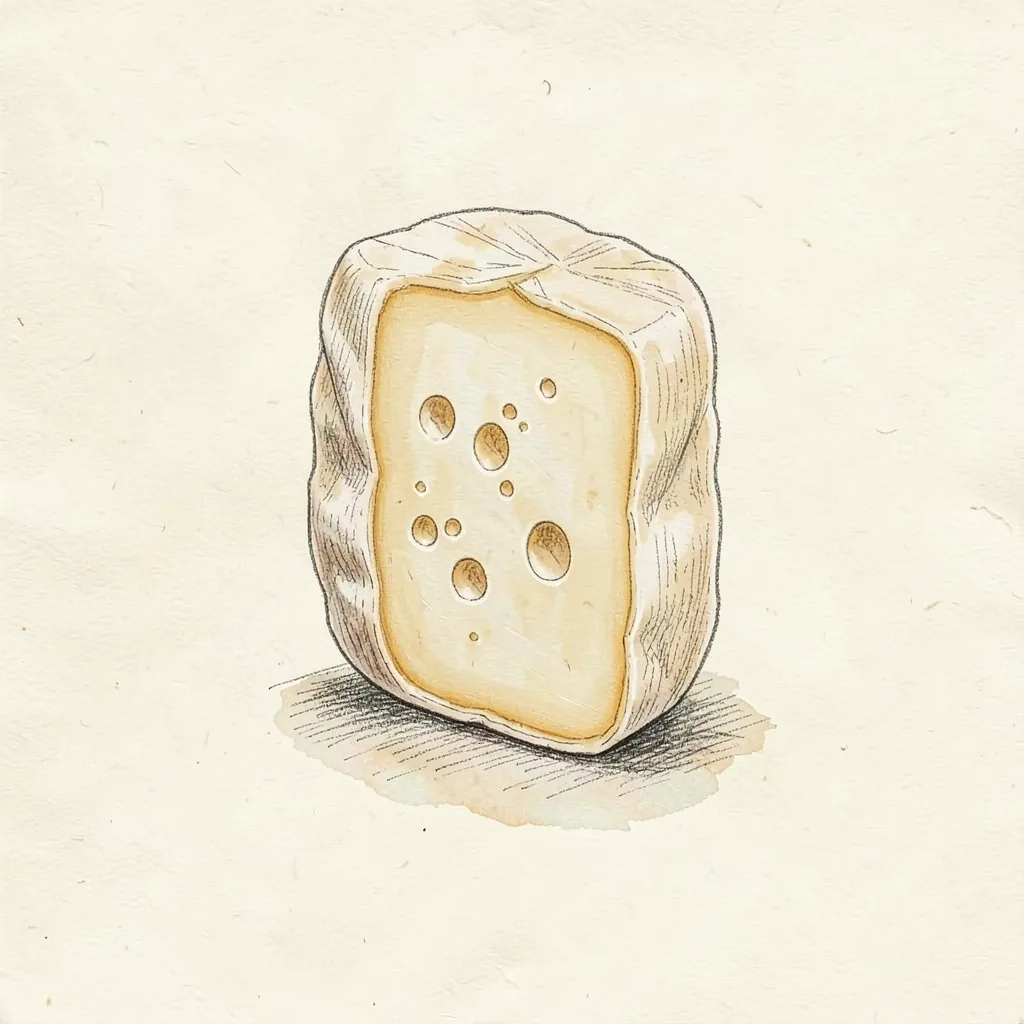
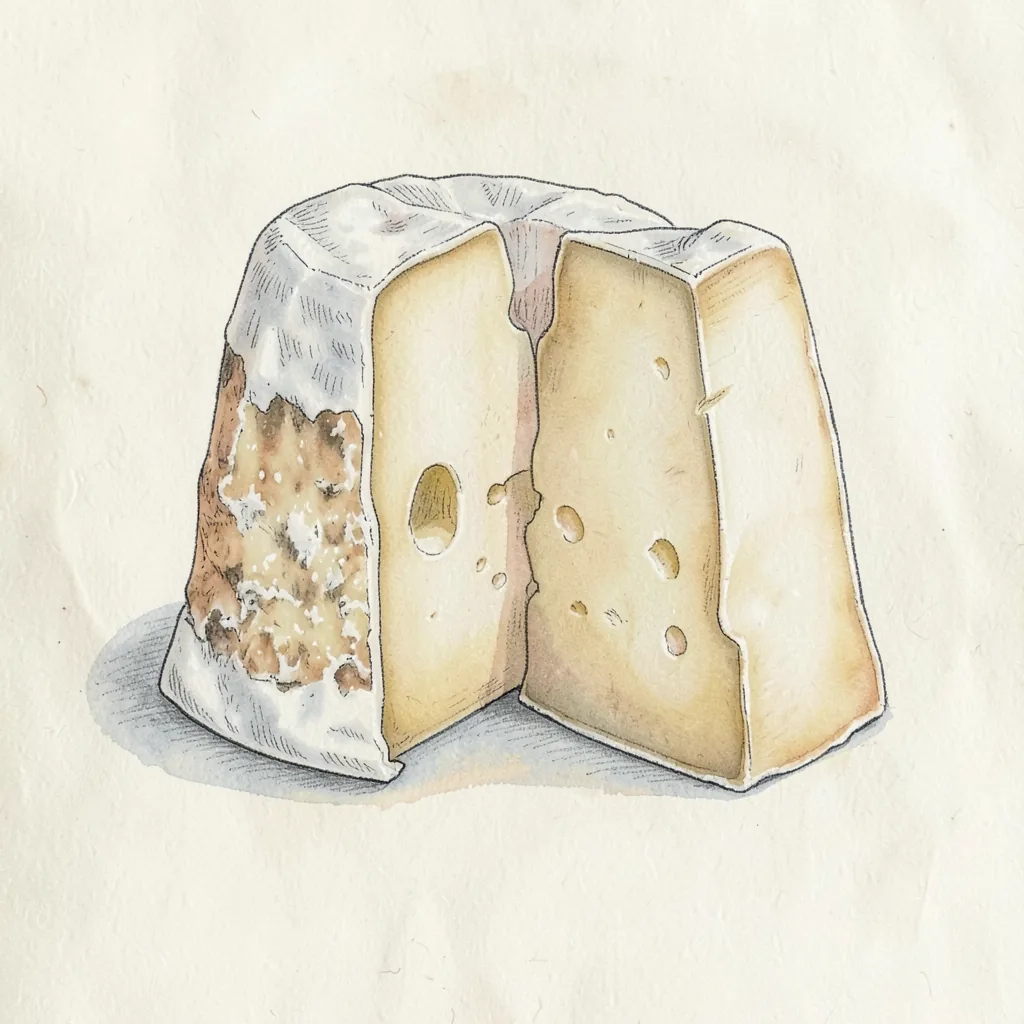
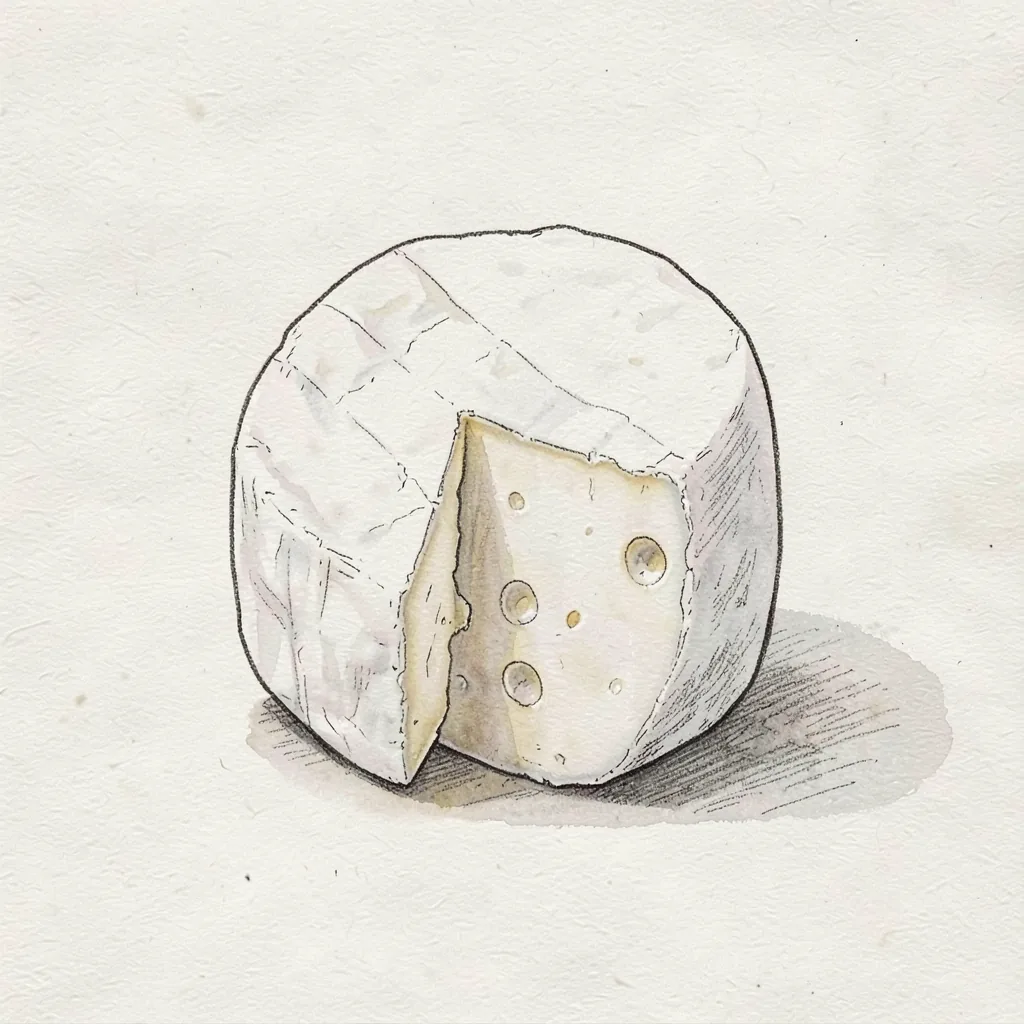
It is shaped as a small log, and a straw or stalk often runs through the middle. The rind is thin, wrinkled, and pale, with a light surface mold. Inside, the paste is white and can turn creamy as it ripens. The goat's milk flavor is clear but not usually harsh.
A young log is moist, tangy, and a little lemony. A riper log smells more of the cellar and tastes fuller. The cheese is meant for the board, for salads, and for spreading. It is not a hard grating cheese and it does not aim for a strong washed-rind smell. Similar logs exist, but the Touraine name points to this regional style.
History
Goat cheeses in log form have long been made in the Loire countryside. Sainte-Maure de Touraine grew as the named version from that area. The straw through the center became a practical mark of the log and helped the soft cheese keep its shape. Local markets sold it fresh and also slightly ripened. The style stayed tied to goat's milk rather than shifting to a mixed-milk recipe.
Over time, the name came to mean a particular log, not every soft goat cheese in France. Dairies inside the region kept the format, while similar cheeses elsewhere used other names. The straw also made the log easy to recognize on a market stall. Ripening remained a choice, from a fresh tang to a softer, deeper paste. The cheese is still sold as a regional French goat cheese rather than as a factory block.
How it is made
Makers coagulate goat's milk slowly, often with a light rennet, to form a tender lactic curd. They ladle the curd into long molds and let the whey drain without heavy pressing. Salt is added on the surface. A cereal straw or a similar stalk is set through the length of the log. That stalk supports the soft cheese and became part of the traditional look.
The logs then dry and ripen in a cool, airy room. A light mold blooms on the rind and wrinkles as the cheese loses moisture. Some are sold quite fresh, with a bright tang. Others stay longer until the paste softens toward the straw. The maker stops the aging before the log collapses or the smell turns sharp and ammoniated.
Taste
The first taste is tangy, clean, and plainly of goat's milk. A citrus note is common, along with a light mineral salt. Near the rind, mushroom and dry hay notes grow as the surface mold develops. The center stays milder, moister, and more lactic than the edge. A good log balances those parts instead of tasting only sour or harsh.
Texture is as important as flavor. A young paste is moist and spreadable, with a slight grain. A riper paste turns smoother and richer under the wrinkled rind. If the log smells strongly of ammonia, it is past its best. The straw is not eaten as a feature of the taste, and you set it aside when you cut the cheese.
In the kitchen
Put rounds or slices of Sainte-Maure de Touraine on a green salad with a simple dressing. The log also belongs on a cheese board with bread, honey, or a ripe pear. Soft pieces spread on toast or soften over warm vegetables. A brief bake can brown the top, but long heat mutes the fresh goat flavor. Use a light hand with salt, because the cheese is already seasoned.
A white wine with some acidity fits better than a heavy red. Walnuts and beets are common plate mates in French cooking. Do not treat the cheese like a mozzarella for melting in a deep pie, because it will dry and separate. Crumble a firmer log over roasted vegetables at the end of cooking. Keep the remainder wrapped so the rind does not dry and the aroma stays contained.
Around the world
Sainte-Maure de Touraine is a reference goat log in France, and cheese counters abroad often stock it or a close copy. The full name matters, because a plain log of goat cheese may not have the same rind or straw. Shoppers in other countries usually find it in the soft-cheese case. It travels well enough for export when it is still young and cool. A ripe log is more fragile and is better bought close to the day you eat it.
Cooks who cannot find it can use another soft French goat cheese, with a change in shape and intensity. Bucheron is larger and often milder in the center. Crottin is smaller and can be firmer. None of those carries the same straw through a Touraine log. The cheese still stands as a clear goat's milk style that people know beyond its home region.