Goat
What it is
The wheels turn hard, pale ivory, and a little granular, which sets the brand apart from fresh goat cheese. A natural rind covers the outside. The flavor leans sweet and nutty, with a light caramel note and a tangy finish. It is a cheese for grating and for a board, not a soft spread, and the name refers to this brand rather than to every firm goat cheese in the country.
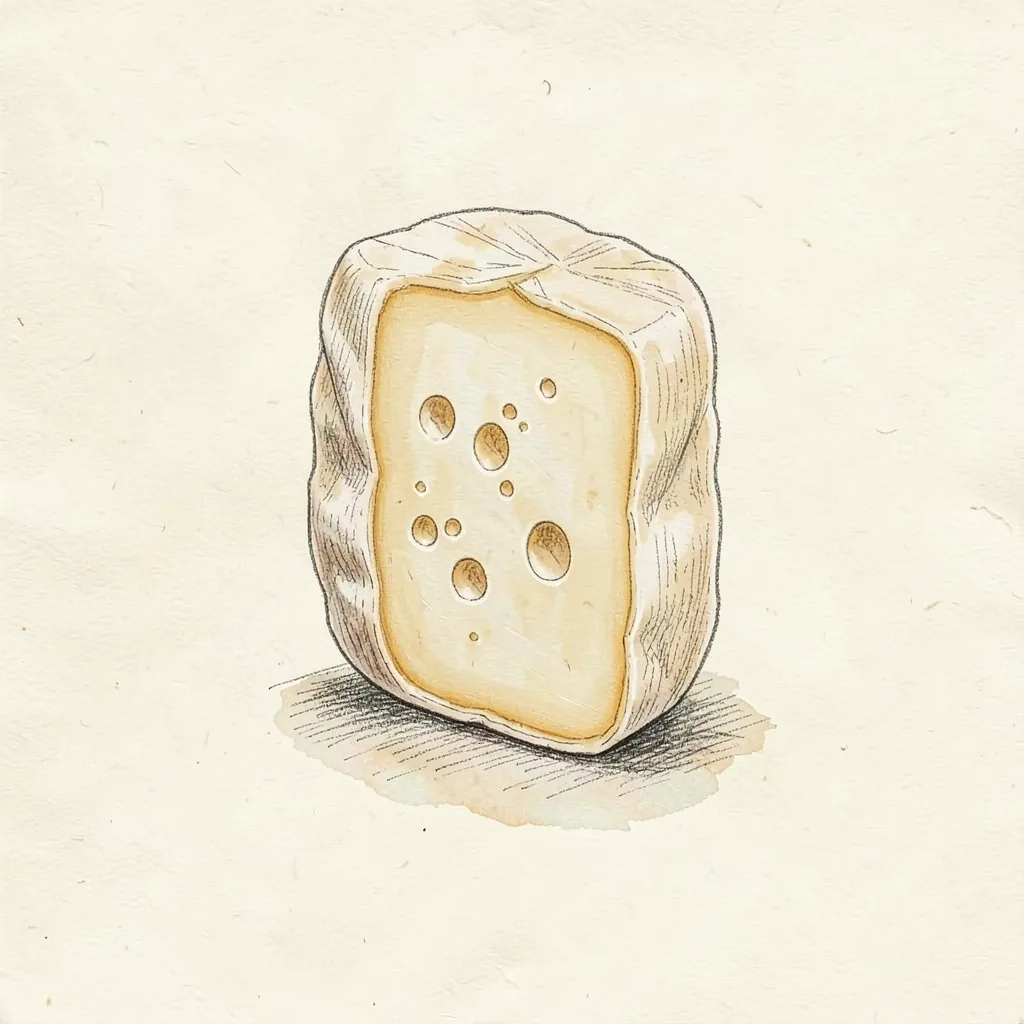
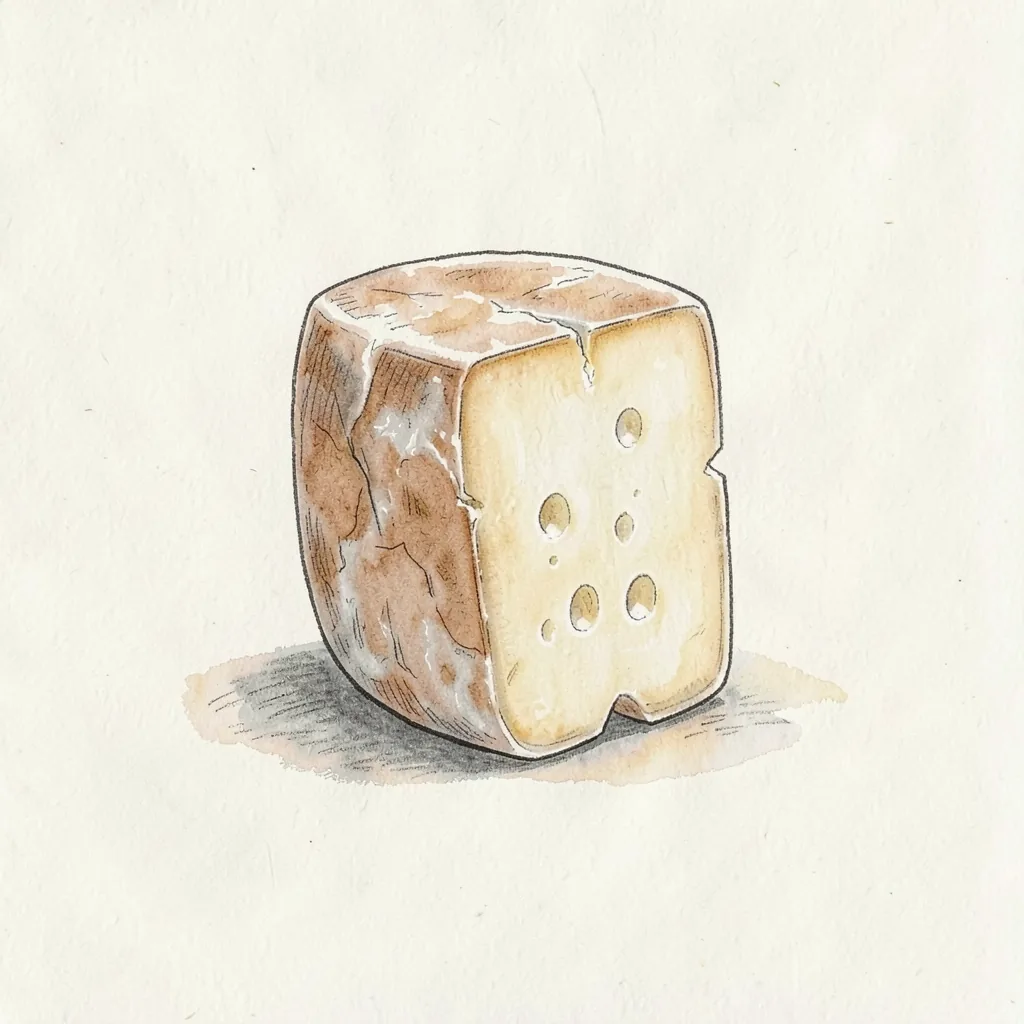
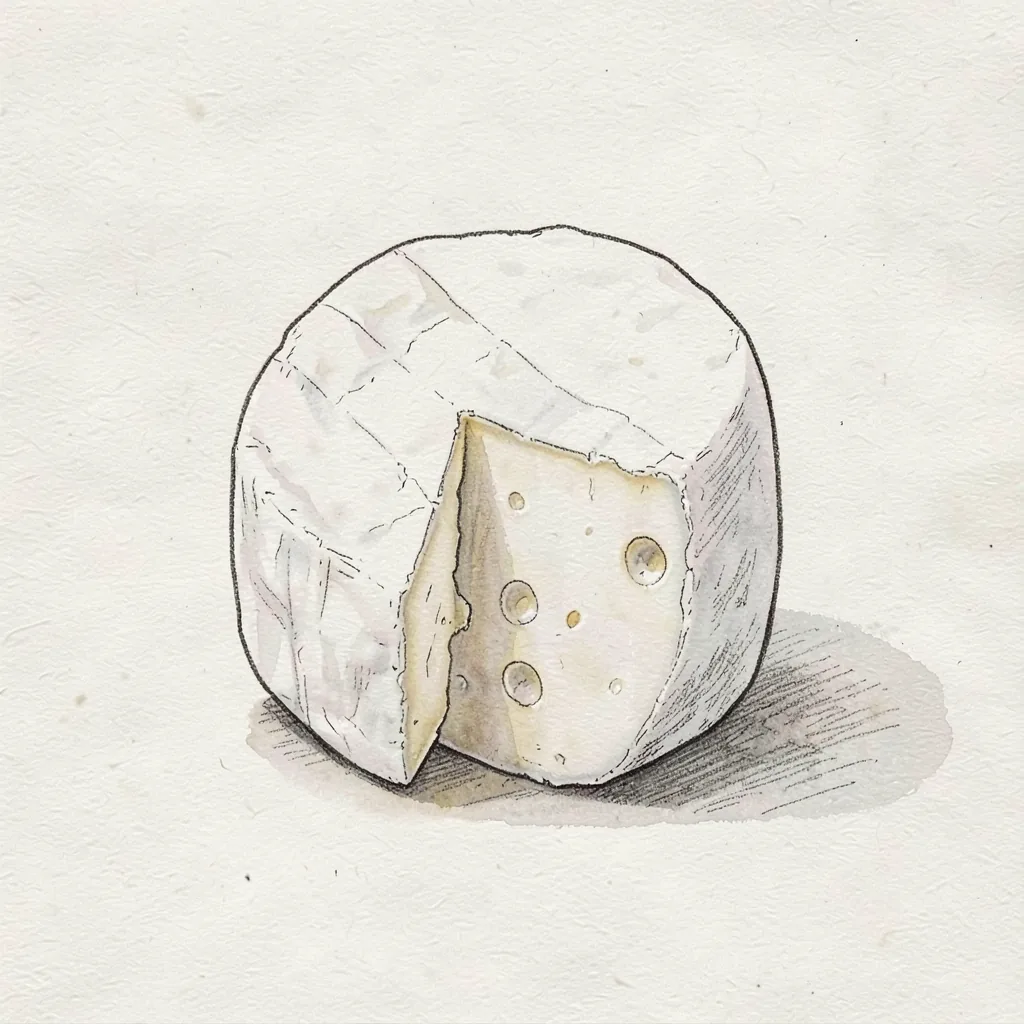
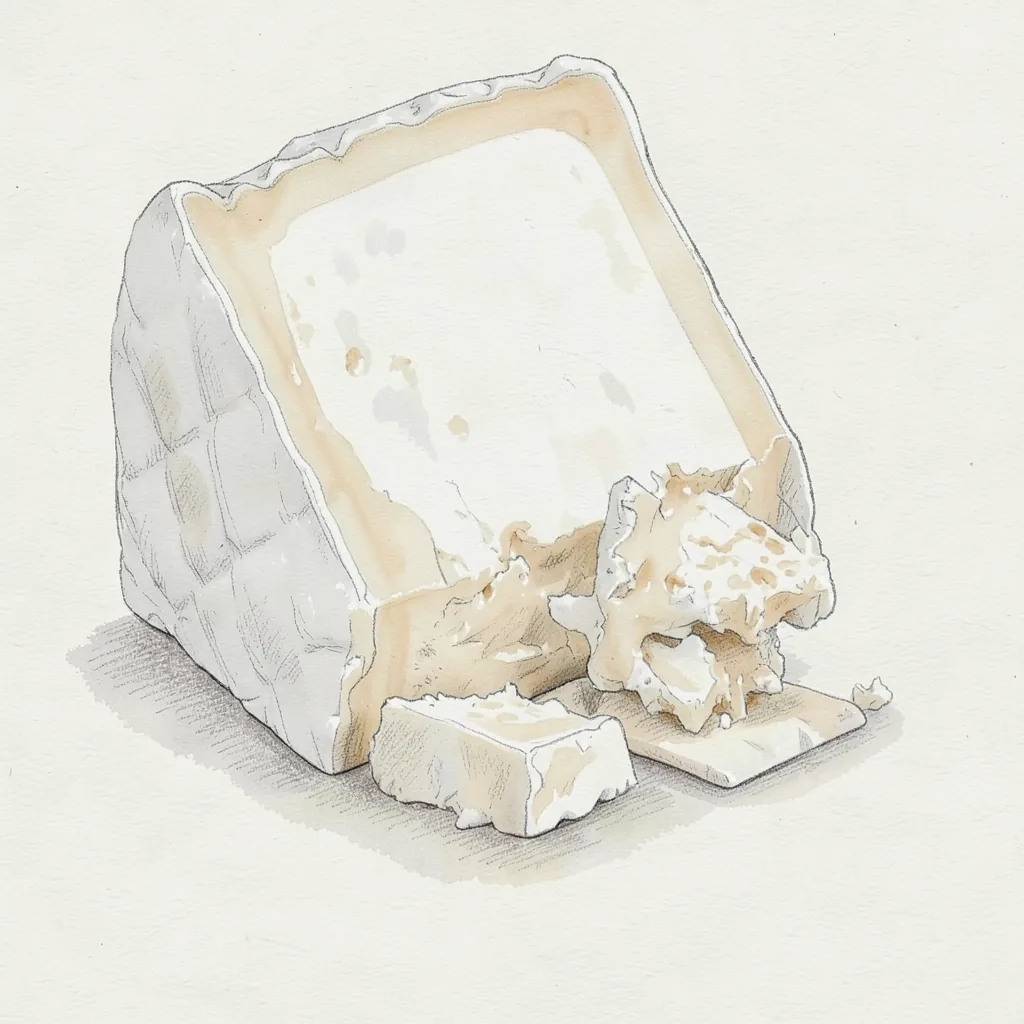
Cut a wedge and the interior looks dry and close, not creamy or runny. The rind is thin and slightly waxy, and it can carry a light dusting of white mold without becoming a soft bloomy cheese. Pieces break rather than bend. The smell is mild and nutty when the cheese is in good condition, then a little sharper at the finish. Buyers who expect a chalky fresh log will find a different cheese under this name.
History
Capricious belongs to the modern American cheese counter, where makers began to age goat's milk instead of selling it only fresh. The name marks one brand, not a broad national style and not a cheese from every state. Goat's milk in the United States had long gone into fresh logs and crumbles. An aged wheel asked eaters to treat that milk like a grating cheese. The brand stayed tied to a hard, nutty wheel with a natural rind.
Shoppers sometimes file every American goat cheese under one heading. Capricious does not fit the fresh group. Its public identity is an aged, hard wheel with a natural rind and a sweet finish. The brand did not become a plain supermarket block, and it still shows up mainly at cheese shops and specialty counters. A label that uses the name should be this goat's milk cheese, not a flavored fresh spread, and a soft bright white paste means a different product.
How it is made
The brand is made from goat's milk. Makers set the milk, cut the curd, and drain away whey so the grains can knit into a dense wheel. The curd is gathered and pressed, which gives the cheese a firm body and a slightly rugged surface. Salt seasons the paste. Nothing in the method is meant to leave a soft, spoonable center, and the wheel is built to become hard rather than creamy.
Aging is what makes Capricious hard. Wheels rest long enough for moisture to drop and for sweet, nutty flavors to come forward. The rind stays natural, and the cheeses are turned so the surface dries evenly. A light bloom may appear, but the cheese is not kept in the soft bloomy style. When the paste turns pale ivory and breaks cleanly, the wheel is ready to sell, and the interior should not look wet.
Taste
Expect a sweet, nutty taste with a hint of caramel and a goat tang that arrives late. The cheese is not harshly goaty when it has been kept well. Salt is moderate, and the finish is clean rather than bitter. The texture is firm and a little brittle, so flavor releases as the crumbs soften on the tongue. A cold slice tastes flatter, so let the wedge warm before you judge it.
The rind adds a slight savory edge, while the center stays milder and sweeter. Some pieces taste more of caramel, and others lean toward toasted nuts. That shift comes with age and with how dry the wheel has become. There are no blue veins and no strong washed rind smell in this cheese. If the smell is sharp with ammonia, the piece is past its best, and a good wedge smells of warm milk and nuts.
In the kitchen
Grate Capricious over pasta, asparagus, or a green salad when you want goat flavor without a wet crumble. Shave it onto a board with pear, fig, or apple, because fruit matches the sweet note. It does not melt into long strands. Heat softens the crumbs and spreads the nutty taste through a warm dish such as a bake or a bowl of vegetables. Use a short firm knife, since a thin slicer can shatter a dry wedge.
On toast or in a baked dish, treat it like a hard grating cheese and add it near the end. A little covers a plate, so start small and taste before you add more. It can sit beside a milder cow's milk cheese if the board needs contrast. Do not swap it into a recipe that calls for fresh goat cheese, because the texture and the sweetness will not match. Store the wedge wrapped, and keep the cut face from drying out.
Around the world
Outside the United States, Capricious is a specialty brand, not a cheese every shop can order. Look for it at counters that carry American goat's milk cheeses, and check that the name is on the label. A hard goat cheese from another country can be excellent and still taste different. Fresh chevre is the cheese most people will be offered instead, and it is softer, brighter, and less sweet. Ask before you buy if the wedge looks young or creamy.
Crottin de Chavignol, when it is aged until firm, is a practical stand-in for a board or a grate. Charolais can also help if you need a goat's milk cheese with more body than a fresh log. Humboldt Fog is an American goat cheese too, but it is soft, with a bloomy rind and a line of ash, so it is not this brand. Monterey Jack is a different American cheese, usually milder and made for melting. None of those names should be sold as Capricious.