Goat
What it is
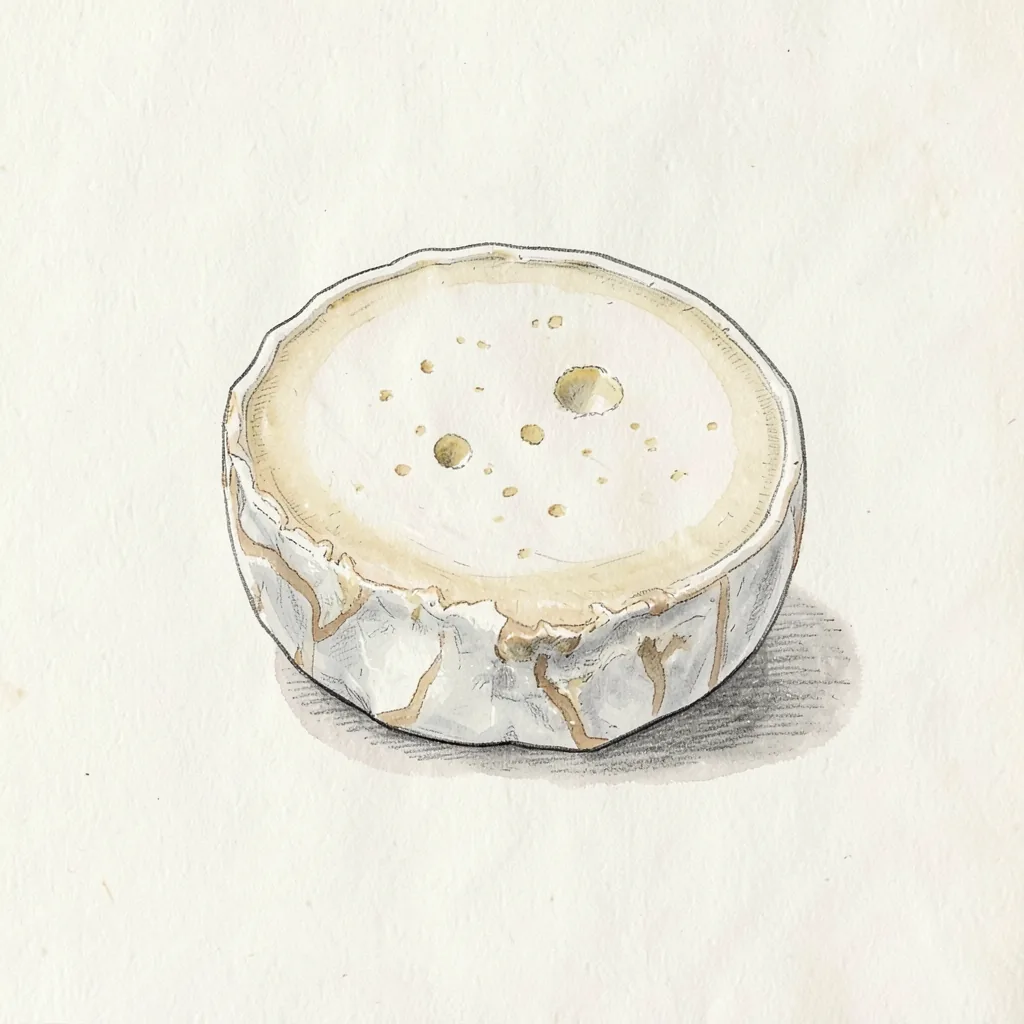
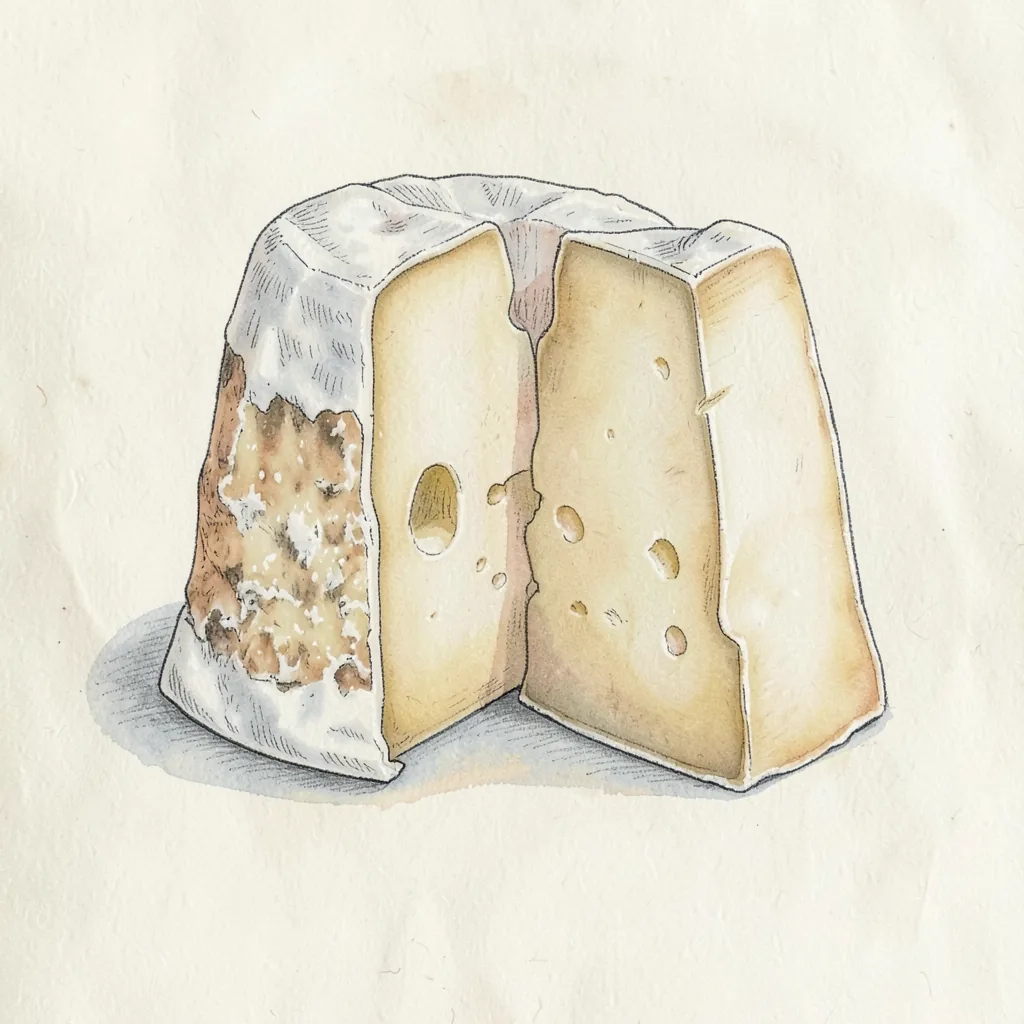
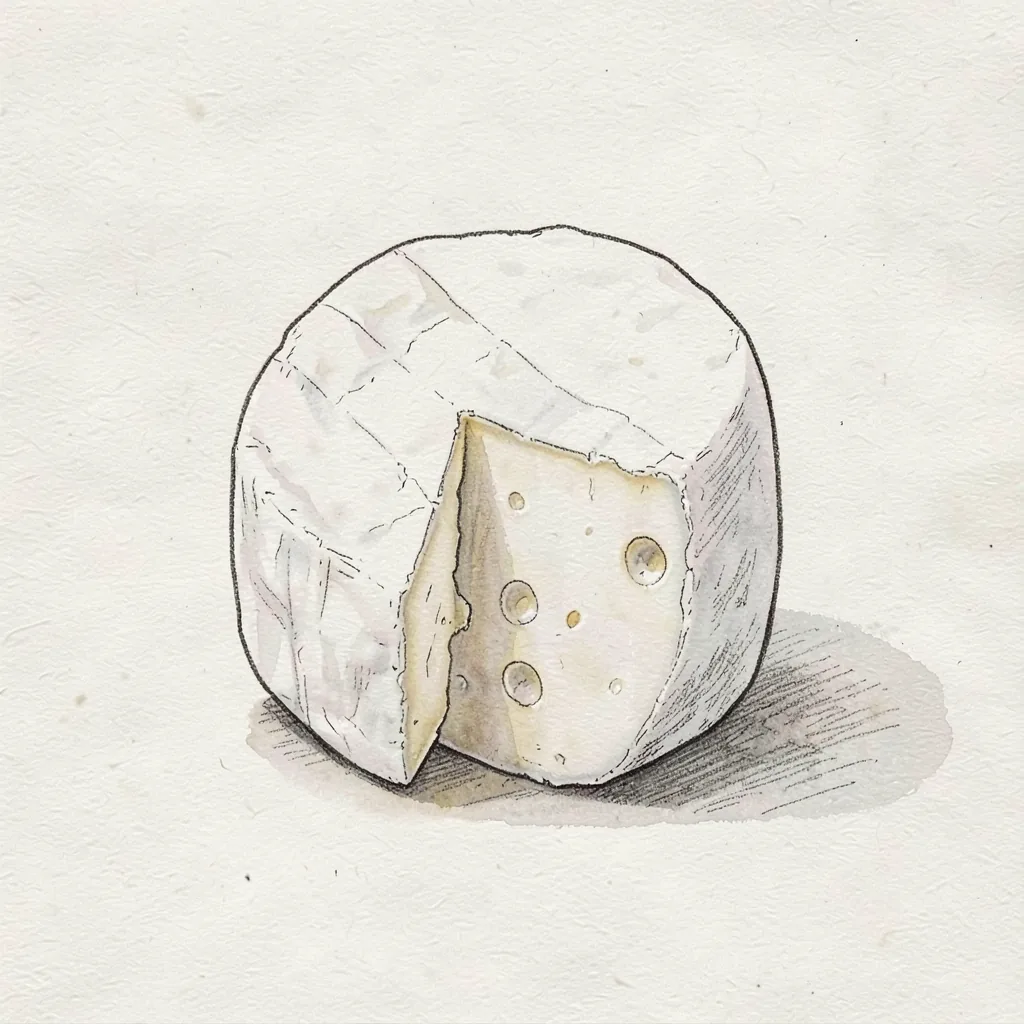
It is a soft, mold-ripened wheel with a white bloomy rind and a thin line of edible vegetable ash through the middle. The line shows as a dark ribbon when the wheel is cut, which is the mark shoppers recognize. Pasteurized goat's milk gives a bright, lemony base. The cheese is sold under a brand name, not as a general style that any dairy may copy freely.
Under the rind, a ripe wheel turns creamy and soft, while a younger center stays brighter and a little more cakey. That contrast is the reason to notice the age of the piece you buy. The ash is mild and does not taste like charcoal, but it marks the paste as the wheel ripens from the outside inward. Flavor is tangy, clean, and gently goaty, stronger near the rind than at the core. It belongs on a board or a spoon, not on a grater.
History
Humboldt Fog is a modern California brand, not a farm cheese with an ancient regional name. It was made to show goat's milk in a soft-ripened form, with a visual idea taken from ash-lined cheeses. The name refers to coastal fog in northern California, and the ash line is meant to suggest a band of mist across the paste. No regional rule book reserves the style, because the cheese is a brand. Its reputation grew on cheese counters and restaurant boards rather than through a village custom.
The brand stayed tied to California even as distribution spread. Shoppers learned to look for the white rind and the single dark line, which is easier to remember than a long origin story. Other goat cheeses wear ash on the outside. This one also puts a line through the interior, so a wedge shows the stripe clearly. That design became the identity, and the cheese is still sold under one brand name, so the label matters if you want this wheel.
How it is made
Pasteurized goat's milk is cultured and set, and the curd is placed into molds with care so the paste stays tender. A layer of vegetable ash goes in at the midpoint, and more ash may dust the exterior before the white mold grows over it. The wheel is salted and ripened until a bloomy rind forms. Ripening starts at the outside, so a cream line develops under the rind while the core remains firmer. The ash line stays visible because it does not blend away into the curd.
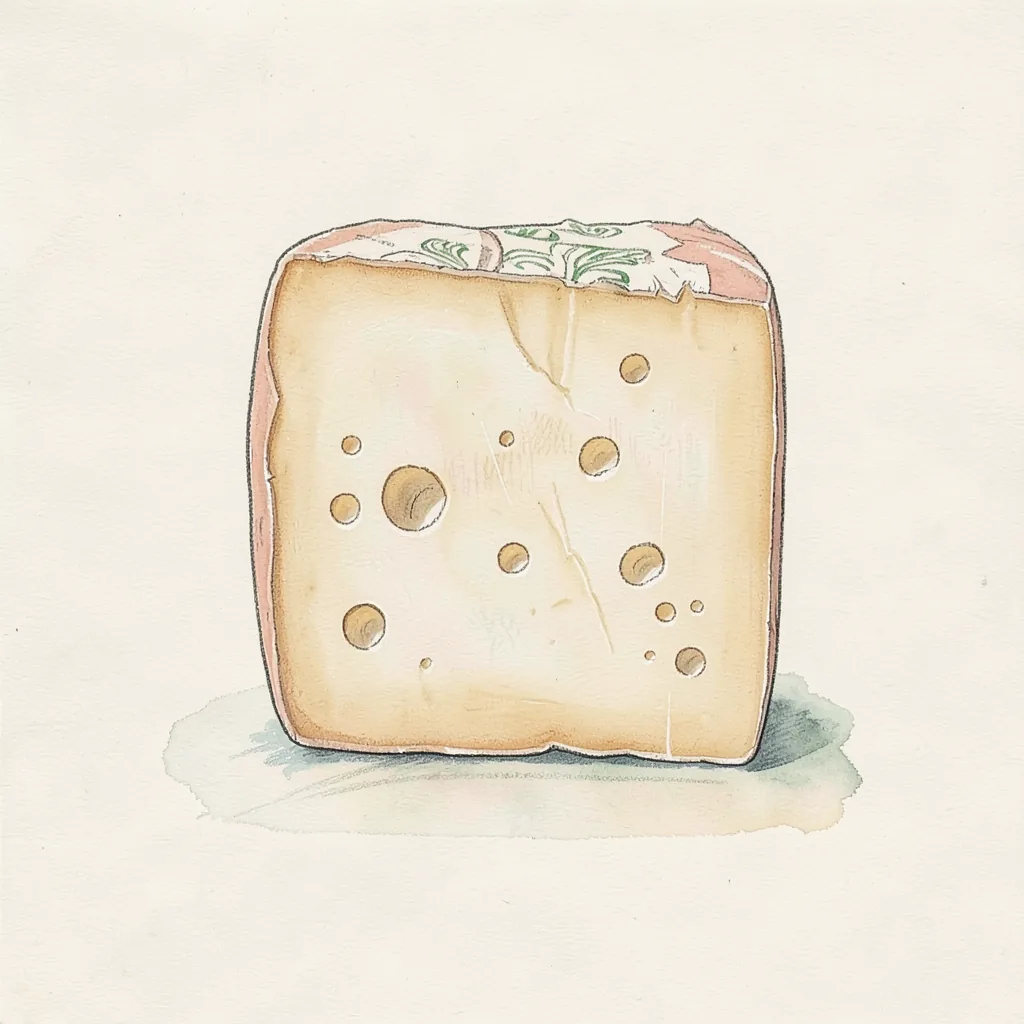
The cheese is not cooked and stretched, and it is not a washed-rind wheel. The white mold does the ripening, and the ash is a layer rather than a herb mixed through the paste. Some wheels leave while the center is still cakey, and others leave when more of the paste has softened. There is no cloth wrap and no wax. What you buy is a round or a wedge with the line intact, and a missing line means it is not the usual wheel of this brand.
Taste
Expect a bright goat flavor, lemony and fresh, with a soft tang and no heavy salt. Near the bloomy rind the paste is richer, mushroomy, and more savory. In the center it is milder and a bit chalky when the wheel is young. The ash line tastes neutral, maybe faintly mineral, and it should not be bitter. A fully ripe wedge can be spooned, the flavor feels rounder, and the smell should stay clean rather than sharp with ammonia.
Texture is half of the pleasure. A good piece moves from a velvety rind to a cream layer and then to a brighter core, all in a few bites. If the whole wheel is cold and firm, you mostly taste mild fresh goat cheese and miss the contrast. If it is overripe, the rind can turn sharp and the paste too loose for a neat board. There is no blue vein and no pepper heat, so fruit, honey, or plain bread is enough.
In the kitchen
Serve Humboldt Fog at cool room temperature, and cut wedges so each portion shows the ash line. Bread, pears, toasted nuts, and a light honey are reliable partners. When the cream line is soft, spread it on toast or spoon it beside a salad of beets or bitter greens. A younger, firmer center can be crumbled over greens the way you use fresh goat cheese. Do not try to grate it, because heat makes it slump rather than stretch into strings.
A short time on a crostini gives warm edges and a soft center, but this is not a pizza cheese or a grill cheese. Keep the rind on, because it is edible and carries the mushroom note. If a recipe calls for fresh goat cheese, a young piece will do, though the rind and the ash line come with it. For a cheese plate, one ripe wedge beats a large baked dish. Let the cut piece warm, and finish it while the cream line still tastes fresh.
Around the world
The brand is one of the American goat cheeses that shops abroad often know by sight. The ash ribbon does the work of a label even after the wheel is cut. Visitors sometimes assume it is French because of the ash and the bloomy rind, but it is a California product and the label is part of what you buy. Distribution is wider than for many tiny farm goat cheeses. You are meant to find it in ordinary specialty shops, not only at a dairy door.
Morbier has a dark line through the paste, but it comes from a different tradition and does not taste like this wheel. French goat cheeses such as Valencay carry ash on the outside and can substitute on a board. Fresh chevre is the other confusion, because people use that word for any goat cheese. Humboldt Fog is ripened, rinded, and striped, so a plain log with no rind and no line is a different cheese. Ask for the brand when the stripe is what you came for.