What it is
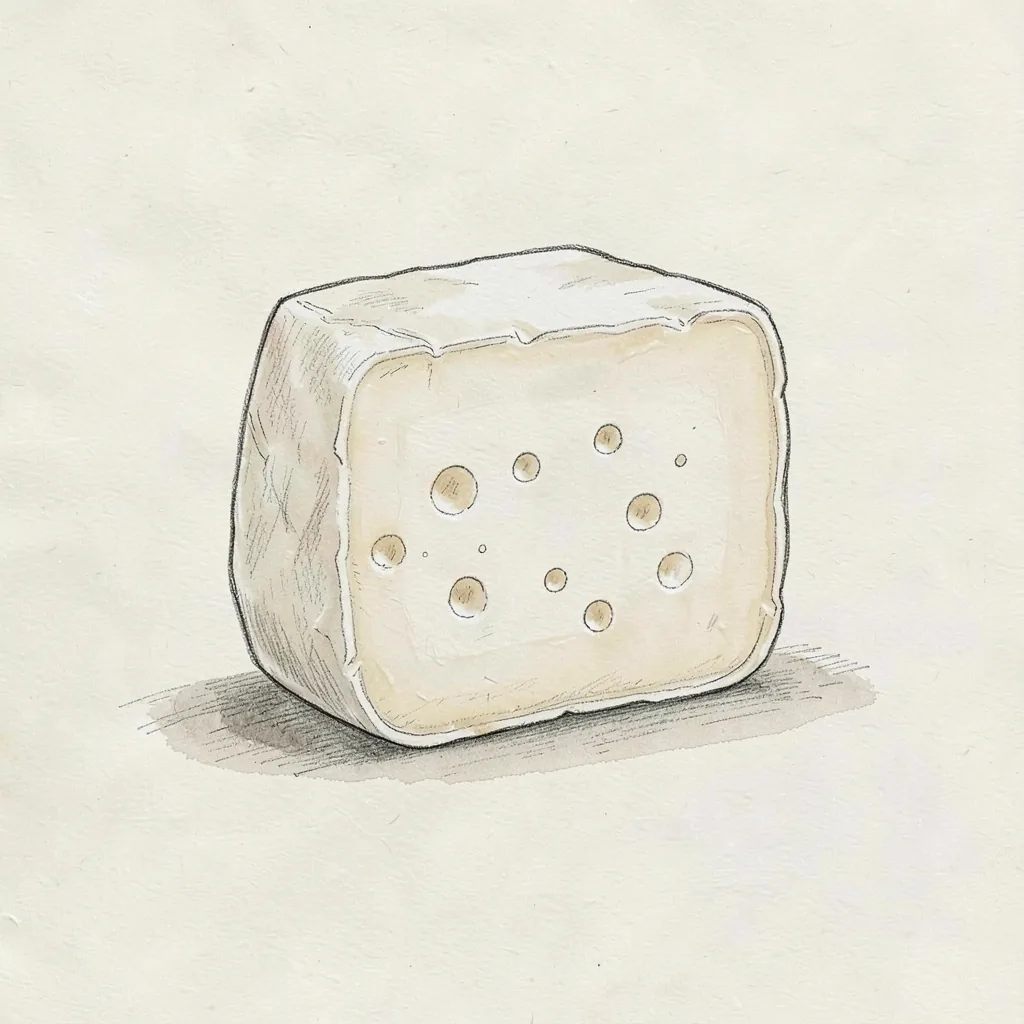
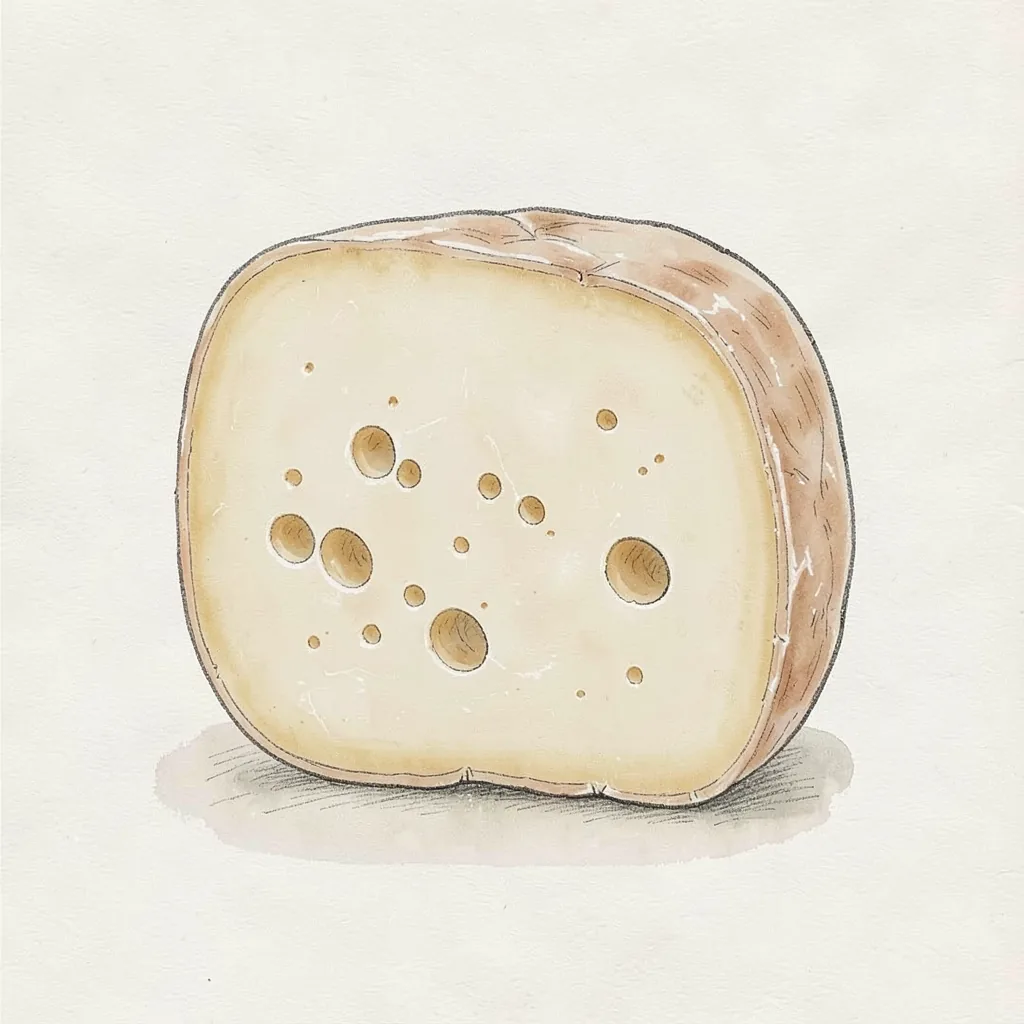
It is a fresh curd cheese, unsalted or only lightly salted, with a clean milky taste and a moist body that you can slice. Makers curdle the milk with rennet and drain the whey, then sell the cheese while it is still young. It has no rind and no long aging. In Romanian cooking it is both a food on its own and the starting point for other cheeses.
The texture sits between a loose fresh curd and a firm block. You can slice it, crumble it, or fold it into a pie. If the same cheese is kept in brine, it becomes telemea, which is saltier and more tangy. Worked and packed in a different way, it becomes brânză de burduf, and if it is heated and stretched, it becomes cașcaval. Those later cheeses are not caș anymore.
History
Fresh rennet curd has long been the base of Romanian cheese making. Households and small dairies drained the day's curd and ate it before it needed a heavy salt cure. That fresh cheese is caș, and the name marks the stage, not a single branded recipe. From it, people learned to brine, knead, or stretch the curd into cheeses that would keep longer. The fresh stage never disappeared, because its mild taste is useful on its own.
Caș stayed a common cheese in Romanian homes, the plain piece next to bread and vegetables. It did not need a famous export name to remain important at home. The fresh stage is still how several other Romanian cheeses begin. Telemea took more of the attention abroad because a brine cheese travels well. Caș is the mild cheese you eat before that change, and it is still sold for the table.
How it is made
Milk is warmed and set with rennet until a soft curd forms. The curd is cut or broken and the whey is drained, often through cloth. Light pressing gives a semi-soft body that holds a slice but still feels moist. Salt may be absent, or a small amount may be mixed in. There is no cooking of the curd into a hard grain, and there is no stretching in hot water for the cheese sold as caș.
The fresh cheese is ready soon after draining, which is why the flavor stays simple. To turn it into telemea, pieces are salted and stored in brine until the taste sharpens and the texture changes. To make brânză de burduf, the curd is kneaded with salt and packed for a longer keep. Cașcaval takes the curd through a heating and stretching step. Each path starts with caș and ends as a different cheese.
Taste
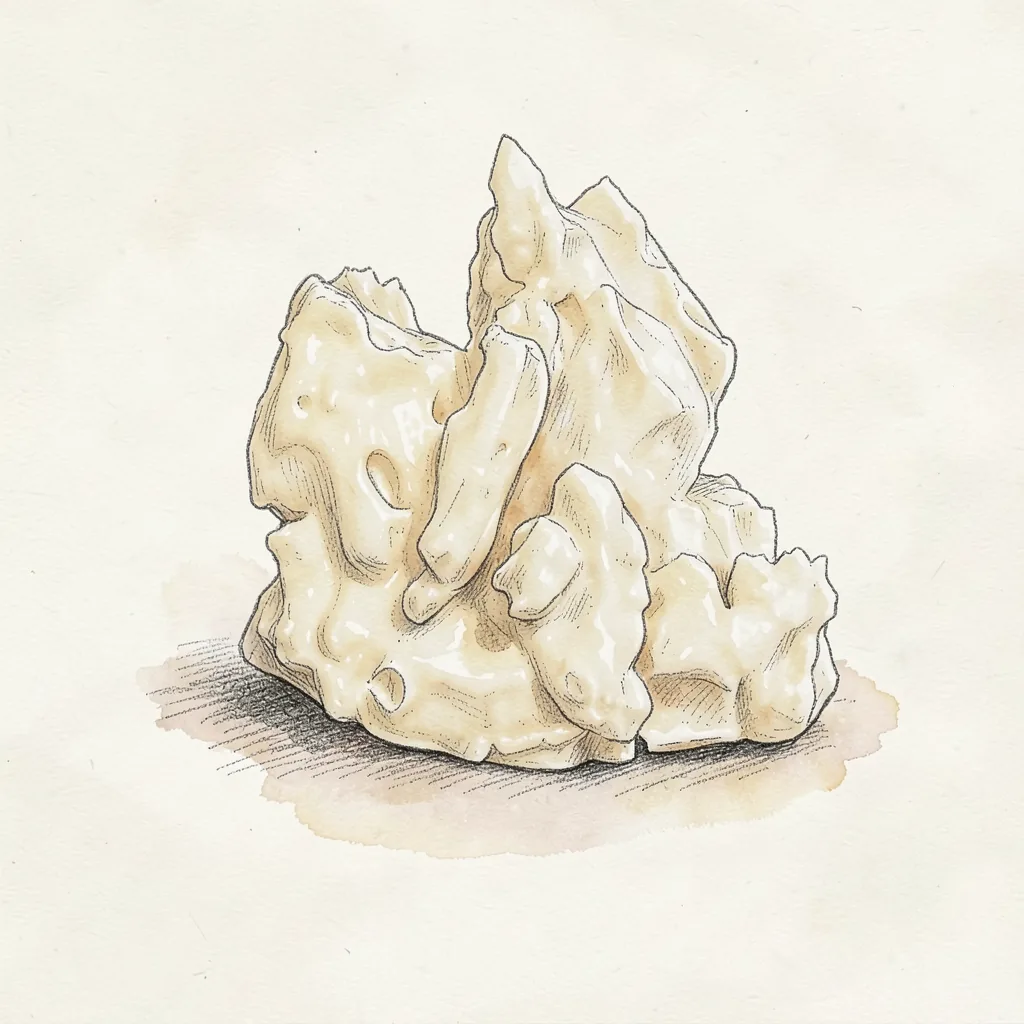
Fresh caș tastes of plain milk, with a soft sweetness and very little salt. The paste is white and smooth, sometimes slightly springy, and sometimes a bit crumbly if more whey was pressed out. There is no sharp bite and no fermented tang yet. It should smell clean and fresh, like new curd. A sour or yeasty smell means it has sat too long and should not be used.
Lightly salted caș is still mild, just more savory than the unsalted kind. It does not have the brine punch of telemea or the strong aroma of a kneaded cheese that has been kept. Herbs are not part of the basic cheese, though cooks add them later. The finish is short and milky. If you want a loud cheese flavor, this is the wrong piece, and that quietness is the point.
In the kitchen
Eat caș with bread, tomatoes, cucumbers, and spring onions, which is a usual Romanian plate. Crumble it over warm polenta, called mămăligă, and add a little salt at the table. It also goes into pies, omelettes, and pastries where a mild cheese is needed. Because it is low in salt, season the dish yourself. Do not expect it to brown and stretch like a cheese made for melting in strings.
For a salad, cut it into cubes or break it into coarse crumbs. For a baked pie, mix it with egg or greens so it sets rather than running. If a recipe calls for telemea and you only have caș, add salt and a squeeze of lemon, and know the flavor will stay gentler. Keep it cold and covered, and use it soon. It is a fresh cheese, and a long stay in the fridge will not improve it.
Around the world
Outside Romania, caș is most often found in Eastern European shops and in homes that cook Romanian food. Supermarkets elsewhere rarely stock it under this name. Telemea is the Romanian cheese more buyers recognize, and staff may offer that instead. Ask whether the cheese is fresh and only lightly salted. A brined block is telemea, even if it began as the same curd.
Quark, cottage cheese, or a very mild fresh white cheese can stand in for cooking, though the texture will be looser or more grainy. Feta or telemea can stand in on a salty salad, but both are sharper. Brânză de burduf is too strong and too different for a fresh use. If the dish needs the plain milky taste of caș, choose the mildest fresh cheese you can find. Add salt only after you taste it.