Cow
What it is
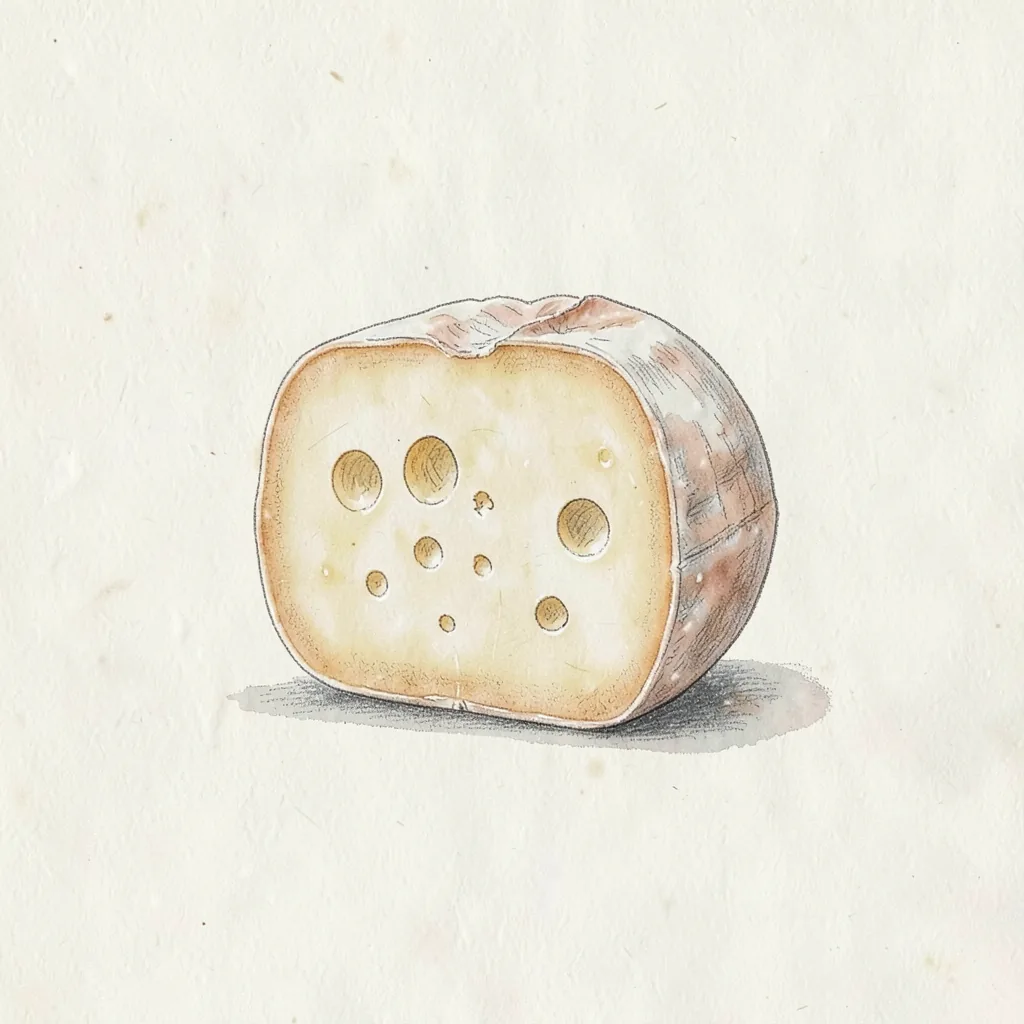
Makers tie that head and hang the cheeses in pairs while they dry, much as they do with other Italian hanging cheeses. The paste is pale, compact, and elastic when the cheese is young. A thin, smooth rind turns yellow as the piece ages. Sardinia is the island where this form is traditional, and the milk is cow's milk rather than the sheep's milk more common there.
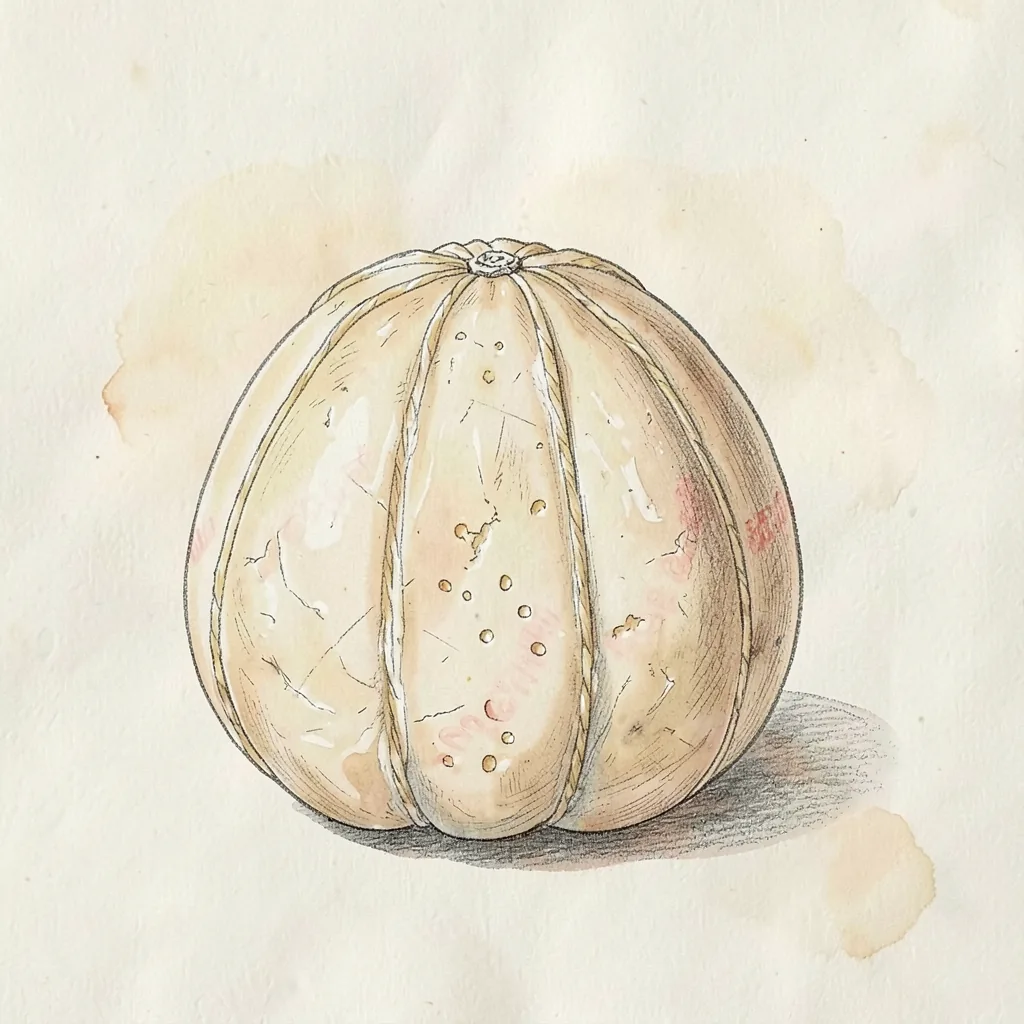
Young Casizolu is a table cheese, mild and a little tangy, with a buttery feel. Older pieces firm up, lose moisture, and taste sharper, so they move toward grating. The shape is the easy clue in a shop: a full pear, not a ball and not a long cylinder. Local names such as Peretta and Tittighedda point to that pear or to the small head. Smoke is not required, and a pale rind is the usual look.
History
Casizolu grew up as a household cheese in Sardinia, where cooks stretched cow's milk curd and hung the pears to dry. The island is better known for sheep's milk cheeses, so a large cow's milk cheese of this type stood out. Pasture cows supplied the milk, and the work followed the season when those cows were in milk. The tied head let families hang the cheese in the air, the same way other Italian kitchens stored stretched curd.
The cheese did not take its name from one village, and the pear form is known across Sardinia. Other words for it, including Peretta, Tittighedda, and Provoletta, describe the shape or the little head. Hand shaping remained the mark of a careful piece, even after some makers began to stretch curd with machines. A short hang gives a supple table cheese, and a longer hang gives a firmer cheese for grating.
How it is made
Casizolu starts with whole cow's milk, usually from pasture herds. Rennet sets the milk, the curd is cut, and the whey drains until the curd is ready to acidify. When the paste will stretch, makers cut it and work it in hot water until it is smooth, shiny, and elastic. They pull a pear with a small head, then cool the cheese so a smooth skin can form. Brine salts the outside, and the head gives a place to tie the cord.
Pairs are hung so air can reach the rind while the inside settles. A young cheese stays moist and elastic, with a pale paste from white to straw. A longer rest dries the body, deepens the yellow rind, and pushes the taste from sweet toward piquant. Some makers still stretch the curd by hand with wooden tools, and others use a machine for the same stretch. The goal is the same pear, with a thin rind and no cracks.
Taste
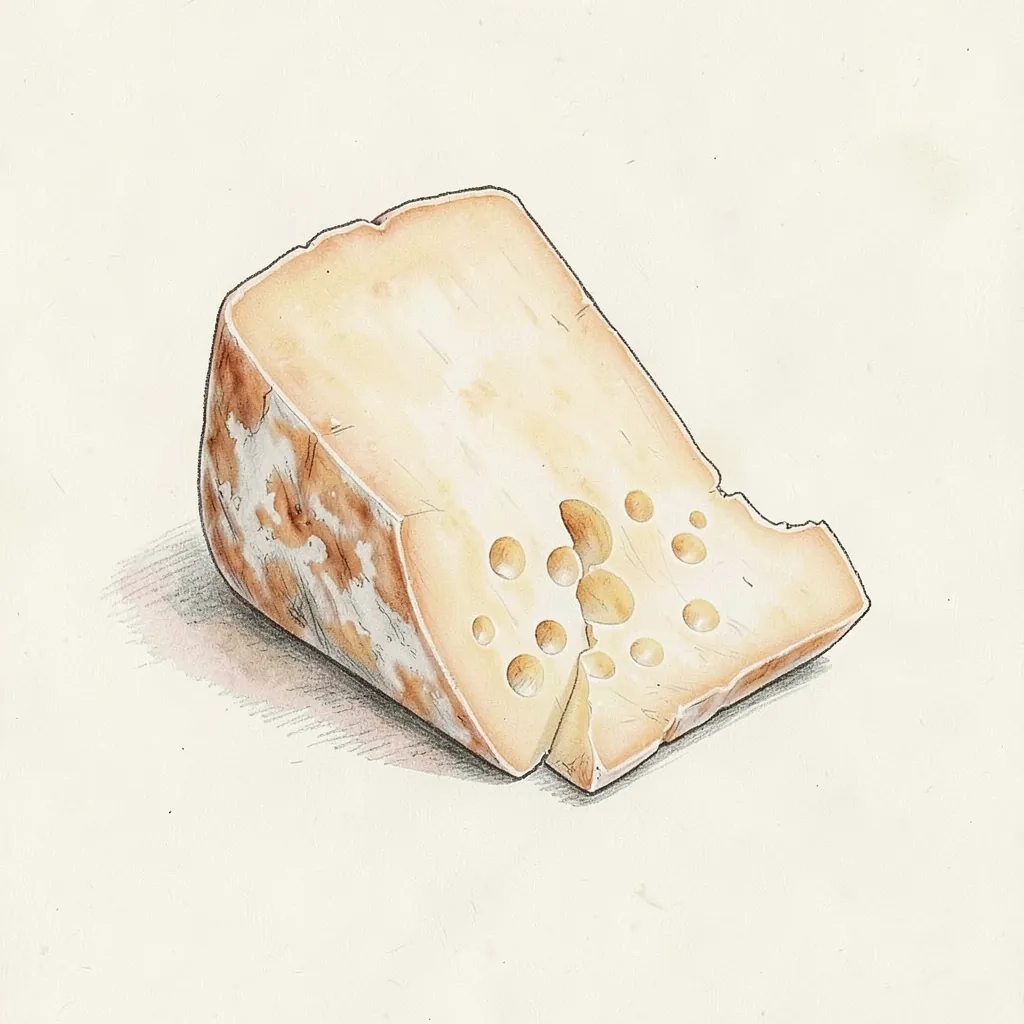
A young Casizolu tastes sweet, milky, and lightly tangy, with a buttery richness from the whole milk. The paste is compact and elastic, so a slice bends before it breaks. Salt is moderate, and the rind is thin enough that many people eat close to it. As the cheese hangs longer, the sweetness recedes and a piquant, more aromatic note comes forward. The older paste is firmer and drier, and it can flake under the knife.
The smell of a young piece is clean and lactic, not barnyardy or sharp. An older piece smells fuller, with a savory edge that suits grating over hot food. You should not expect blue veins or the pungent wash of a strong rind cheese. Warm a cold slice before tasting, because the fridge mutes the mild sweetness. A good pear looks smooth and smells of milk and salt, while a harsh sour smell means the piece has been kept badly.
In the kitchen
Slice young Casizolu for bread, olives, and a simple board, where the mild sweetness can stand alone. It also melts in baked pasta or on a warm sandwich, though it will not run like a very fresh mozzarella. Older cheese belongs over pasta, soups, or roasted vegetables, grated at the last minute. A little is enough once the piquant note is strong. Keep the other flavors plain so the cow's milk taste stays clear.
Cut the pear from the wide end, and save the neck for the last slices. The paste of a young cheese slices cleanly, while an older one grates better than it slices. If you grill it, use a thick piece and a short time, so the outside colors and the center stays soft. Do not drown it in strong spice. Wrap the cut face, because the exposed paste dries and the mild aroma fades.
Around the world
Outside Sardinia, Casizolu is a specialty cheese, not a standard item in every Italian counter. Look for the pear shape and a label that names it, because a hanging cow's milk cheese can be something else. Importers and Italian shops are the likely places, and supply can be uneven. Once cut, keep it cool and wrapped so the paste does not dry. People who know only firm sheep's milk cheeses from the island may be surprised by the mild cow's milk taste.
Caciocavallo is the usual substitute and the usual mix-up. It is also a cow's milk cheese hung in a pear shape, and it covers the same path from mild slices to a sharper grating piece. Provolone can stand in when you need melt or a sandwich slice. Pecorino Sardo is the sheep's milk cheese of the same island, and it is saltier and not a stretched curd. If a shop has no Casizolu, choose the hanging cow's milk cheese, not the pecorino, unless the recipe wants sheep's milk.