Cow
What it is
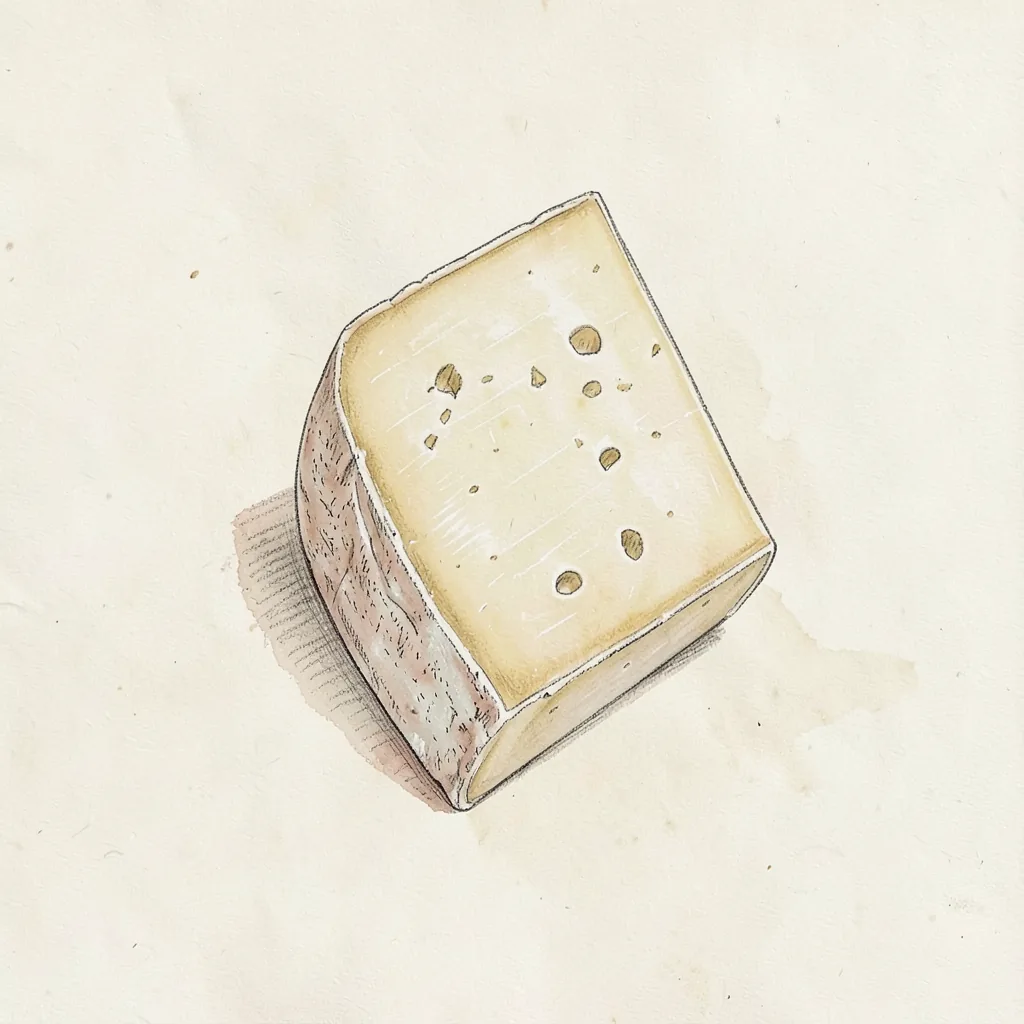
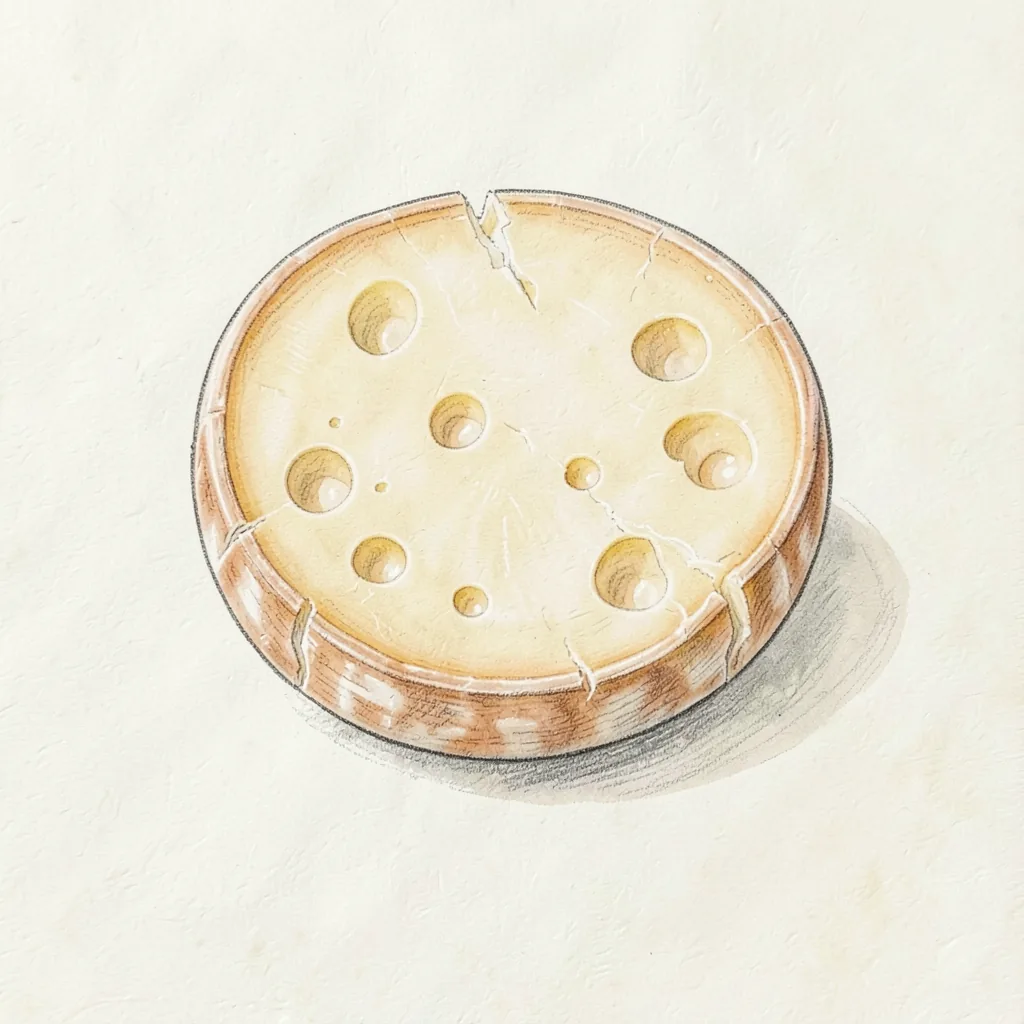
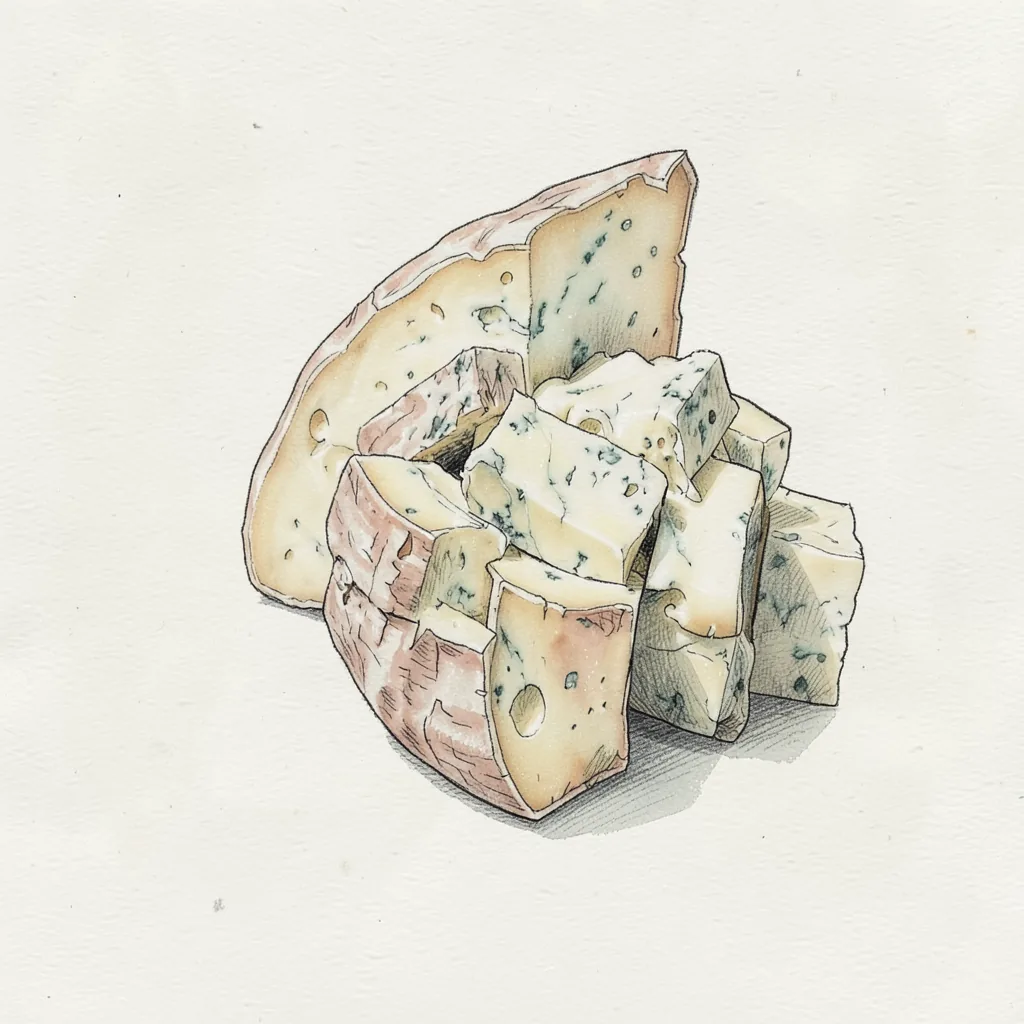
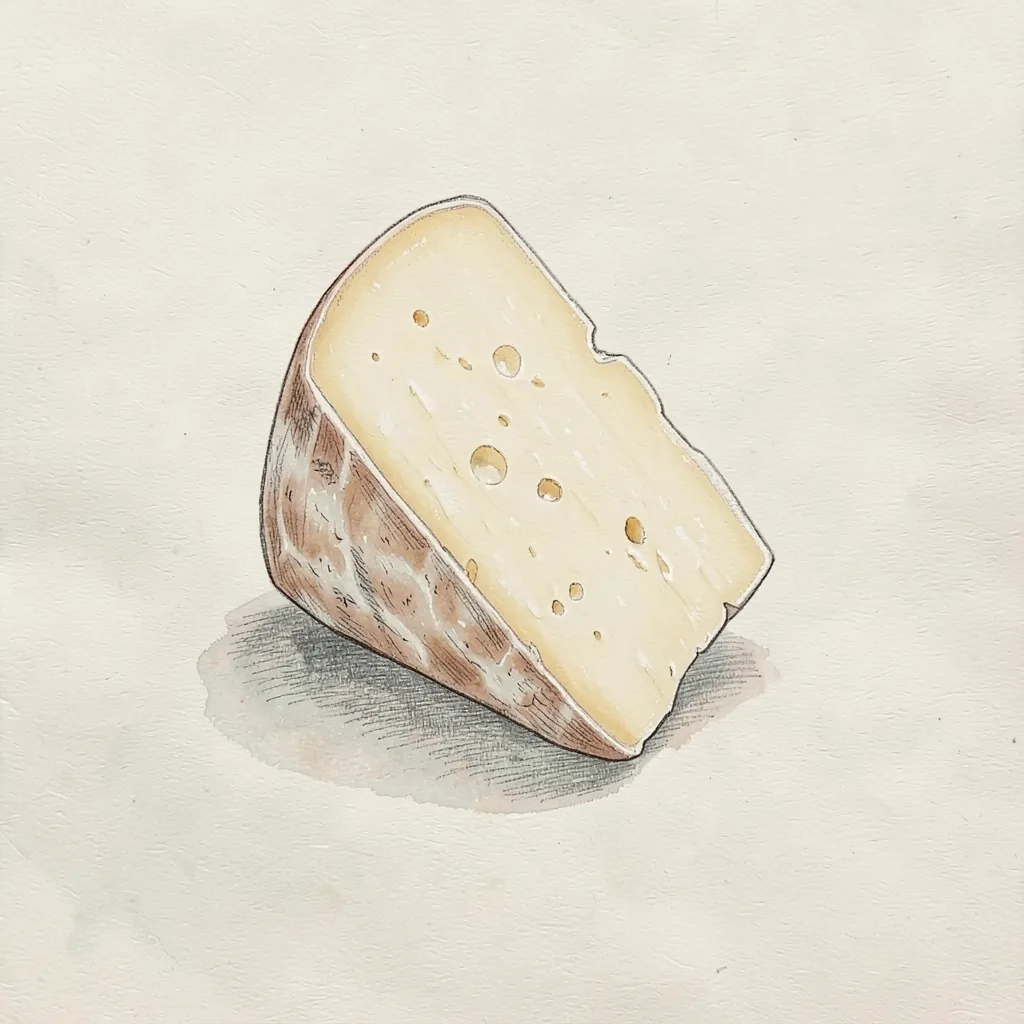
Wheels are pressed, with a thick natural rind that runs from reddish brown to gray. The paste is crumbly rather than elastic, ivory when young and deeper straw as it ages. There are no large eyes. Older wheels can show blue-green veins that arrive on their own in the cellar, and those veins are a known face of the cheese, not a separate recipe.
Raw milk and a long, cool rest give it a savory mountain character. A young wheel is delicate, milky, and only lightly salty. A mature wheel is fuller, sharper, and sometimes spicy, with hints of hay, walnut, and cellar damp. It crumbles over hot food more readily than it slices into neat sheets. Cooks in Italy use it on gnocchi, risotto, and polenta, and cheese boards use the milder pieces in small bites.
History
Castelmagno is an old mountain cheese, kept in the food culture of Italy for a very long time. Herds and high pasture are part of that story, and summer milk from those pastures is especially prized. The name is protected, which ties the cheese to its traditional make and to a small production zone. Output stays modest compared with the big export cheeses of Italy. That scarcity is why a real wheel still feels like a special purchase.
The cheese nearly slipped out of regular trade in the modern era, then dairies and farmers brought the make back once the name was protected. Today you may see words on the label that mark mountain production or high-pasture milk. Those words point to where the cows grazed, and they often signal a stronger aroma. They are not different cheeses with different names. They are Castelmagno made from milk with a clearer mountain diet.
How it is made
The milk is raw cow's milk, and it is not pasteurized. It is warmed, set with calf rennet, and the curd is broken and left to rest so the texture can turn granular. A further rest in whey lets the curd acidify before it is broken again, more finely, and salted. The pieces are then pressed into a cylinder. That broken-curd path is why the paste flakes instead of stretching.
Dry salting and a cool, humid cellar finish the wheel. The rind forms naturally and grows thick and rough. Minimum aging brings a pale, crumbly paste and a gentle taste. Longer aging deepens the color, firms the body, and may invite blue-green molds along natural cracks. Those molds are not stirred in the way a creamed blue is worked, and if they appear they belong to that wheel's cellar life.
Taste
Young Castelmagno tastes of fresh milk, butter, and a light tang. The crumb is moist enough to press together, and the salt is moderate. Herbs, hay, and a faint animal note can sit in the aroma even early on. Nothing should taste burnt or soapy. The effect is quiet, and it suits a small piece with bread more than a loud pairing.
With age the cheese turns savory and more persistent. Walnut, mushroom, pepper, and a clean stable or cellar note are all possible, and blue veins add a sharper spice. The paste grows drier and more willing to crumble. Bitterness can show at the edge, but it should not overwhelm the milk fat. A fine piece balances salt, tang, and aroma, and no two mature wheels taste identical.
In the kitchen
Crumble young Castelmagno into warm gnocchi, risotto, or a vegetable tart so it softens without a long boil. Butter helps it loosen into a sauce. The milder paste can also sit on a board with honey, pears, or walnuts, in small amounts. Do not cut thick slabs, because the flavor is concentrated and a small piece is enough. Aged pieces are better grated than served in large cold slices.
Polenta is a natural partner for the aged cheese. Scatter the crumbs over the hot cereal with butter, or stir them in until the dish turns savory and slightly sharp. Pasta with a simple butter sauce also works. Blue-veined pieces can stand where you want a mountain note without using a creamy blue. Taste before you add more salt, because the cellar has already seasoned the wheel.
Around the world
Castelmagno is still a cheese people seek, not a cheese every market cuts to order. Outside Italy it shows up in shops that stock rare Italian wheels, and in restaurants that cook food from the north of the country. The label should carry this cheese's own name, not a vague mountain description. A crumbly cow's milk wheel with a rough rind and a few blue lines is what you are looking for. If the paste is smooth, elastic, and full of large holes, it is something else.
Gorgonzola is the blue people may think of first, but Castelmagno is firmer, less creamy, and only sometimes veined. Raschera and other Italian mountain cheeses can stand in for the savory crumble, with a milder result. Fontina melts more smoothly if the dish needs stretch and flow. None of those copies the exact cellar aroma. When you do find Castelmagno, use it where the flavor can lead, and do not bury it under a strong spice rub.